

- Models often barely fit GPU memory, leaving no headroom for concurrent users.
- Some workloads force servers to reprocess the entire prompt for every new token or message.
- Saved work (conversation state) frequently becomes pinned to a single server, creating hotspots.
- Memory capacity directly limits how many concurrent users a server can support.
- Naive routing wastes the most expensive resource you have: GPU cycles.
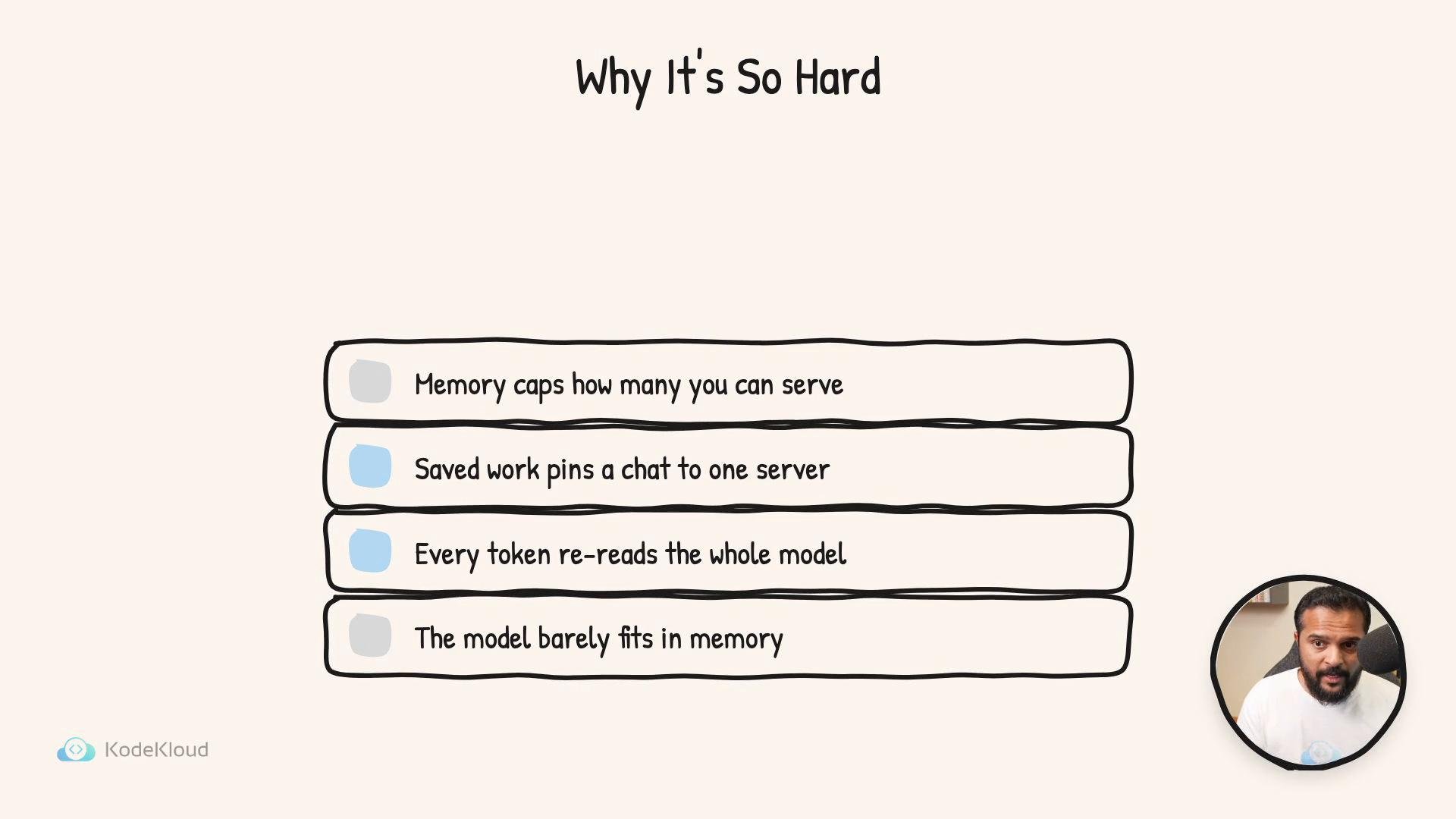
Serving LLMs at scale is constrained by memory, compute, and routing. Addressing just one of these (for example, adding more GPUs) often fails to fix the end-to-end bottleneck unless routing and work placement are considered as well.
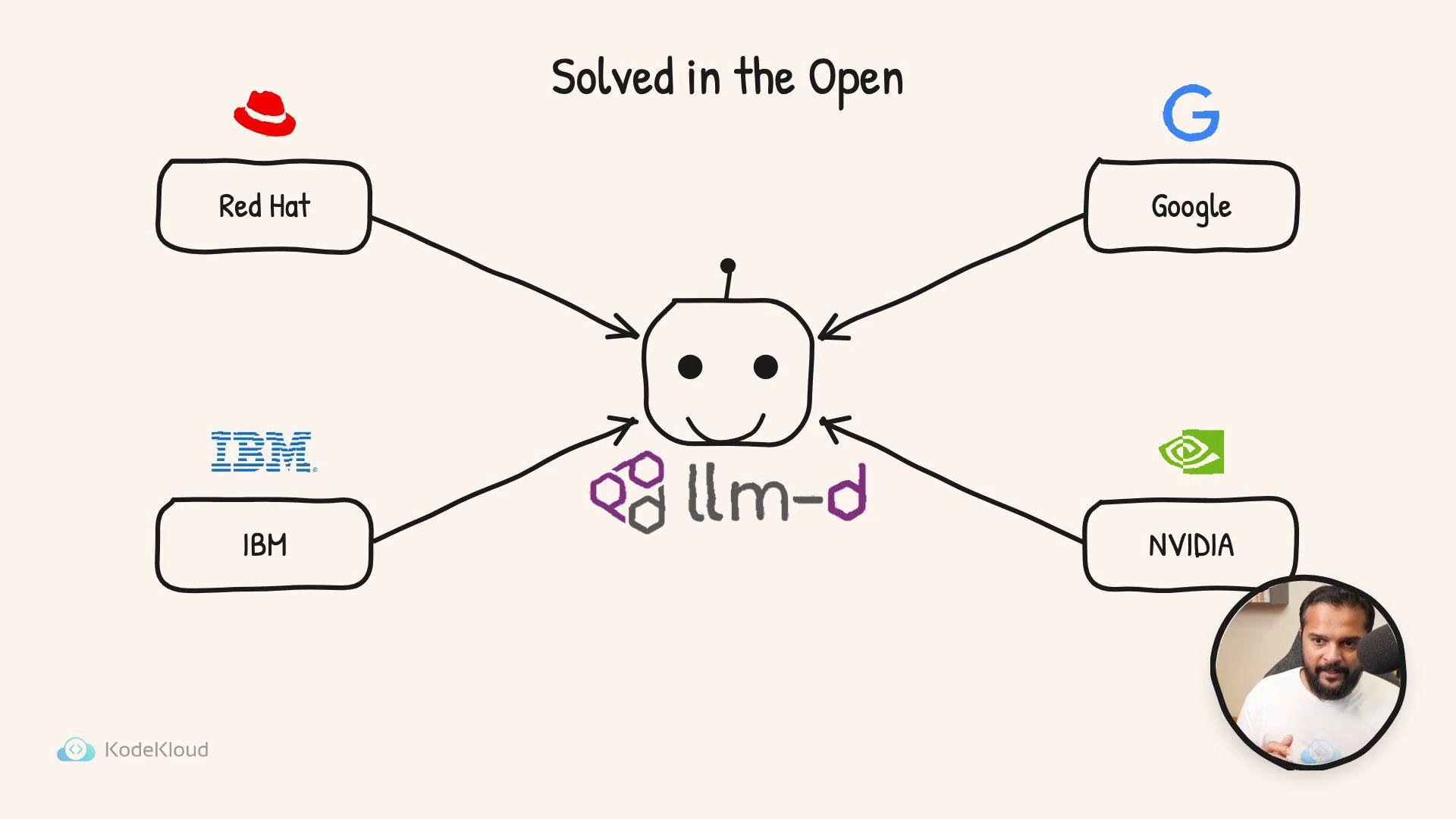
What is llm-d?
At a high level, llm-d is an intelligent router that sits in front of your inference fleet. Unlike a simple load balancer that sends work to the next free server, llm-d reasons about where each request should go and routes it to the server best suited to handle it. To make that decision it considers three primary signals:- Which server already holds the saved work (conversation state).
- How much free memory each server currently has.
- How long each server’s queue is.
1) Saved-work affinity
llm-d tracks which server holds each user’s saved work. When a new message arrives, instead of scattering the conversation across the fleet, llm-d routes it back to the server that already has the conversation state in memory. That server can reuse cached key/value states and skip reprocessing the entire prompt, producing much faster responses.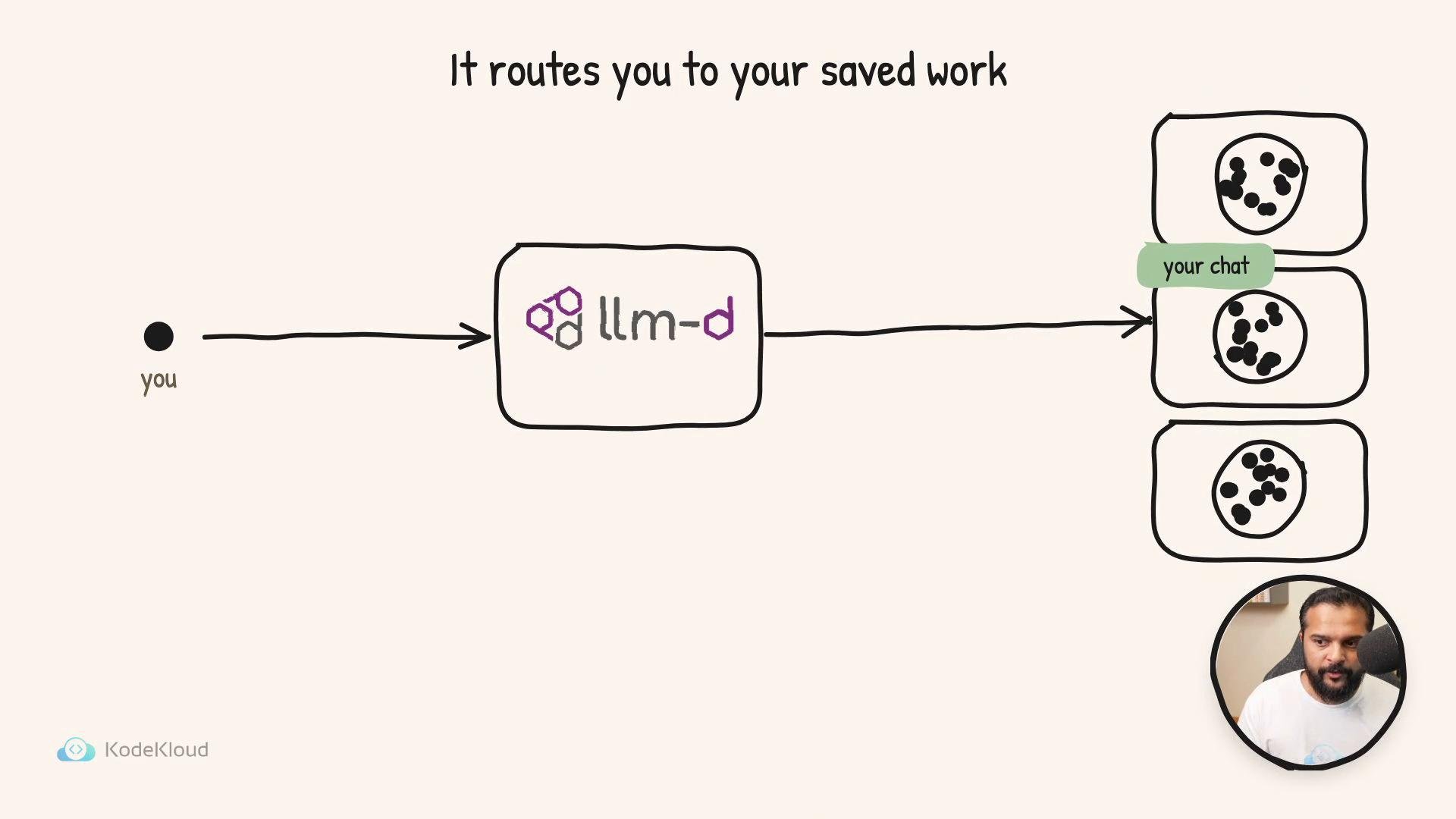
2) Routing by real-time load
llm-d looks inside each server to check memory utilization and queue length. By steering requests to servers with genuine capacity, llm-d avoids overloading already-full machines and preserves predictable latency for active sessions.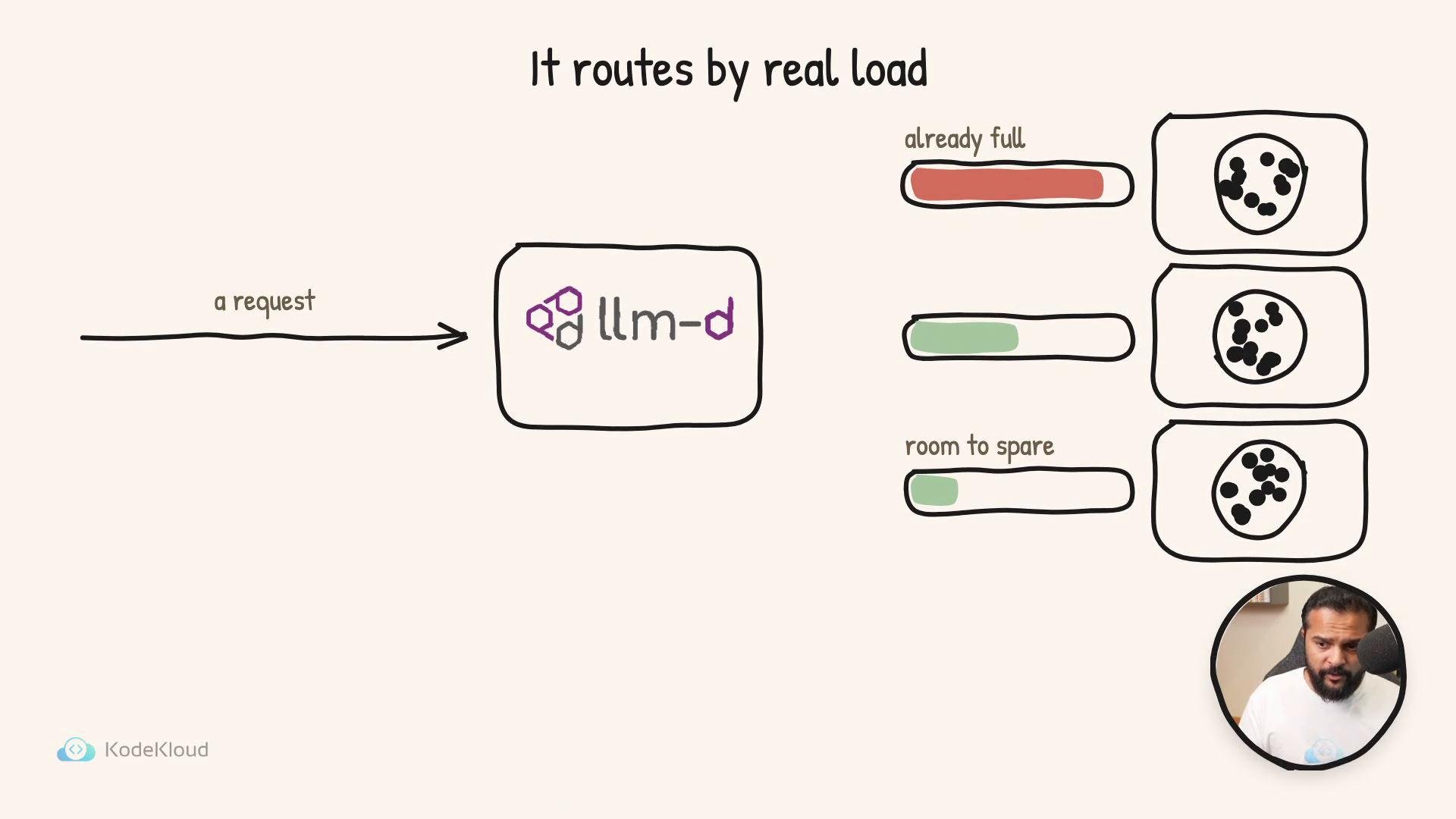
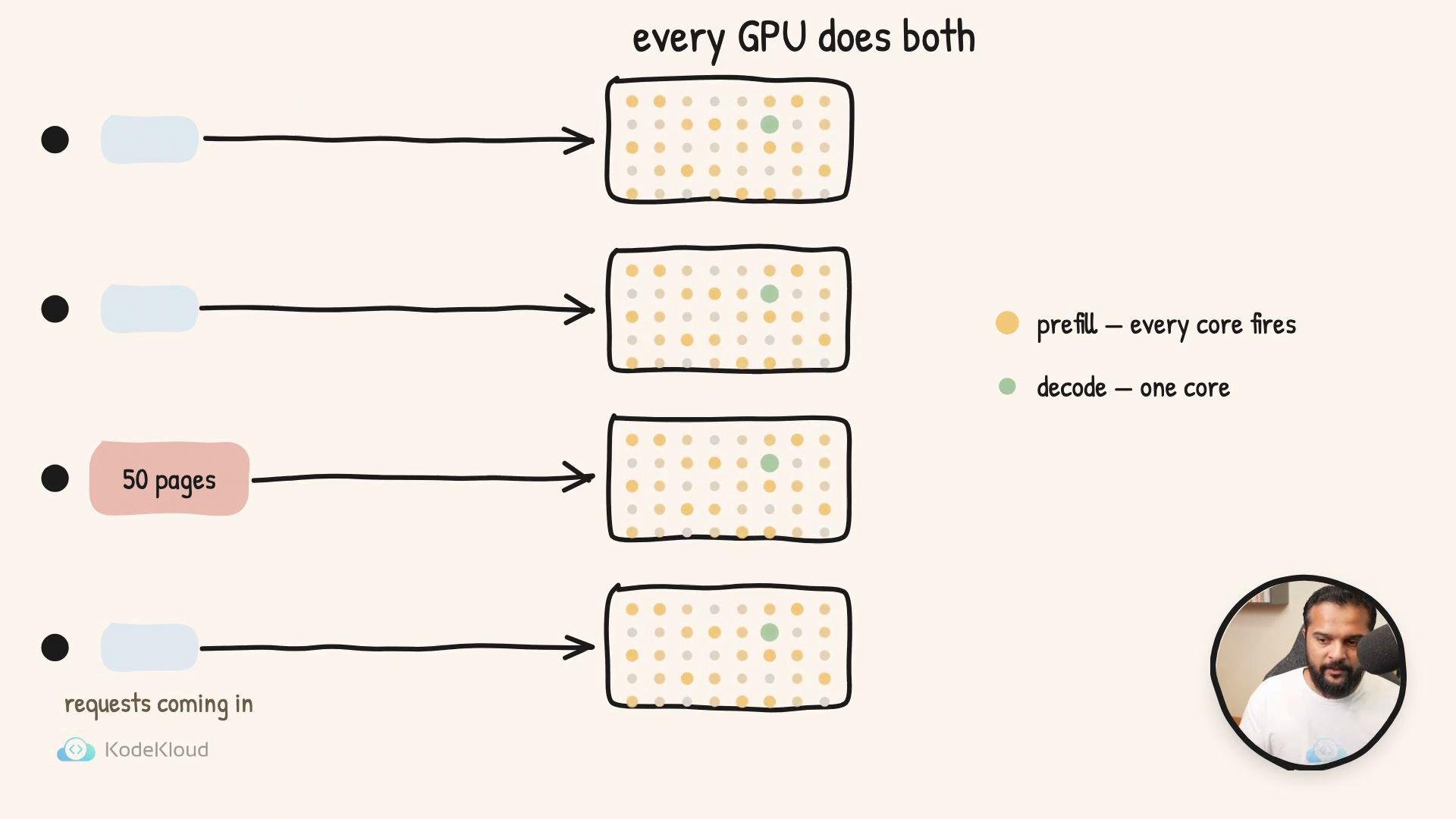
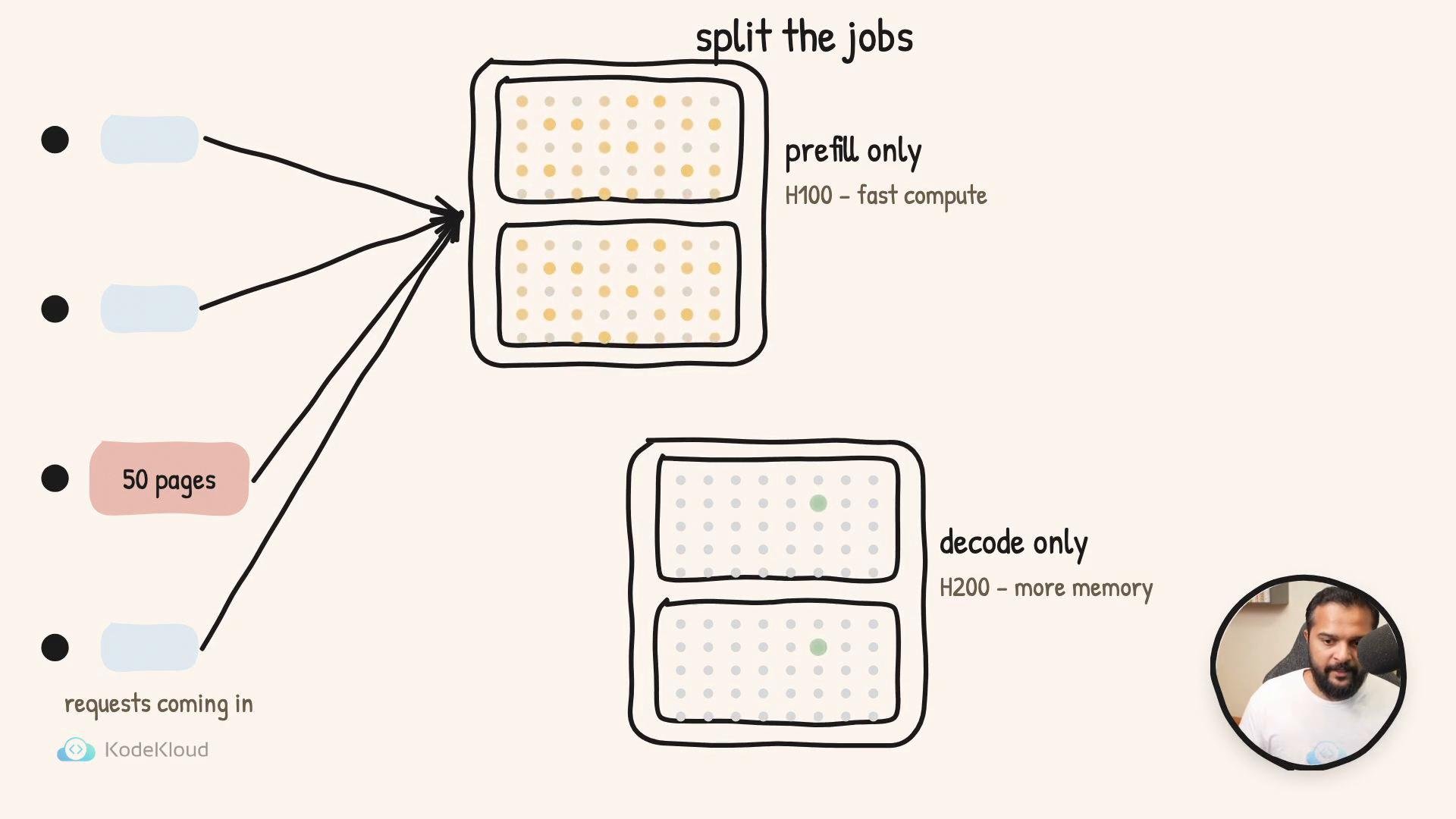
3) Separate prefill and decode pools
A single inference request usually has two phases:- Prefill — the compute-heavy phase that reads and processes the prompt (large parallel compute).
- Decode — the token-by-token generation phase (longer, more memory-centric, and largely sequential per token).
Built on the platform you already run
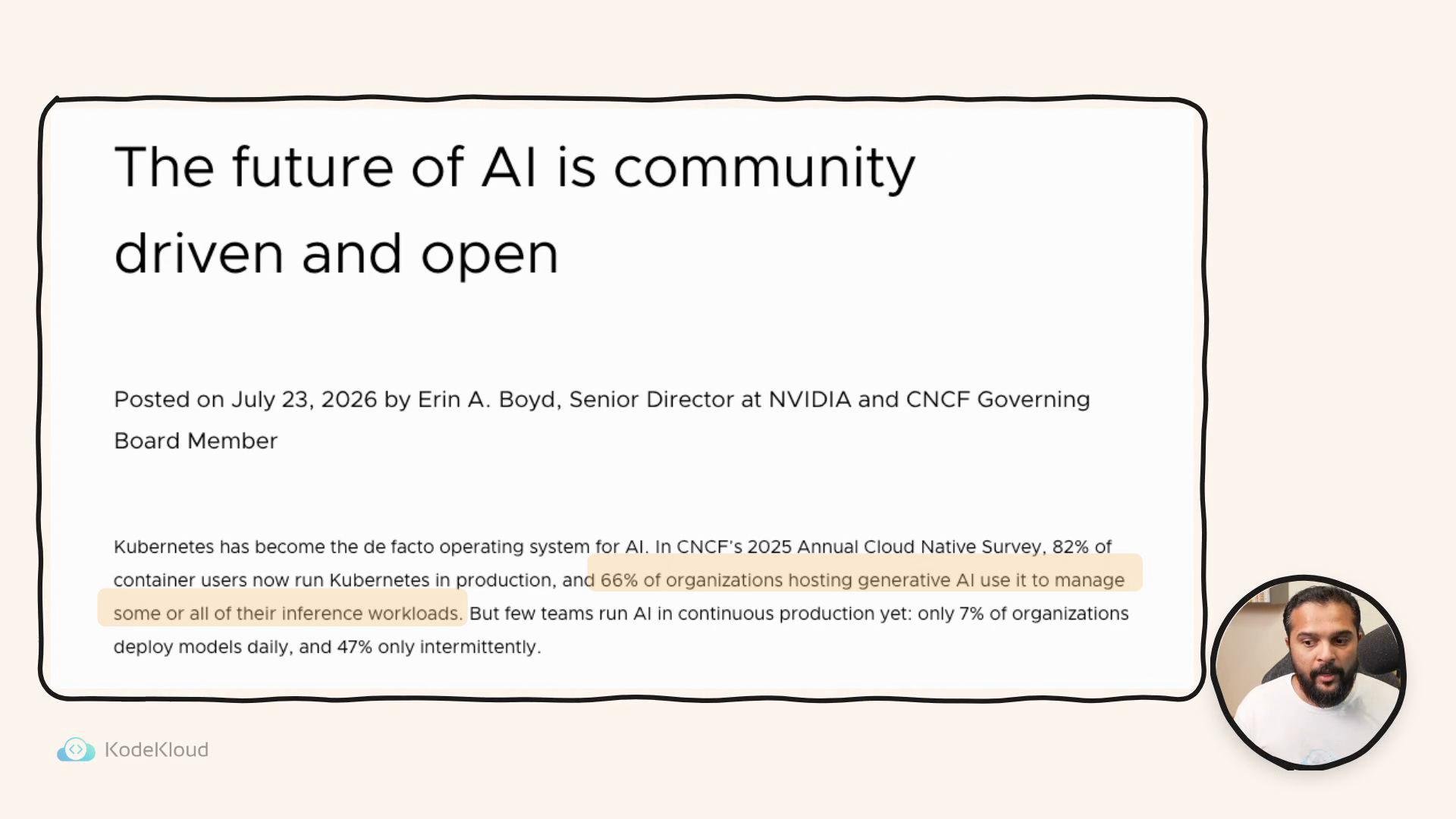
llm-d is designed to integrate with the container orchestration platforms many teams already use to manage workloads. By operating on top of existing orchestration and operational practices, llm-d can be adopted without replacing your entire infrastructure stack.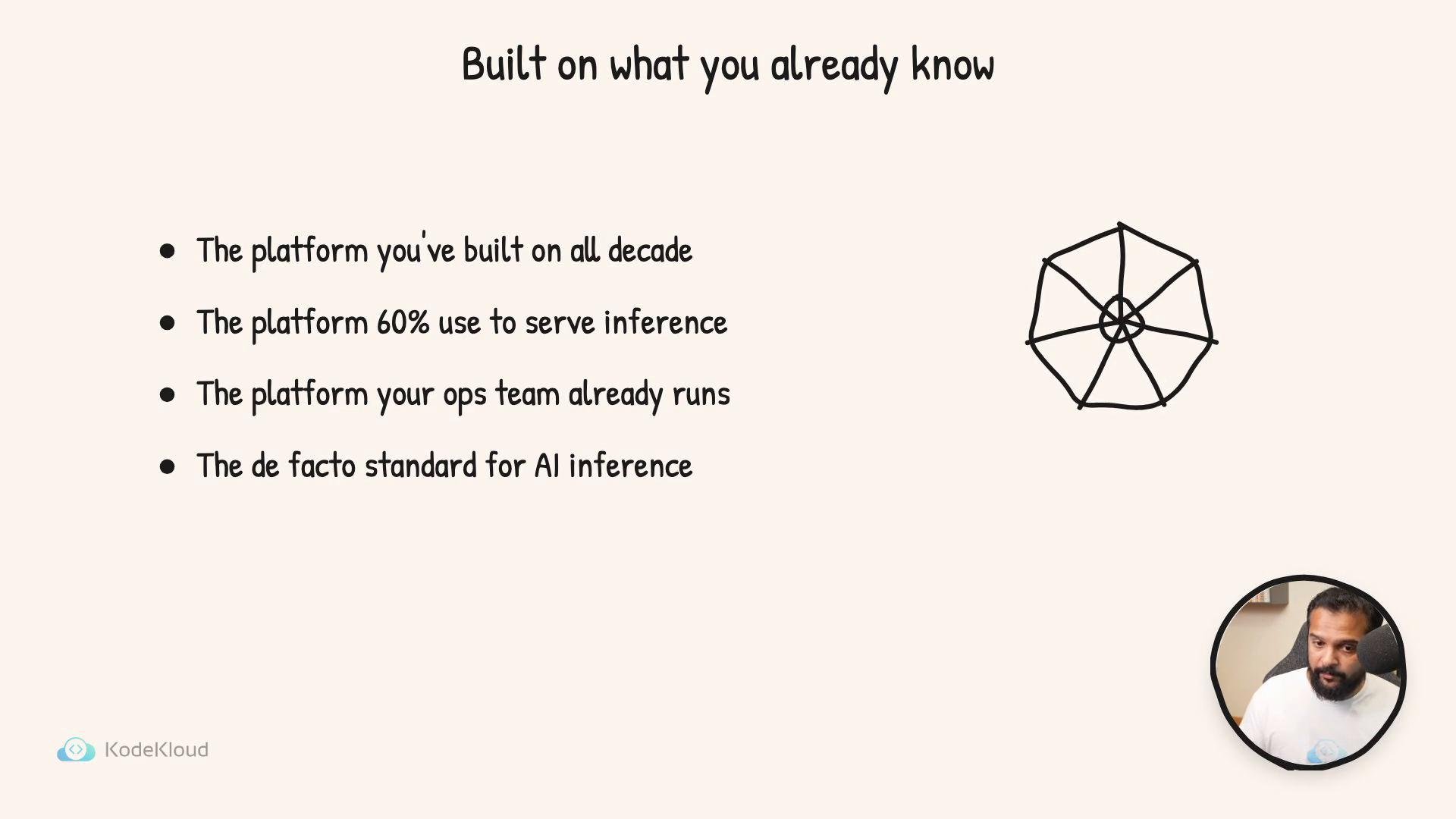
Key takeaways: llm-d provides saved-work affinity, routes by real-time load, and separates prefill from decode. Together these features improve GPU utilization, reduce latency, and increase throughput for serving large language models.
Quick reference — what llm-d gives you
Links and references
- Kubernetes Basics
- NVIDIA — GPU resources and documentation: https://developer.nvidia.com/
- Read about container orchestration for AI inference in community and vendor docs for your stack.