> ## Documentation Index
> Fetch the complete documentation index at: https://notes.kodekloud.com/llms.txt
> Use this file to discover all available pages before exploring further.
# Social Grease and the Water Cooler
> Guide to building informal workplace trust and casual interaction channels to speed collaboration, improve incident response, and strengthen team cohesion in co-located and remote DevOps teams.
Welcome, soft-skills engineers — I’m Michael Forrester. This short guide explains an important, sometimes underrated concept for team effectiveness: social grease and the water cooler. Learn what social grease is, why it matters for DevOps and high-intensity teams, and practical ways to build it in both co-located and distributed environments.
 What is social grease?
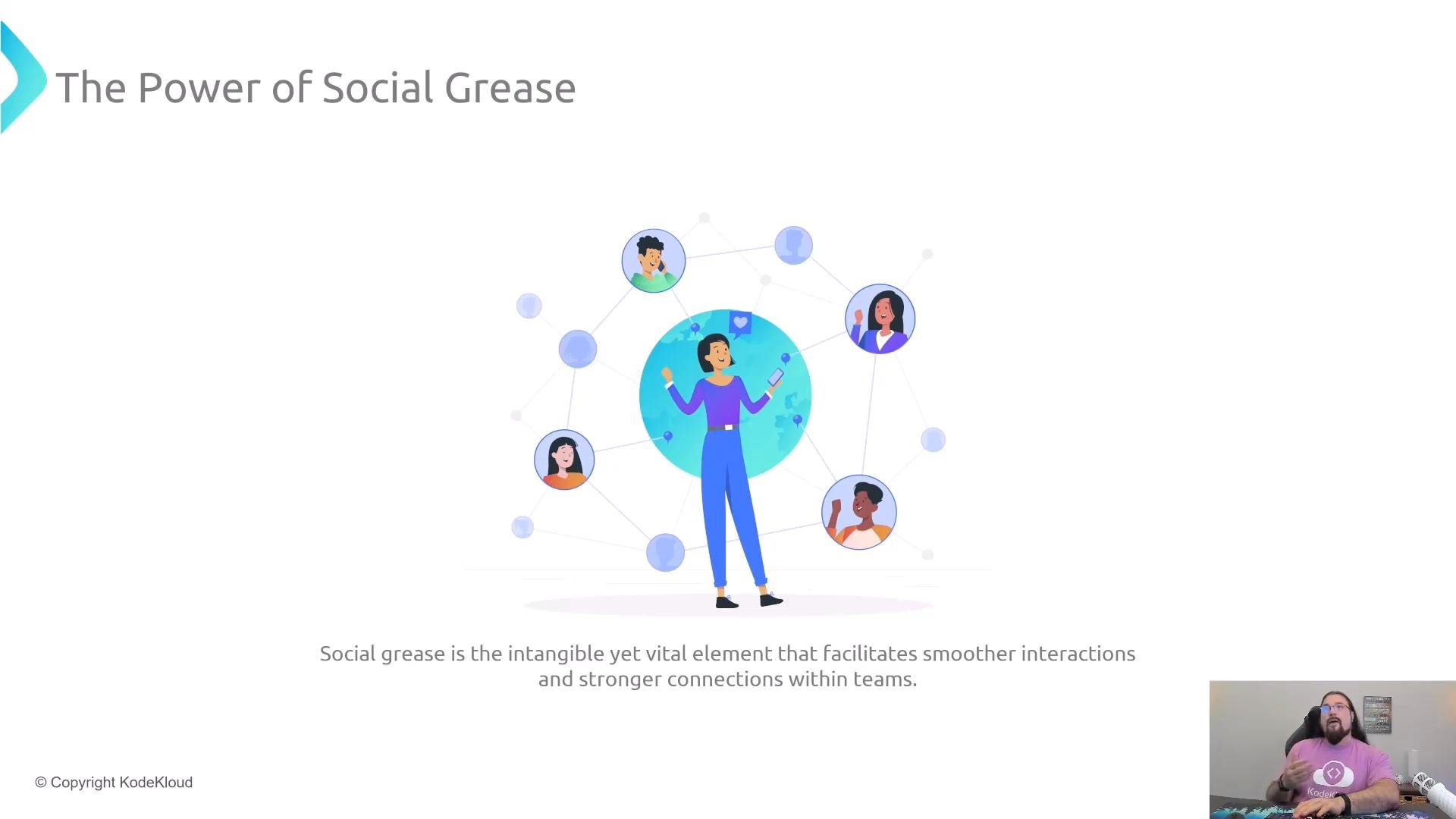
* Social grease is the informal, often invisible social currency accumulated through casual, non-work interactions.
* These moments—smalltalk in hallways, quick Slack jokes, or a coffee break—give context about someone’s background, temperament, and interests. That context reduces friction during future professional interactions and makes collaboration smoother.
Example: you work with someone who seems intense in meetings. After a few casual conversations you learn they box and do MMA on weekends. That detail reframes how you interpret their energy and makes it easier to ask for favors or coordinate under pressure. Over time, those small exchanges create a reservoir of trust that teams draw on during stressful incidents.
What is social grease?
* Social grease is the informal, often invisible social currency accumulated through casual, non-work interactions.
* These moments—smalltalk in hallways, quick Slack jokes, or a coffee break—give context about someone’s background, temperament, and interests. That context reduces friction during future professional interactions and makes collaboration smoother.
Example: you work with someone who seems intense in meetings. After a few casual conversations you learn they box and do MMA on weekends. That detail reframes how you interpret their energy and makes it easier to ask for favors or coordinate under pressure. Over time, those small exchanges create a reservoir of trust that teams draw on during stressful incidents.
 Why informal ties matter
* Speed: People who already know and trust one another communicate faster during incidents or tight deadlines.
* Context: Personal insights reduce misunderstandings and help tailor requests so they’re easier to accept.
* Psychological safety: Casual interactions help normalize vulnerability and increase willingness to ask for help.
The water cooler metaphor
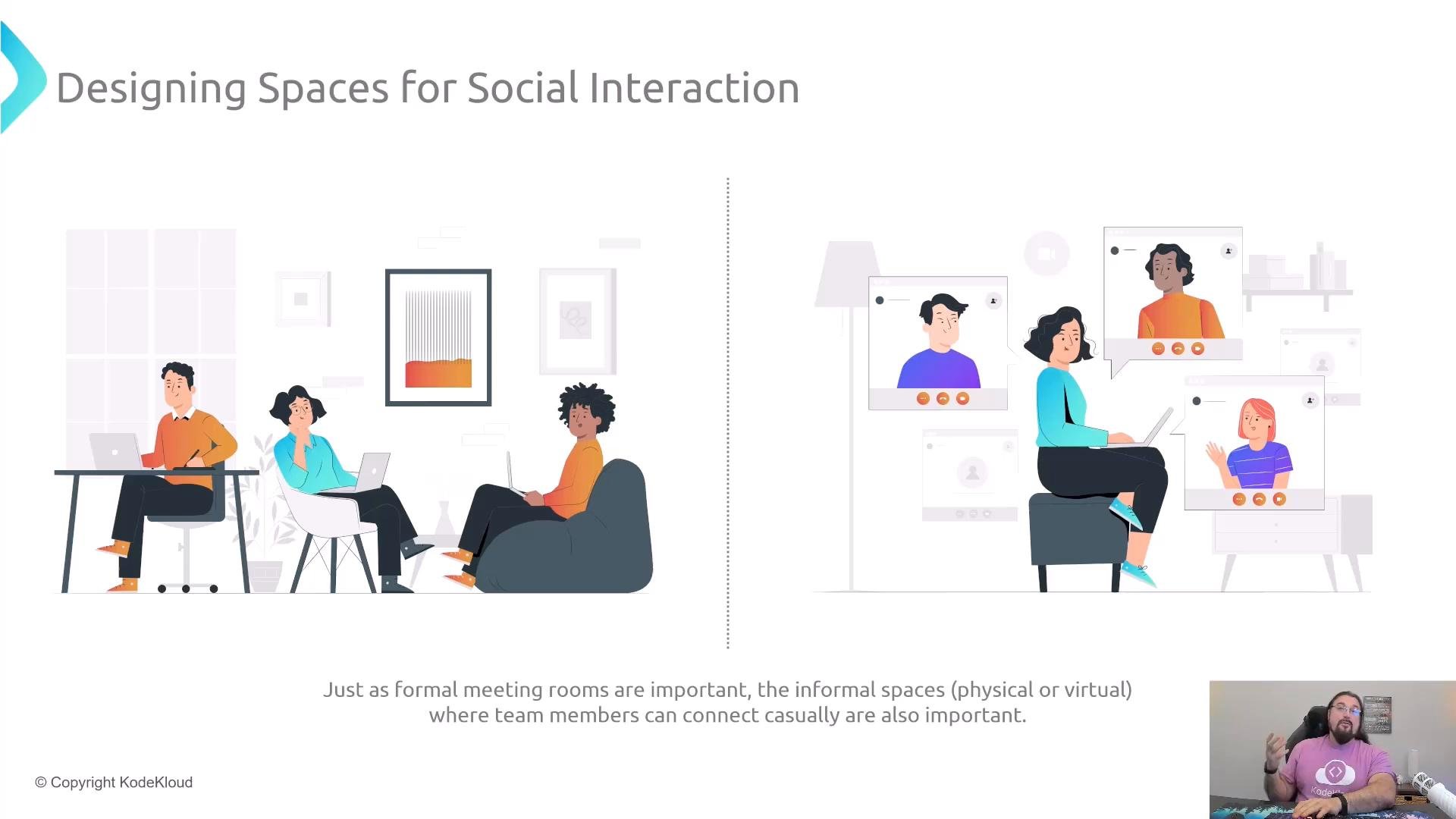
* “Water cooler” refers to any casual gathering spot—physical or virtual—where unstructured conversations happen. Today this could be a coffee station, a Slack channel, or a recurring “no-agenda” video hangout.
* These spaces let teams share early signals you might not hear in formal meetings: a platform upgrade, budget changes, or someone’s migration to a new technology.
Example: overhearing that a dev team upgraded to a newer version of .NET could prompt a compatibility check or spark a migration conversation you’d otherwise miss.
Why informal ties matter
* Speed: People who already know and trust one another communicate faster during incidents or tight deadlines.
* Context: Personal insights reduce misunderstandings and help tailor requests so they’re easier to accept.
* Psychological safety: Casual interactions help normalize vulnerability and increase willingness to ask for help.
The water cooler metaphor
* “Water cooler” refers to any casual gathering spot—physical or virtual—where unstructured conversations happen. Today this could be a coffee station, a Slack channel, or a recurring “no-agenda” video hangout.
* These spaces let teams share early signals you might not hear in formal meetings: a platform upgrade, budget changes, or someone’s migration to a new technology.
Example: overhearing that a dev team upgraded to a newer version of .NET could prompt a compatibility check or spark a migration conversation you’d otherwise miss.
 How to build social grease — practical habits
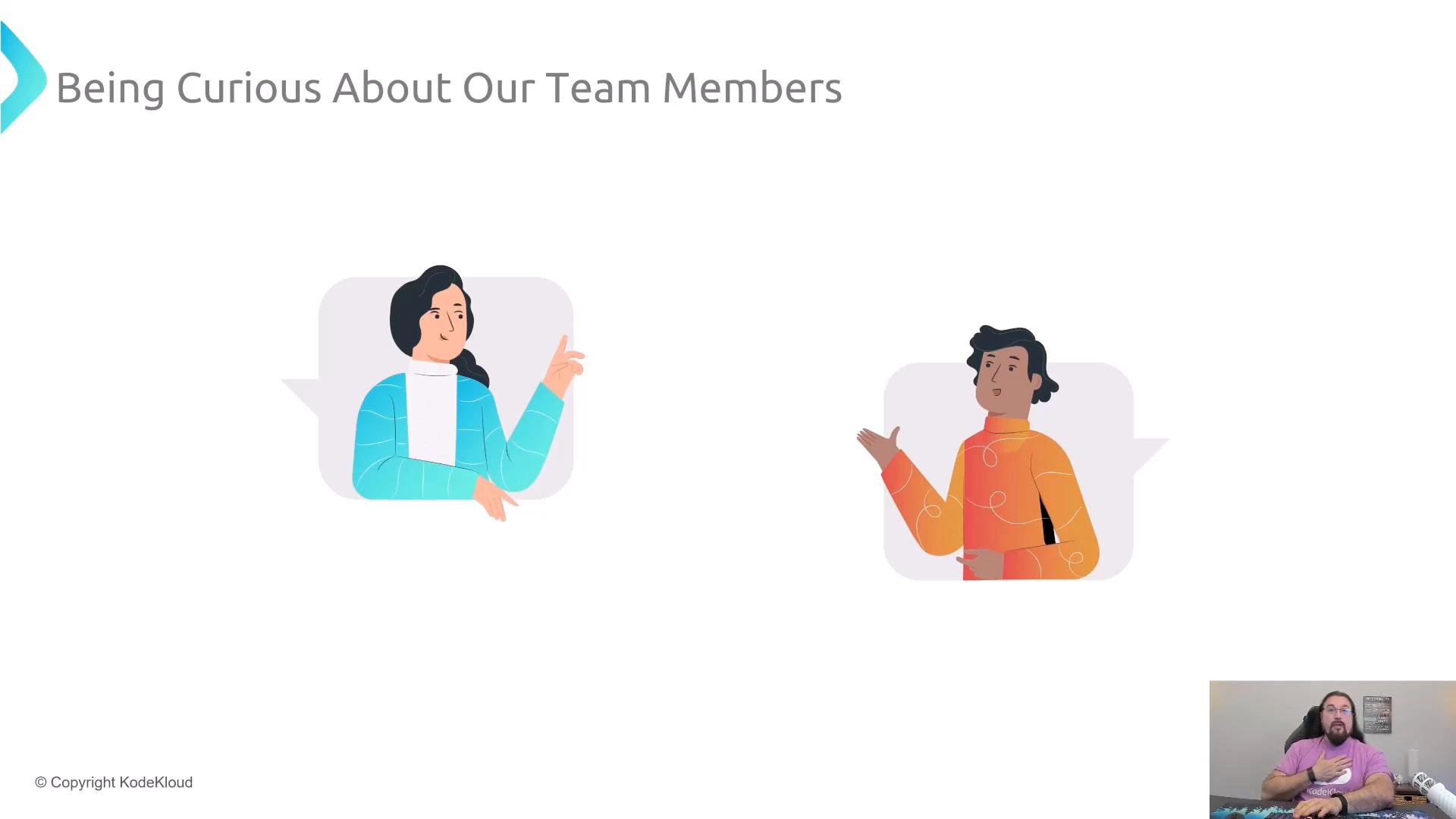
* Be curious: Ask about weekends, hobbies, or projects outside work. Small, genuine questions build rapport faster than long forced conversations.
* Surface-level is OK: You don’t need deep friendship to gain social grease—regular short interactions are enough.
* Facilitate visibility: Spotlight teammates during all-hands, rotate “show-and-tell” demos, or run lightning talks so people learn about each other’s skills and interests.
How to build social grease — practical habits
* Be curious: Ask about weekends, hobbies, or projects outside work. Small, genuine questions build rapport faster than long forced conversations.
* Surface-level is OK: You don’t need deep friendship to gain social grease—regular short interactions are enough.
* Facilitate visibility: Spotlight teammates during all-hands, rotate “show-and-tell” demos, or run lightning talks so people learn about each other’s skills and interests.
 Callout with remote-friendly tips:
Remote teams: create a dedicated, low-pressure channel (e.g., `#watercooler`) for shareable non-critical items, schedule optional virtual coffee chats, and run short “get-to-know” segments during team meetings. Consistency beats volume—regular 10–15 minute informal windows work well.
Quick reference table — actions and outcomes
| Action | Benefit | Example |
| - | - | - |
| Ask about weekend plans or hobbies | Builds rapport and empathy | “What did you do this weekend?” |
| Create an informal Slack channel | Low-friction place for casual sharing | `#watercooler` for articles, jokes, photos |
| Rotate team member spotlights | Increases visibility and cross-team awareness | 5-minute demo in all-hands |
| Schedule virtual coffee chats | Replaces hallway conversations for remote teams | 15-minute optional meetups each week |
Why this matters for DevOps
* DevOps and incident response are high-pressure, collaborative activities. Social grease reduces coordination overhead when you’re troubleshooting or firefighting.
* Knowing how teammates think and what calms them can accelerate decisions and improve resilience during outages.
* Teams with pre-existing informal connections are more likely to collaborate and share knowledge proactively.
Callout with remote-friendly tips:
Remote teams: create a dedicated, low-pressure channel (e.g., `#watercooler`) for shareable non-critical items, schedule optional virtual coffee chats, and run short “get-to-know” segments during team meetings. Consistency beats volume—regular 10–15 minute informal windows work well.
Quick reference table — actions and outcomes
| Action | Benefit | Example |
| - | - | - |
| Ask about weekend plans or hobbies | Builds rapport and empathy | “What did you do this weekend?” |
| Create an informal Slack channel | Low-friction place for casual sharing | `#watercooler` for articles, jokes, photos |
| Rotate team member spotlights | Increases visibility and cross-team awareness | 5-minute demo in all-hands |
| Schedule virtual coffee chats | Replaces hallway conversations for remote teams | 15-minute optional meetups each week |
Why this matters for DevOps
* DevOps and incident response are high-pressure, collaborative activities. Social grease reduces coordination overhead when you’re troubleshooting or firefighting.
* Knowing how teammates think and what calms them can accelerate decisions and improve resilience during outages.
* Teams with pre-existing informal connections are more likely to collaborate and share knowledge proactively.
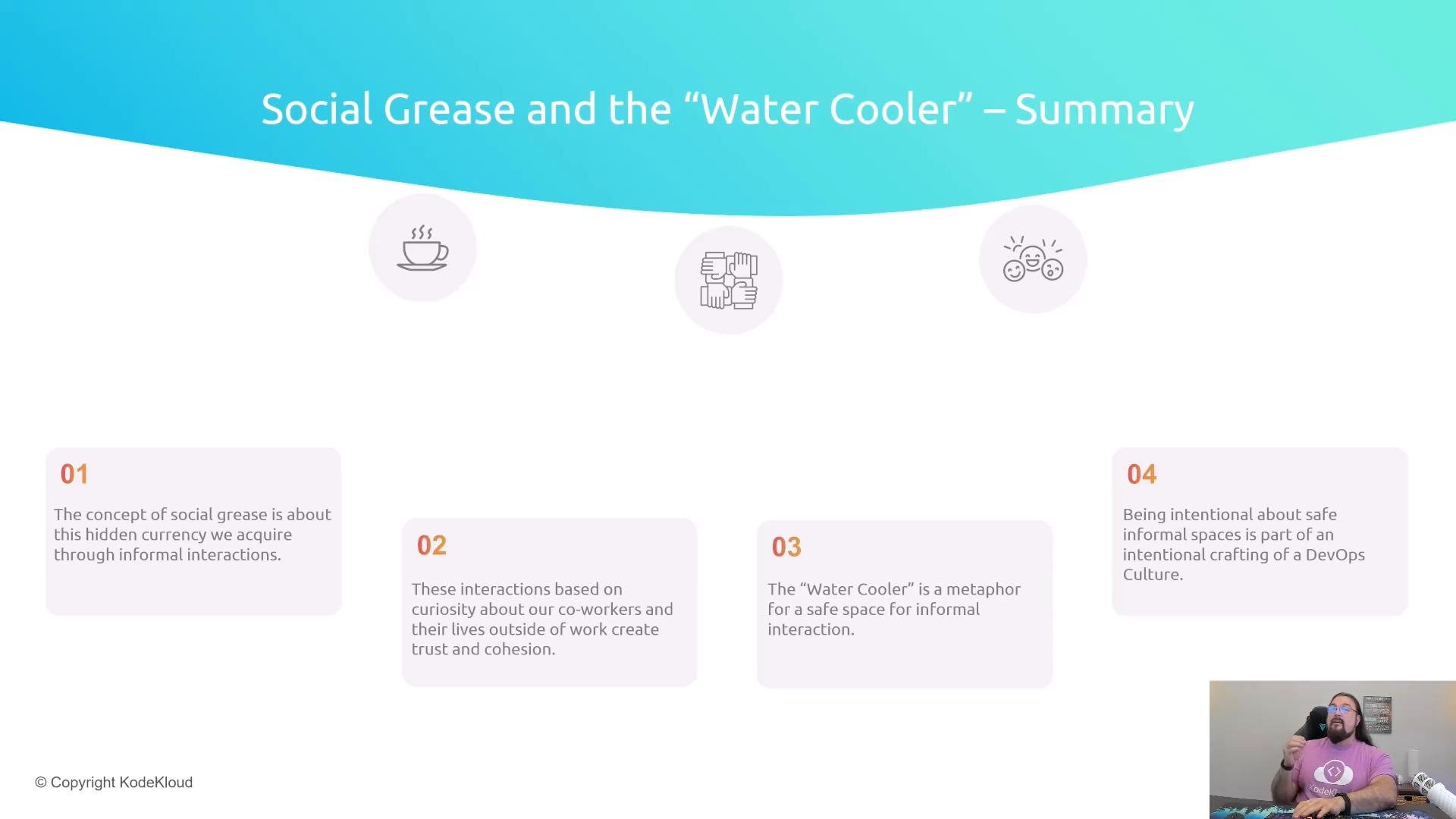 Summary
* Social grease is the informal trust and goodwill built through casual interactions.
* The water cooler is a metaphor for informal spaces—physical or virtual—where those interactions happen.
* Small acts of curiosity and intentional spaces for casual conversation build rapport, speed collaboration, and improve responses under stress.
* Leaders who encourage low-pressure social spaces strengthen team cohesion and problem-solving ability.
Questions to reflect on
* Where is your safe space at work—digital or physical?
* What small steps can you take this week to add a little more social grease to your team?
I’m Michael Forrester.
This documentation is built and hosted on [Mintlify](https://mintlify.com), a developer documentation platform.
Summary
* Social grease is the informal trust and goodwill built through casual interactions.
* The water cooler is a metaphor for informal spaces—physical or virtual—where those interactions happen.
* Small acts of curiosity and intentional spaces for casual conversation build rapport, speed collaboration, and improve responses under stress.
* Leaders who encourage low-pressure social spaces strengthen team cohesion and problem-solving ability.
Questions to reflect on
* Where is your safe space at work—digital or physical?
* What small steps can you take this week to add a little more social grease to your team?
I’m Michael Forrester.
This documentation is built and hosted on [Mintlify](https://mintlify.com), a developer documentation platform.