> ## Documentation Index
> Fetch the complete documentation index at: https://notes.kodekloud.com/llms.txt
> Use this file to discover all available pages before exploring further.
# Security Kubernetes Security Primitives
> This article explores foundational security measures essential for running production-grade applications on Kubernetes.
Hello, and welcome to this lesson on Kubernetes security primitives. In this article, we explore the foundational security measures required for running production-grade applications on Kubernetes. Understanding these security components is essential for maintaining a robust and secure cluster.
## Securing the Underlying Hosts
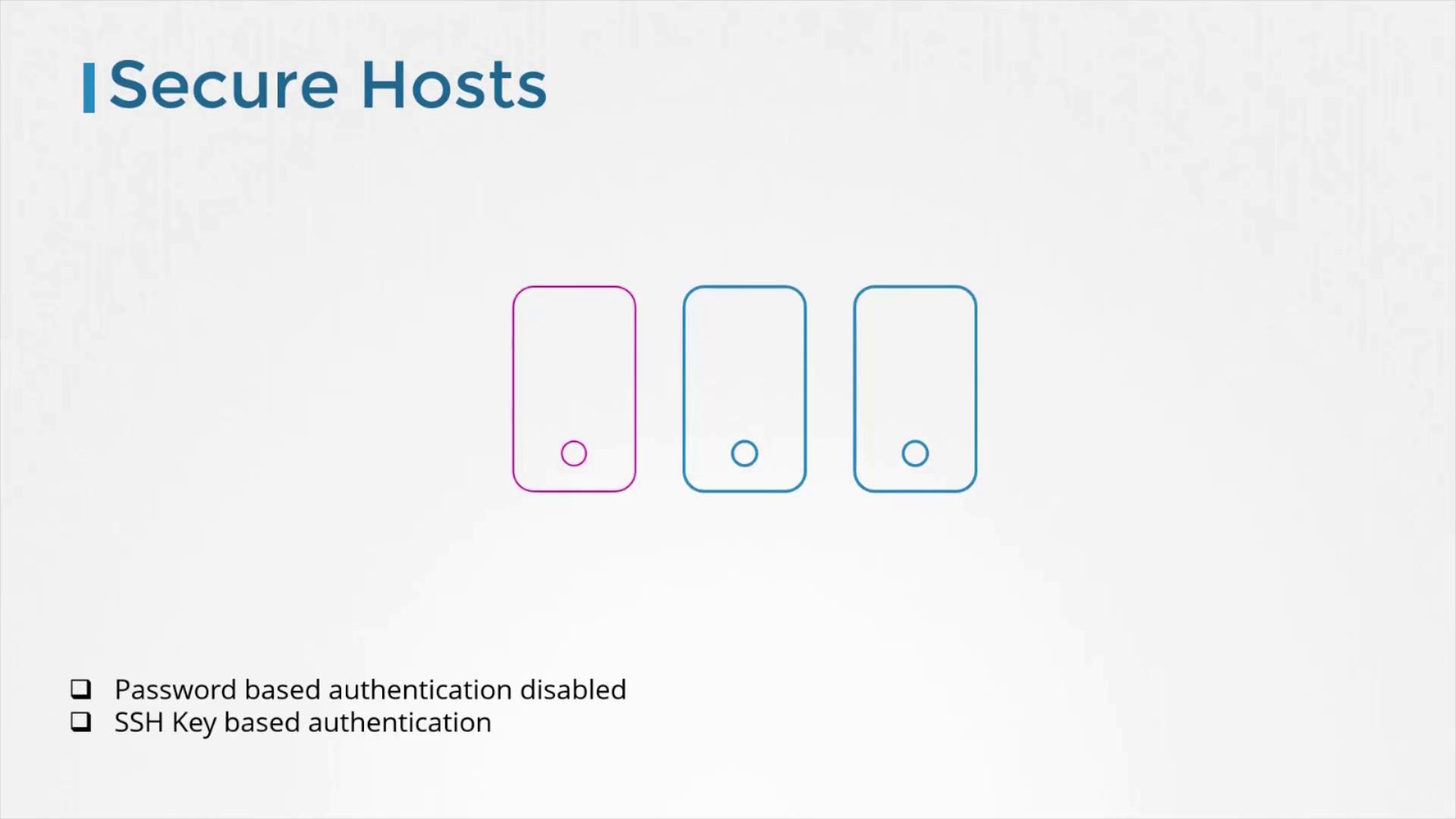
Before diving into Kubernetes-specific features, it is vital to secure the physical or virtual hosts that form the cluster. Ensure all host access is protected by:
* Disabling root access
* Disabling password-based authentication
* Enforcing SSH key-based authentication
* Implementing other critical security measures
A compromise at this level can jeopardize the entire infrastructure.
## Kubernetes-Specific Security Measures
Focusing specifically on Kubernetes, the core component is the kube-apiserver. This component is the central point of contact for operations, whether accessed via the kubectl utility or directly through its API. Its security is paramount, so consider these key questions:
* Who can access the cluster?
* What actions can they perform once access is granted?
### Authentication
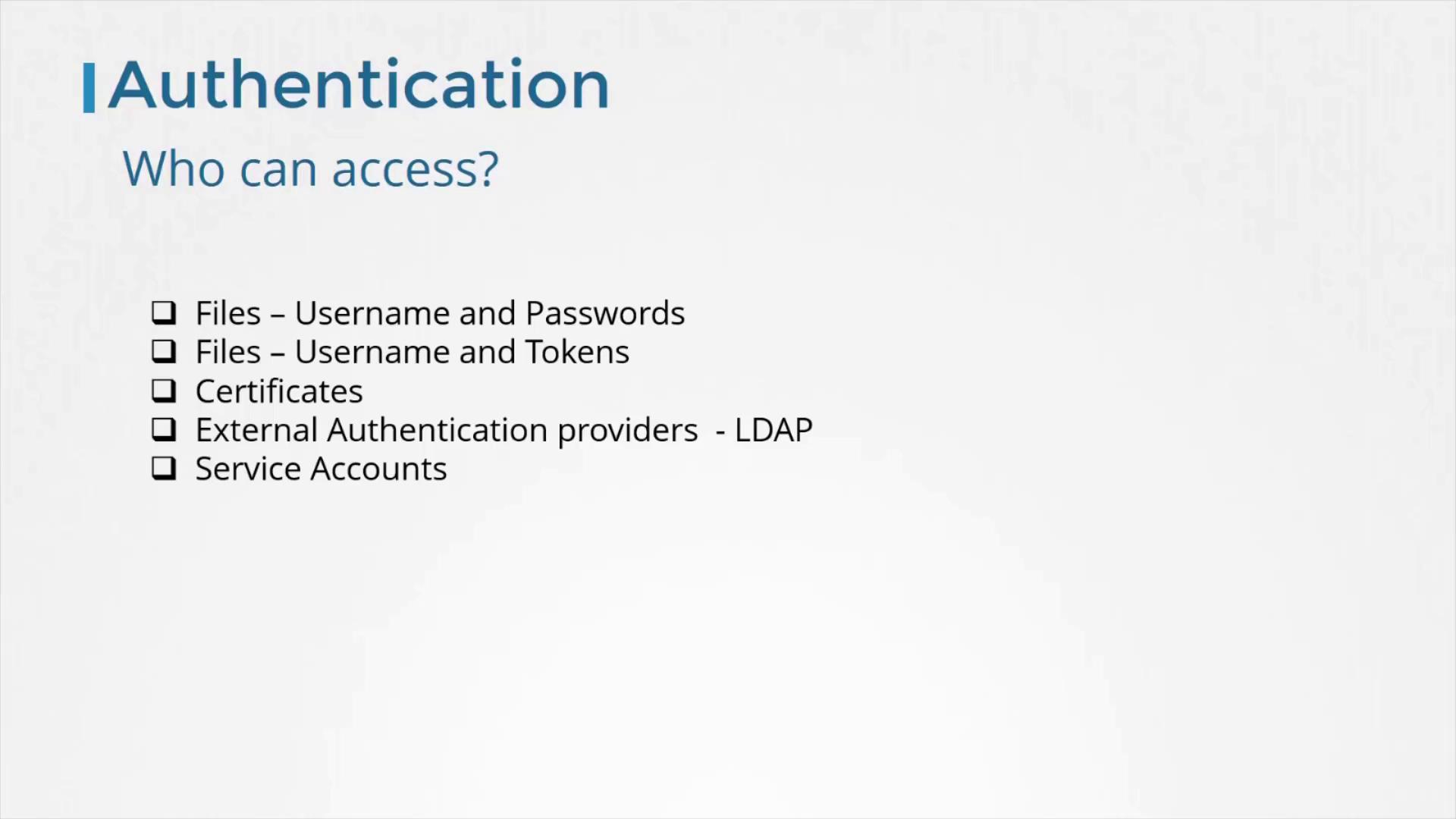
Access to the API server is managed through robust authentication mechanisms. Methods include:
* Static files with user IDs and passwords
* Tokens and certificates
* External authentication providers (e.g., LDAP)
* Machine-to-machine interactions managed through service accounts
### Authorization
Once authenticated, the system determines valid actions through authorization. Kubernetes primarily uses Role-Based Access Control (RBAC), where permissions are assigned based on roles or group memberships. Additional methods include Attribute-Based Access Control (ABAC) and webhooks for extended flexibility.
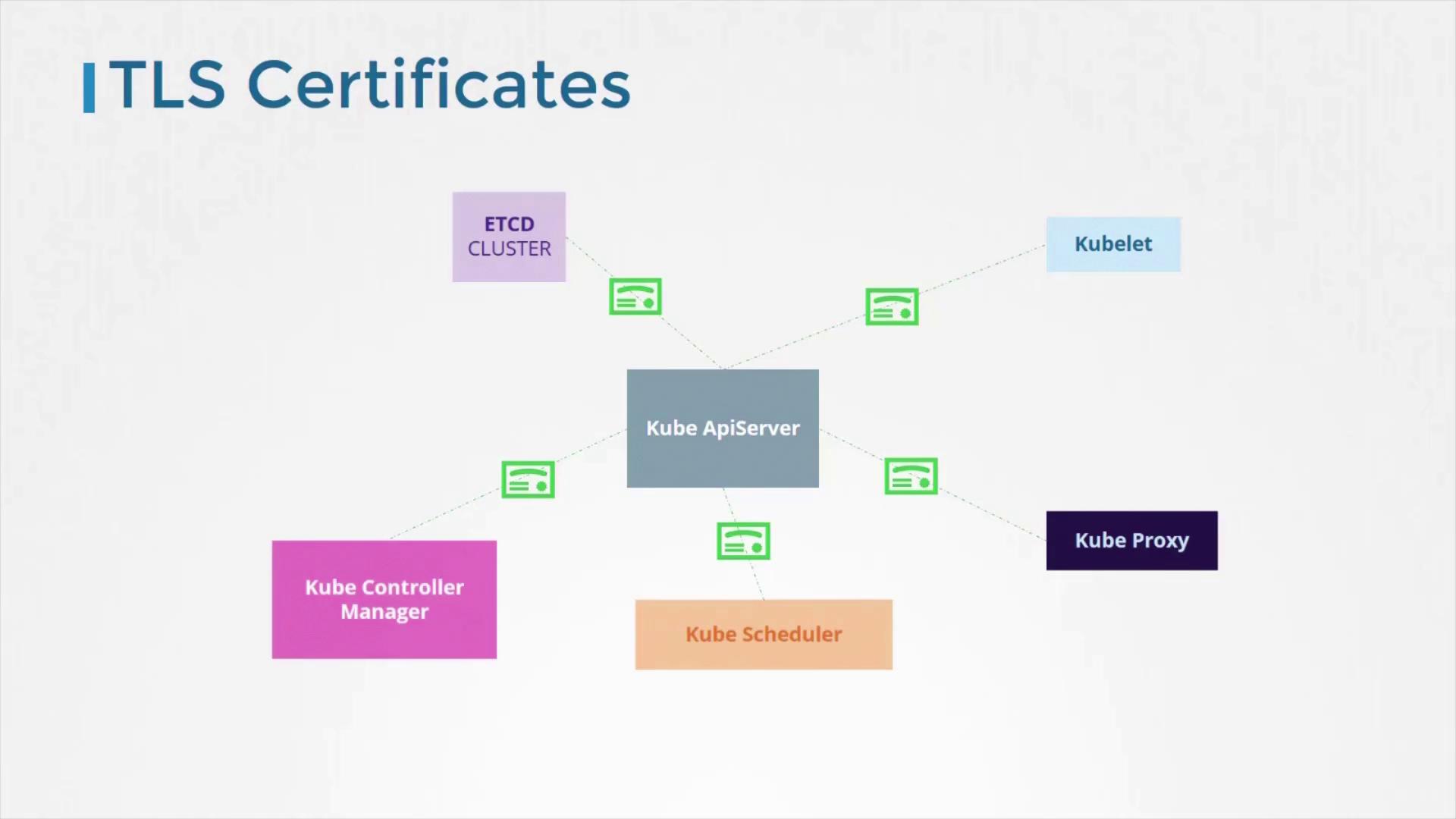
All communications between essential cluster components—such as the etcd cluster, kube-controller-manager, scheduler, API server, and nodes (kubelet and kube-proxy)—are secured with TLS encryption. This ensures that every interaction within the cluster remains confidential and tamper-proof.
## TLS Encryption
An entire section of Kubernetes documentation is dedicated to configuring TLS certificates. These certificates secure intra-cluster communication, safeguarding sensitive data exchanged between:
* Kube ApiServer
* ETCD Cluster
* Kubelet
* Additional components
## Network Policies
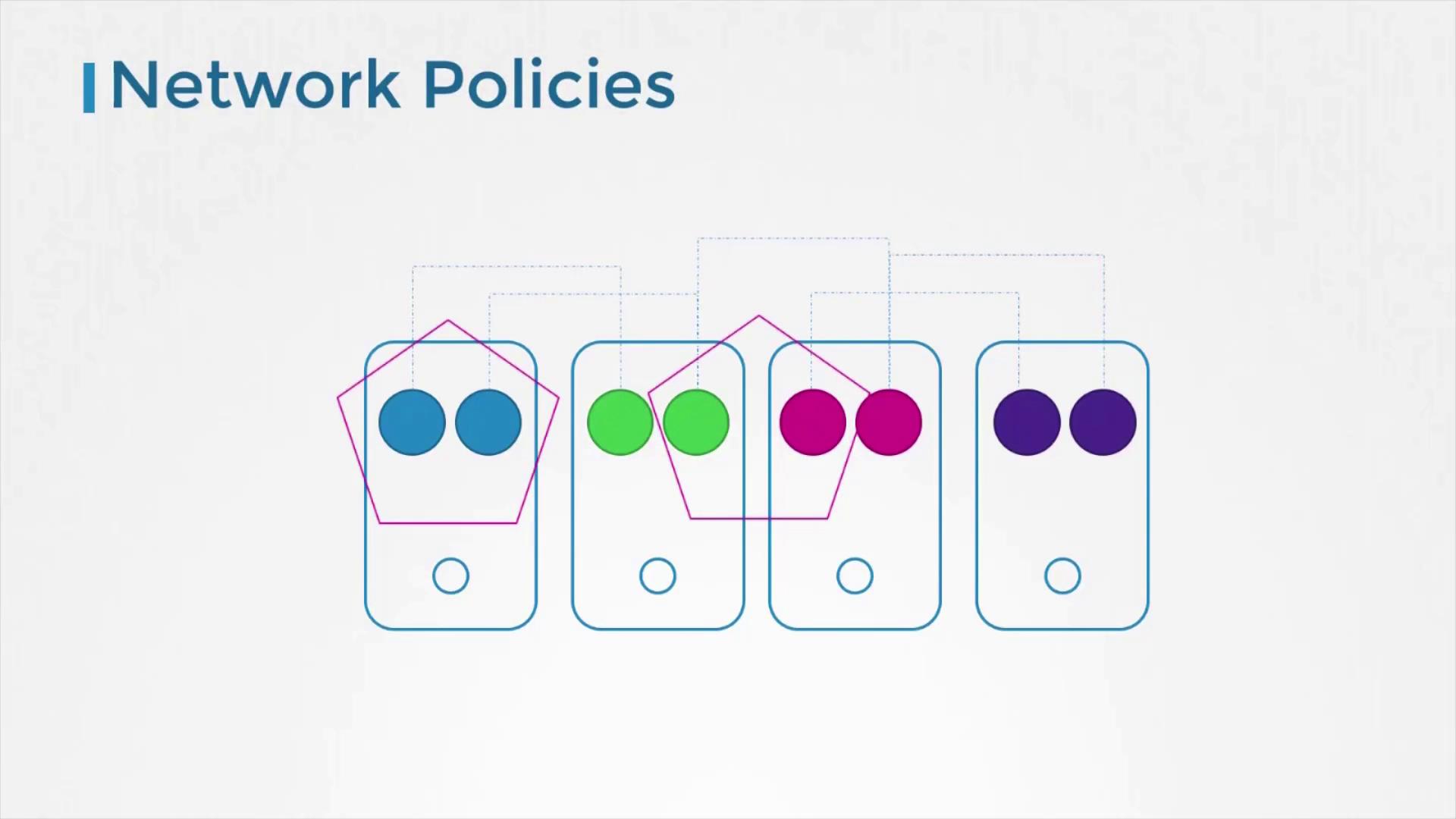
By default, pods within the cluster can communicate freely. However, to tighten security, you can implement network policies, which restrict communication between pods and enhance overall cluster security.
***
This high-level overview has introduced the key security primitives in Kubernetes. In the upcoming sections, we will explore each component in greater depth to help you build a secure and resilient Kubernetes cluster.
For additional insights, consider exploring the following resources:
* [Kubernetes Documentation](https://kubernetes.io/docs/)
* [Kubernetes Basics](https://kubernetes.io/docs/concepts/overview/what-is-kubernetes/)
* [Docker Hub](https://hub.docker.com/)
* [Terraform Registry](https://registry.terraform.io/)