> ## Documentation Index
> Fetch the complete documentation index at: https://notes.kodekloud.com/llms.txt
> Use this file to discover all available pages before exploring further.
# Open source Participation and Contribution
> This article discusses how to participate and contribute to open source projects through various roles beyond coding.
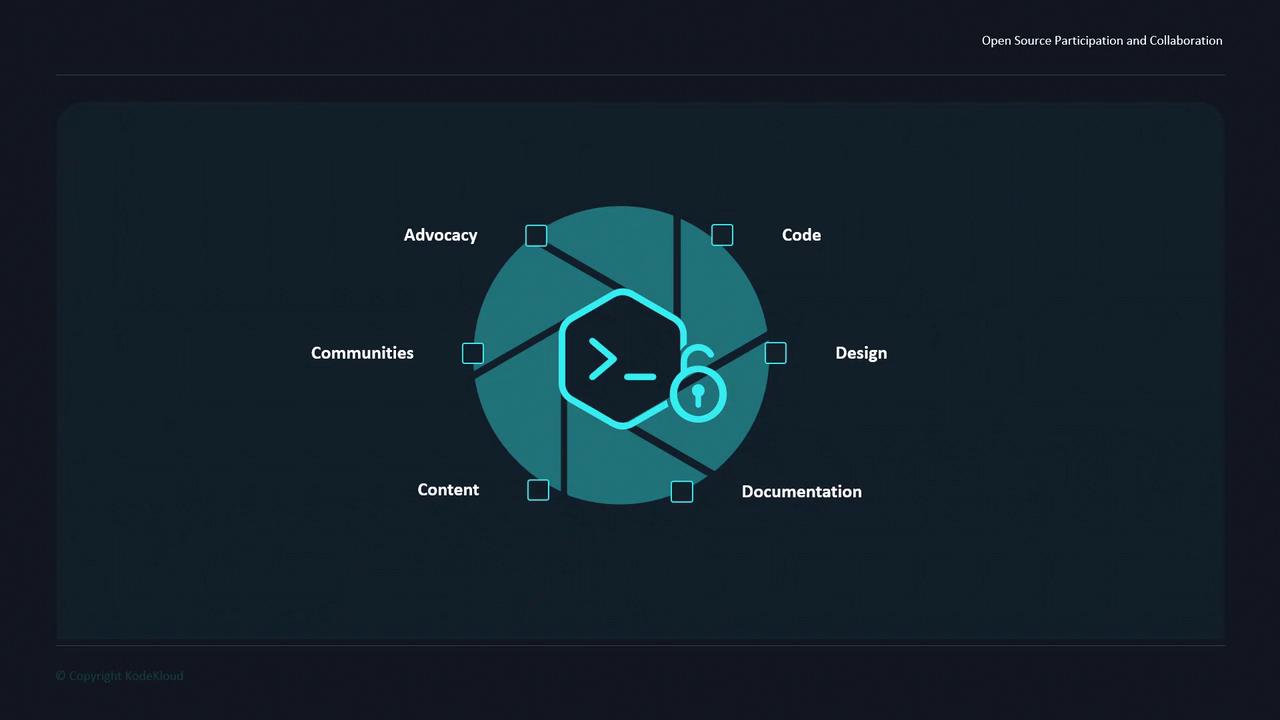
Contributing to open source projects goes beyond writing code. You can make an impact through design, documentation, content creation, community management, and advocacy.
## Understanding the Ecosystem
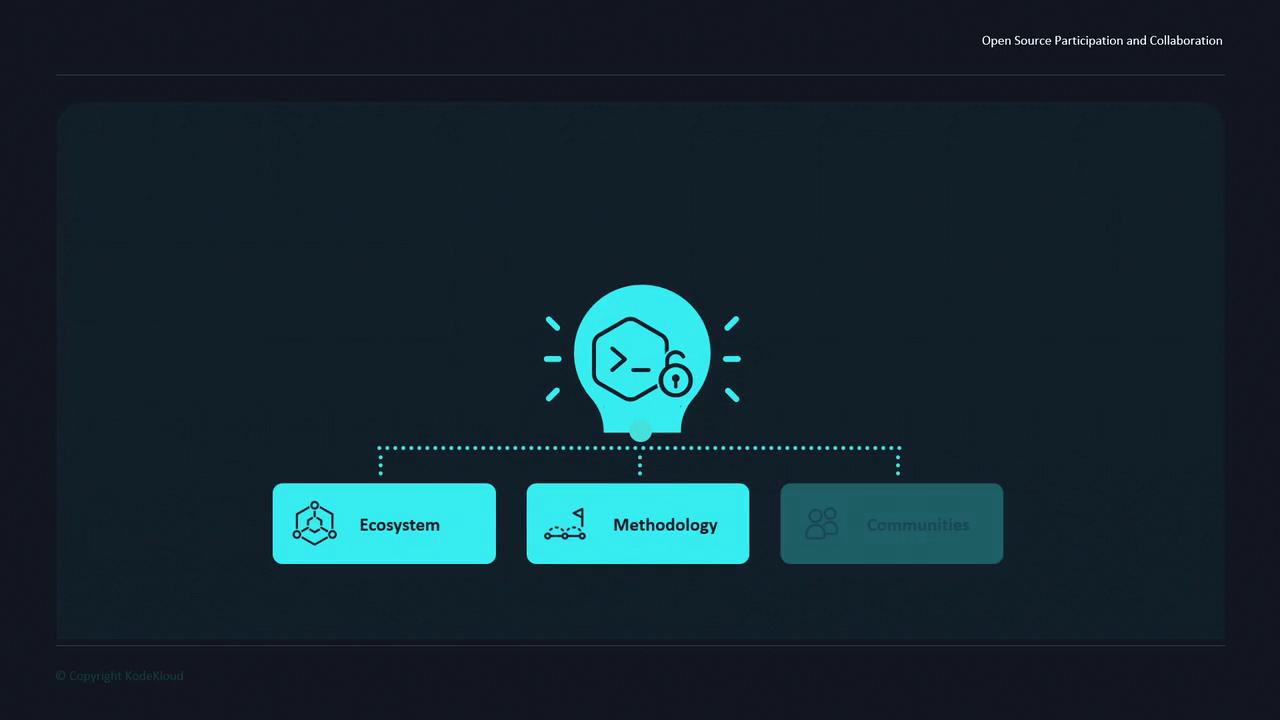
Before diving in, familiarize yourself with the project’s ecosystem, methodology, and communities. These three pillars shape how decisions are made and how you can participate effectively.
## Getting Connected
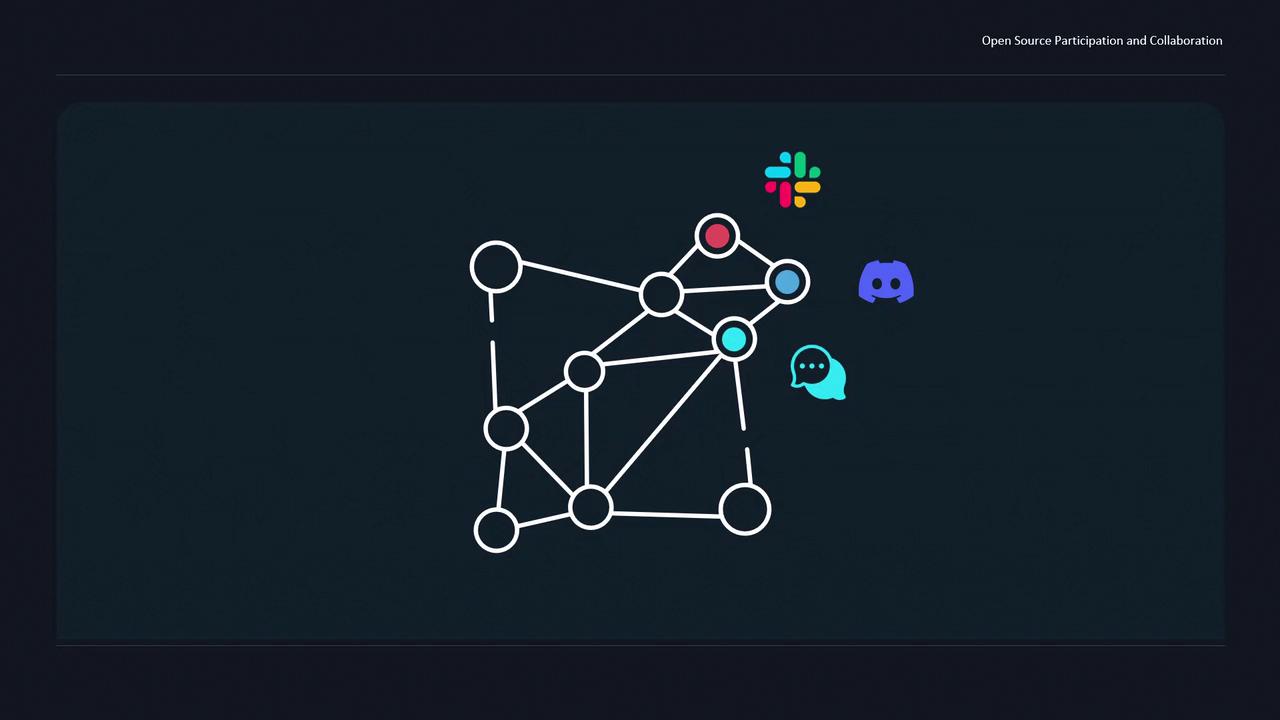
Identify and join the channels where the community interacts:
* Chat platforms: [Slack](https://slack.com/) or [Discord](https://discord.com/)
* In-repo discussions: Issues, Pull Requests, Discussions
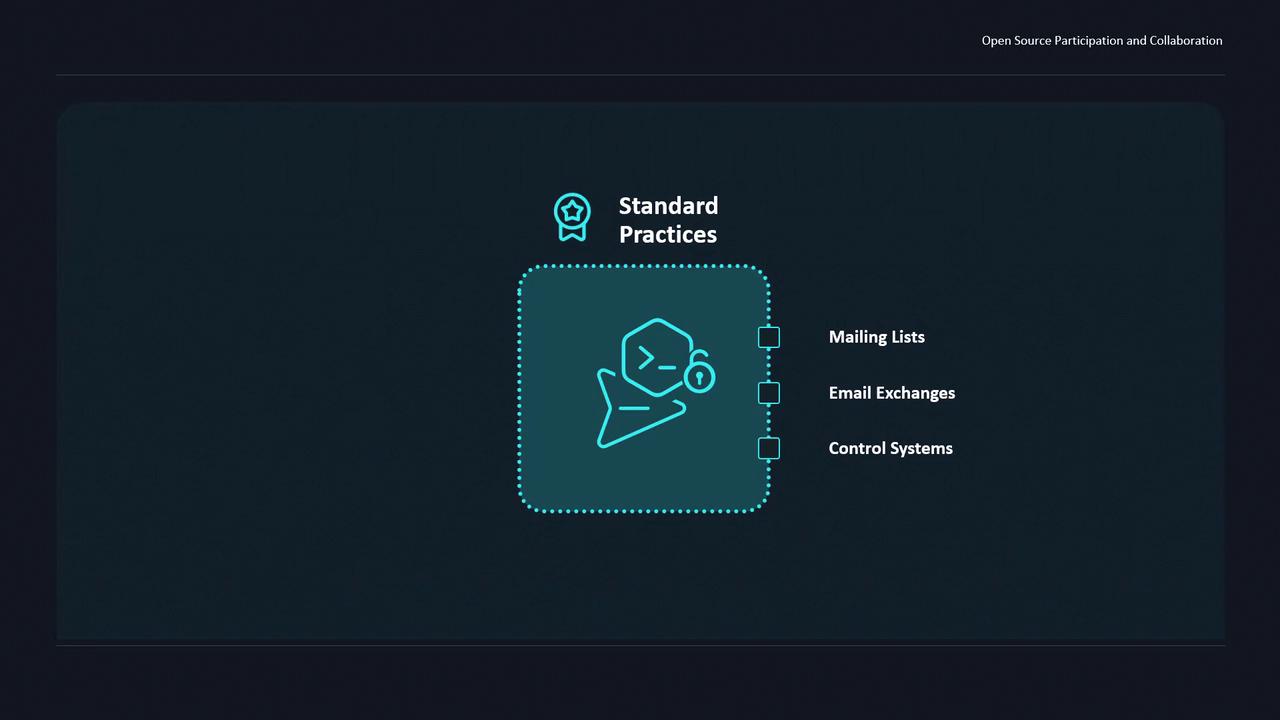
* Mailing lists and forums on [GitHub](https://github.com/) or [GitLab](https://gitlab.com/)
Once you’ve joined, clone the repository locally, build the project, and explore its structure. Don’t hesitate to ask on the appropriate channel if you hit a roadblock.
## Choosing Where to Contribute
Your unique skills add the most value when aligned with project needs. Common contribution areas include:
* Code and bug fixes
* API development and integration
* Technical documentation and tutorials
* UI/UX and graphic design
* Blog posts, videos, and social media content
* Community moderation and event organization
Refer to the project’s CONTRIBUTING.md for guidelines on branching, commit messages, and review policies.
Always review the project’s license and any Contributor License Agreement (CLA) before submitting changes.
## Governance and Best Practices
Understanding how a project is governed will help you navigate decision-making processes and community norms. Check for:
* Code of Conduct
* Governance model (e.g., BDFL, meritocracy, committees)
* Release schedules and branching strategy
## Tips for Effective Collaboration
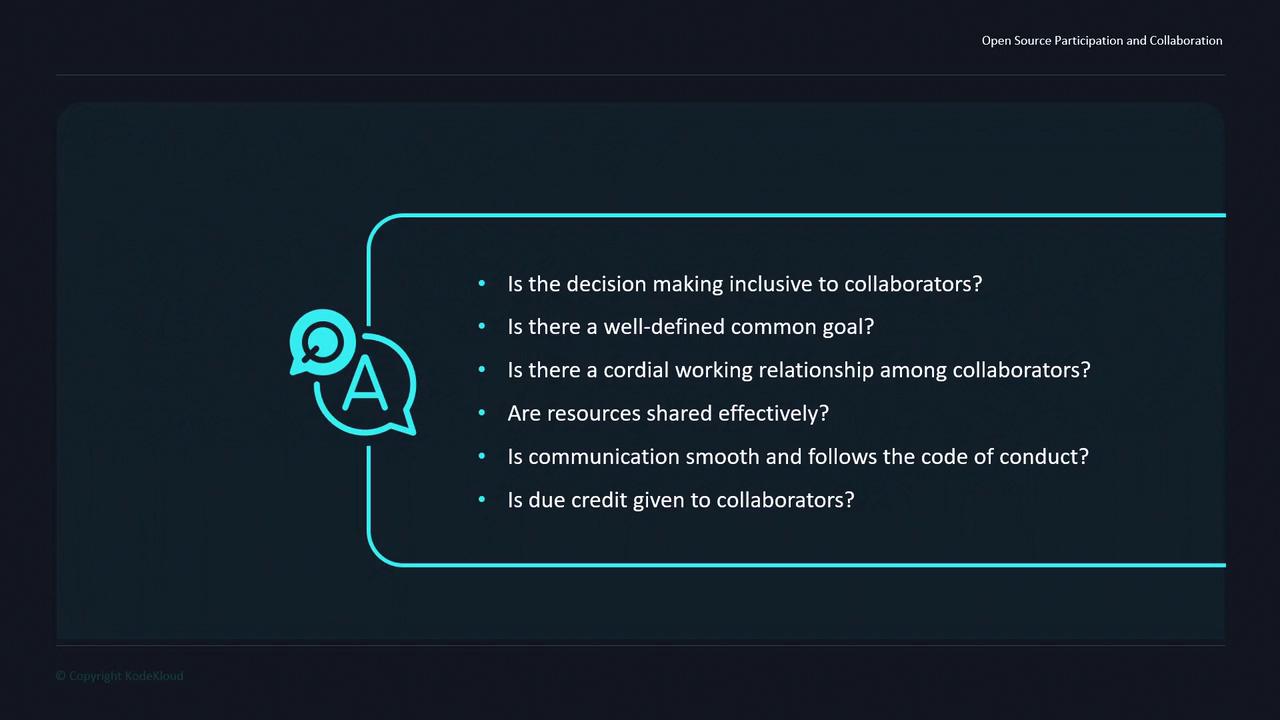
Good collaboration accelerates progress and fosters inclusivity. Ask yourself:
* Are decisions inclusive of all contributors?
* Is there a clear, shared goal?
* Do team interactions stay respectful and productive?
* Are resources and updates shared promptly?
* Does communication follow the Code of Conduct?
* Is credit given to those who contributed?
## Contribution Types at a Glance
| Contribution Type | Description | Example |
| -------------------- | ----------------------------------------------- | ----------------------------------------- |
| Code | Implement features or fix bugs | `git checkout -b fix-typo && git commit` |
| Documentation | Write guides, tutorials, or update README | “How to install” tutorial in Markdown |
| Design & UX | Create graphics, mockups, or improve layouts | Redesign the project logo or web UI |
| Advocacy & Outreach | Promote the project through blog posts or talks | Present at a local meetup or write a blog |
| Community Management | Moderate forums or organize events | Host a bug-squash session on Discord |
| Content Creation | Produce videos, webinars, or social media posts | YouTube tutorial series |
## Further Resources
* [Kubernetes Documentation](https://kubernetes.io/docs/)
* [Docker Hub](https://hub.docker.com/)
* [Terraform Registry](https://registry.terraform.io/)
* [Contributor Covenant Code of Conduct](https://www.contributor-covenant.org/)