

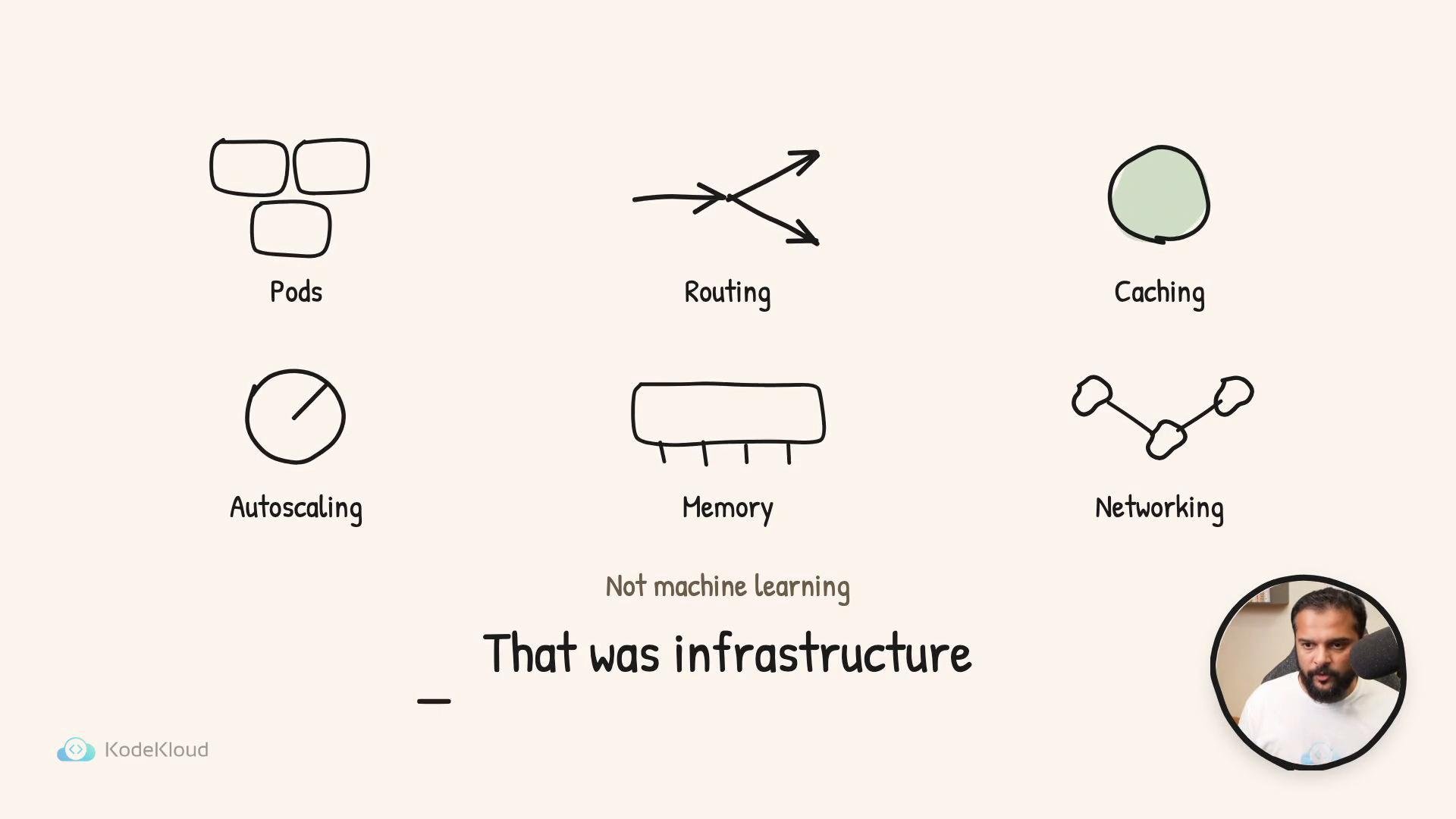
- Keep GPUs efficiently utilized
- Minimize inference latency
- Control costs at scale Those responsibilities map closely to traditional platform and operations roles.
- Preserve your operations foundation (Linux, containers, orchestration).
- Add hardware and model-serving knowledge: GPUs, model servers like vLLM, and orchestration tools such as llm-d.
- Learn cost and performance trade-offs for serving models at scale (batching, quantization, autoscaling policies, resource requests/limits).
Focus your learning on three pillars: foundational platform skills, hardware and model-serving concepts, and orchestration at scale. Start with Linux, containers, and Kubernetes, then study GPUs, model servers (for example
vLLM), and orchestration tools (for example llm-d) to operate AI systems reliably and cost-effectively.
Actionable next steps
- Strengthen fundamentals: re-visit Linux, container, and Kubernetes labs for hands-on practice.
- Study GPUs: learn memory hierarchy, batching, and multi-GPU strategies.
- Deploy a model server: experiment with a lightweight model and a server such as
vLLMto measure latency and throughput. - Practice orchestration: try deploying model servers with
llm-d(or similar) and configure autoscaling and resource limits. - Monitor and optimize: add metrics, set alerts, and iterate to reduce cost and latency.
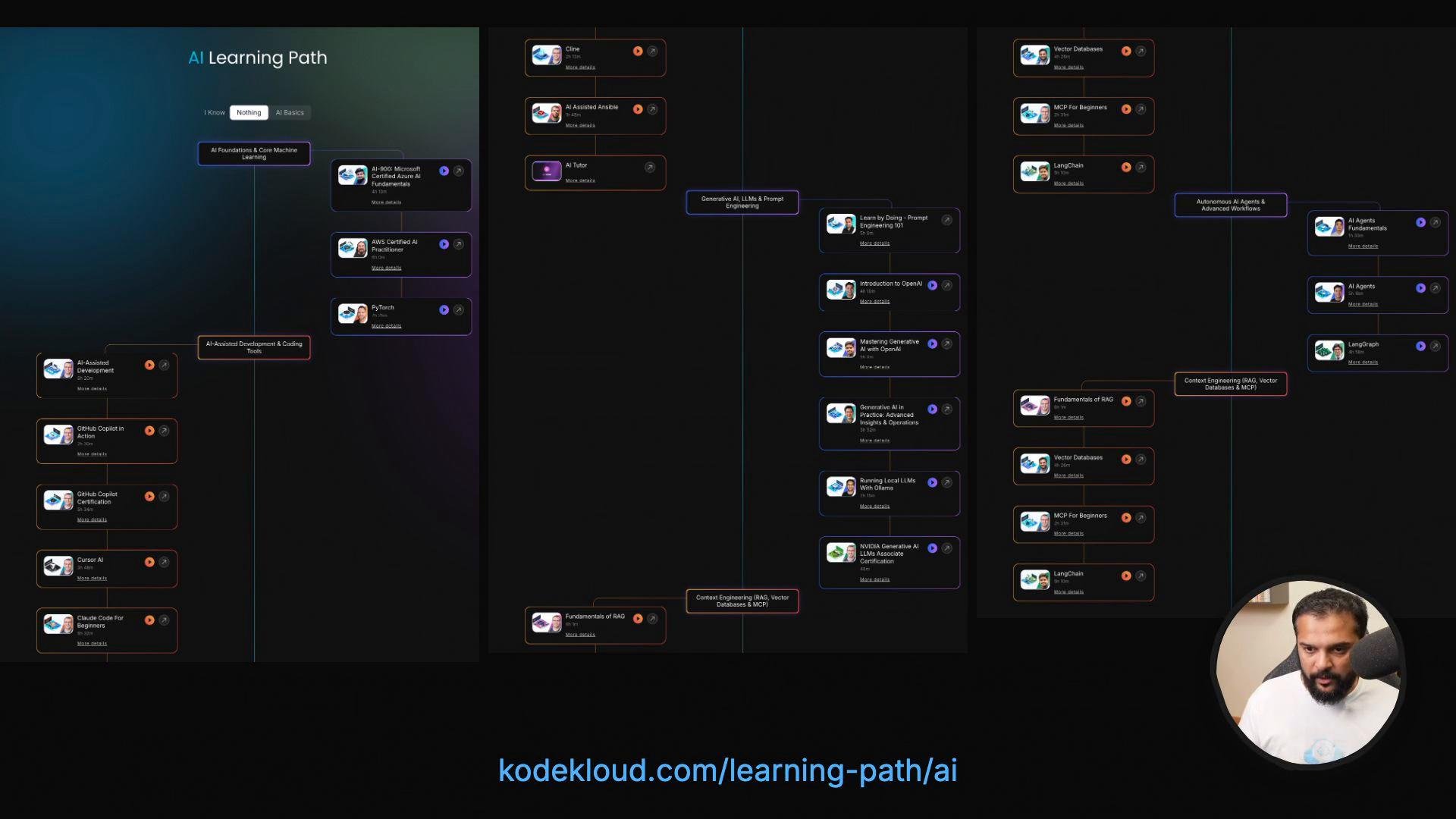
- KodeKloud AI learning path: https://kodekloud.com/learning-path/ai
- Linux basics course: https://learn.kodekloud.com/user/courses/learning-linux-basics-course-labs
- Docker training course: https://learn.kodekloud.com/user/courses/docker-training-course-for-the-absolute-beginner
- Kubernetes fundamentals: https://learn.kodekloud.com/user/courses/kubernetes-for-the-absolute-beginners-hands-on-tutorial
- Monitoring and observability: https://learn.kodekloud.com/user/courses/aiops-foundations-intelligent-monitoring-with-prometheus-grafana