

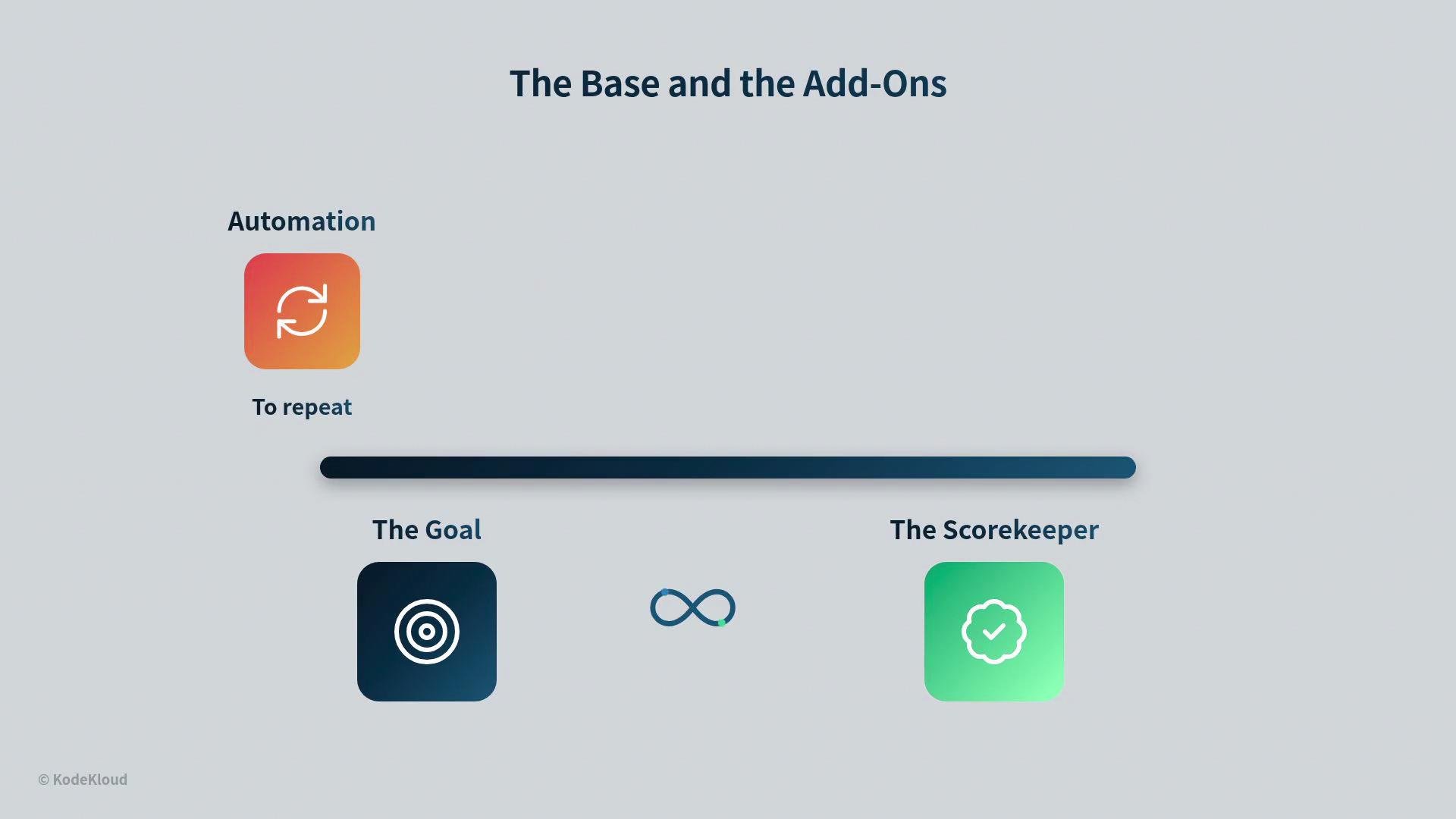
- A clear goal — a precise statement of what “done” looks like.
- A scorekeeper — an objective measurement that proves whether the work improved or regressed.
Step 1 — Read memory
The loop first reads its memory: the current goal, the most recent score, what was already tried, and the next planned step. This allows the loop to resume quickly and avoid repeating work or making contradictory changes.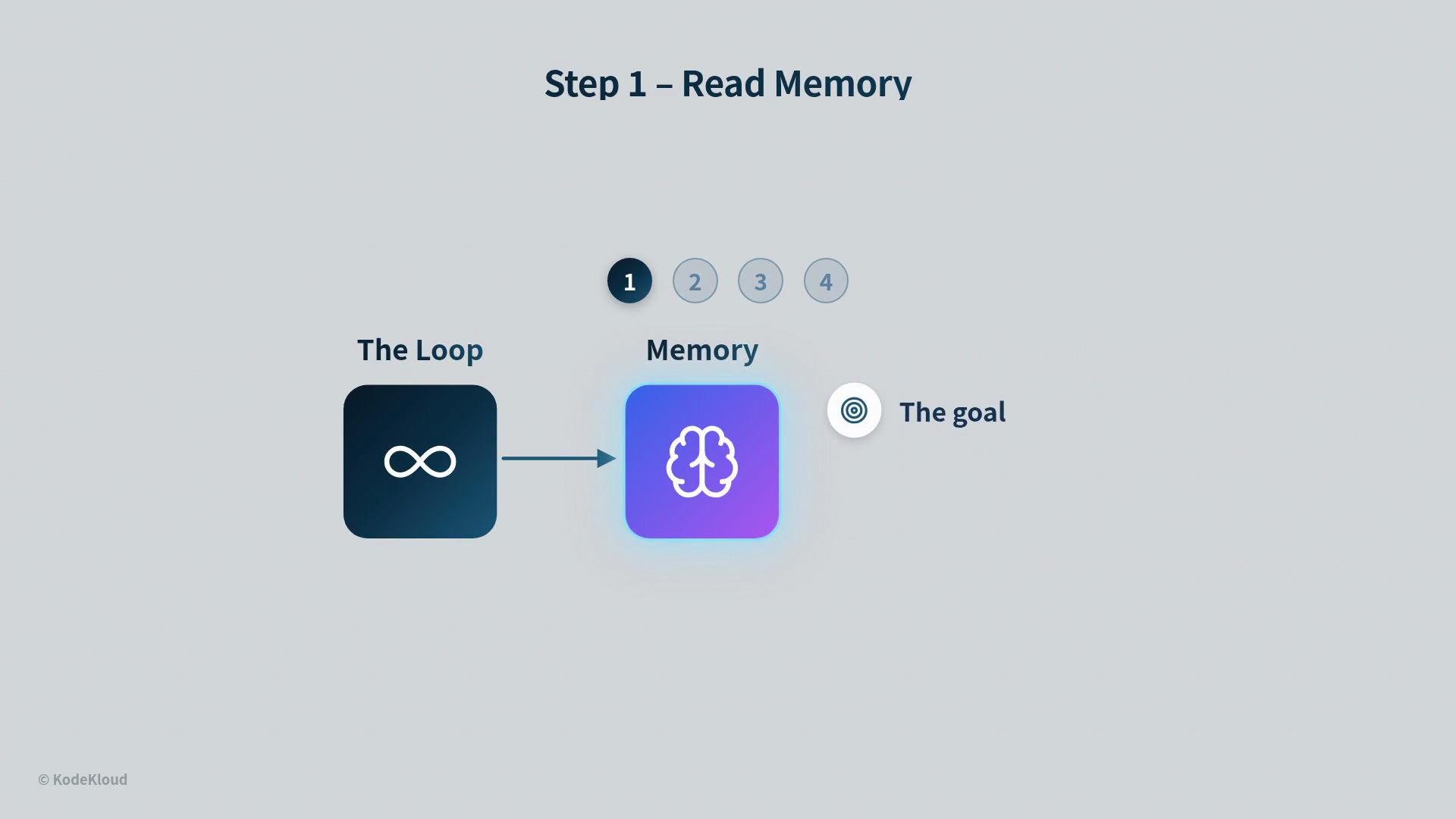
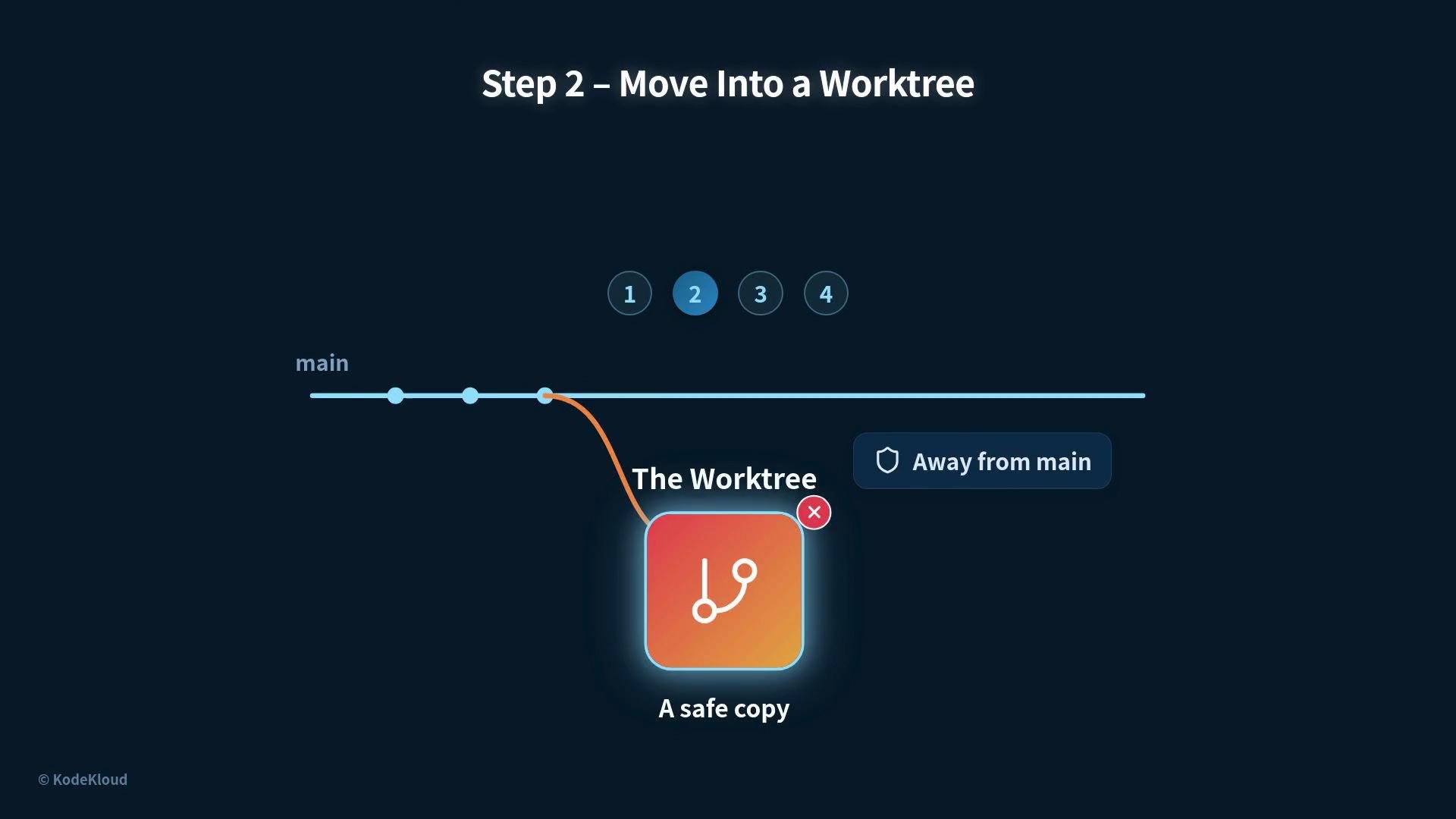
Step 2 — Move into a worktree
The loop creates a safe, isolated copy of the repository to experiment in. Using a Git worktree isolates changes from the main branch so experiments can be discarded if they fail without contaminating the primary codebase.- Benefit: fast, disposable experiments
- Risk mitigation: keeps main branch clean
- Reference: git-worktree documentation
Step 3 — Lean on a skill
The task is mapped to a skill description that prescribes reproducible steps. Skills codify the know-how required to complete tasks, ensuring consistent behavior and predictable outcomes each time the loop needs to act.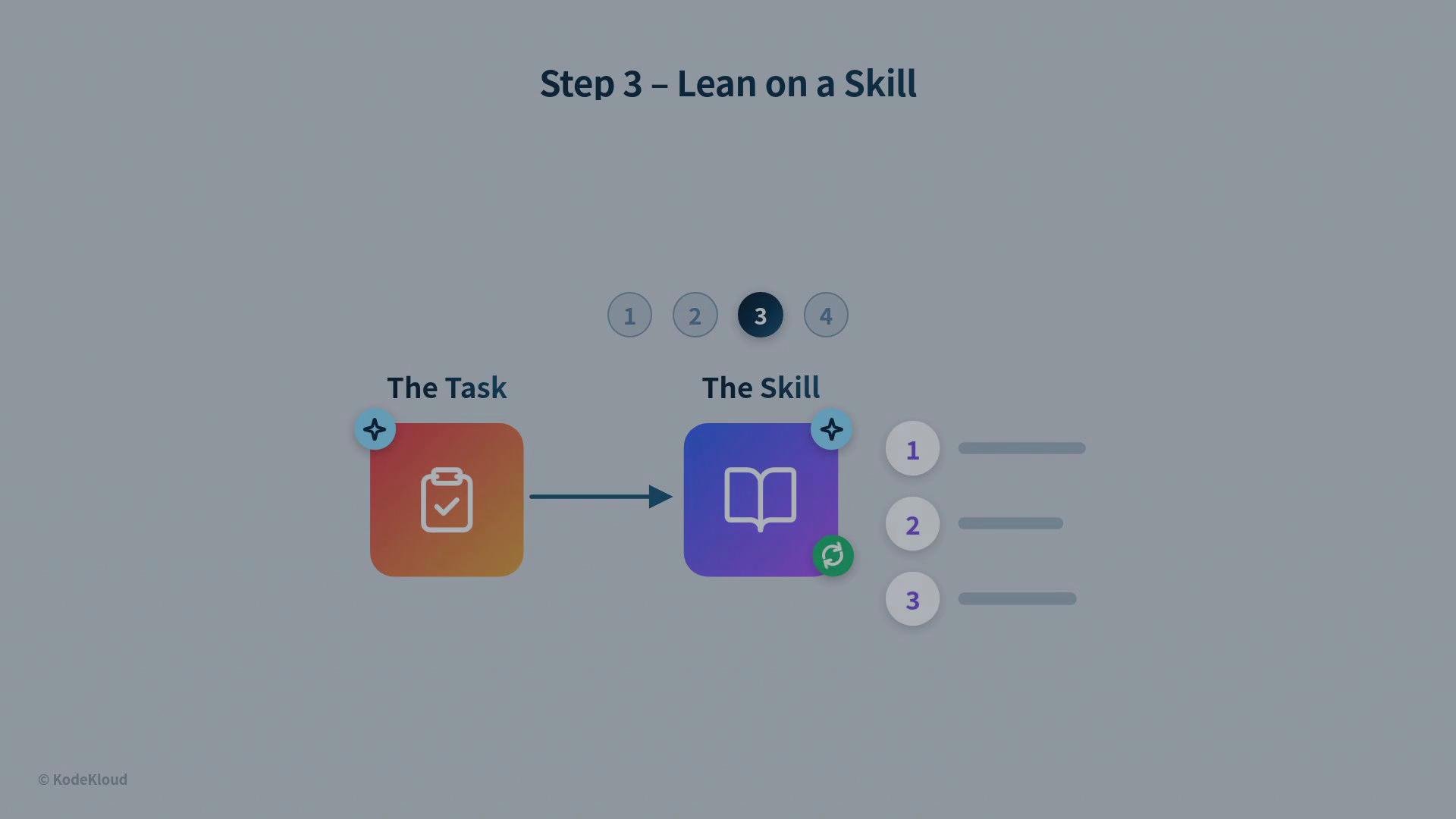
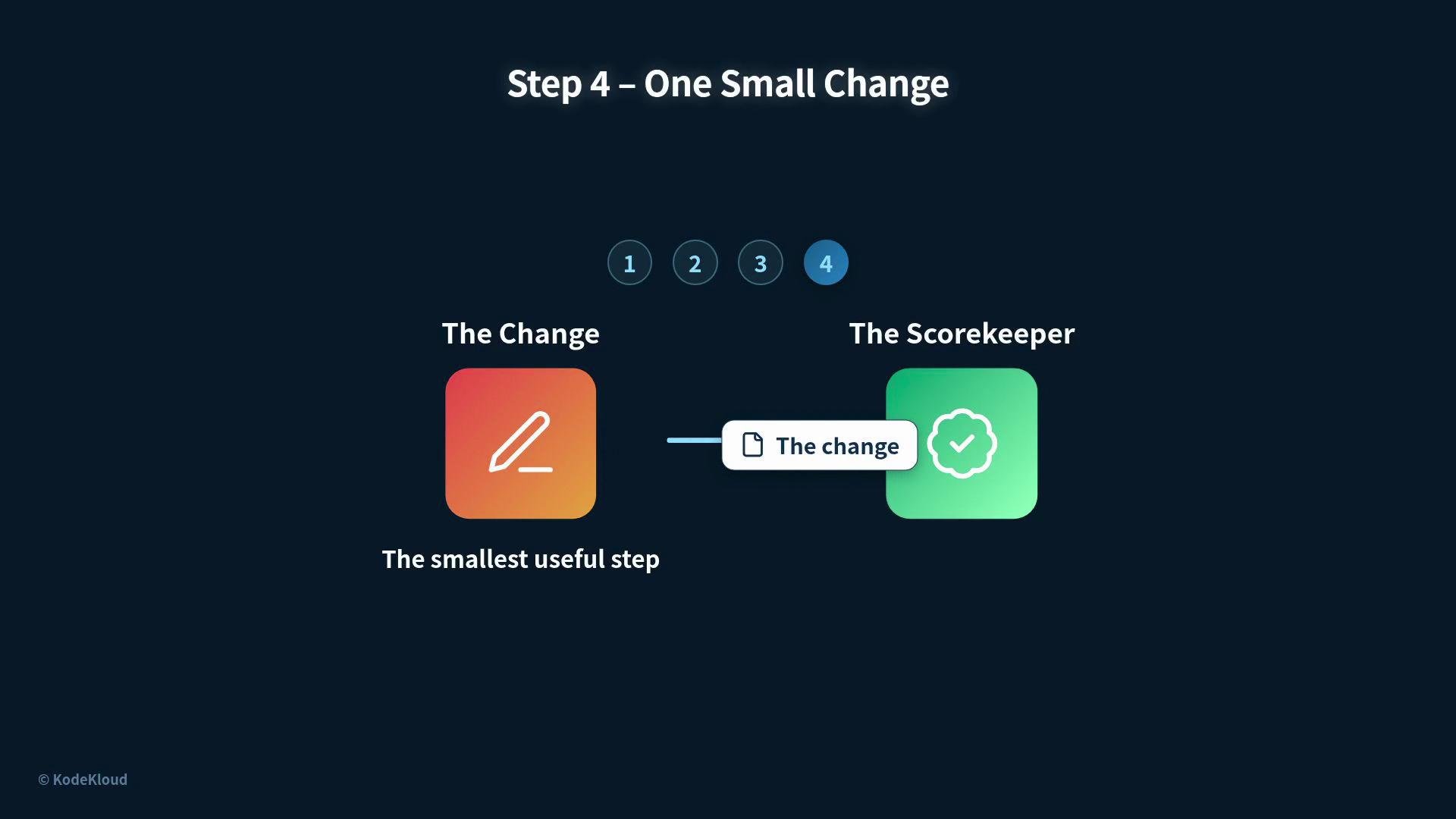
Step 4 — Make one small change and check the score
Apply a minimal, focused change that is likely to move the score in the right direction. Immediately evaluate the change against the scorekeeper:- If the score improves → accept and persist the change.
- If the score worsens → rollback, diagnose, and try a different small change.
Helpers: sub-agents and connectors
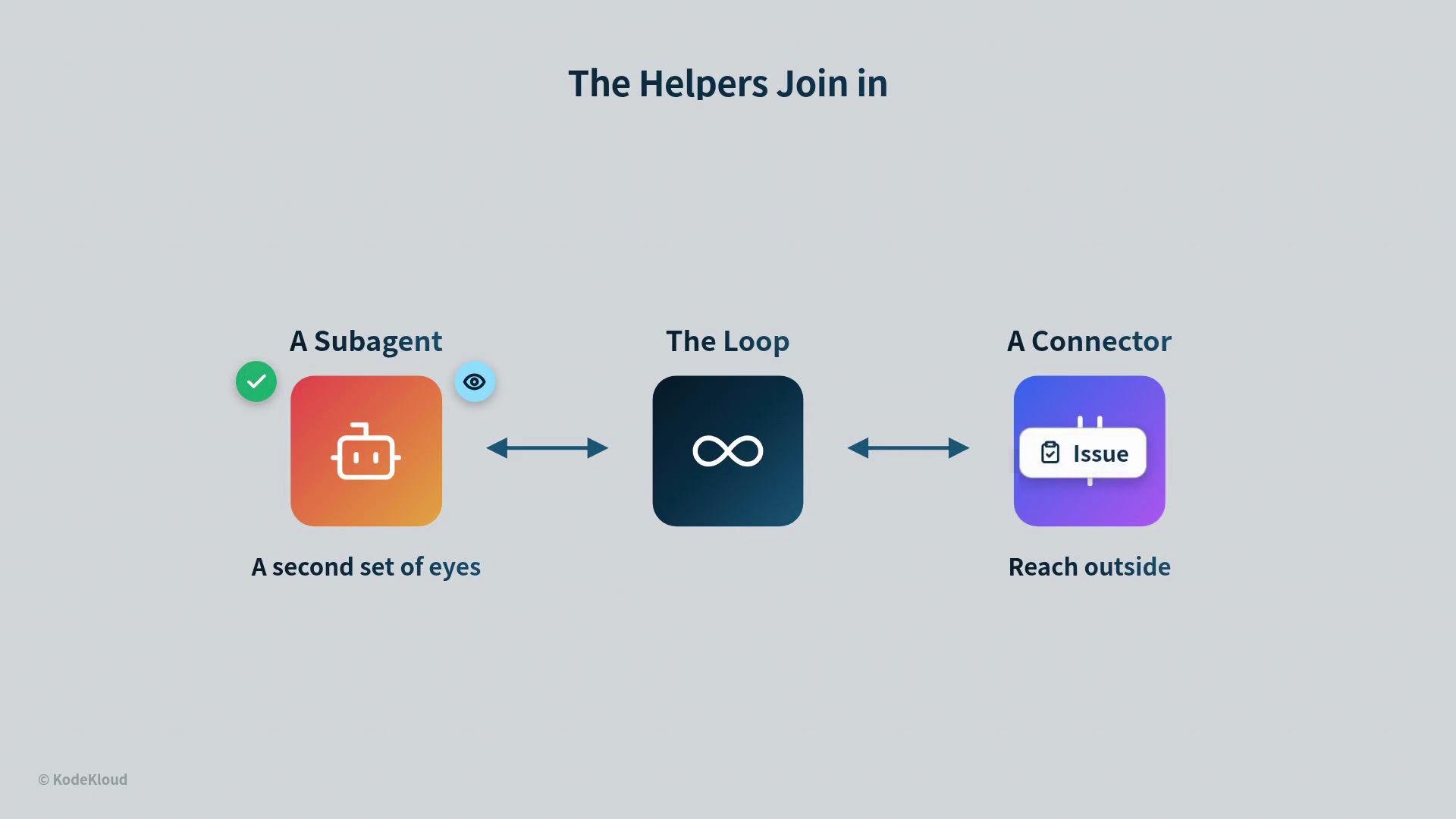
After a change is validated, helpers can augment the loop:- A sub-agent provides a second set of eyes for review or focused tasks.
- A connector reaches outside the loop to fetch external context (for example, an issue from a tracker or a pull request on GitHub).
Human judgment and safety gates
A robust loop does not run blind. If the loop encounters risky choices or subjective judgments, it stops and hands the state to a human reviewer. The handoff includes the full context so humans can make informed decisions about taste, architecture, or other subjective matters. Automation handles repeatable, checkable work; humans remain responsible for judgment. Automation runs the cycle repeatedly, persisting each validated improvement until the goal is achieved. At that point all six parts have been involved:- Memory
- Worktree
- Skill
- Scorekeeper
- Sub-agent / Connector
- Automation
Full-cycle recap
Start-to-finish sequence:- Define the goal and the scorekeeper (required).
- Read memory.
- Create a worktree.
- Lean on a skill.
- Make one small change.
- Check the score.
- Let a sub-agent review (if needed).
- Use a connector to reach external systems (if needed).
- Repeat via automation until the goal is met.
- Stop and hand over to a human whenever a choice requires real judgment.
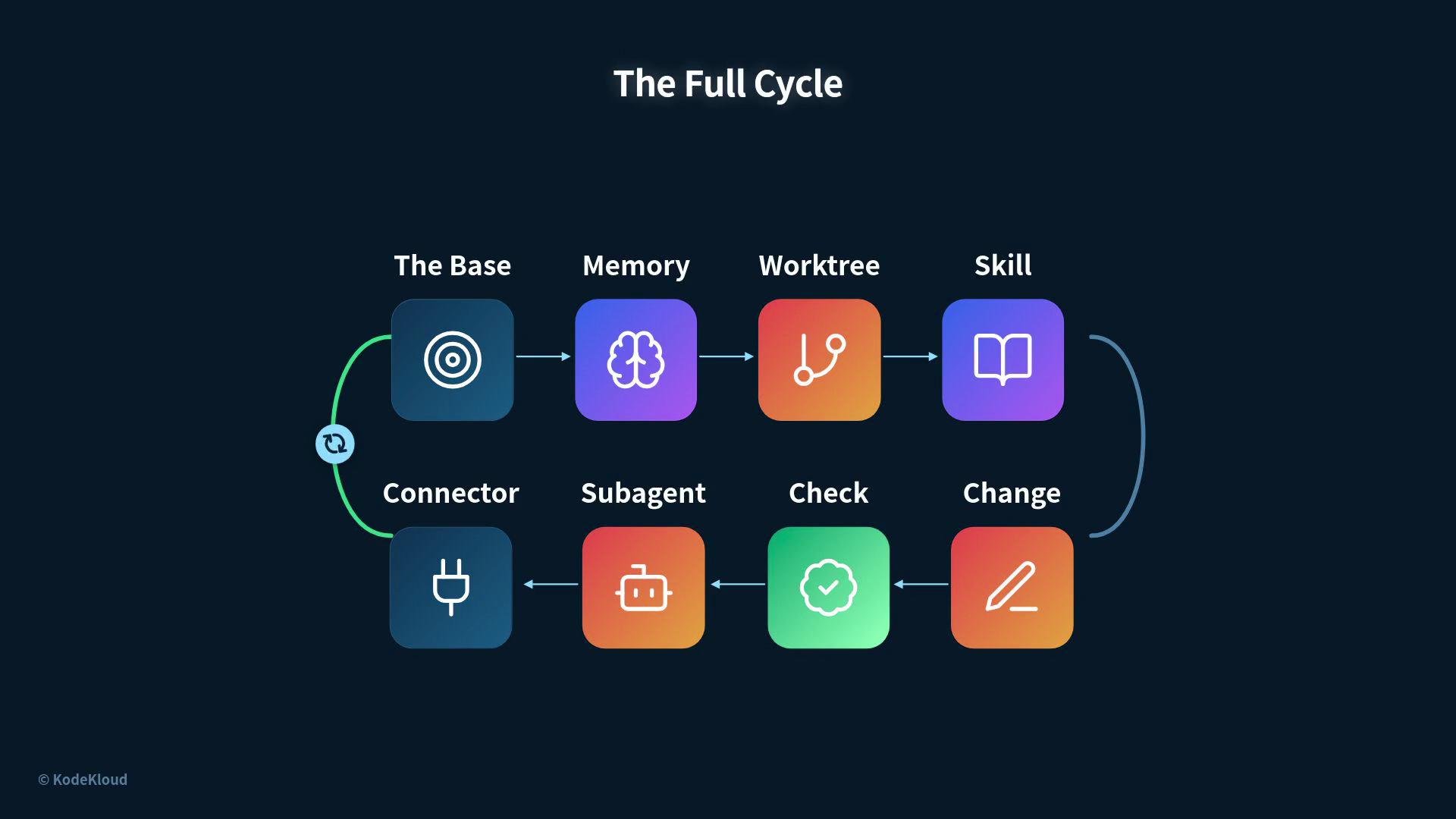
The most important two elements are the goal and the scorekeeper — they direct and validate every step in the loop. Build those first, then add the other parts to improve safety, focus, and reach.