

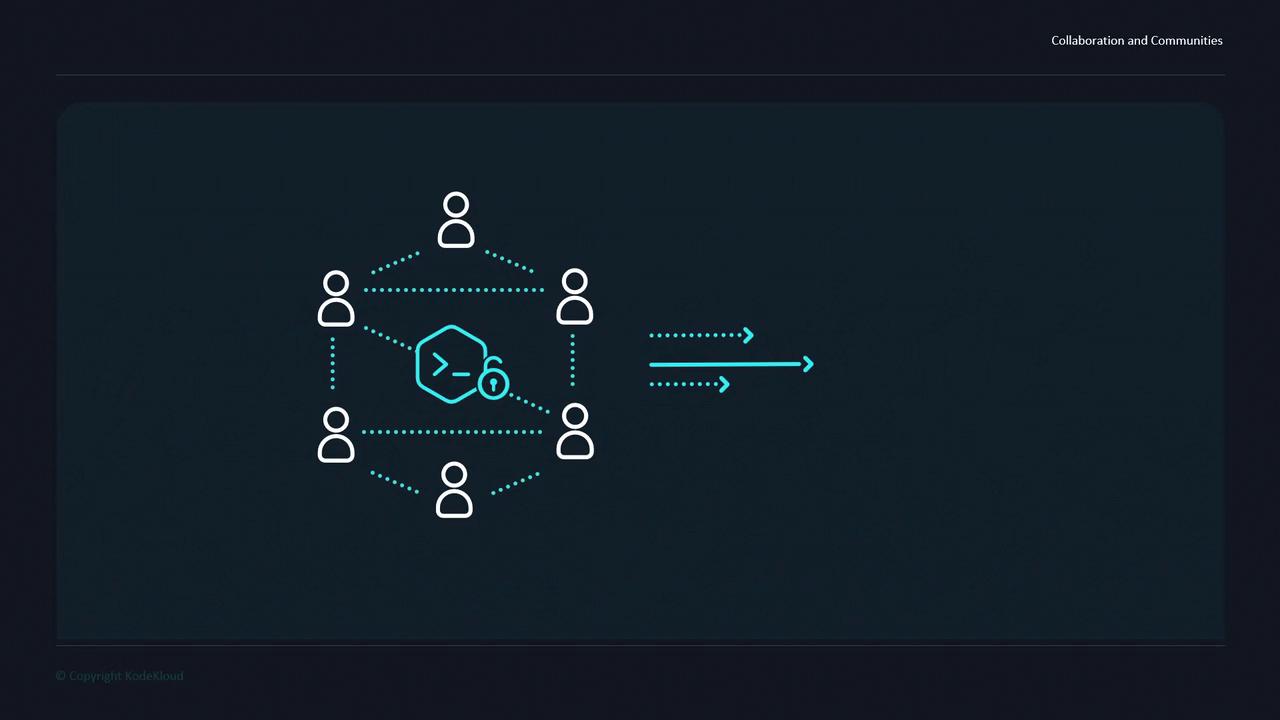
How Open Source Communities Form
Every community springs from an idea. As advocates rally around a project concept, they cultivate momentum that drives rapid innovation and sustained growth.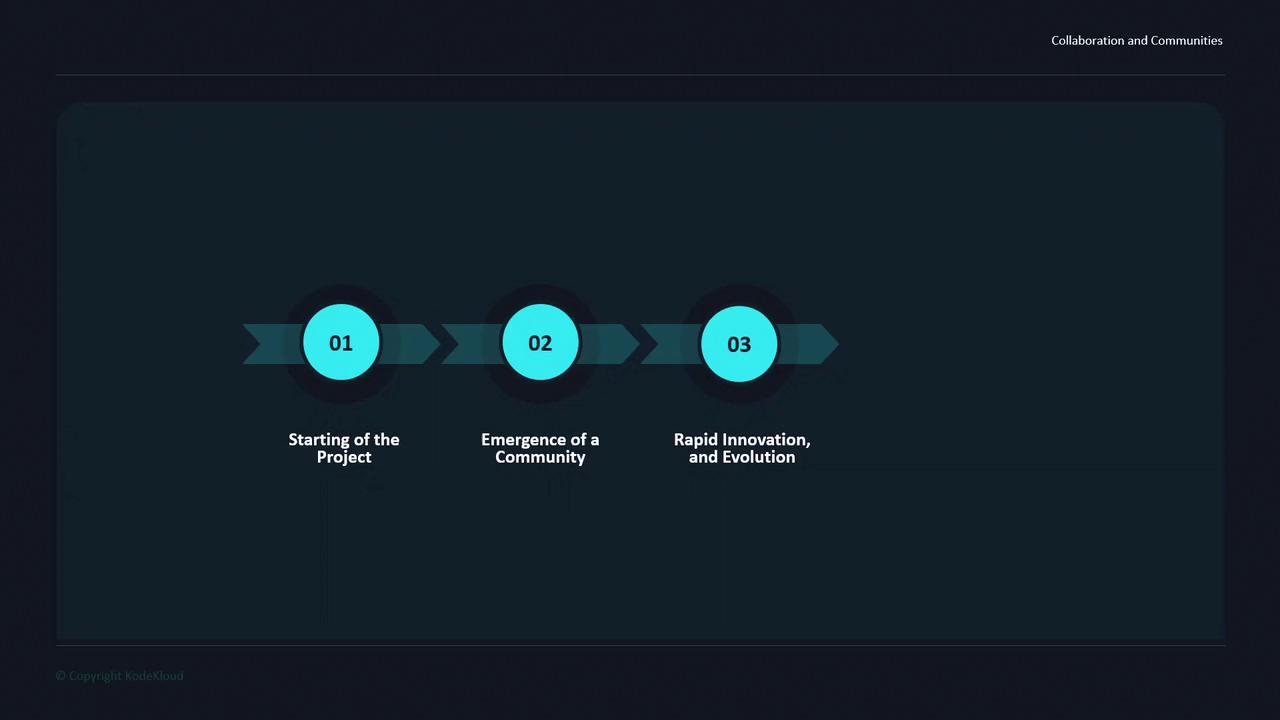
Communities often begin with a single repository or prototype. Early adopters and contributors help refine the vision and set the tone for future collaboration.
Core Principles of Open Source Communities
Open source communities transcend borders and skill levels, operating on voluntary actions, shared interests, and the freedom to contribute. These guiding principles foster an environment of trust and continuous improvement.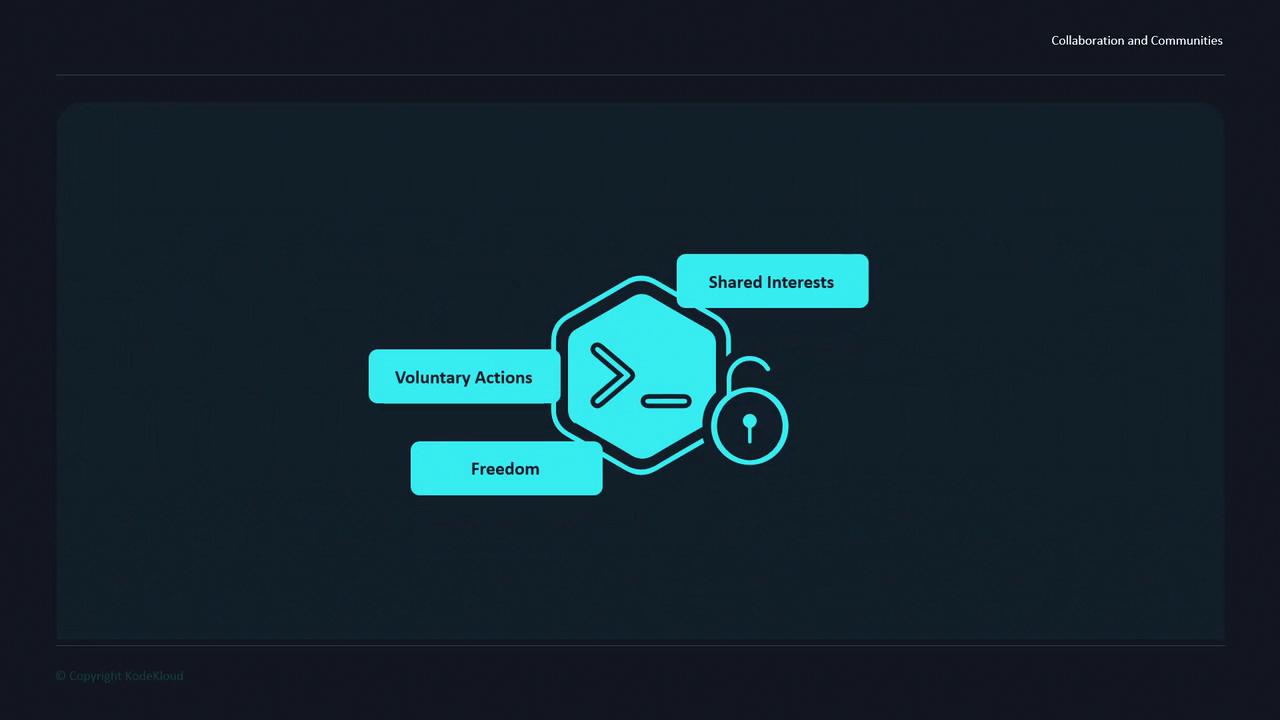
Governance Models
Participation often hinges on the project’s governance model—the formal or informal rules that define member roles and decision-making processes. Models range from meritocratic systems, where influence grows with demonstrated contributions, to more structured processes requiring code of conduct agreements or sign-up forms.Always review a project’s governance documentation before contributing. Missing or outdated policies can lead to confusion over decision rights and contribution guidelines.
Community Roles and Contributions
Beyond writing code, contributors can assume many important roles. Whether you’re managing releases or crafting documentation, each role enhances project sustainability.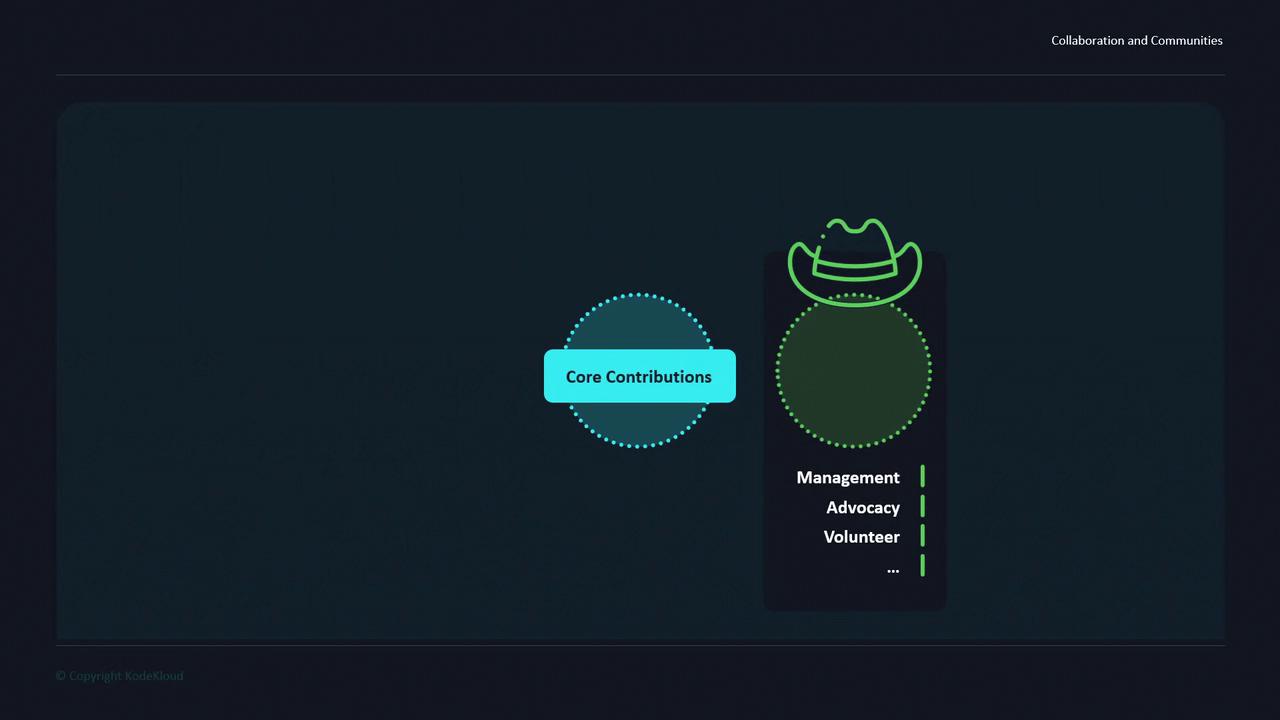
Cross-Pollination and Ecosystem Growth
Contributors carry lessons and best practices from one project to another, sparking innovation across the open source ecosystem. Active engagement accelerates personal growth and amplifies collective impact.Links and References
- Open Source Definition
- The Linux Foundation – Open Source Community
- Contributor Covenant Code of Conduct