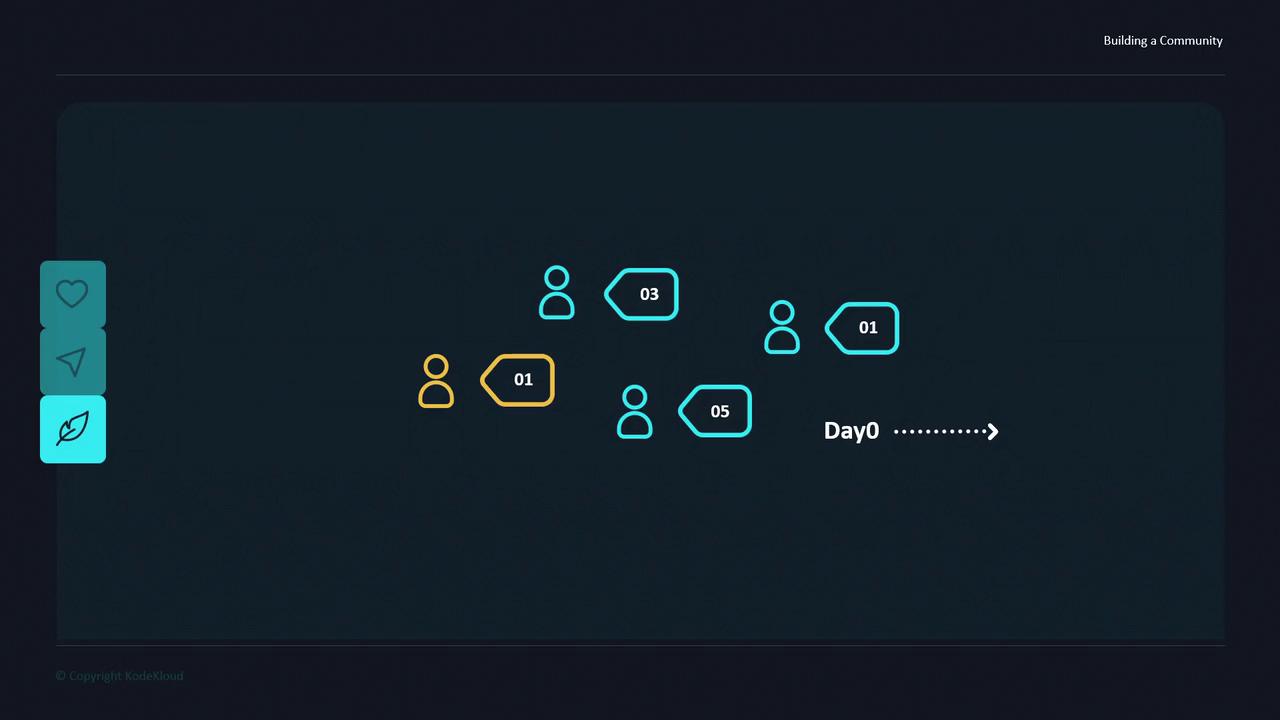
Contributor experience (CX) is as crucial as user experience (UX). Happy contributors become your most passionate advocates.
Table of Contents
- Key Strategies at a Glance
- 1. Healthy Collaboration Environment
- 2. Access to Knowledge
- 3. Avoid Overwhelming Contributors
- Further Reading and Resources
Key Strategies at a Glance
1. Healthy Collaboration Environment
Building trust starts with a respectful, welcoming atmosphere. Reflect on these questions to assess your project’s culture:- Are new contributors encouraged to join discussions and open issues?
- Do maintainers respond to questions and pull requests within a reasonable timeframe?
- Is your Code of Conduct visible, enforced, and linked in key files?
- Does the community greet newcomers and help them find their first tasks?
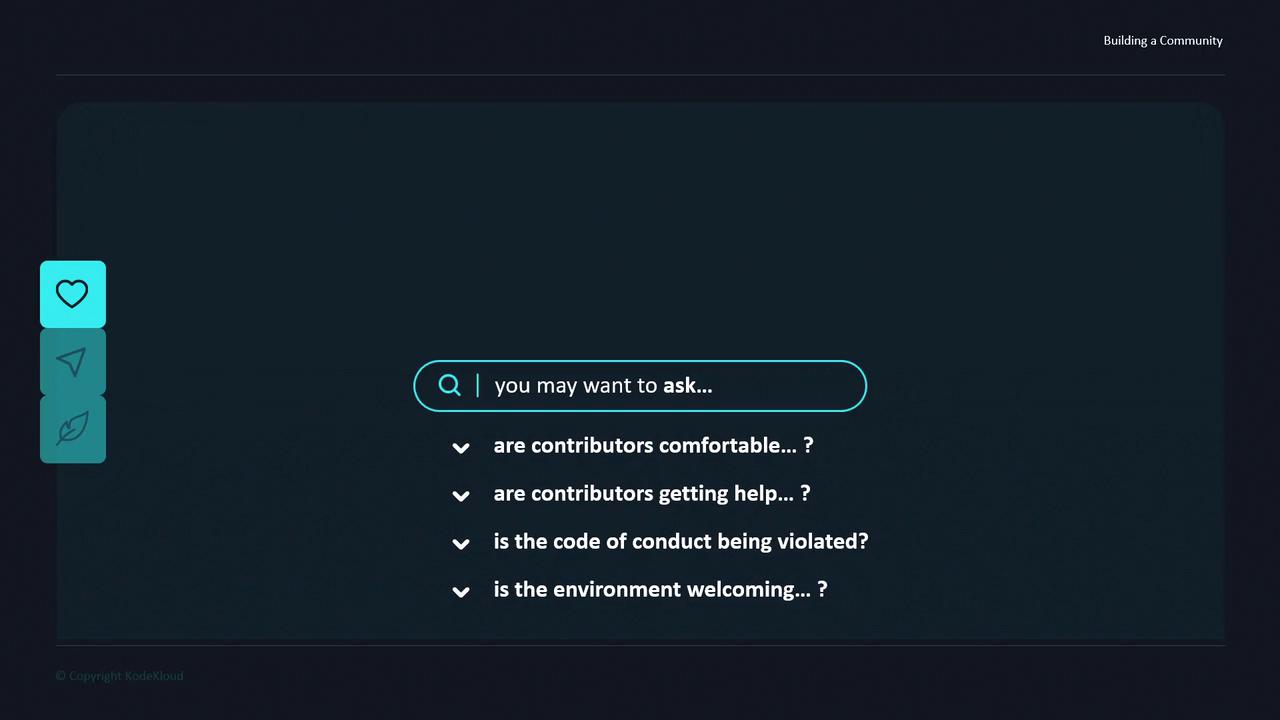
An ambiguous or unenforced Code of Conduct can lead to misunderstandings and conflict. Keep it up to date and ensure everyone follows it.
2. Access to Knowledge
Contributors thrive when they know where to look for information. Organize your documentation and communication channels:- Define an “access graph” mapping repos, docs, chat rooms, forums, and issue trackers.
- Create step-by-step guides for installation, development setup, and submitting PRs.
- Centralize links in a single source of truth (README.md, wiki, or dedicated docs site).
3. Avoid Overwhelming Contributors
People join projects with different skill levels. Set clear, realistic expectations and guide contributors through a progressive learning curve:- Provide a CONTRIBUTING.md file with a roadmap of low-barrier tasks (documentation fixes, small bug reports).
- Offer mentorship programs or pairing sessions for first-timers.
- Gradually expose contributors to larger issues as they gain confidence.