

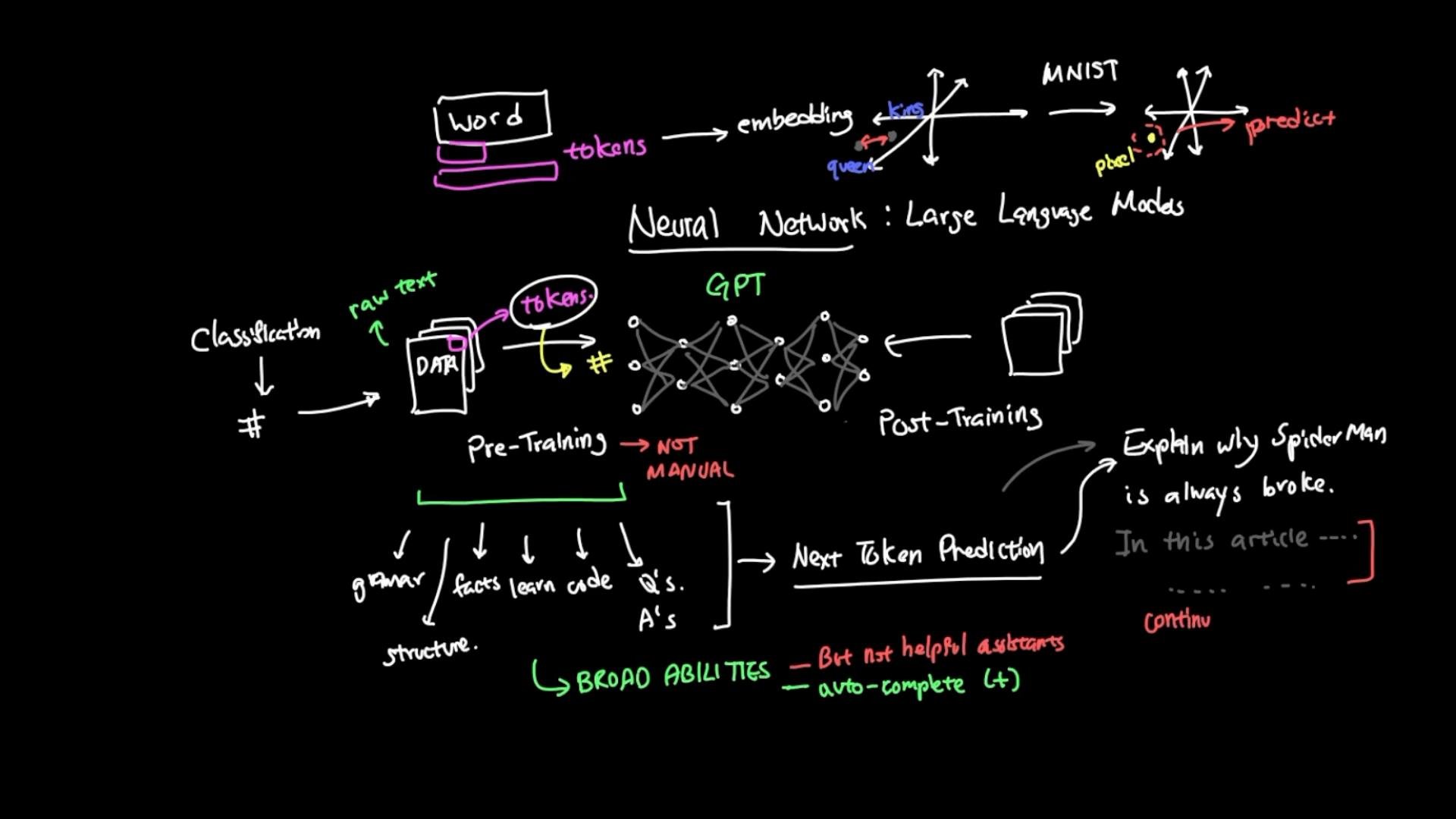
Instruction fine-tuning: teach the model to follow instructions
Instruction fine-tuning means taking a pre-trained model and training it further on supervised examples consisting of instructions and high-quality responses. These training pairs teach the model the format and priorities of helpful assistant replies: how to interpret prompts, prioritize relevant facts, and produce clear, well-structured answers. Benefits of instruction fine-tuning:- Encourages responses that follow the user’s intent.
- Teaches formatting conventions (summaries, step-by-step guides, code blocks).
- Reduces off-topic continuations produced by next-token prediction alone.
- Multiple valid responses can exist for the same instruction.
- Supervised examples alone may not prefer concise or safer alternatives when many acceptable answers exist.
RLHF: using human preferences to rank what “good” looks like
To further shape behavior, we can use human feedback that compares and ranks different model outputs. Reinforcement Learning from Human Feedback (RLHF) is a common approach:- Generate several candidate responses for the same prompt.
- Have human annotators compare these candidates and indicate which they prefer.
- Train a reward model to predict those human preferences.
- Optimize the language model (often with reinforcement learning algorithms) to produce outputs that score higher under the reward model.
RLHF converts human judgments into a numerical reward signal and optimizes the model to increase that signal. The effectiveness depends heavily on the quality of the human labels and the reward-model design; poor labels or mis-specified rewards can produce unwanted behavior.
How these stages differ — at a glance
Why post-training matters
- Pre-training provides raw capability, but not necessarily helpful behavior.
- Instruction fine-tuning teaches structure and intent-following.
- RLHF turns qualitative human judgments into a quantitative signal, enabling optimization toward preferred behavior.
Quick summary
- Pre-training: broad language ability through next-token prediction.
- Instruction fine-tuning: supervised examples that teach the assistant pattern.
- RLHF: preference-driven optimization so the model produces responses humans prefer.
Further reading and references
- “Deep Reinforcement Learning from Human Preferences” (Christiano et al.) — https://arxiv.org/abs/1706.03741
- OpenAI blog on instruction-following and RLHF — https://openai.com/blog/instruct-gpt/