This article explores the evolution of DevOps, highlighting its impact on software delivery and the ongoing challenges it addresses in IT organizations.
After two decades in the IT industry, I joined a large multinational conglomerate as the head of infrastructure. My mission was clear: drive digital transformation for a disruptive platform that would deliver immense value to business leaders worldwide.However, the challenges were significant. With nearly 1,000 developers, the organization had not delivered a single piece of working software in 18 months. The problem was not a lack of talent but a failure in communication and alignment among teams. Processes were fragmented or entirely missing, and the necessary tools to automate repetitive tasks and generate key metrics were virtually absent.My team and I were tasked with uniting diverse groups—developers, operations engineers, quality assurance professionals, data scientists, and more—to deliver compliant and valuable software that not only satisfied business requirements but also delighted customers. This journey is fundamentally the story of DevOps.My name is Michael Forrester, and welcome to the Fundamentals of DevOps article. With nearly 30 years of experience in IT infrastructure—from the early internet and dot-com era to the modern advancements in cloud, Kubernetes, and platform engineering—I have seen firsthand the emergence of Agile, DevOps, hyperscale cloud providers, Docker, and Kubernetes. My career has centered on connecting people and technology to help businesses and IT teams deliver value faster, safer, and aligned with the evolving needs of both business and customers.
Let’s explore how DevOps has evolved over the past 15 years and why it remains as critical today as ever.
Early Beginnings at the O’Reilly Velocity Conference
In early 2009, at the O’Reilly Velocity Conference in Santa Clara, California, John Allspaw and Paul Hammond ignited what would become the DevOps movement with their presentation “10 Plus Deploys Per Day, Dev and Ops Cooperation at Flickr.” Their insights laid the groundwork for a cultural shift that continues to influence IT organizations worldwide.
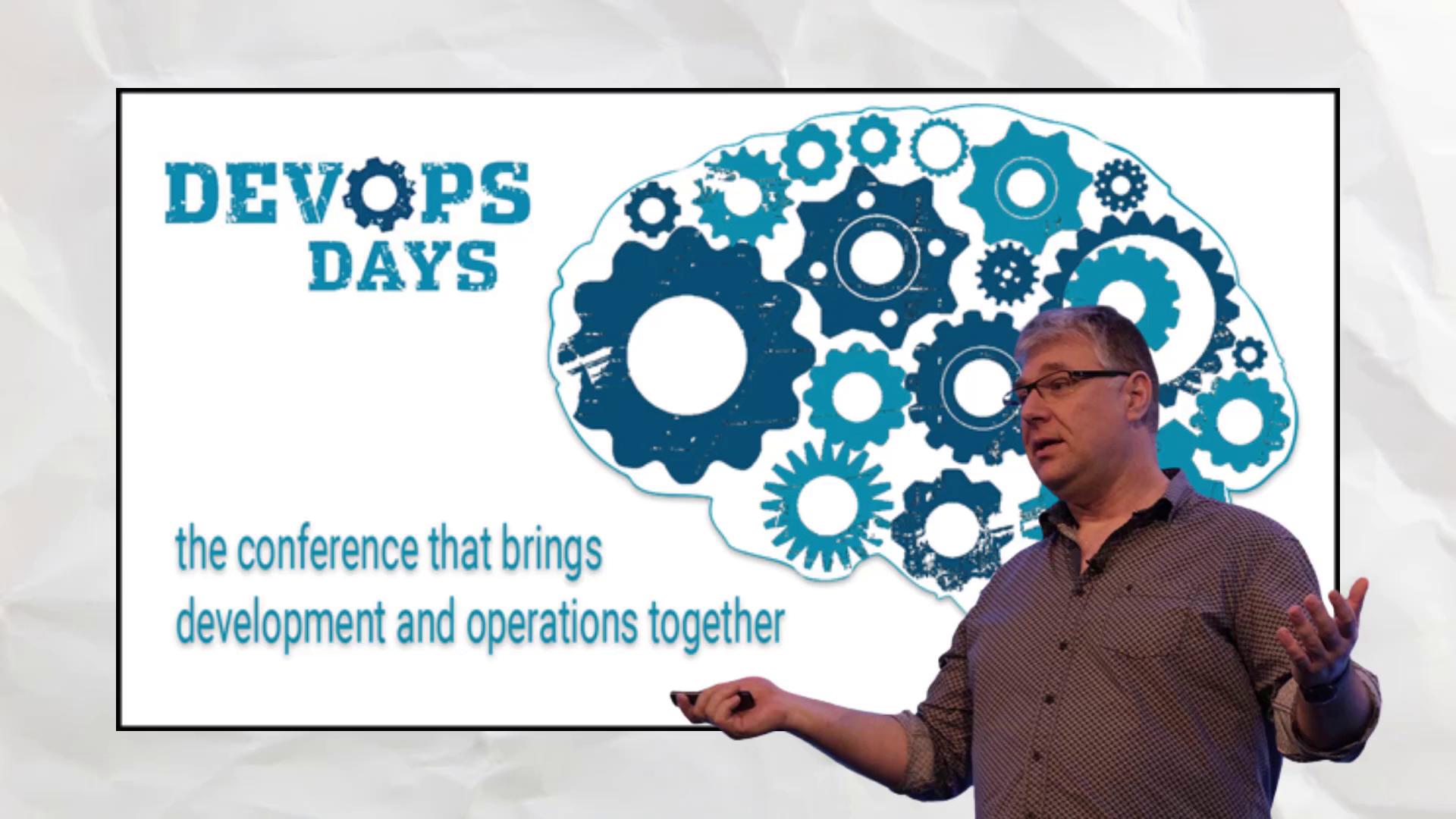
The central query they posed was straightforward: How can we dismantle the barriers preventing developers and IT operations teams from delivering compliant, high-quality software that meets business objectives and satisfies customers?In June 2009, Patrick Dubois expressed regret on Twitter for missing the Velocity Conference. By October, he organized his own DevOps Days event to further the conversation. His efforts popularized the hashtag #DevOps, marking the official birth of the movement.
Over the following years, conversations around DevOps gained momentum. By 2013, cloud technology had taken center stage. The cloud’s automation capabilities, on-demand resource consumption, and accessible APIs turned the vision of frictionless DevOps into reality. Tasks that once required physical intervention were now as simple as an API call, eliminating the need for manual operations in traditional data centers.That same year, the release of “The Phoenix Project” marked another milestone. As the first widely recognized novel on DevOps, it resonated with IT professionals by addressing real pain points and sparking widespread interest in improving software delivery.
As DevOps gained traction, discussions shifted toward the importance of tooling and performance measurement. In 2013, “The DevOps Handbook” introduced four key metrics that have since become industry standards:
- Lead time for deployment- Deployment frequency- Change failure rate- Mean time to recovery
These metrics provided organizations with a framework for quantifying DevOps success while continually refining their practices and pipelines.
During this period, innovative companies like Docker and Google advanced containerization and orchestration, which further automated and standardized cloud environments managed via APIs.
By 2016, the DevOps discussion had broadened to include security, and organizations began leveraging years of data from process implementations. Major cloud platforms such as AWS, Azure, and Google Cloud emerged as pivotal resources, especially as machine learning and managed Kubernetes services started to address the growing demand for containerized infrastructures.Between 2015 and 2019, the publication of “The Unicorn Project” offered a developer-centric perspective, while GitOps emerged as a powerful paradigm in the ongoing evolution of DevOps. During this period, DevOps became increasingly aligned with Agile, Lean, and CI/CD practices, and it played a central role in driving organizational transformation.
The conversation did not stop there. Post-pandemic, books like “Effective DevOps” and “The DevOps Adoption Playbook” have further enriched the dialogue. The concepts of platform engineering and internal development platforms continue to evolve, with organizations now focused on overcoming challenges related to both people and processes rather than technology alone.
As we look ahead into 2023 and beyond, the fundamental question remains: What new challenges can DevOps address?
Our journey through the evolution of DevOps illustrates its transformative impact on software delivery. The movement continues to evolve, promising even greater efficiencies and collaboration between development and operations teams in the future.