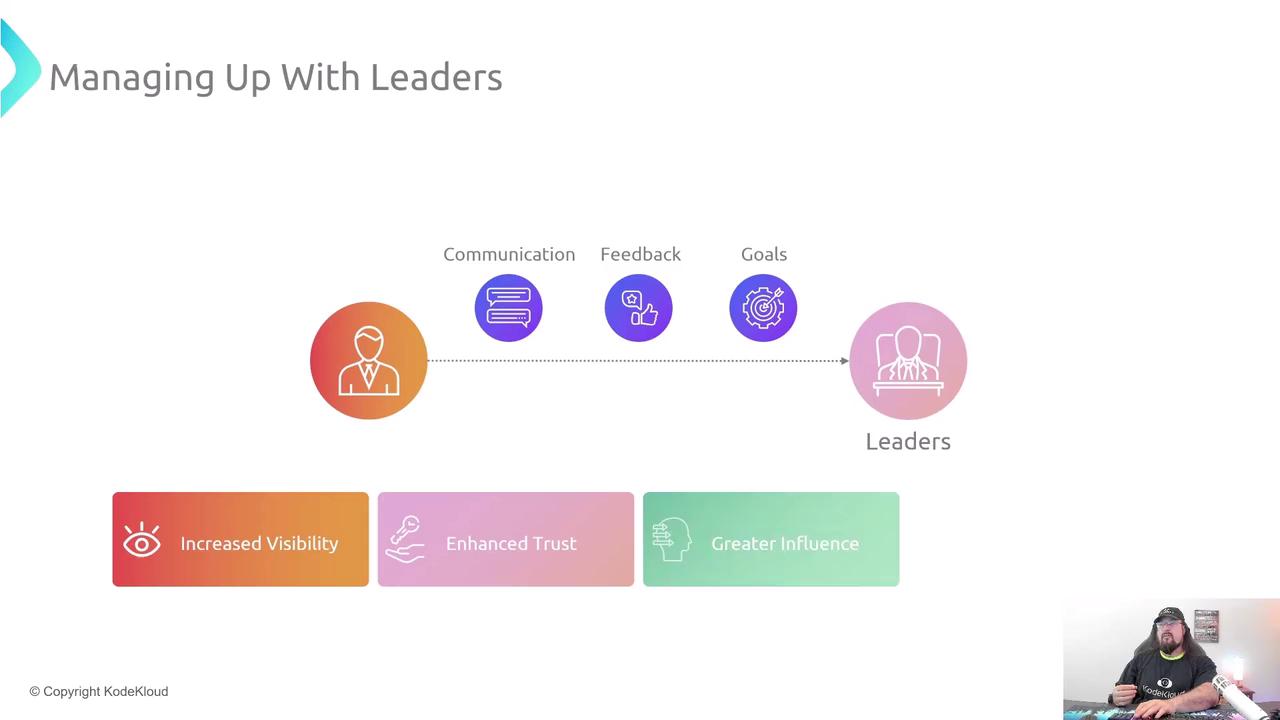
Managing Upwards: Aligning with Leadership
Upward management is about proactively connecting your work to leadership priorities. Focus on:- Delivering concise, regular status updates
- Clarifying and reinforcing organizational goals
- Anticipating challenges and offering solutions
- Demonstrating reliability through consistent delivery
- Signaling strategic alignment to earn autonomy
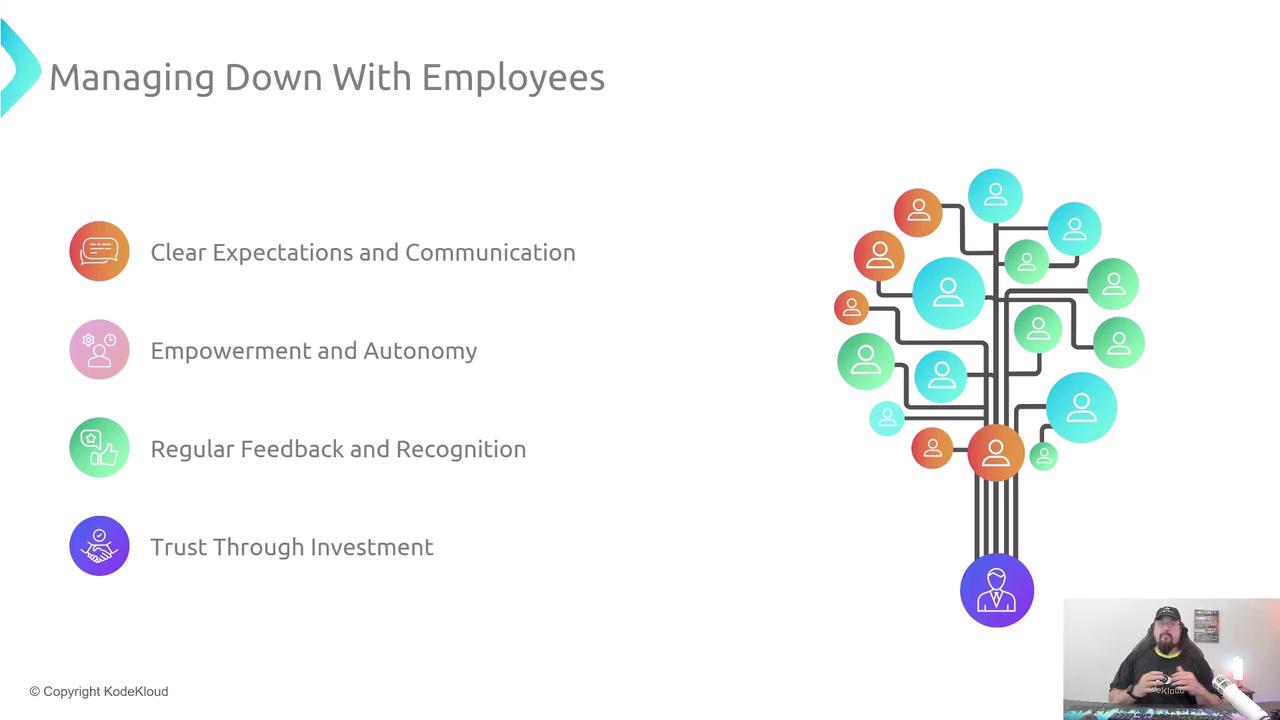
Managing Downwards: Empowering Your Team
Delegation is only the first step. True downward management nurtures growth and ownership by:- Setting clear objectives and explaining the “why” behind them
- Delegating problems, not prescriptive solutions, to foster innovation
- Offering timely, specific feedback—both praise and constructive insights
- Recognizing progress and celebrating milestones as fiercely as final results
- Investing in skills development and supporting individual career goals
Avoid micromanagement: empower your team to make decisions and learn from mistakes.
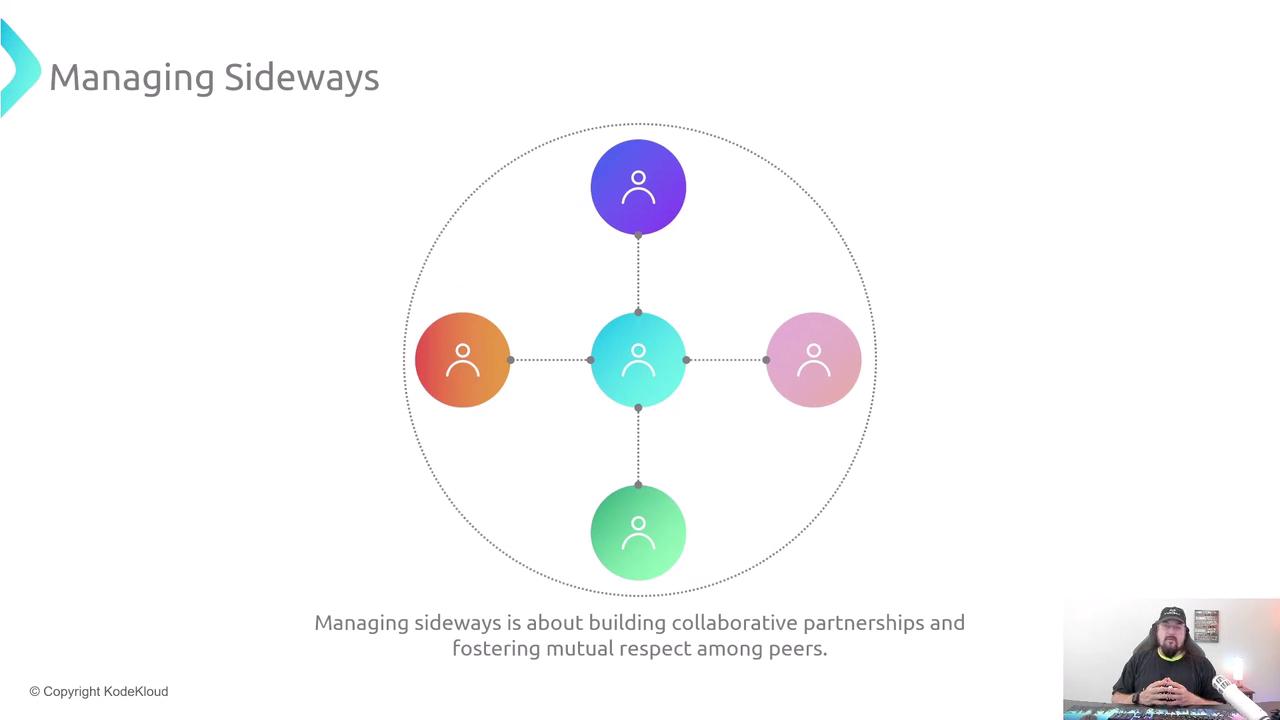
Managing Sideways: Fostering Peer Collaboration
Lateral management thrives on mutual respect, transparency, and shared goals. Key practices include:- Keeping communication channels open for brainstorming and problem-solving
- Building joint ownership by recognizing interdependencies
- Leading with empathy—authentic connections drive collaboration
- Identifying common objectives and leveraging each other’s strengths
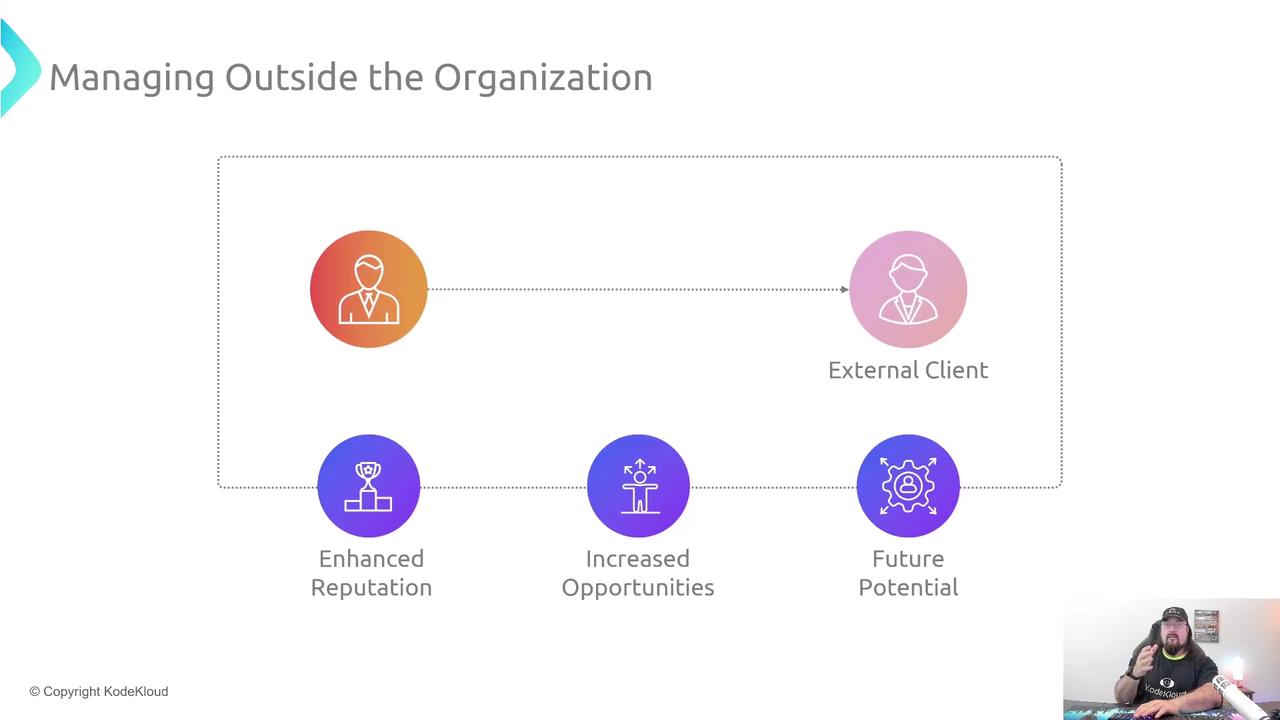
Managing External Stakeholders: Extending Your Reach
External management ensures solutions align with market demands and stakeholder priorities. Implement these tactics:- Establishing transparent, scheduled check-ins with clients or partners
- Understanding their key success metrics and mirroring those in your deliverables
- Proactively raising and resolving concerns before they escalate
- Demonstrating consistent value to build long-term credibility
Advantages of a Holistic Stakeholder Management Approach
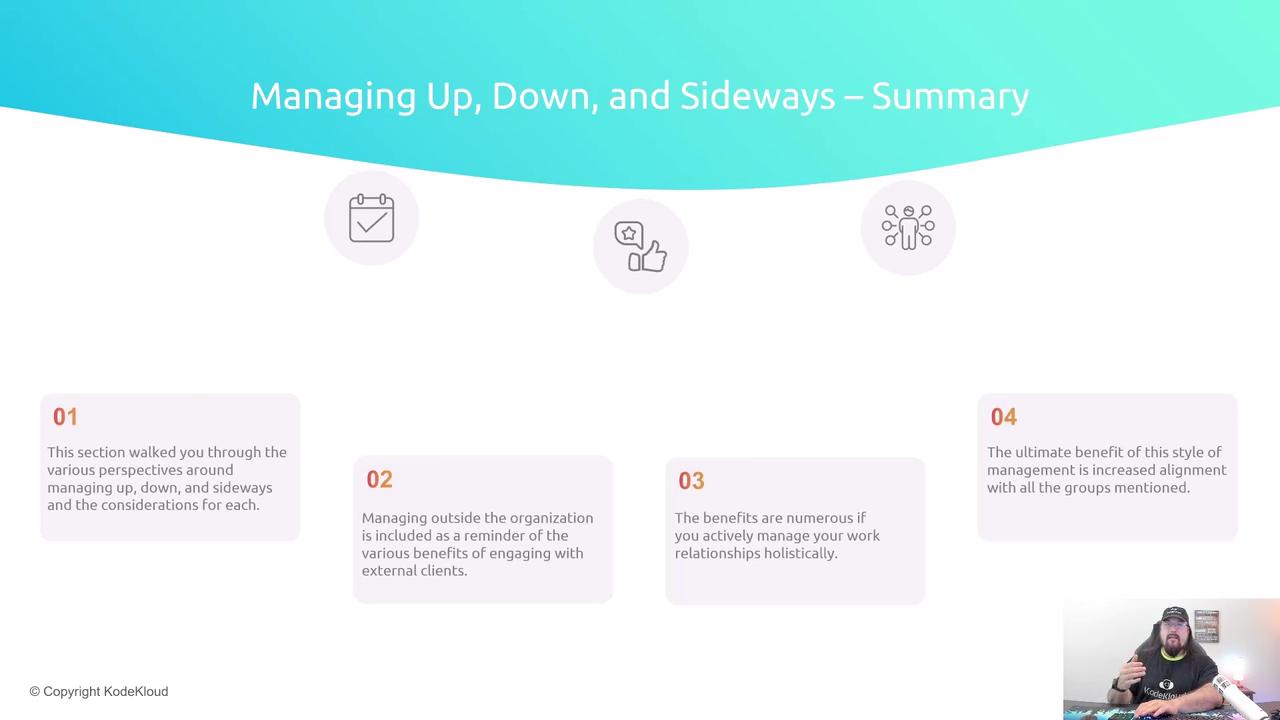
Embracing all four directions delivers powerful benefits: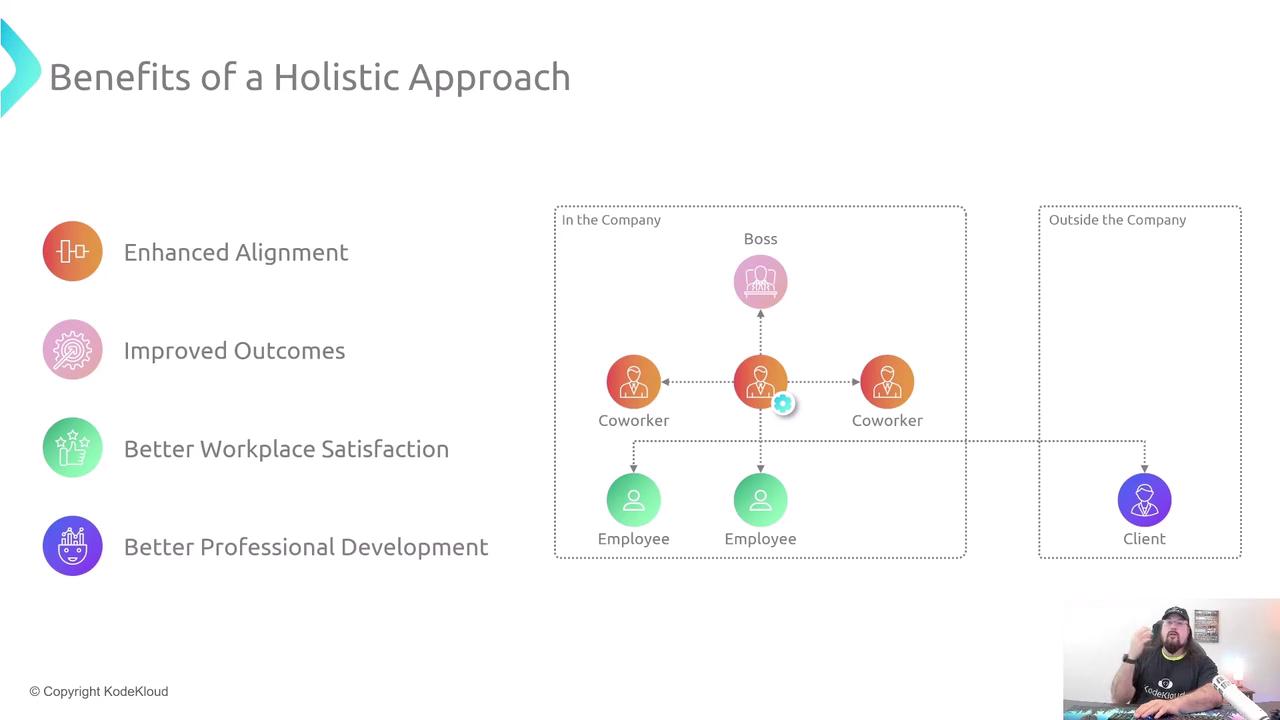
Key Takeaways
- Manage Up by aligning with leadership’s strategic vision
- Manage Down through empowerment and continuous feedback
- Manage Sideways via open collaboration and mutual respect
- Manage Outside by proactively engaging external stakeholders