1. Pre-Assessment
Begin by measuring how effectively you manage priorities, time, and capacity. The results will help you identify strengths and areas for growth.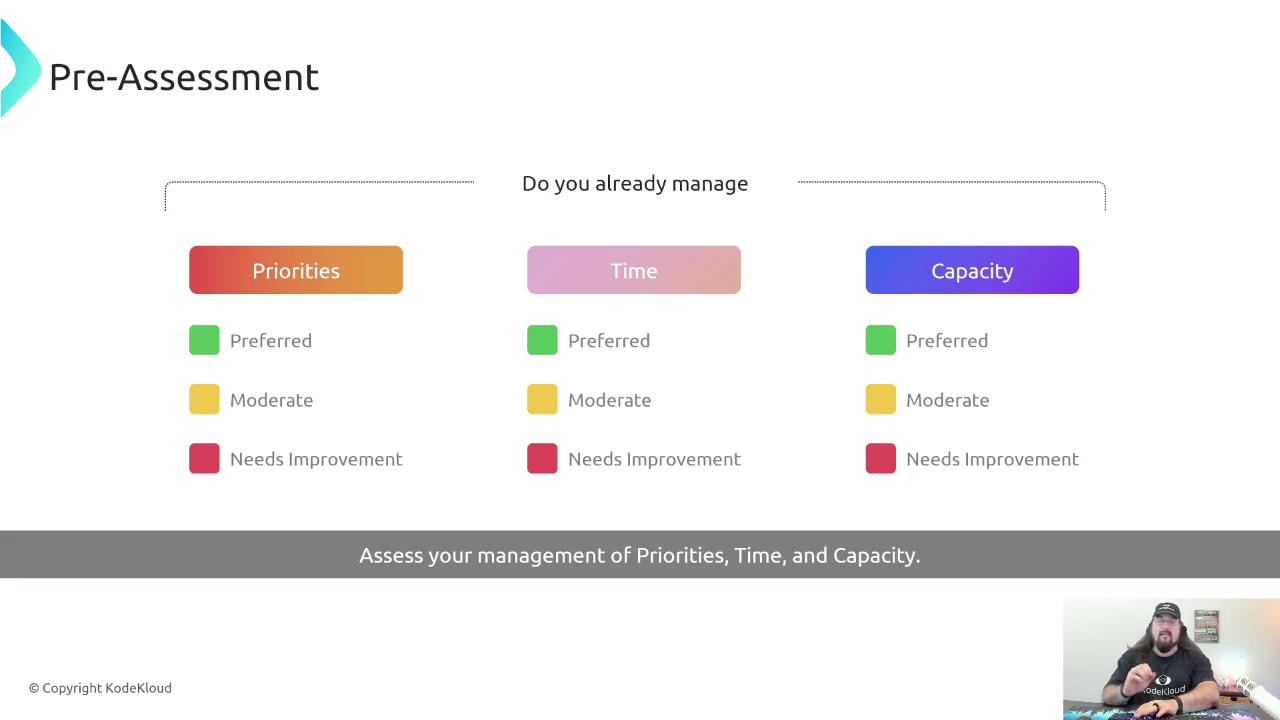
Completing the pre-assessment baseline lets you track progress as you apply new techniques.
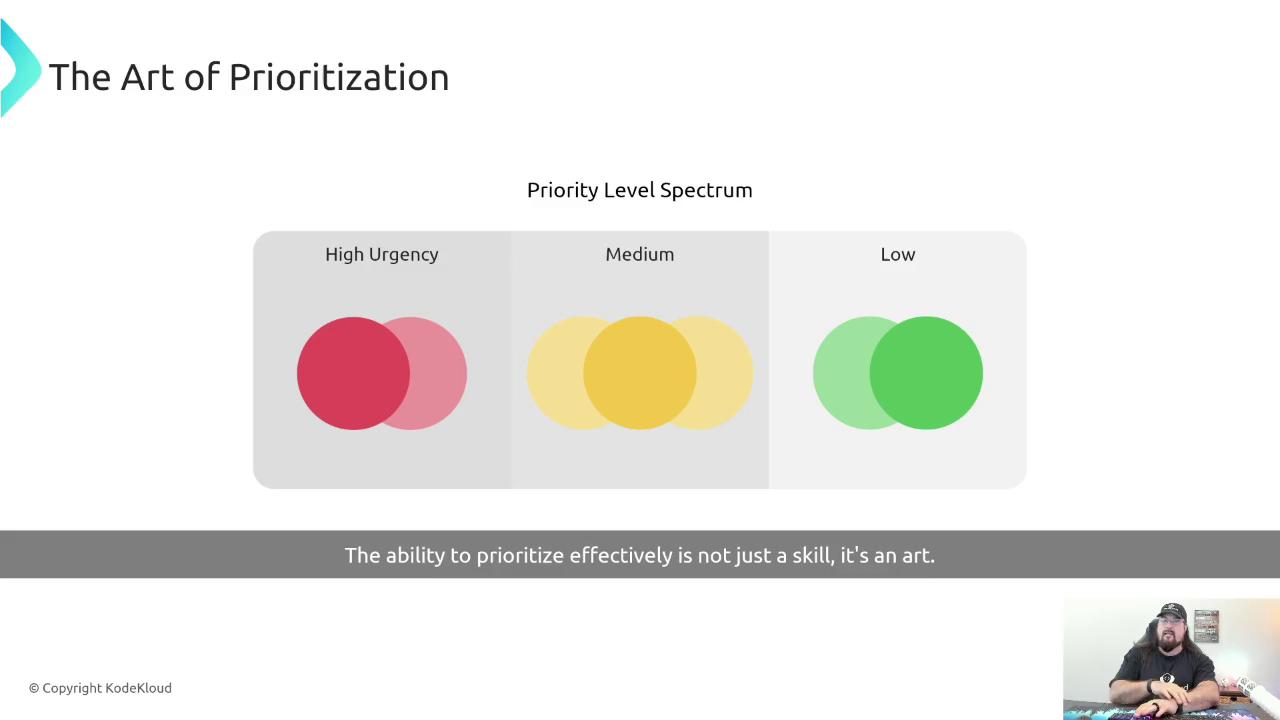
2. The Art of Prioritization
Mastering prioritization is essential in a fast-paced DevOps environment. You’ll learn to:- Identify high-impact tasks that deliver maximum value
- Balance stakeholder expectations
- Adapt to shifting priorities with proven frameworks
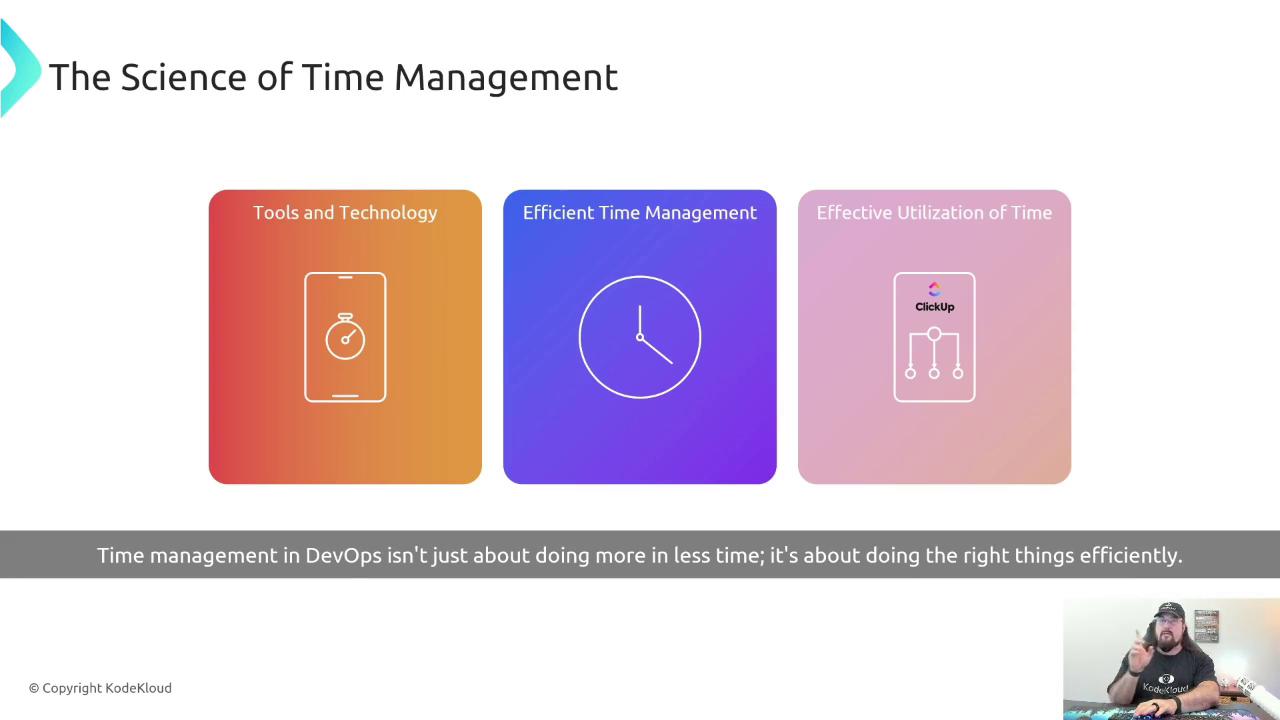
3. The Science of Time Management
Efficient time management isn’t just about doing more—it’s about doing the right things better. In this section, we’ll cover:- Scheduling techniques and tooling
- Tracking estimates versus actual durations
- Iterating on your process for continuous improvement
Underestimating work durations can lead to missed deadlines and team burnout. Always include a buffer for surprises.
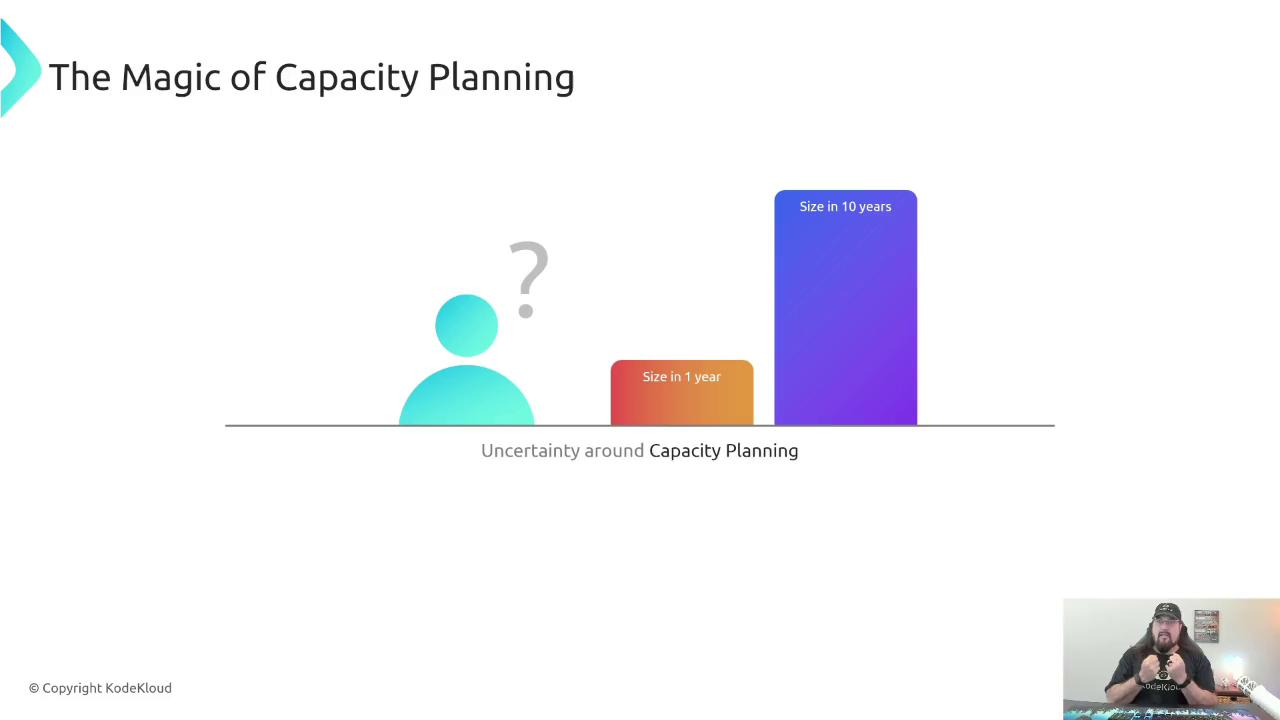
4. The Magic of Capacity Planning
Capacity planning ensures you and your team can handle current and future workloads without overcommitment. You will learn to:- Size tasks over different time horizons
- Assign clear ownership
- Manage uncertainty with data-driven adjustments
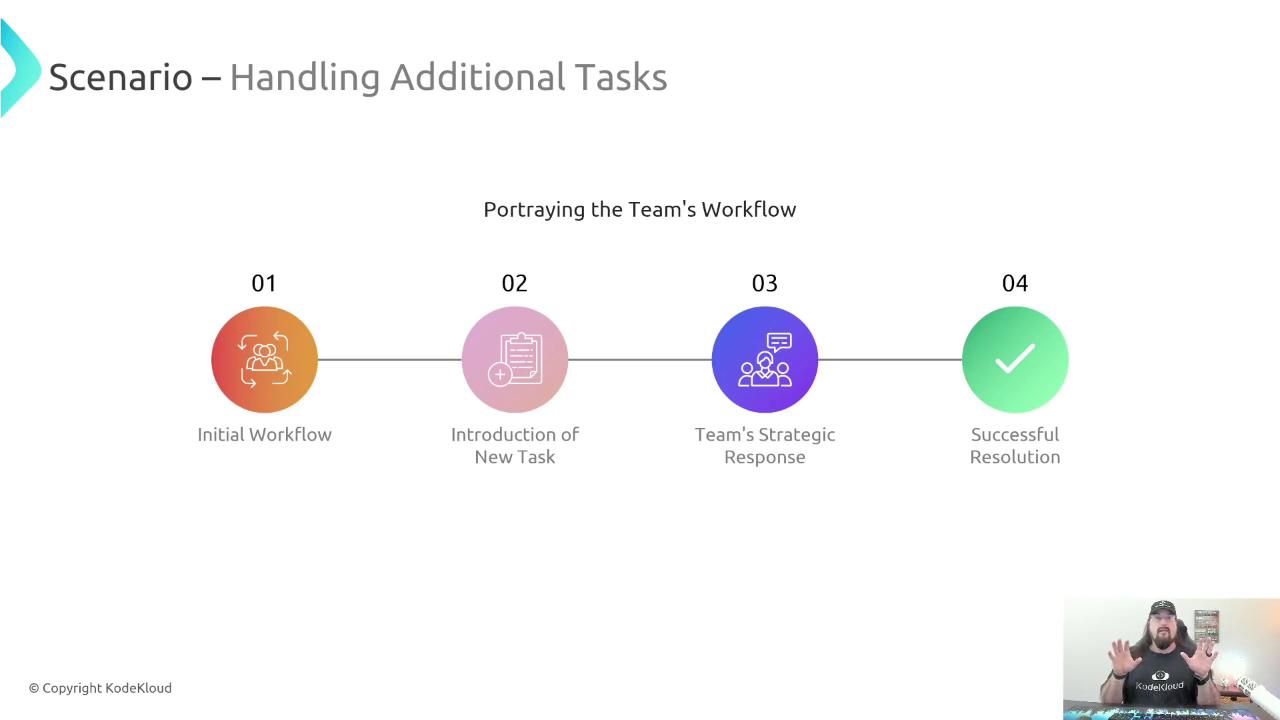
5. Scenario Case Studies
Put theory into practice with real-world workflows. You’ll observe how teams:- Introduce new tasks
- Assess their impact
- Reprioritize work
- Achieve successful resolution
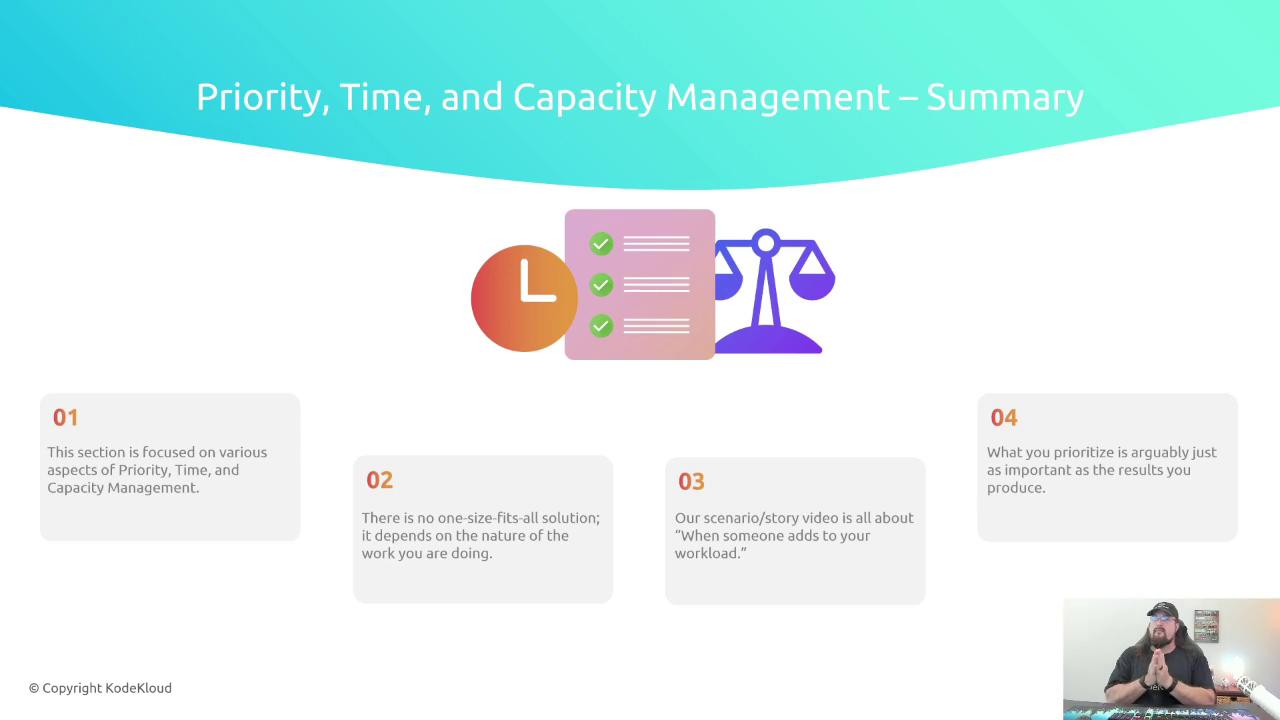
Summary & Key Takeaways
- Pre-Assessment: Benchmark your current practices
- Prioritization: Apply the 80/20 Rule and Eisenhower Matrix
- Time Management: Use tracking tools and buffer estimates
- Capacity Planning: Size work, assign ownership, and adjust for uncertainty
- Real-World Scenarios: Test and refine your approach under changing conditions