

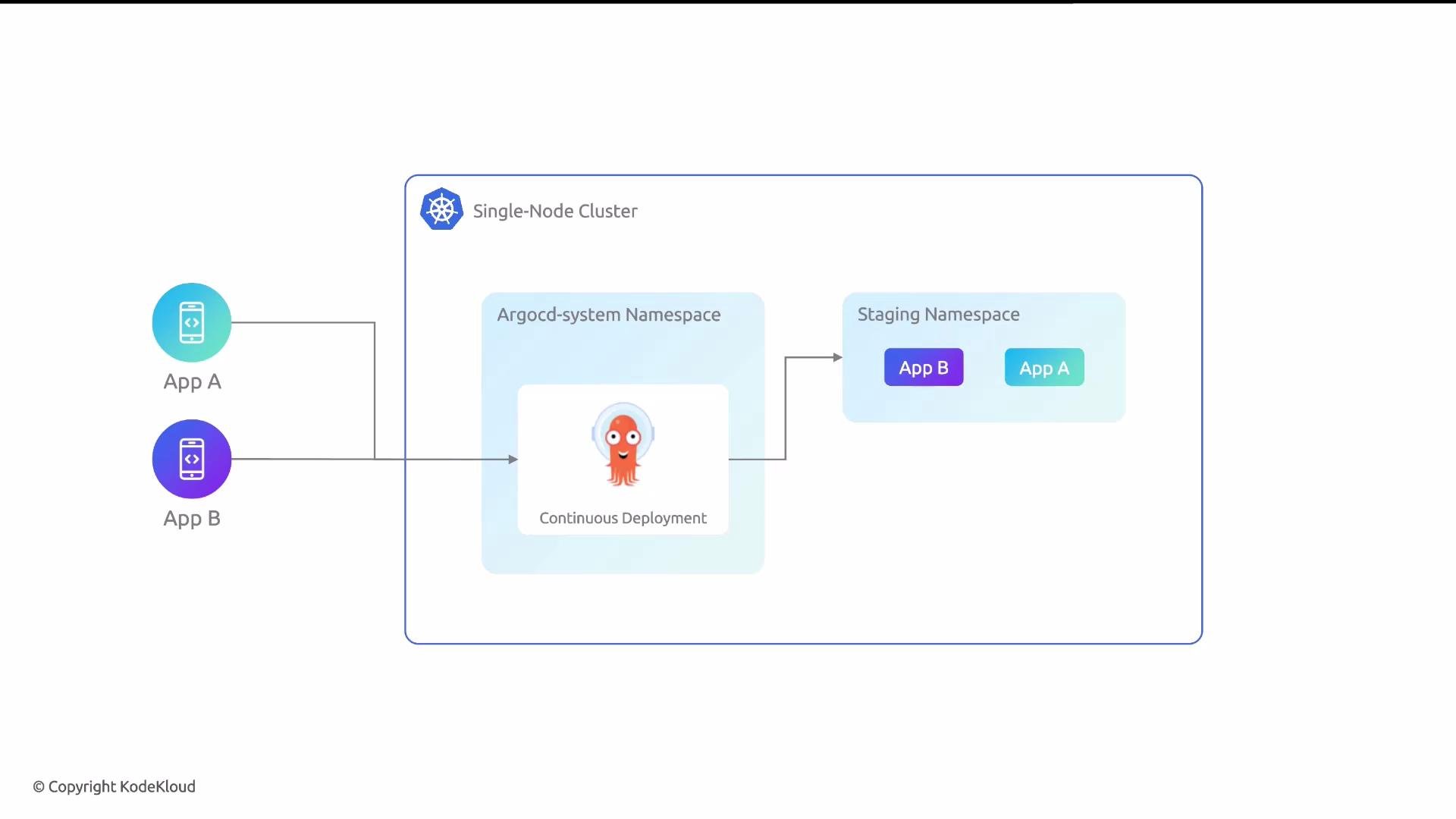
Why ArgoCD?
ArgoCD is a cluster-scoped GitOps controller that acts as the continuous-deployment engine for Kubernetes. It is designed to:- Continuously compare cluster state to Git and apply changes automatically.
- Provide a web UI for visualizing and managing applications.
- Support declarative application definitions (manifests, Helm, Kustomize, etc.).
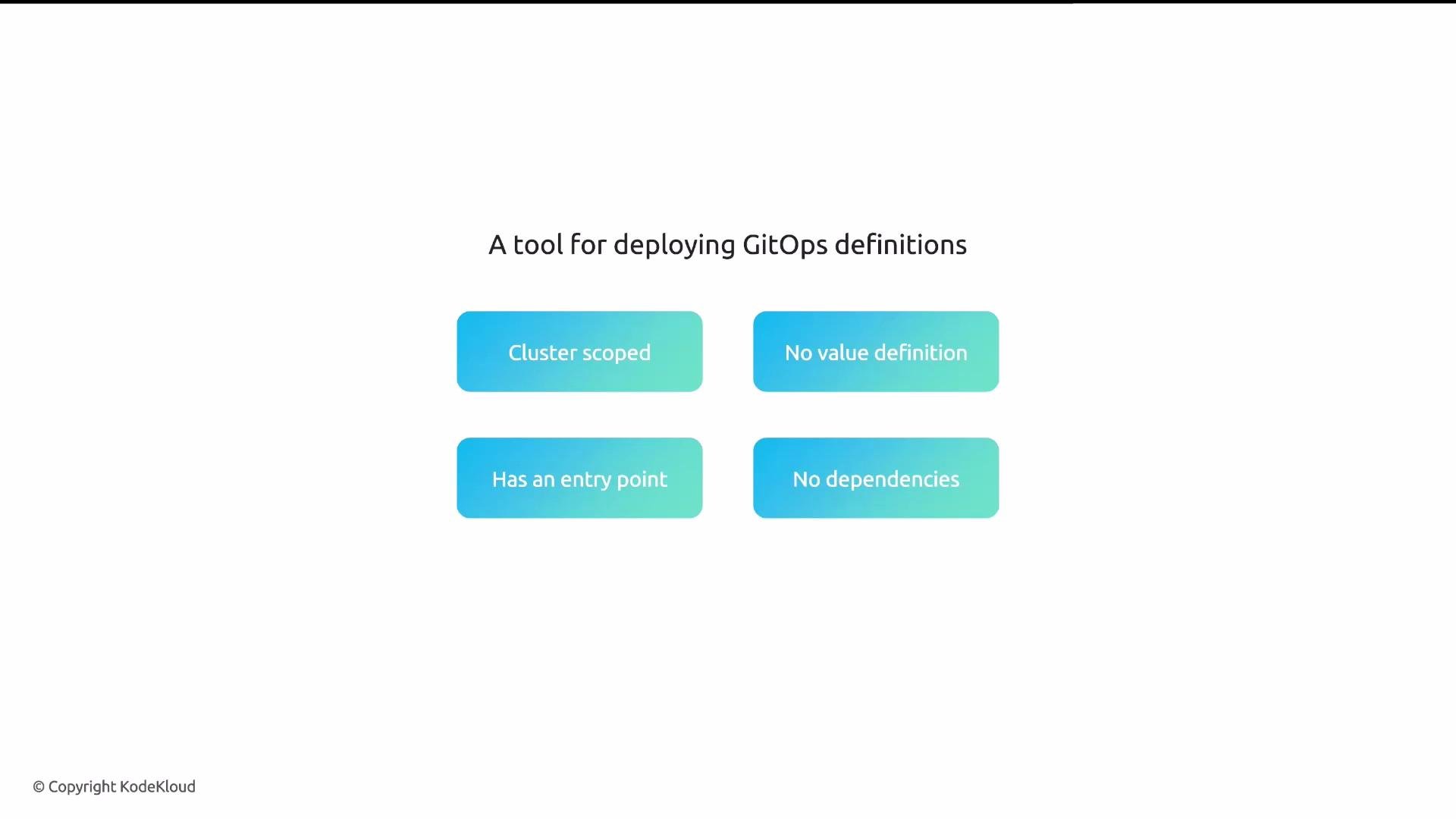
Install ArgoCD using Glasskube CLI
Use the Glasskube CLI to install ArgoCD into your cluster. The example below demonstrates a typical interactive installation session.argocd namespace (or the namespace configured by Glasskube). After installation, ArgoCD exposes a web UI that you can open via the Glasskube dashboard.
Retrieve the initial admin password
ArgoCD generates a one-time admin password at installation. Retrieve it with theargocd CLI:
admin and the printed initial password. After logging in, immediately update the password:
For production environments: serve the ArgoCD UI over HTTPS, rotate the default
admin password immediately, and consider integrating Single Sign-On (SSO) and role-based access controls. Also restrict UI access using network policies or an authenticated ingress.Access the ArgoCD dashboard via Glasskube
After installation and authentication, open the ArgoCD entry point from the Glasskube dashboard. In local setups you may need to accept a browser security exception when using HTTP or a self-signed certificate.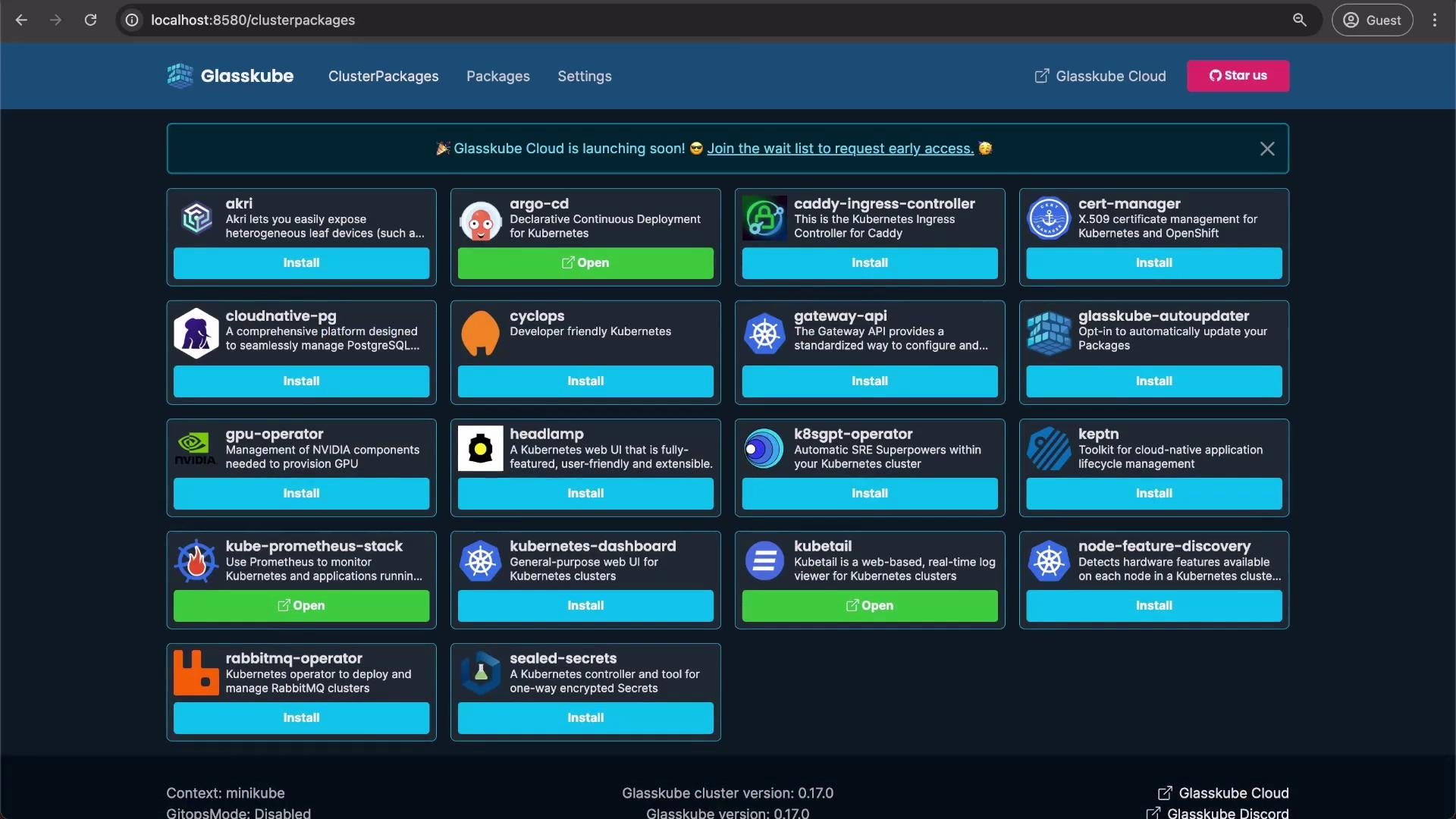
If you expose ArgoCD directly (NodePort/LoadBalancer) for testing, ensure you secure the endpoint. Avoid leaving the initial admin password unchanged or exposing the UI without authentication in non-development environments.
Next steps
- Connect ArgoCD to your application Git repositories and create Application resources (manifests, Helm charts, or Kustomize overlays).
- Configure automated sync and health checks for GitOps-driven rollouts.
- Integrate ArgoCD with observability and alerting systems for deployment monitoring.
- ArgoCD documentation: https://argo-cd.readthedocs.io/
- ArgoCD CLI reference: https://argo-cd.readthedocs.io/en/stable/cli_installation/
- Glasskube (installation UI/CLI): check your project’s Glasskube documentation or repository for details.