

Why Containerization?
Imagine a scenario where a pharmaceutical company hosts its website (www.pharmaceutical.com) with various teams responsible for different sections. For example, the product team updates product details, the shipping team manages delivery information, and the sales team monitors performance. When one team (say, the product team) introduces a change that inadvertently breaks the website, the entire system can be adversely affected. This issue is common in monorepos, where all code shares the same repository and infrastructure, making scalability a challenge.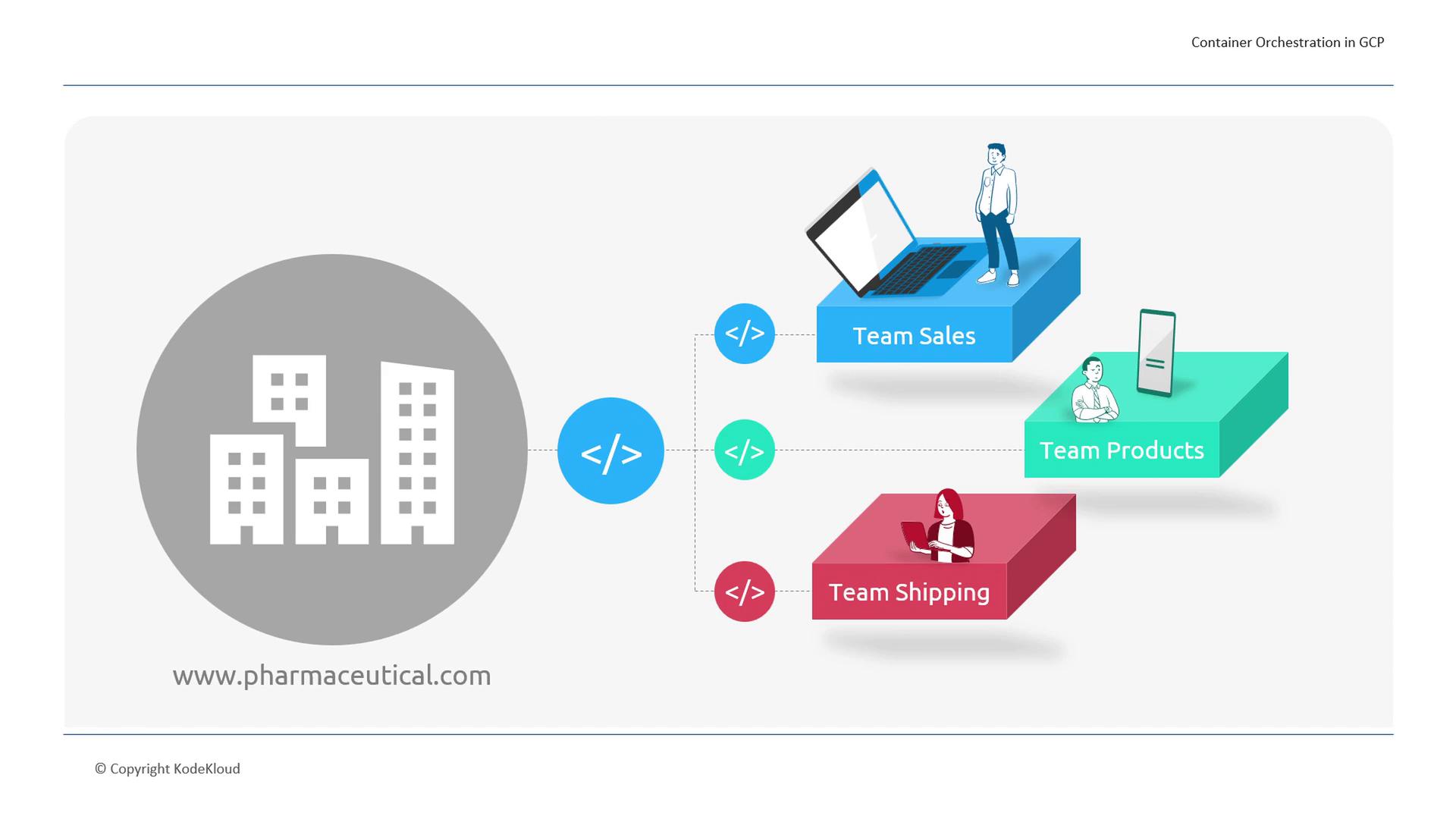
Standardizing Environments and Deployment
Deploying software across varied client environments can be problematic. Consider mobile apps, which are designed for specific operating systems like iOS or Android. The consistency of these operating systems ensures that an app will run reliably on any device using the same platform. Containerization extends this assurance to software development by packaging applications with all necessary dependencies into containers. This encapsulation guarantees that the code runs consistently regardless of the deployment environment, allowing developers to concentrate on enhancing application features rather than managing diverse system configurations.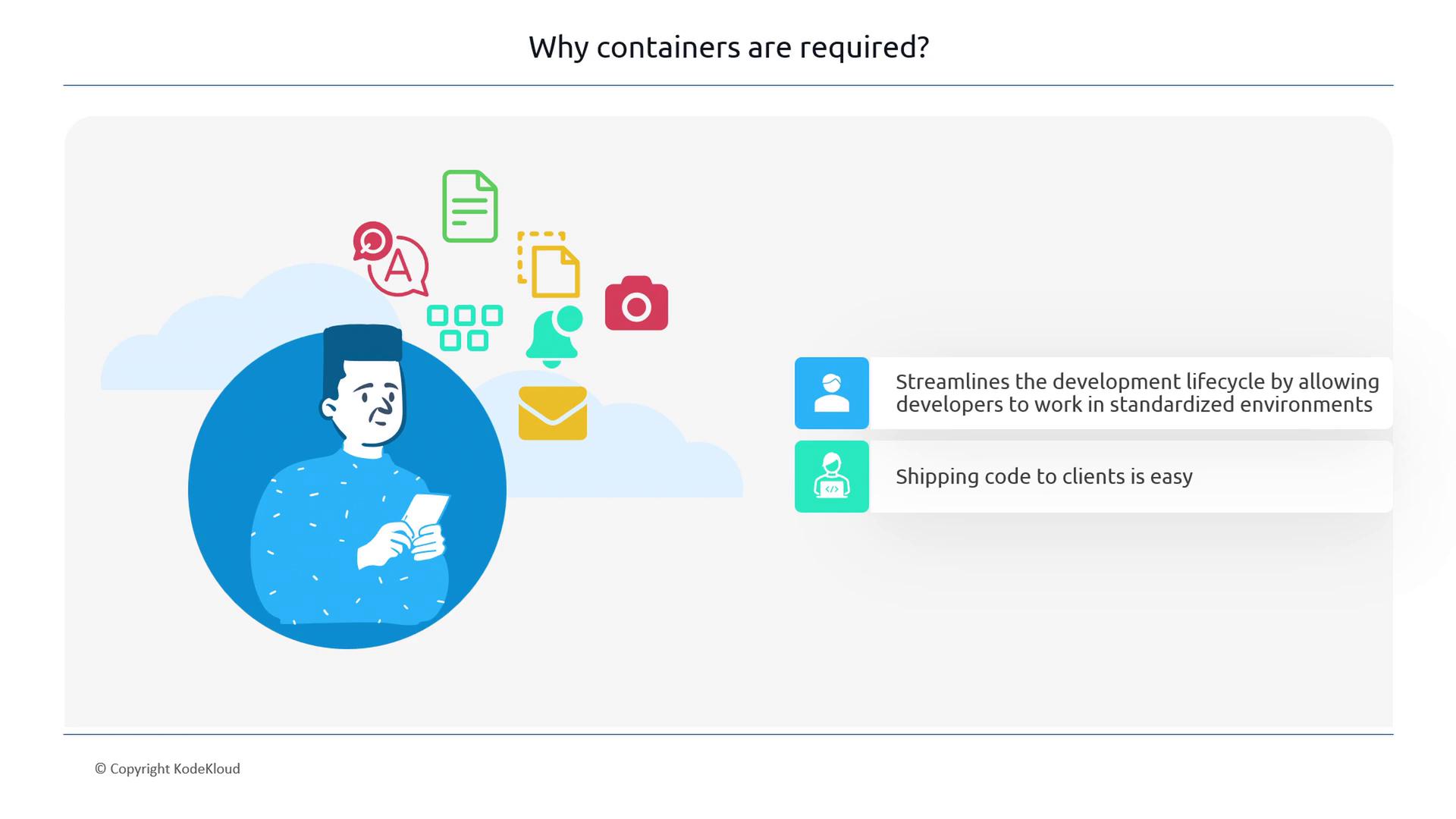
Virtualization with Docker
Virtualization is the key technology that enables containerization. Docker, one of the leading tools in this space, creates containers (or images) that encapsulate an application along with all its dependencies. When an application is containerized, its image can be shared and executed on any system equipped with the necessary virtualization software. This process mirrors the way mobile operating systems, such as iOS or Android, standardize software behavior across devices, ensuring that containerized applications are both reliable and portable.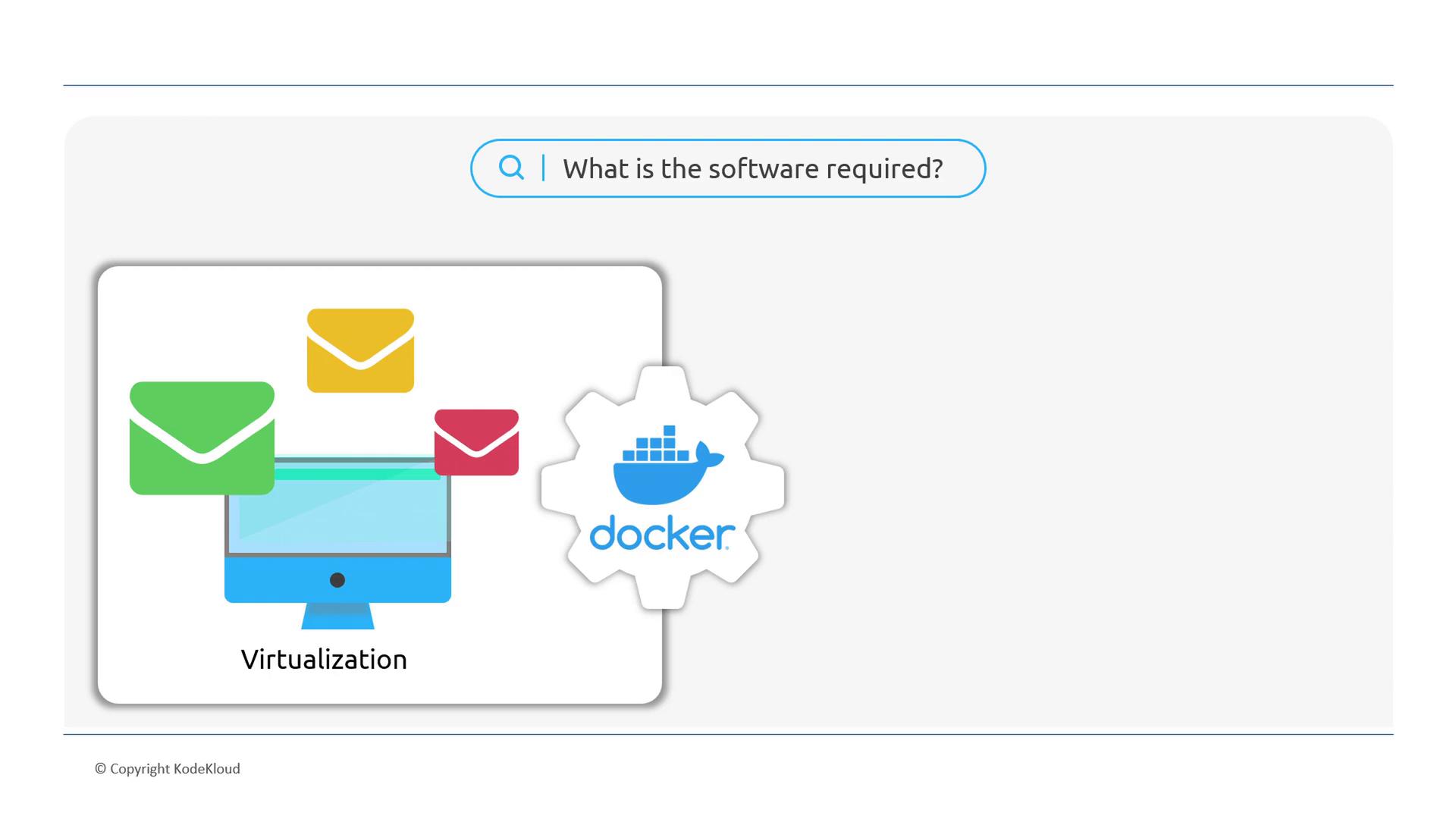
Orchestrating Containers in GCP
With a solid understanding of containerization and virtualization, we now shift our focus to container orchestration in GCP. GCP offers robust services designed specifically to deploy, manage, and scale containerized applications efficiently in the cloud. These services simplify complex deployment scenarios, enabling seamless management of container clusters.For further details on the orchestration services available in GCP, be sure to check out the Google Kubernetes Engine (GKE) documentation.
| Service Type | Description | Example Usage |
|---|---|---|
| Google Kubernetes Engine | Managed Kubernetes clusters for container orchestration | Deploy and scale containerized applications |
| Cloud Run | Serverless platform for running containers | Run stateless containers without managing servers |
| Compute Engine | Scalable virtual machines that host containers | Run custom container orchestration setups |