


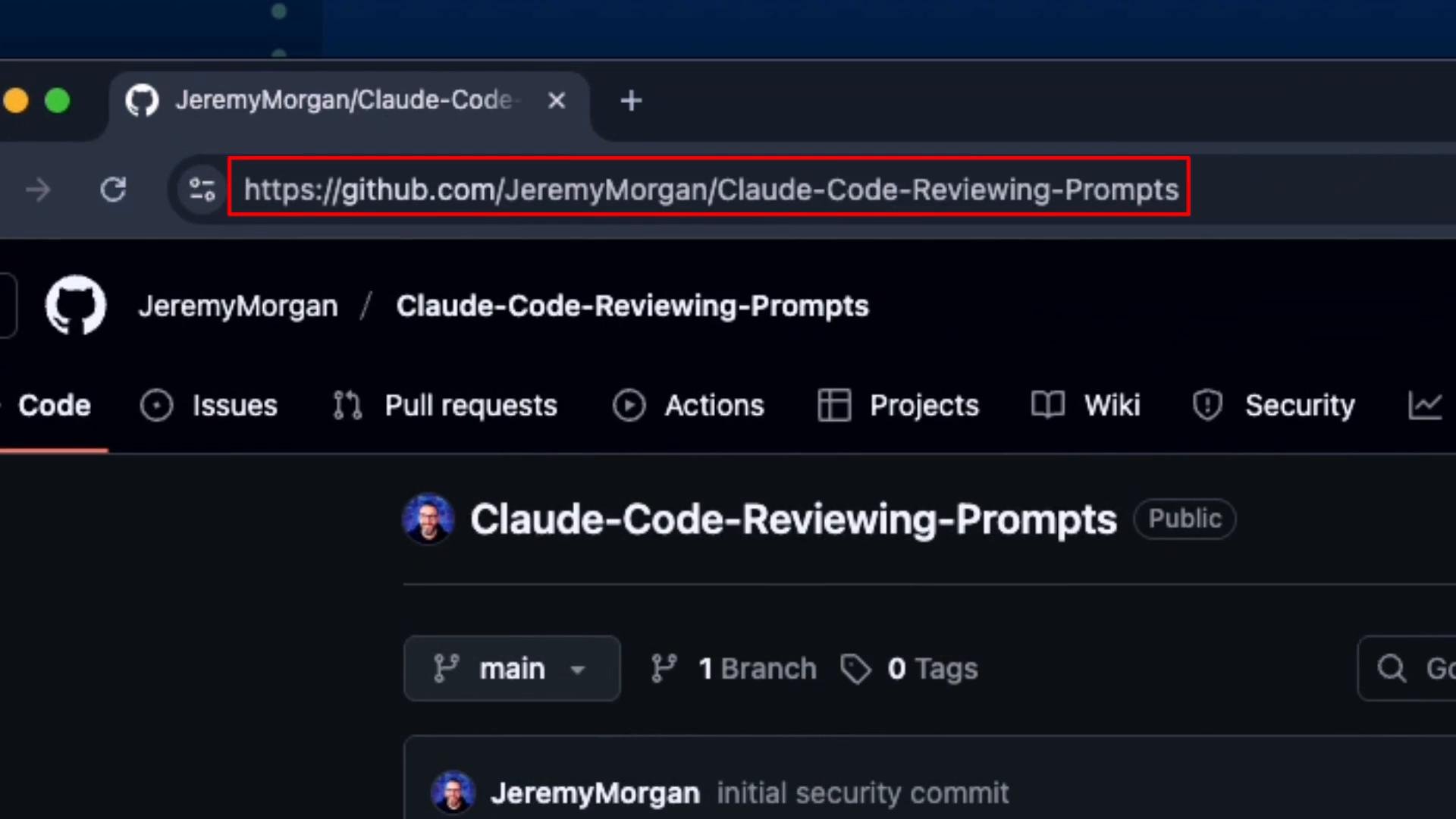
- Repository: github.com/JeremyMorgan/CodeCodeReviewingPrompts
Naming Convention & Code Readability Audit (Consolidated)
Executive summary:- Purpose: Evaluate naming conventions, consistency, readability, and function signatures in the Express Login Demo.
- Outcome: Strong naming practices with a few focused improvements that will significantly help maintainability and debugging.
- Final Score: 8.0 / 10
1. NAMING CONVENTIONS (Score: 8/10)
Variable Naming — EXCELLENT (Importance: 9/10)
Findings:- Consistent use of descriptive camelCase variable names across the codebase.
- Variables like
userQuery,userResult, andisPasswordValidcommunicate intent clearly.
- Keep using domain-specific, descriptive variable names. They aid readability and reduce comment noise.
Function Naming — GOOD (Importance: 8/10)
Findings:- Functions are typically action-oriented (verb-based).
- Some route handlers are defined inline as anonymous arrow functions; naming them improves stack traces and traceability.
Constants Naming — EXCELLENT (Importance: 7/10)
Findings:- Constants are used, but there are still inlined magic numbers and strings (HTTP codes, validation min-lengths). Recommendation:
- Centralize shared constants (HTTP codes, domain constraints) in a single module like
constants.jsorconfig/constants.js.
2. NAMING CONSISTENCY (Score: 9/10)
Findings:- JavaScript code follows camelCase consistently.
- Database fields use snake_case (a common PostgreSQL convention).
- Terminology (authentication vs authorization) is used consistently across the codebase.
- Document these conventions in README or CONTRIBUTING to onboard new contributors quickly.
3. CODE READABILITY (Score: 7/10)
Self-documenting Code & Comments
Findings:- Descriptive identifiers make most code self-explanatory.
- Minimal comments are used appropriately for non-obvious rationale.
- Prefer small, well-named functions over long blocks with explanatory comments.
Magic Numbers / Strings — NEEDS IMPROVEMENT (Importance: 8/10)
Examples of inlined values:Boolean Expressions & Ternaries
Findings:- Logic is generally simple and readable; no excessive ternary usage.
4. FUNCTION SIGNATURES (Score: 8/10)
Findings:- Function parameter counts are reasonable.
- No prevalent boolean-flag parameters.
- Async code uses async/await consistently.
- Anonymous async route handlers reduce diagnostic clarity in stack traces.
5. PROPOSED NAMING CONVENTION GUIDE (for this codebase)
- Variables & functions: camelCase. Prefer verb-based function names.
- Examples:
userQuery,isPasswordValid,loginHandler
- Examples:
- Constants: use UPPER_SNAKE_CASE or export an object (e.g.,
HTTP_STATUS).- Examples:
DEFAULT_PORT,PASSWORD_MIN_LENGTHorHTTP_STATUS.BAD_REQUEST
- Examples:
- Database fields: snake_case (Postgres convention).
- Examples:
created_at,updated_at
- Examples:
- HTTP responses: consistent JSON structure. Prefer
{"error":"message"}or{"token": "...", "user": {...}}.
Small, consistent naming rules and a shared constants module dramatically improve cross-team readability and reduce debugging time. Consider adding these conventions to your README or CONTRIBUTING file.
6. PRIORITY REMEDIATION RECOMMENDATIONS (minimal, actionable)
Top 3 high-impact, low-risk changes to implement:-
Centralize magic numbers / configuration
- Add
constants.jsand exportHTTP_STATUS,PASSWORD_MIN_LENGTH,DEFAULT_PORT, etc. - Replace inlined numeric literals with these constants.
- Add
-
Name anonymous route handlers
- Replace inline anonymous async route handlers with named functions for clearer stack traces and logs.
-
Extract validation rules
- Move repeated validation rules (password constraints, email patterns) into a validation module.
Example code snippets to drop in:
When you centralize constants, run a quick global search-and-replace and test thoroughly. Changing references to constants can introduce runtime errors if imports or file paths are incorrect.
7. OVERALL ASSESSMENT
Strengths:- Strong naming consistency and domain terminology usage.
- Self-documenting code with clear function responsibilities.
- Predictable async patterns and JSON response formats.
- Centralize magic numbers and configuration values.
- Name anonymous route handlers to improve diagnostics and debugging.
- Consolidate validation rules and reuse them across routes.
If a referenced code location from this audit is not present in your repository, mark it as “Unable to verify” and include a short code snippet that would prove the issue — the audit already cites file:line markers when available. This completes the naming & readability audit for the Express Login Demo. A follow-up analysis will cover test coverage and quality metrics using similar scans and remediation suggestions.