1. Dead Code Elimination
Removing unused functions and redundant branches is the fastest way to get immediate savings. By running a dead code pass in your compiler or usingwasm-snip, you can:
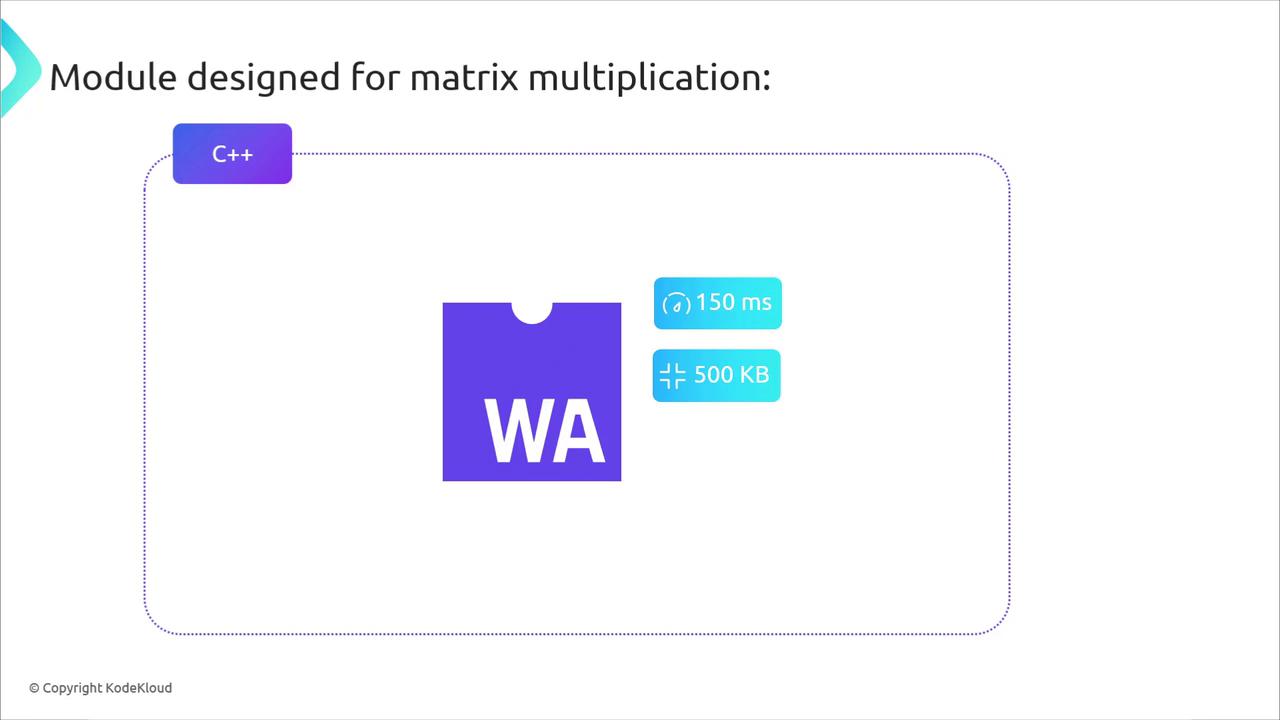
- Decrease binary size by ~100 KB (500 KB → 400 KB)
- Reduce execution time by ~10 ms (150 ms → 140 ms)
2. Post-Processing with wasm-opt
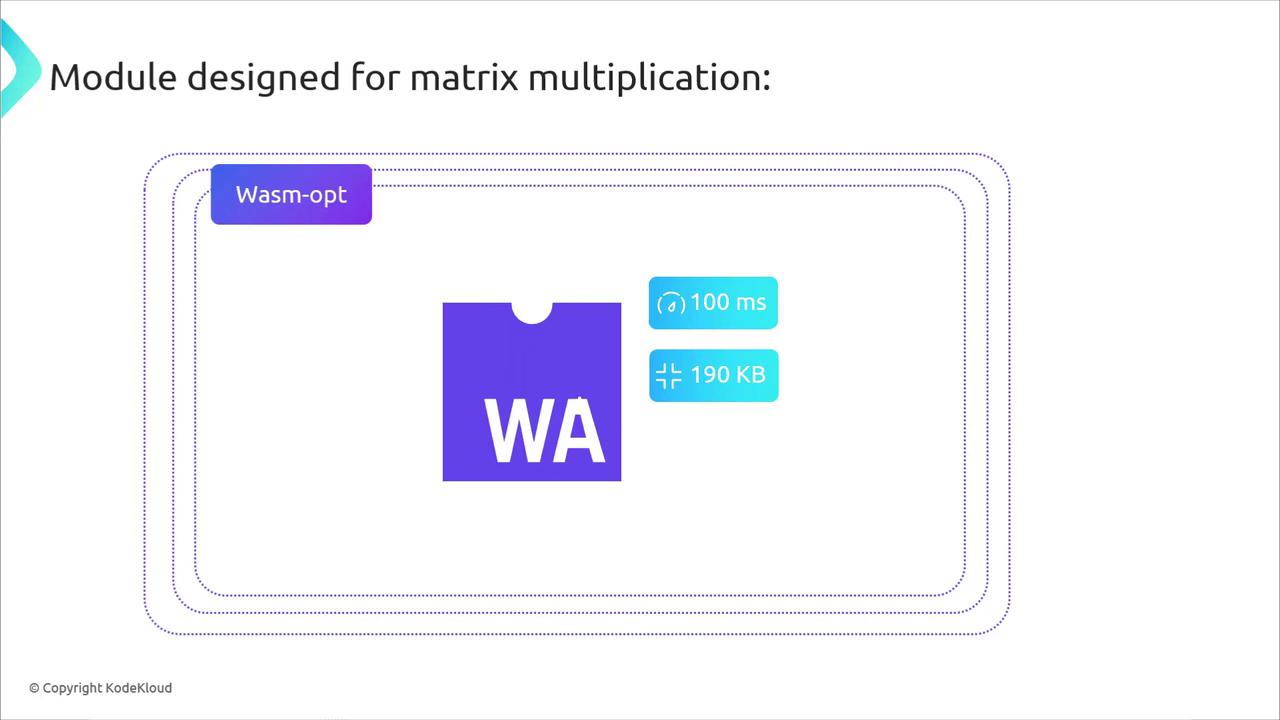
The Binaryen toolkit’swasm-opt applies aggressive size and speed rewrites:
- Size: 400 KB → ~190 KB
- Runtime: 140 ms → 100 ms
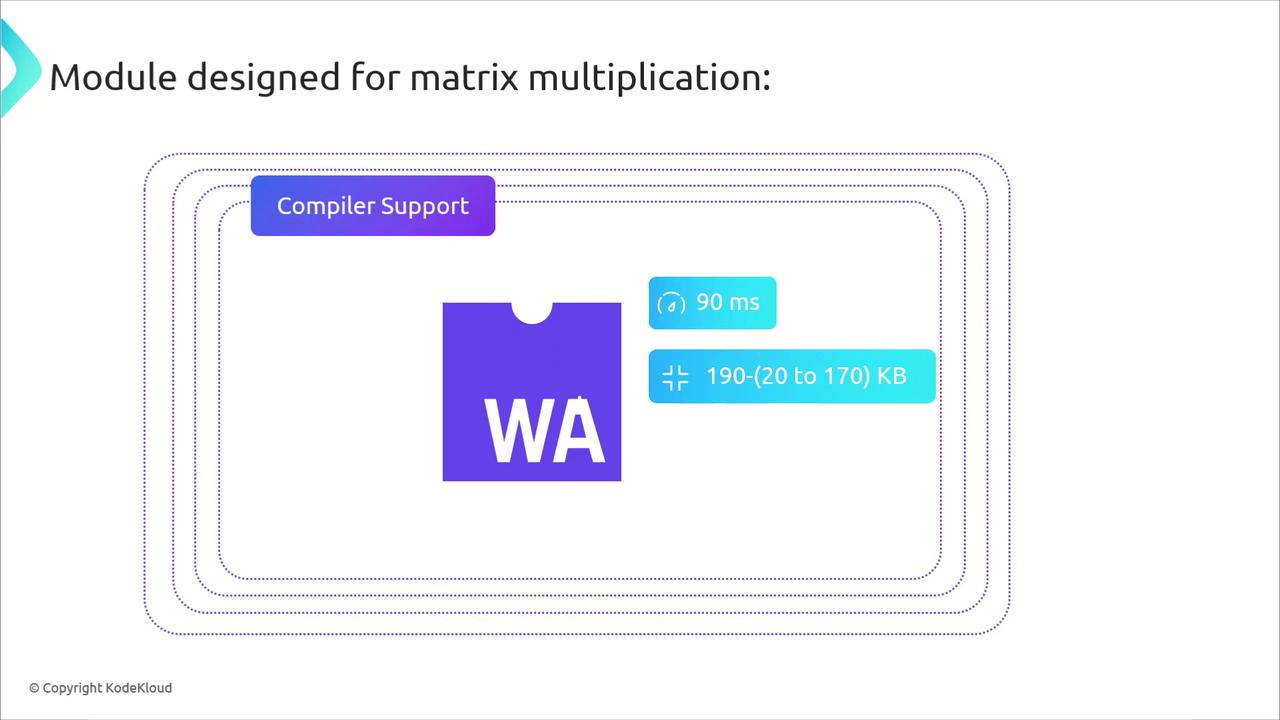
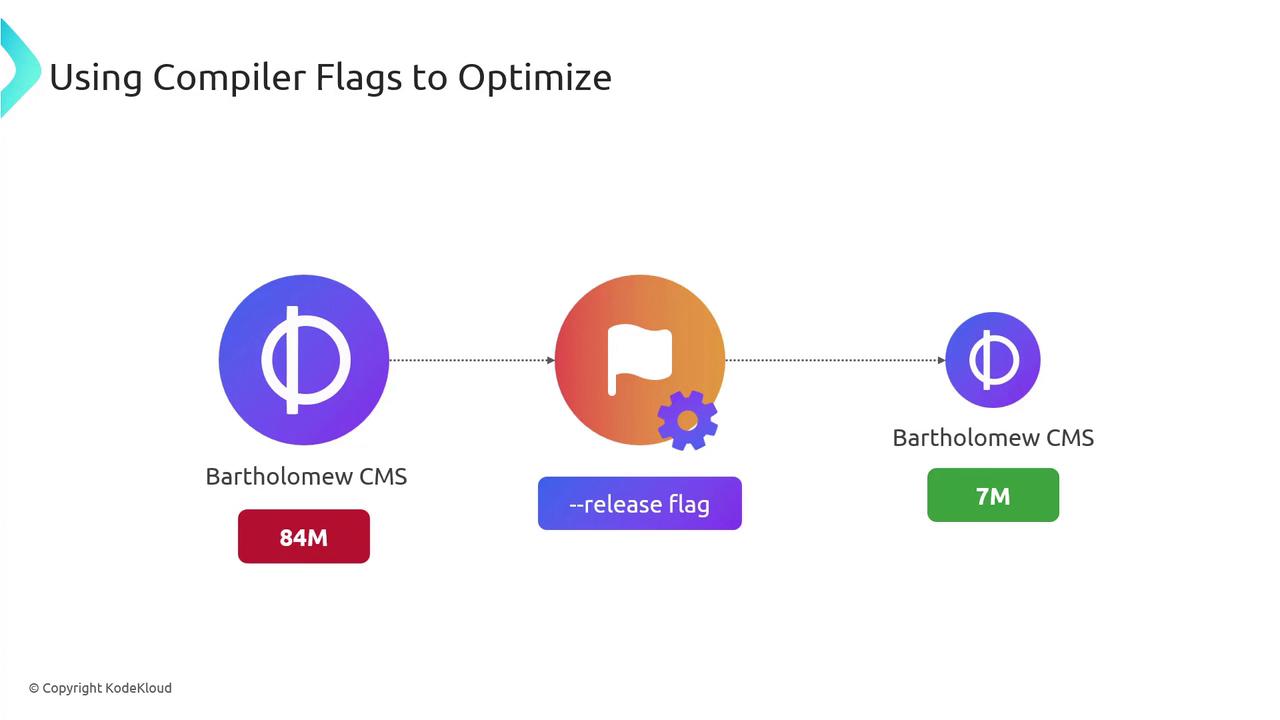
3. Compiler Flags for Maximum Speed
Leveraging Emscripten with-O3 and LTO can push performance further:
- Size: 190 KB → 170 KB
- Runtime: 100 ms → 90 ms
4. Efficient Memory Management
WASM’s linear memory model can leak if allocations aren’t released. Use tools like AddressSanitizer to catch issues:Always validate memory allocation and deallocation. Leaks in long-running modules can negate performance gains.
- Runtime: 90 ms → 85 ms
- Size: unchanged at 170 KB
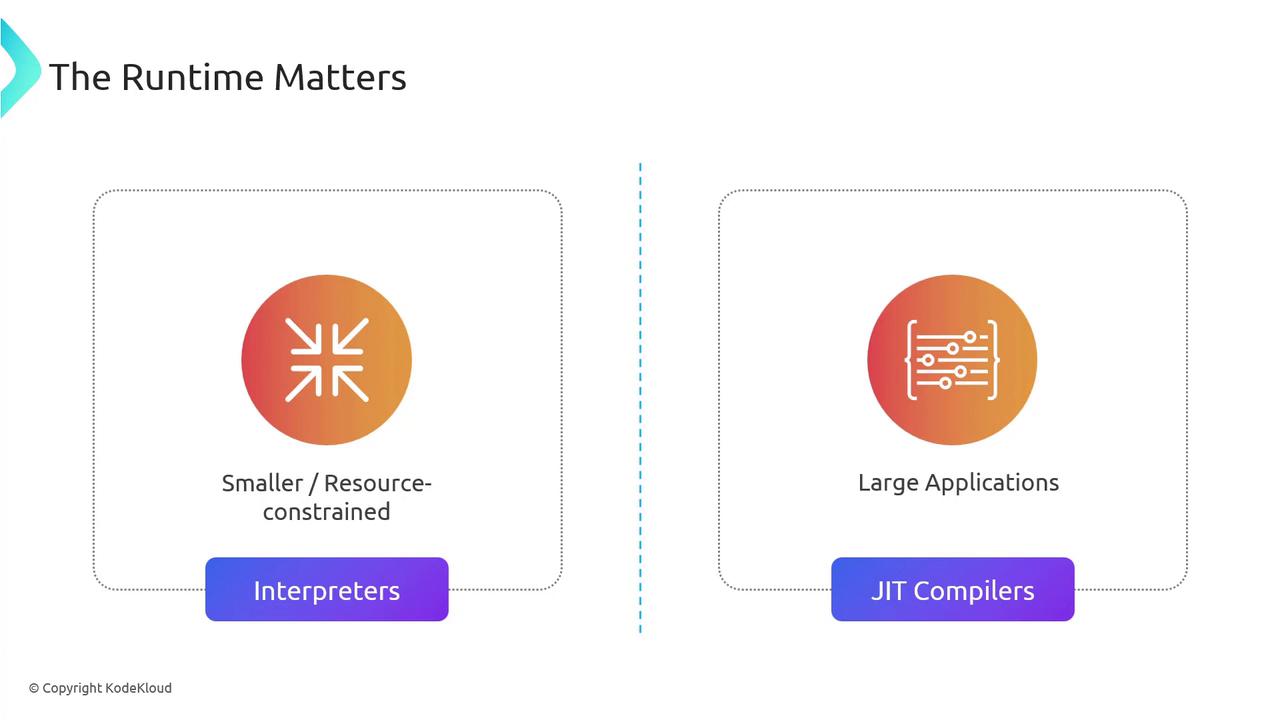
5. Runtime Selection: JIT vs. AOT
Choosing the right execution engine can yield major wins: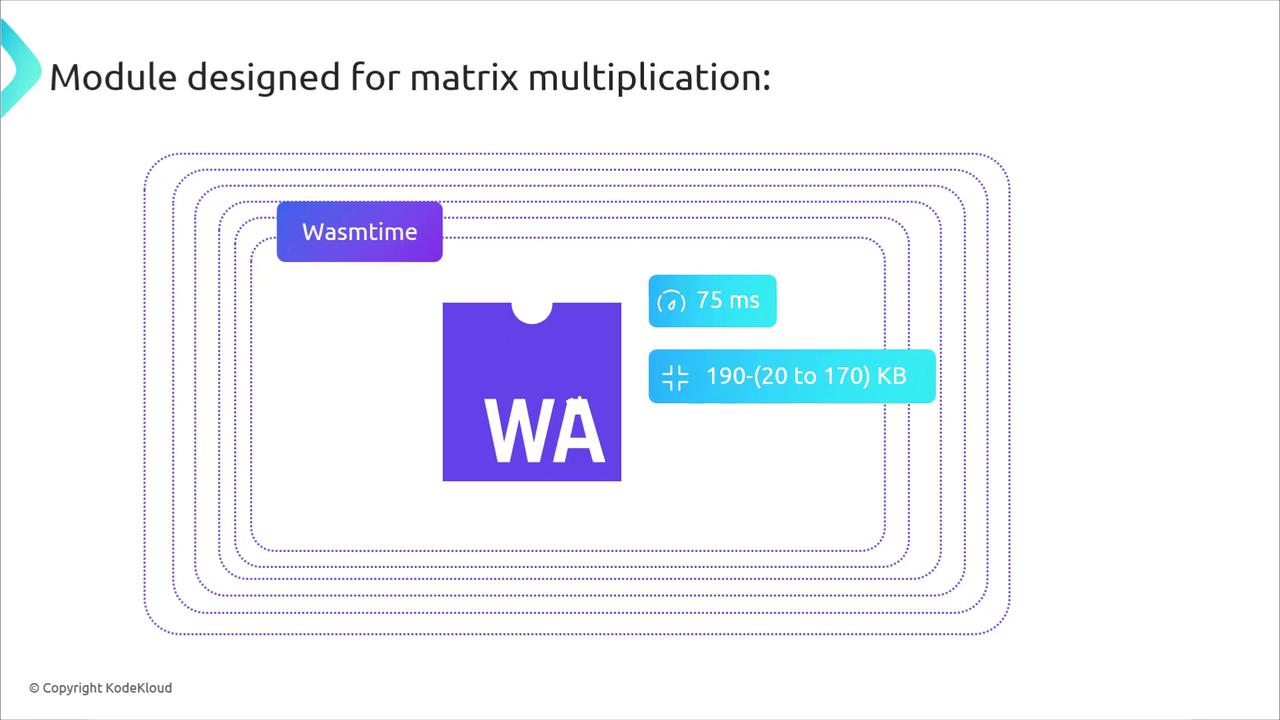
6. Pre-Initialization with Wizer
Wizer freezes module initialization state into the WASM binary. After the first run:- Cold-start time drops from 70 ms → 60 ms
- Size remains at 170 KB

7. Language Choice: C++ vs. Rust
Switching to Rust often produces smaller, faster binaries. In a Fermyon study:- Size: 170 KB → ~82.5 KB
- Runtime: 60 ms → 30 ms

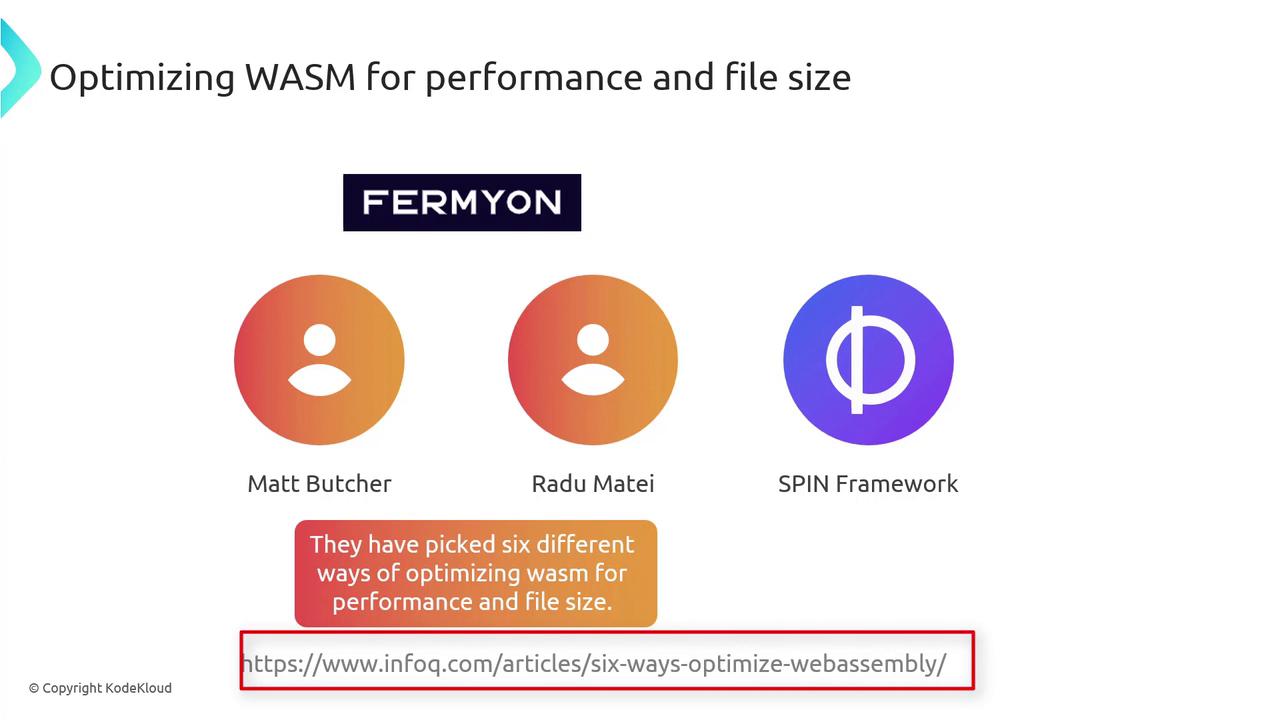
Fermyon’s research (Matt Butcher, Radu Matei) evaluated six optimization dimensions for file size and speed. Their key insights:
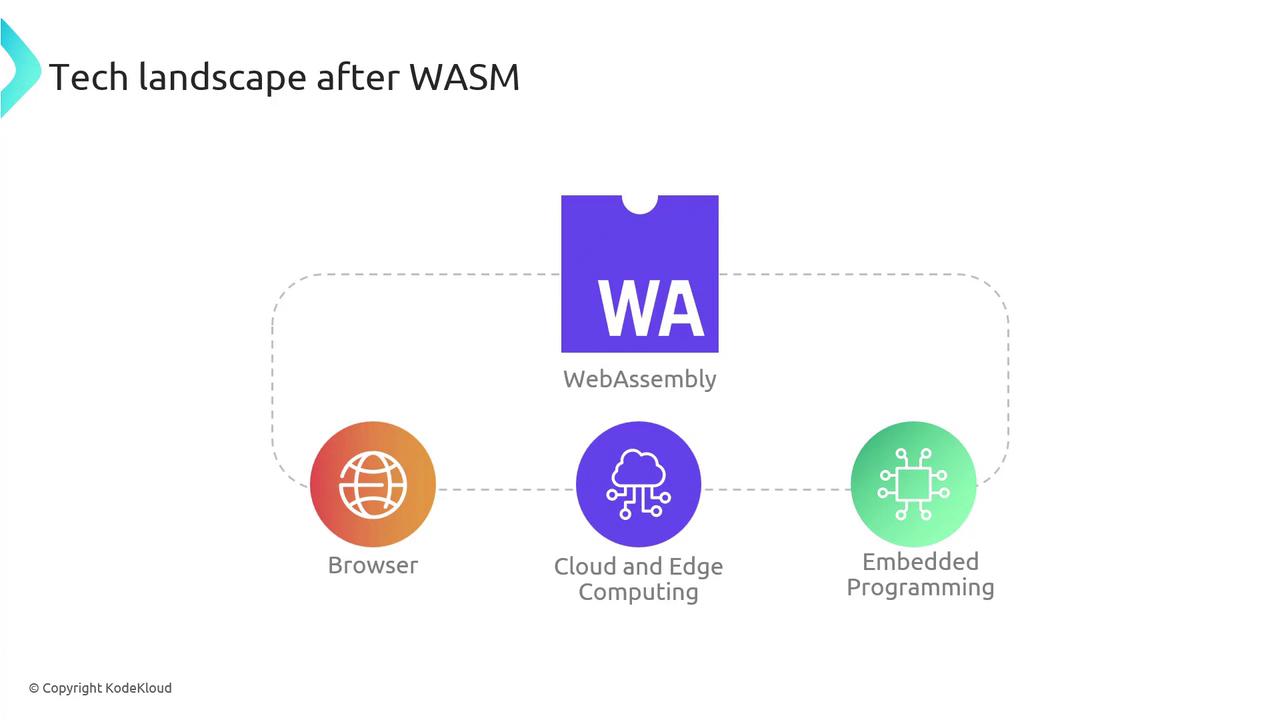
Optimizing WASM modules delivers fast load times, efficient resource usage, and better user experiences across browsers, cloud, edge, and embedded systems.
- Fast initialization is vital for web and serverless apps.
- Lower memory and CPU footprints empower mobile and IoT devices.
- Responsive performance boosts user satisfaction.