- Manual service discovery and load balancing
- Inconsistent inter-service communication
- Ad-hoc security implementations
- Tight platform coupling
- Extensive boilerplate setup
Key Challenges in WebAssembly Development
1. Service Discovery and Load Balancing
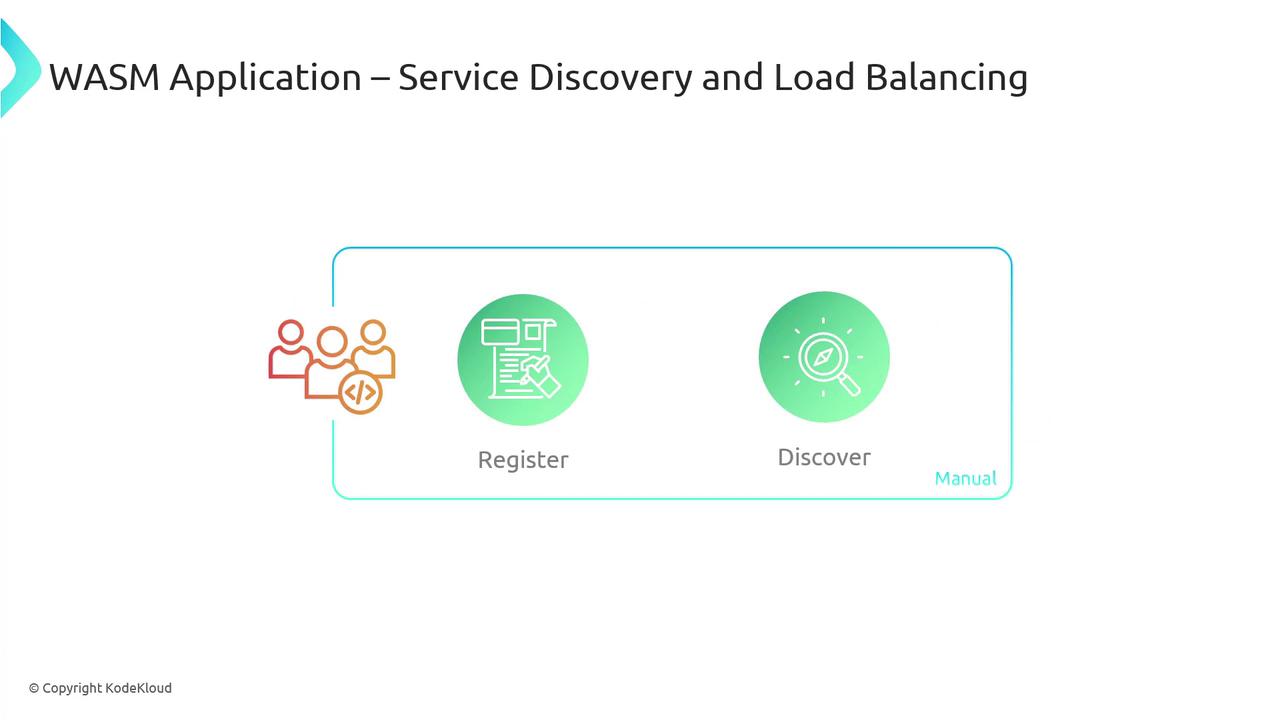
Automating service mesh features reduces human error and accelerates deployment.
2. Inter-Service Communication
Without a standard messaging protocol, each service pair requires custom wiring:3. Security
Ad-hoc authentication and encryption may drift from best practices, introducing vulnerabilities.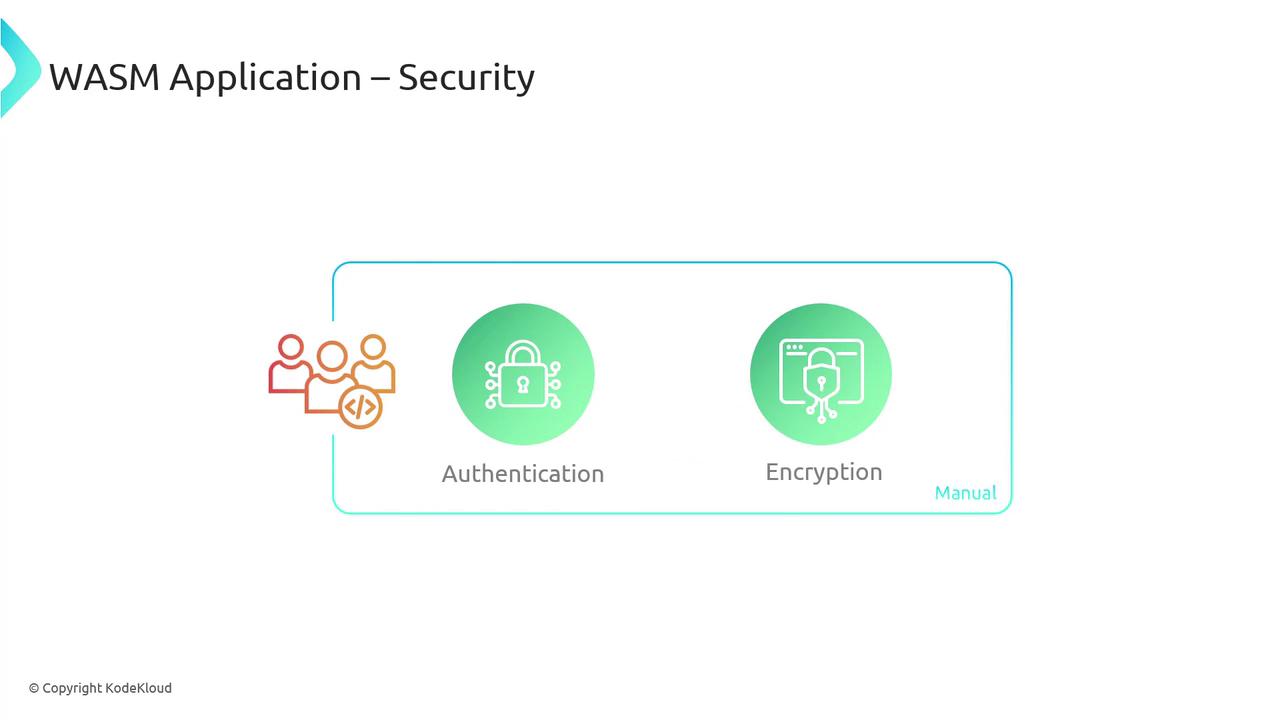
4. Platform Integration
Directly embedding platform-specific code couples your modules tightly: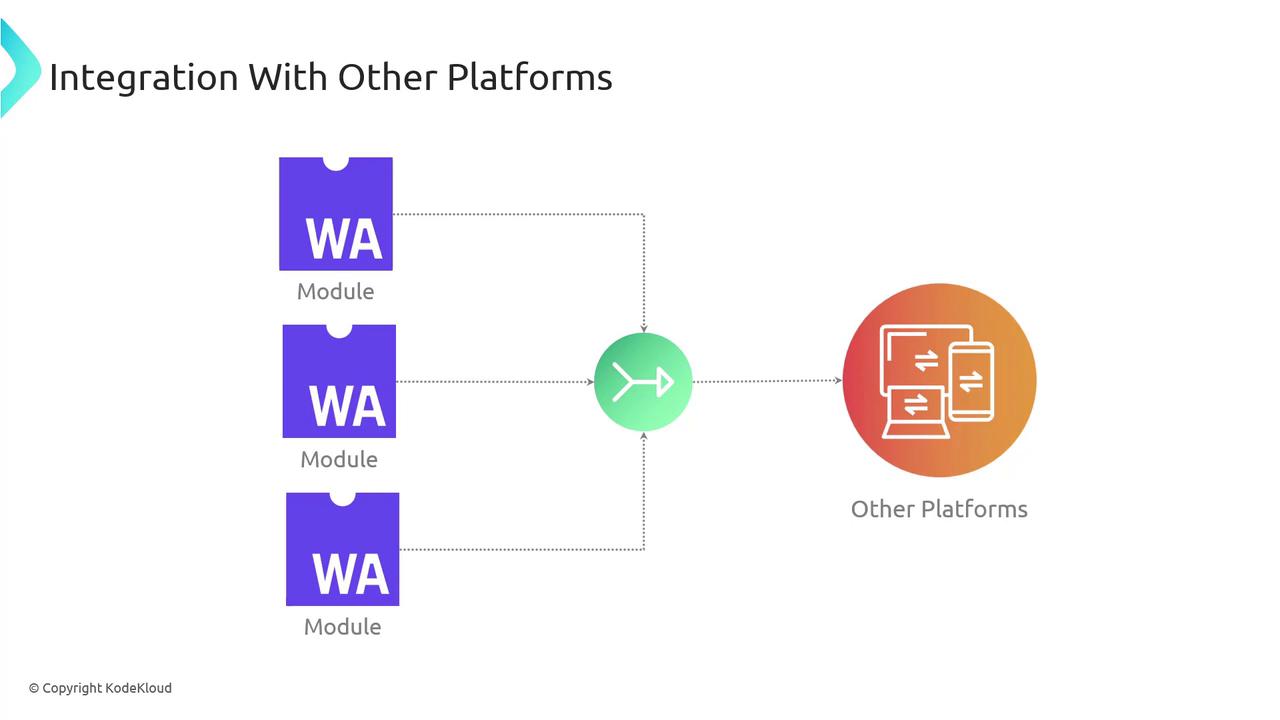
5. Boilerplate Overhead
Spinning up each service often requires repetitive setup, slowing down feature development:Excessive boilerplate can lead to inconsistent deployments and makes refactoring difficult.
Introducing Robust Solutions
Imagine a streamlined workflow where service mesh, secure messaging, and deployment are automated. Two frameworks stand out:Fermyon Spin
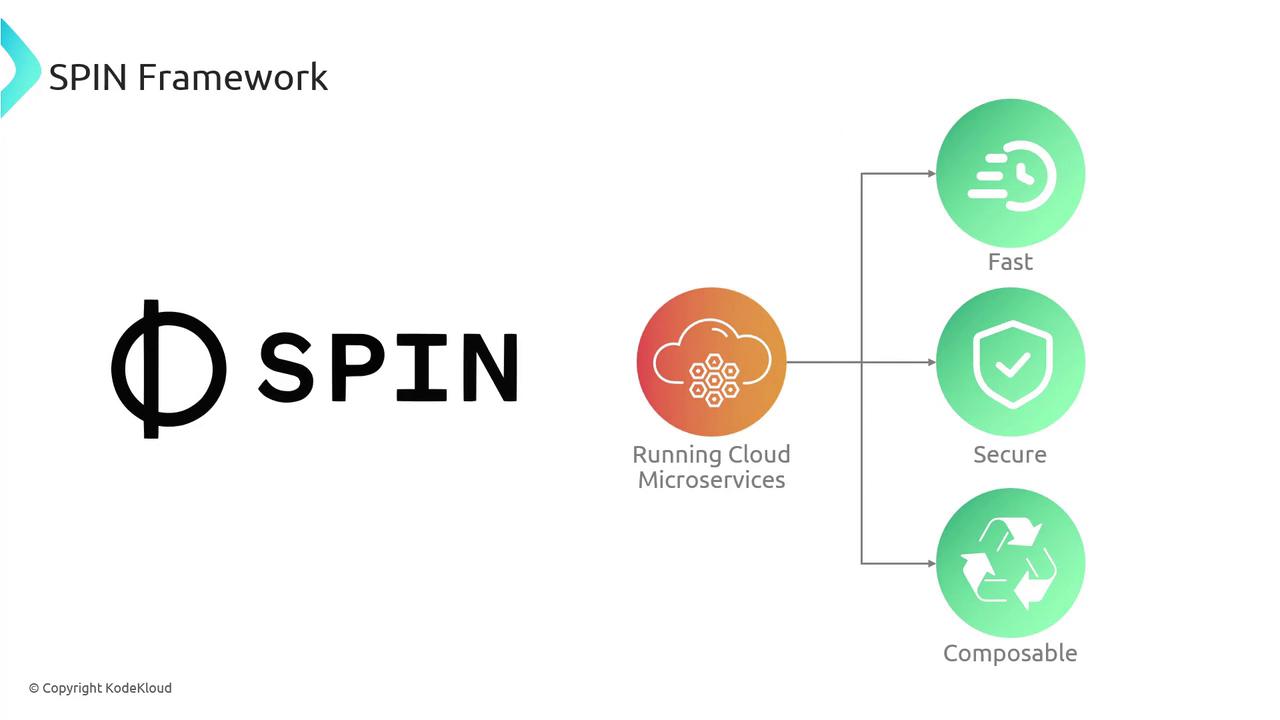
Spin is an open-source CLI-based framework for building, deploying, and running WASM microservices. It emphasizes:- Fast scaffolding and local iteration
- Secure defaults (e.g., sandboxed WASM)
- Composable components aligning with the WebAssembly Component Model
WasmCloud
WasmCloud is a runtime and toolkit for distributed computing that runs anywhere—cloud, edge, IoT, or browser. It offers:- Enterprise-grade service discovery and load balancing
- Secure inter-service messaging out of the box
- Actor-model abstraction reduces boilerplate