JavaScript
JavaScript is the de facto scripting language of the web. Every browser supports it, and its mature ecosystem enables rapid UI development.Key Features
-
Ubiquity
Supported across all major browsers and platforms. -
Rich Ecosystem
Frameworks like React, Angular, and Vue.js accelerate development of SPAs and PWA. -
Dynamic UI Handling
Ideal for DOM manipulation, event handling, and real-time updates.
JavaScript engines (V8, SpiderMonkey, WebKit) continually optimize performance.
Real-Time Input Validation
WebAssembly
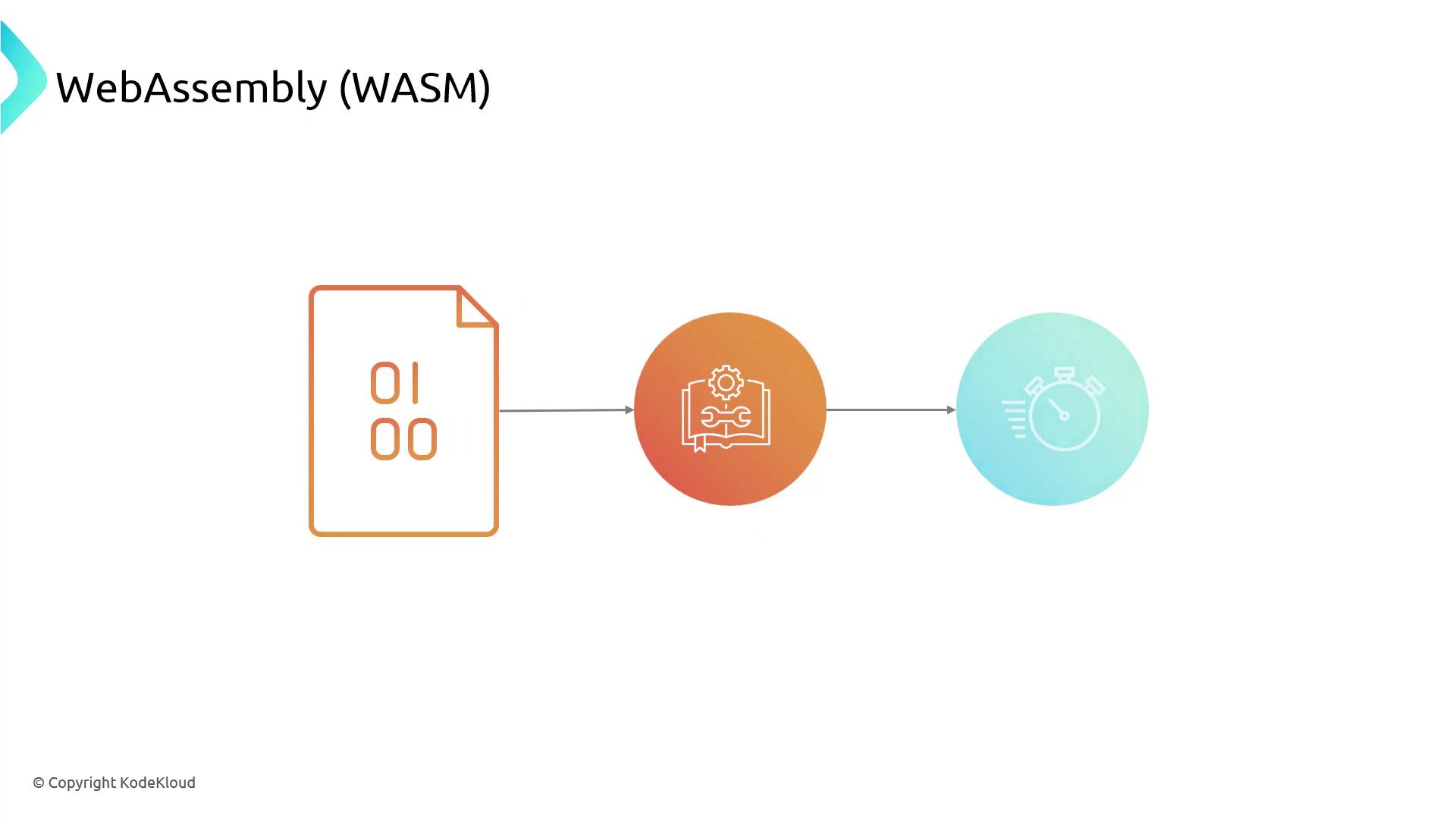
WebAssembly delivers near-native speed in browsers. Compile C, C++, or Rust to a compact binary and call it from JavaScript.Key Features
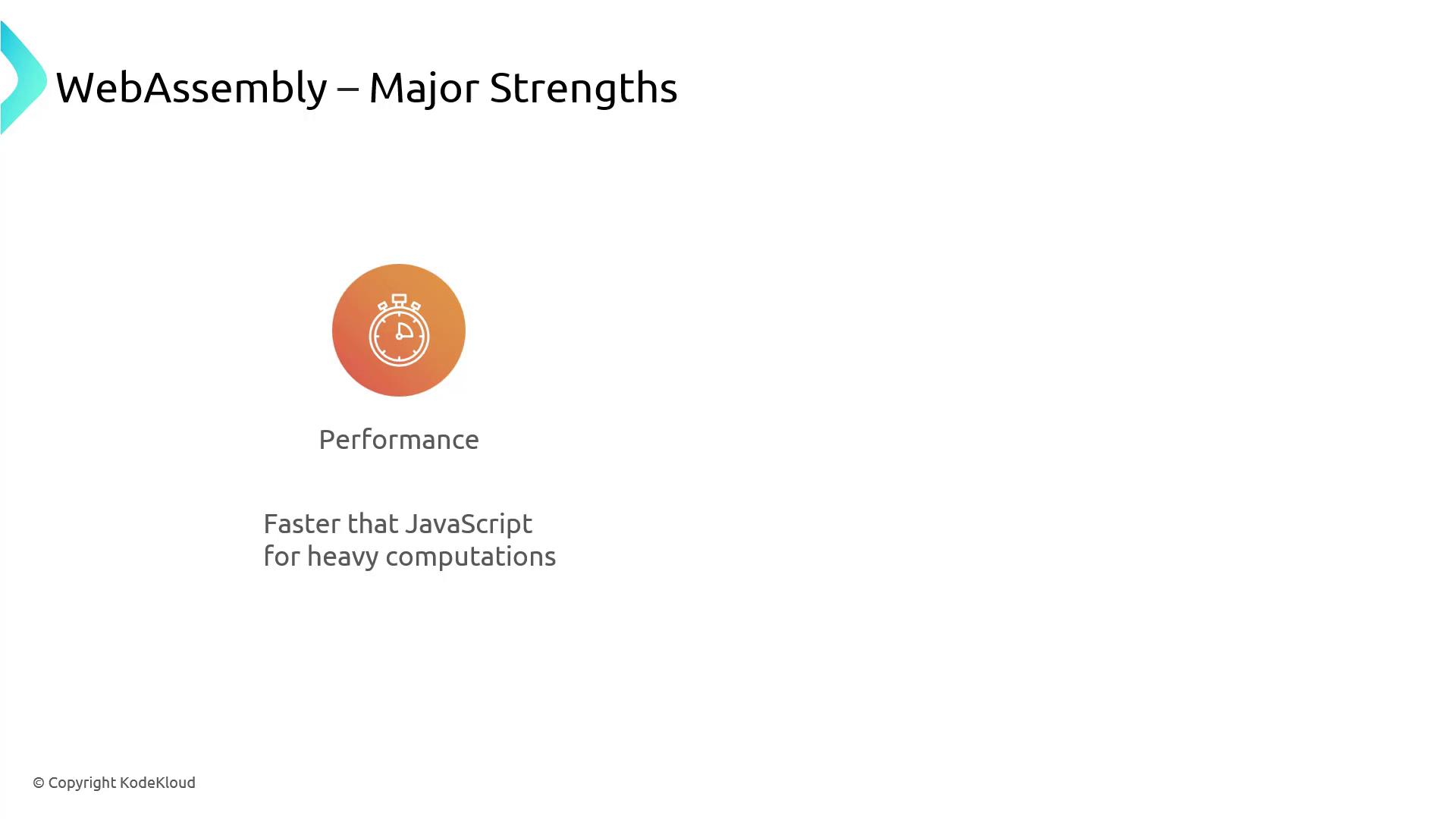
- Performance
Executes compute-intensive code faster than JavaScript.
- Language Flexibility
Write in C/C++, Rust, Go, or AssemblyScript, then compile to WASM.
WASM binaries can increase payload size. Use gzip compression and code splitting to minimize download time.
Example: Compiling C to WASM
Comparing JavaScript and WebAssembly
Synergy: JavaScript + WebAssembly
Combine JavaScript’s DOM access with WASM’s speed to build responsive, compute-heavy applications.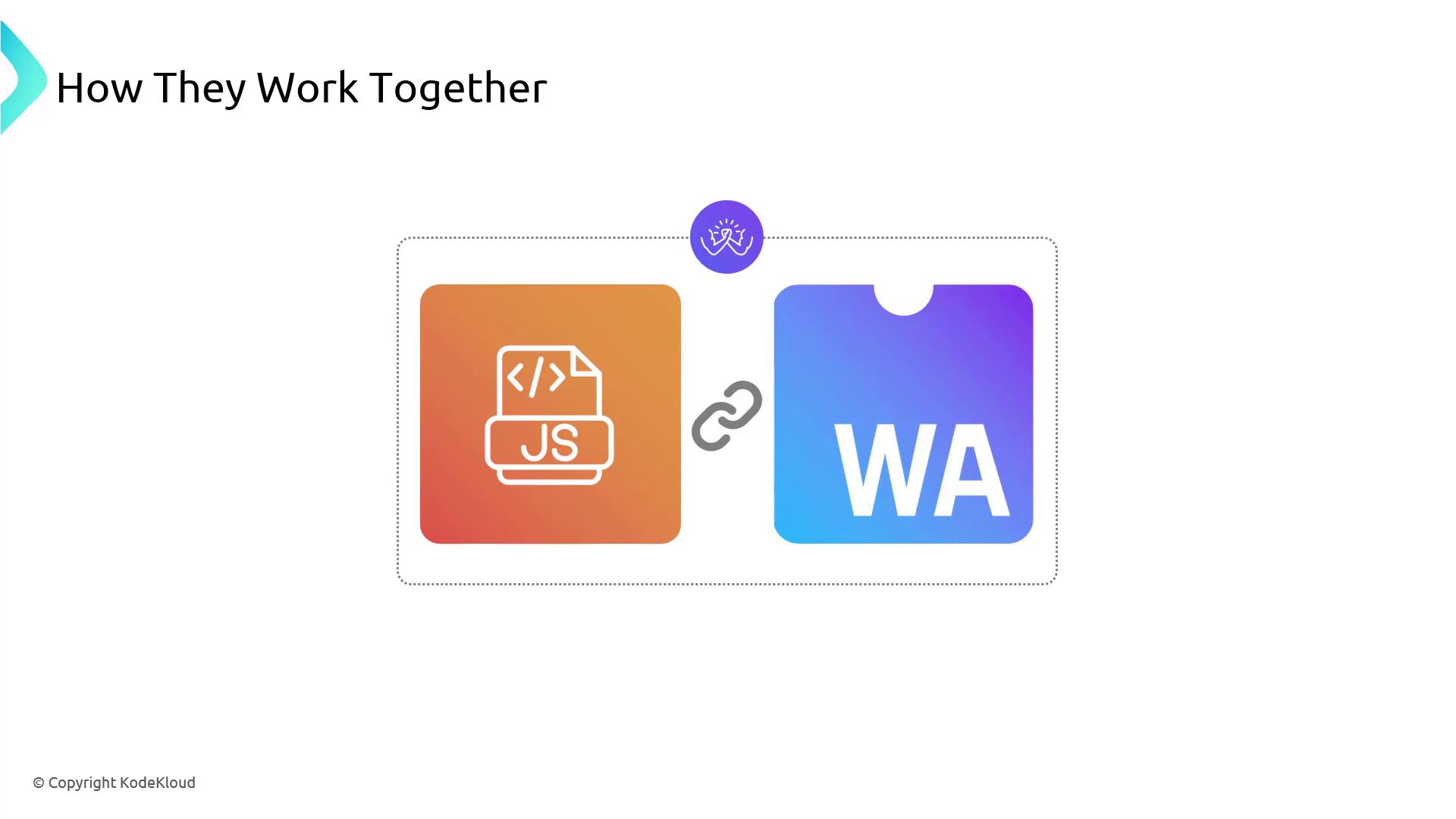
Use Case: Image Processing Web App
- JavaScript’s Role
- UI Components: Buttons, sliders, filters.
- Event Handling: Capture clicks and slider input.
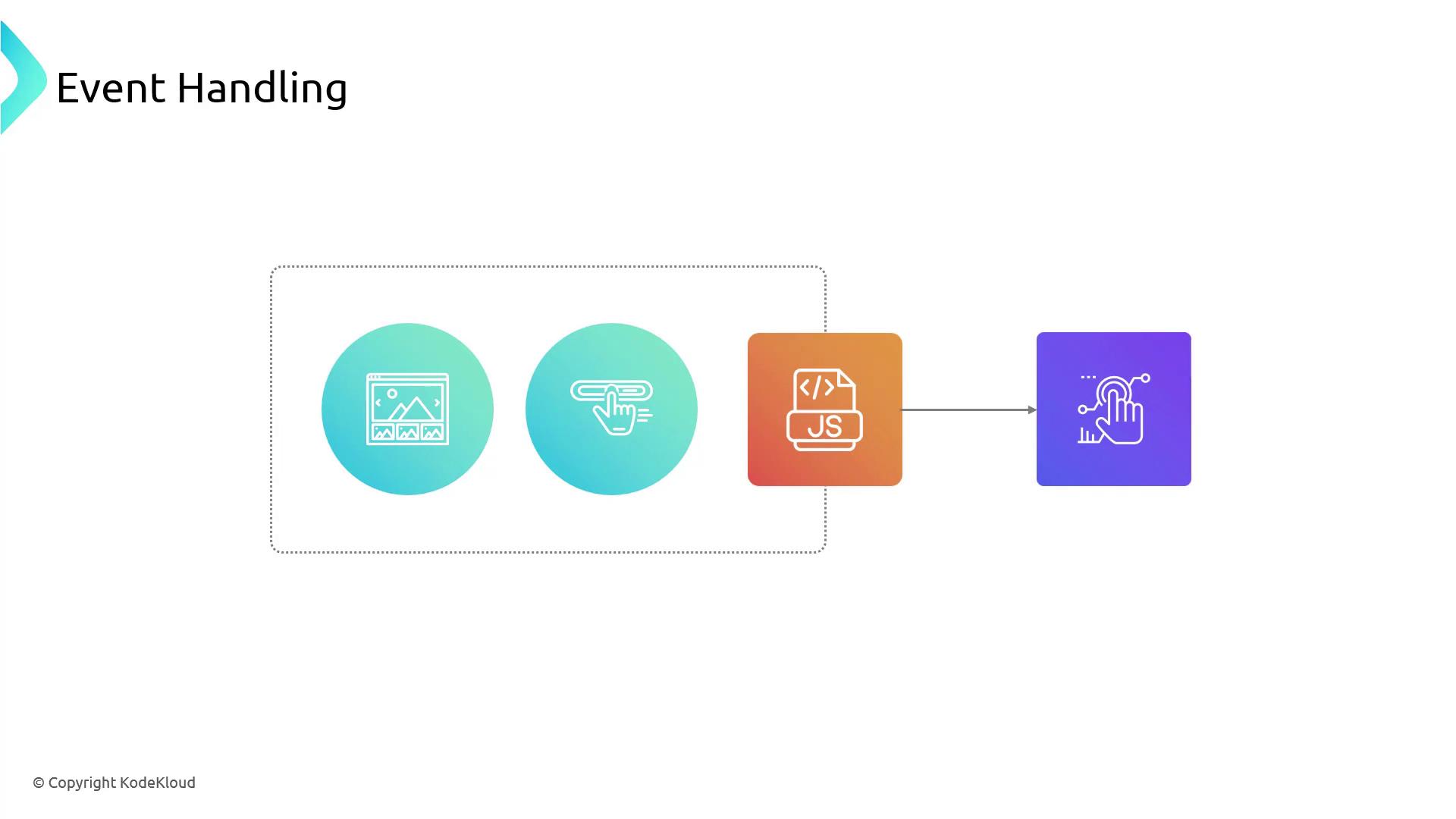
- Progress Feedback: Update progress bars or notifications.
- WebAssembly’s Role
- Heavy Lifting: Apply complex filters in optimized C/C++ or Rust.
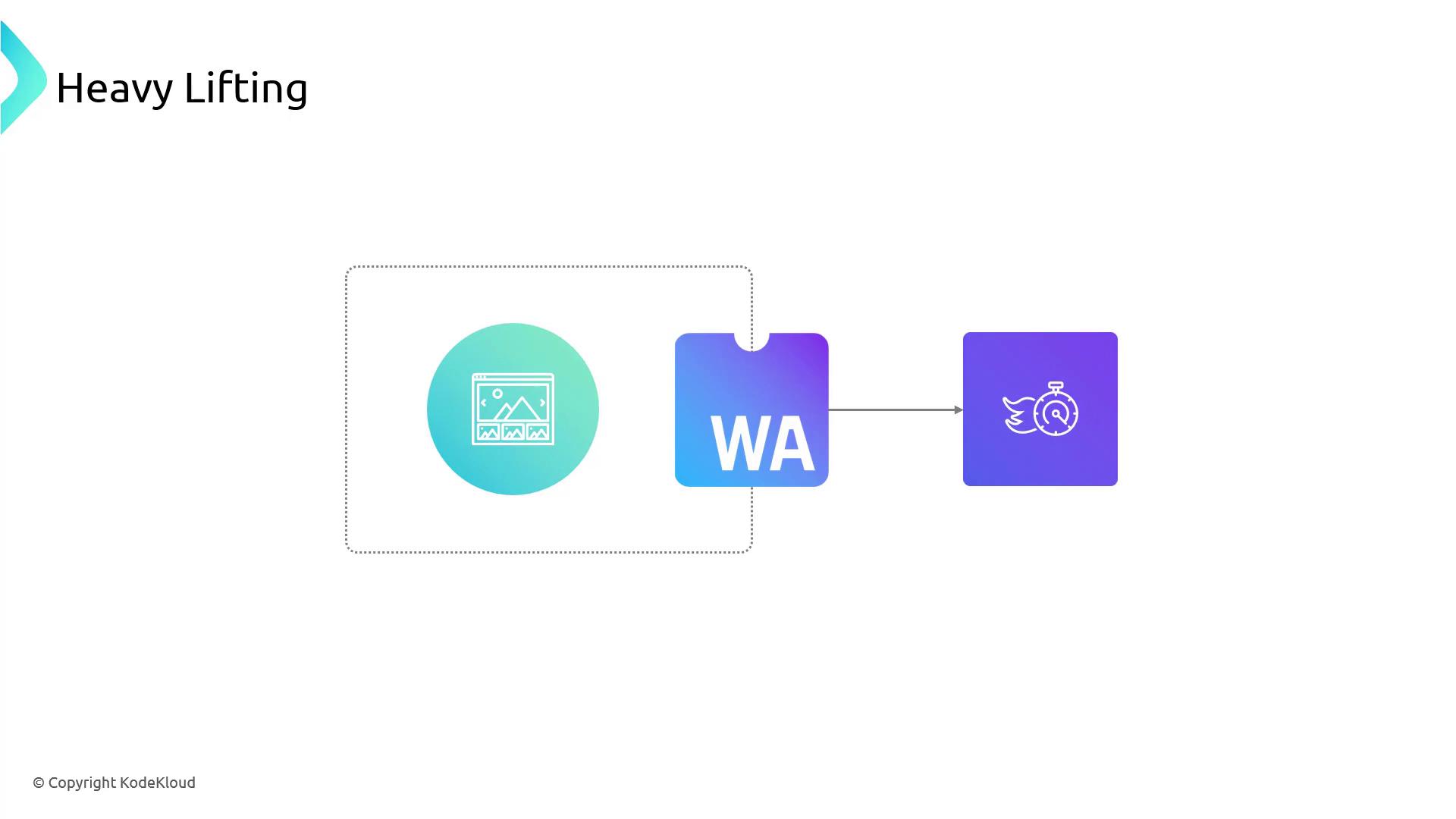
- Algorithm Libraries: Reuse existing native libraries for transformations.