

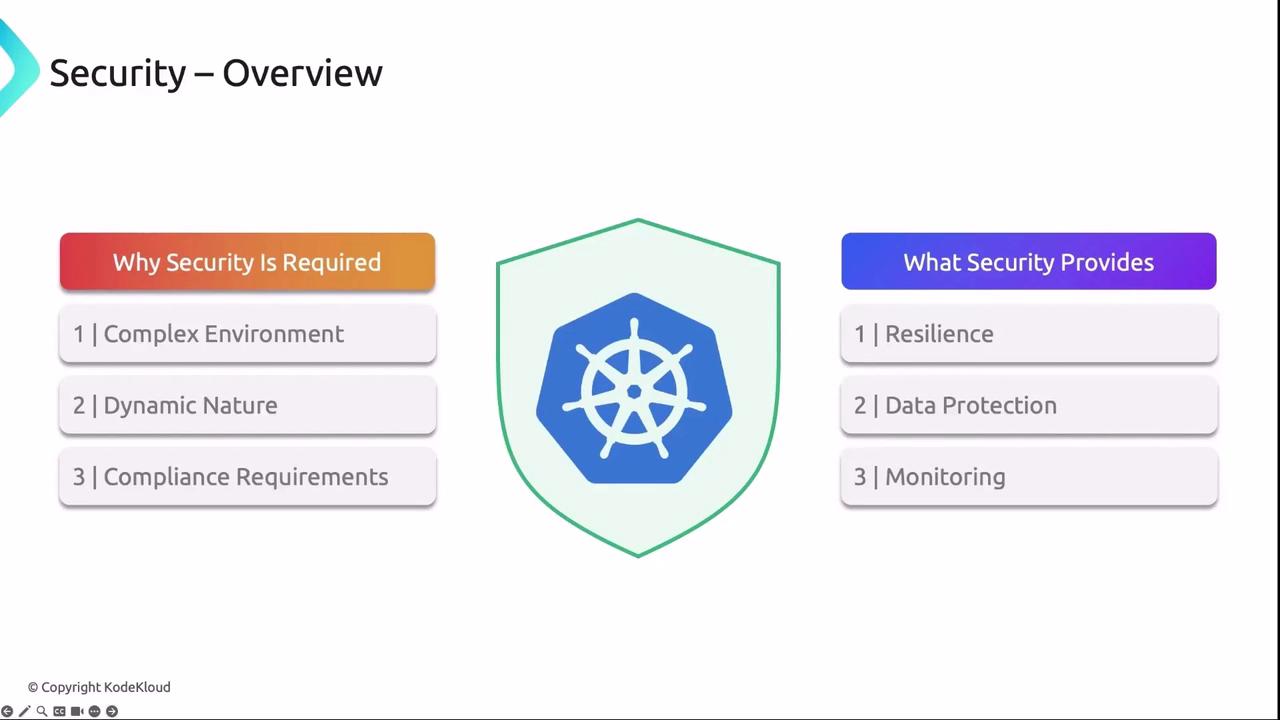
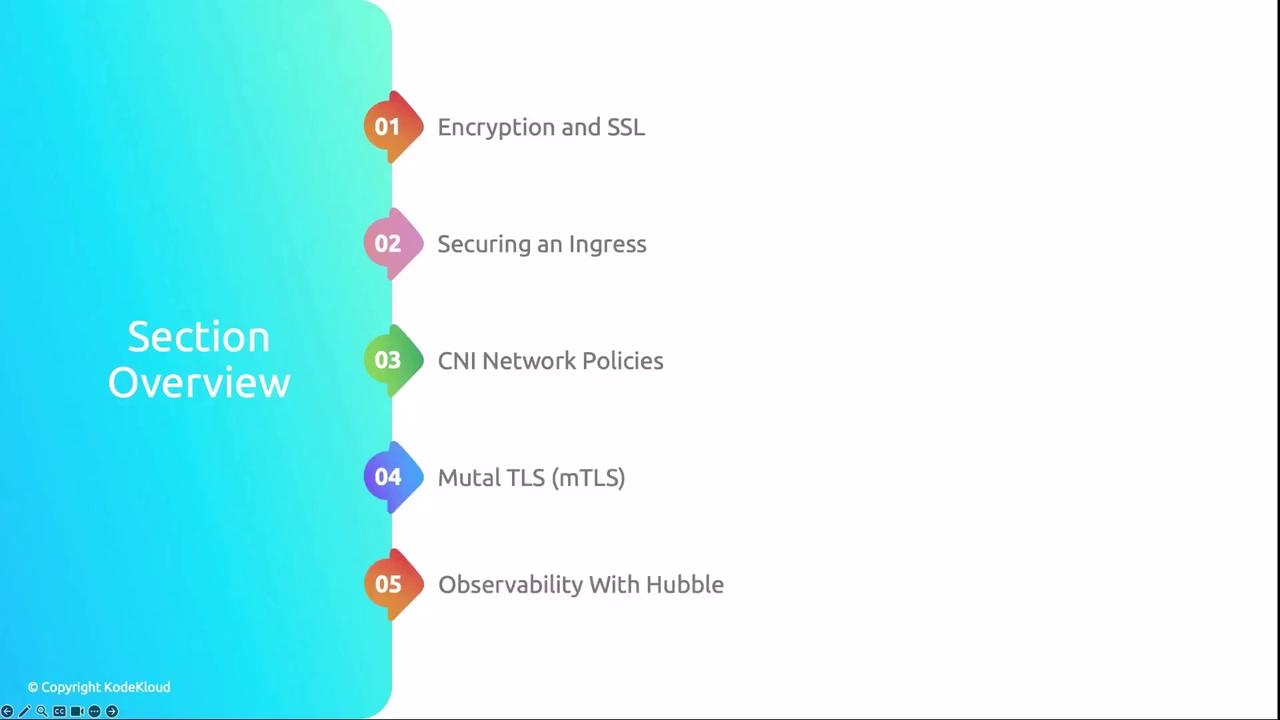
1. Encryption and SSL
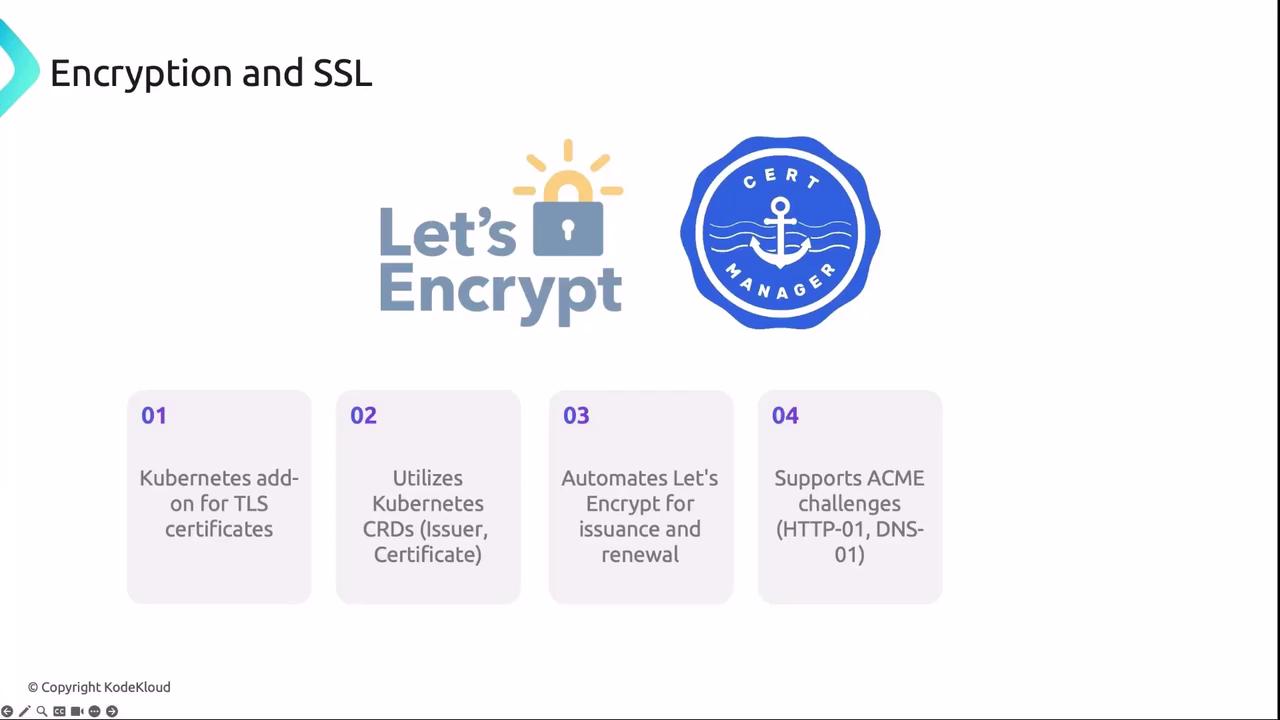
Automating TLS certificate issuance and renewal is essential for 24/7 uptime and risk reduction. Let’s Encrypt and cert-manager work together to keep your cluster’s endpoints secure:- Let’s Encrypt (letsencrypt.org) provides free SSL/TLS certificates via the ACME protocol.
- cert-manager (cert-manager.io) automates certificate lifecycles using Kubernetes CRDs (
Issuer,ClusterIssuer,Certificate).
Make sure your DNS records are properly configured for HTTP-01 or DNS-01 challenges before deploying cert-manager.
2. Securing Ingress
Exposed services must serve traffic securely. Traefik is a popular Ingress controller that integrates seamlessly with cert-manager and Let’s Encrypt to automate SSL/TLS:
3. CNI Network Policies
NetworkPolicies define traffic rules at the pod level, isolating workloads and preventing unauthorized lateral movement:Advanced Policies with Cilium
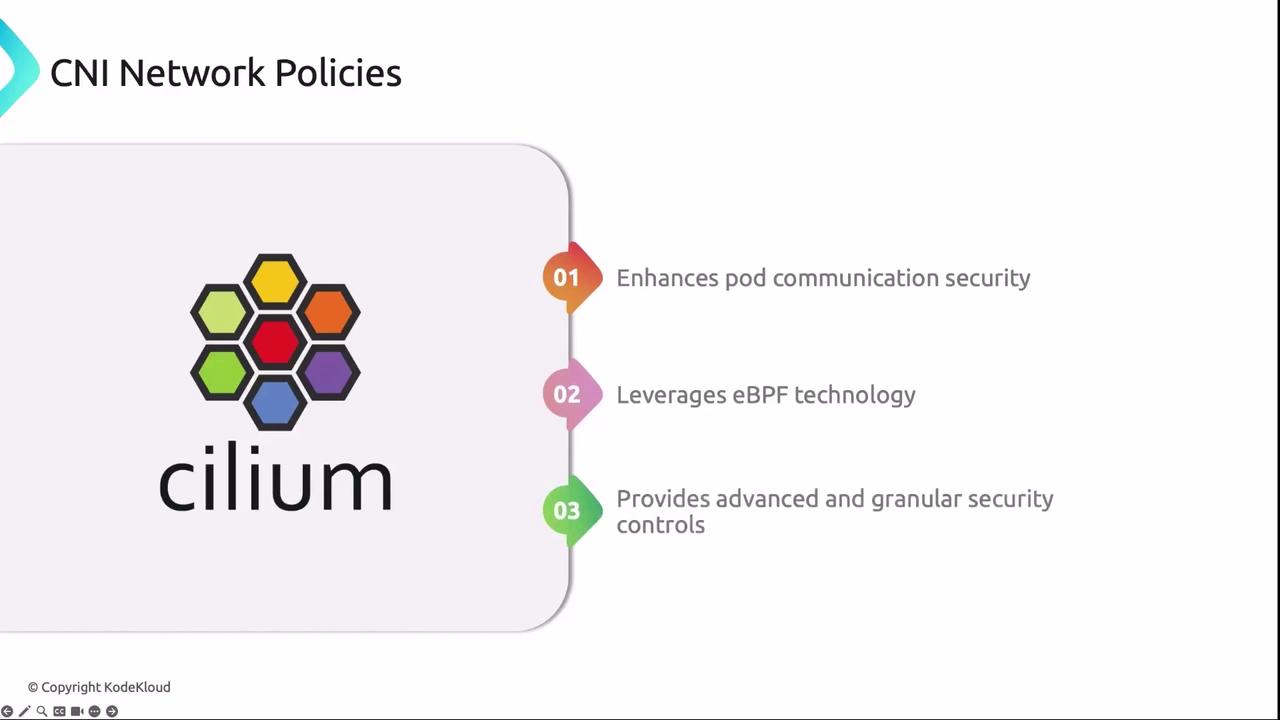
Cilium uses eBPF for kernel-level enforcement and richer policy definitions: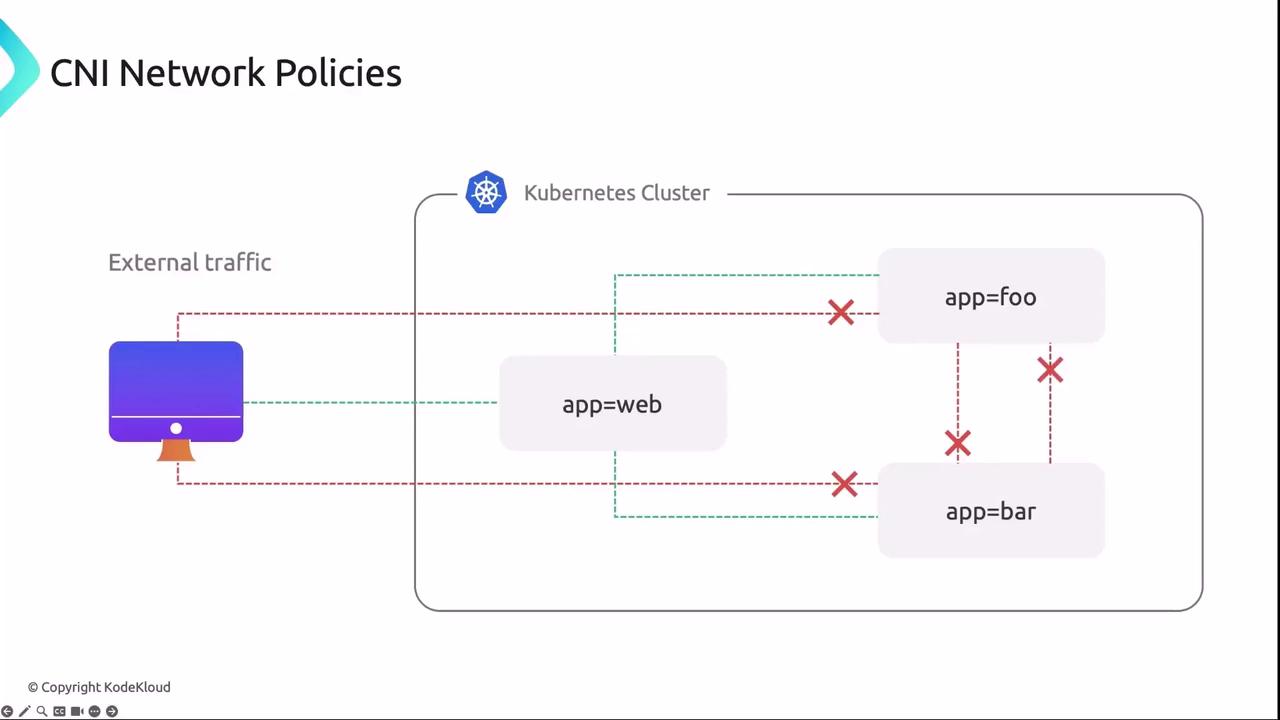
4. Mutual TLS (mTLS)
Mutual TLS ensures both clients and servers verify each other’s identity before exchanging data. This two-way authentication thwarts man-in-the-middle attacks and enforces strict service-level trust.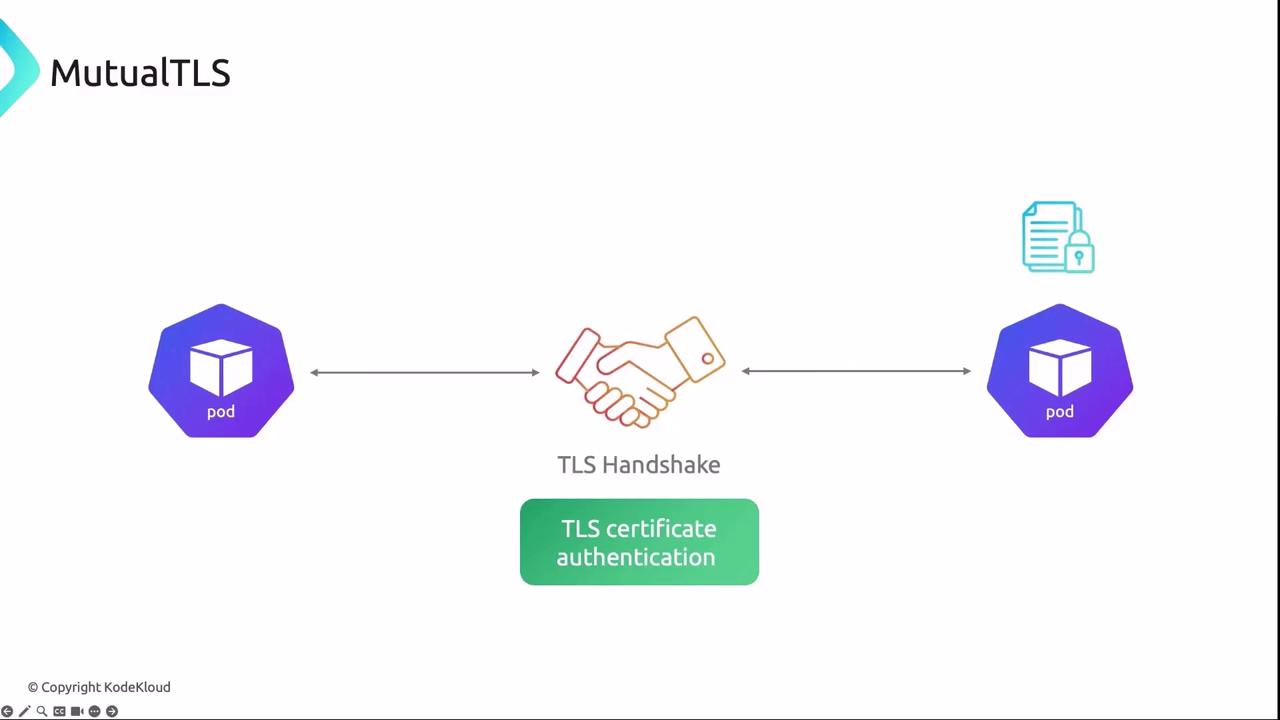
Expired or misconfigured certificates will break mTLS connections. Monitor certificate lifecycles and automate renewals.
5. Observability With Hubble
Cilium’s Hubble provides deep visibility into network flows, application performance, and security events: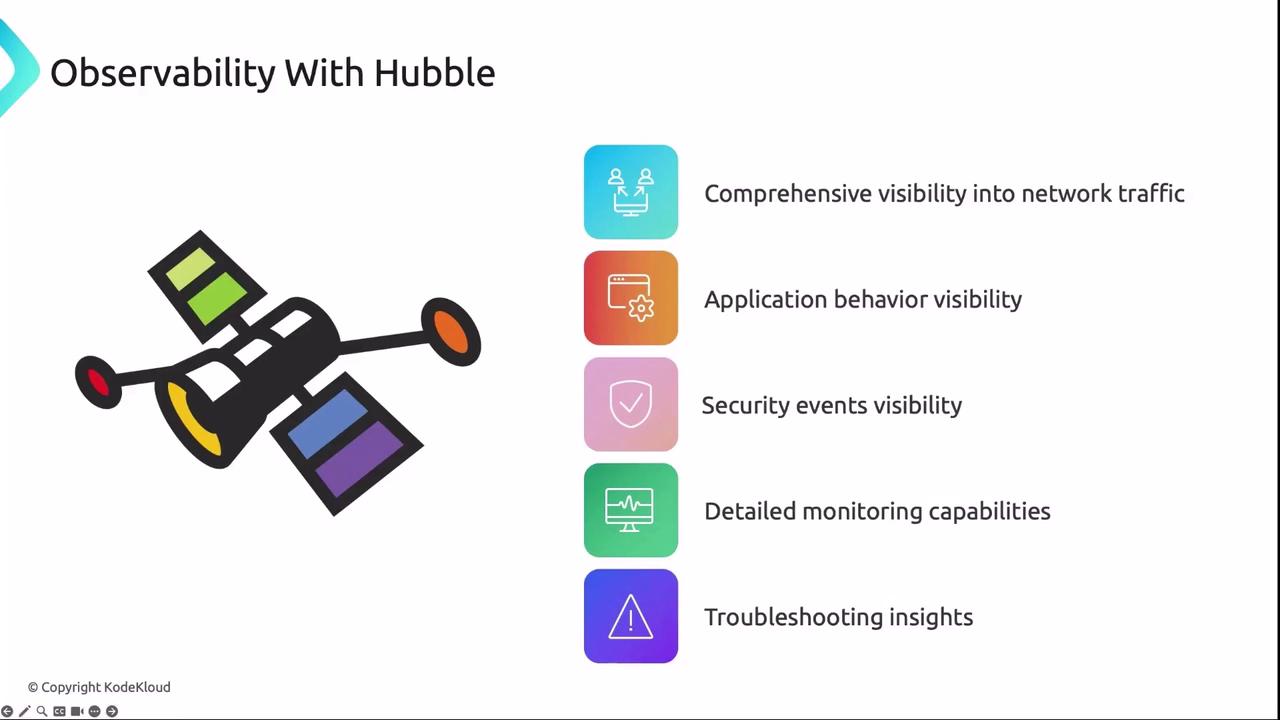
Links and References
- Kubernetes Network Policies
- cert-manager Documentation
- Let’s Encrypt ACME API
- Traefik Ingress Controller
- Cilium & Hubble