How Amazon Textract Works
Amazon Textract scans your documents using advanced machine learning algorithms. Even with handwritten inputs, it can achieve approximately 90-95% accuracy with minimal post-extraction editing. Its powerful capability to extract table data directly from documents eliminates manual data entry tasks, ultimately enhancing productivity.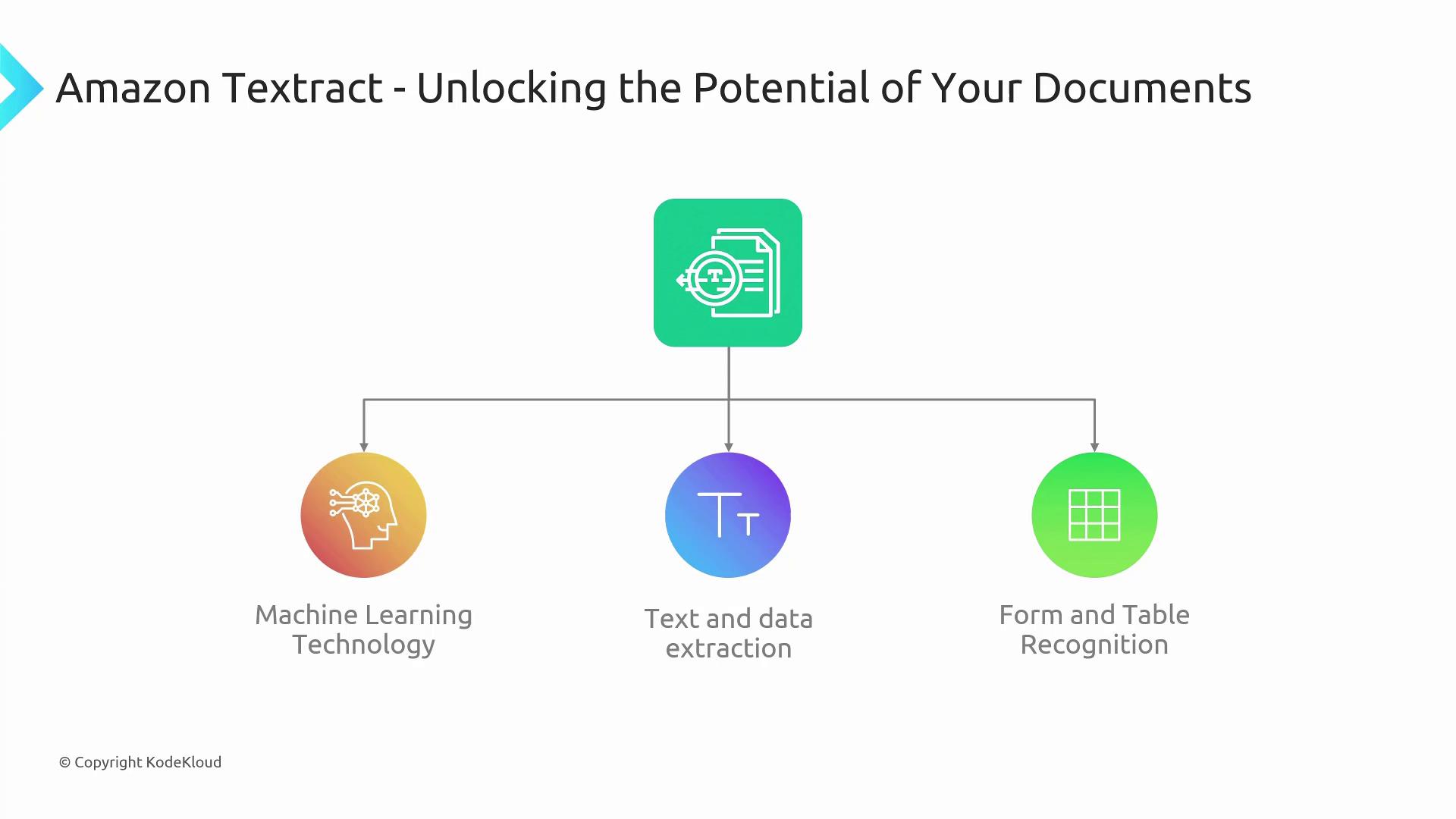
Key Use Cases
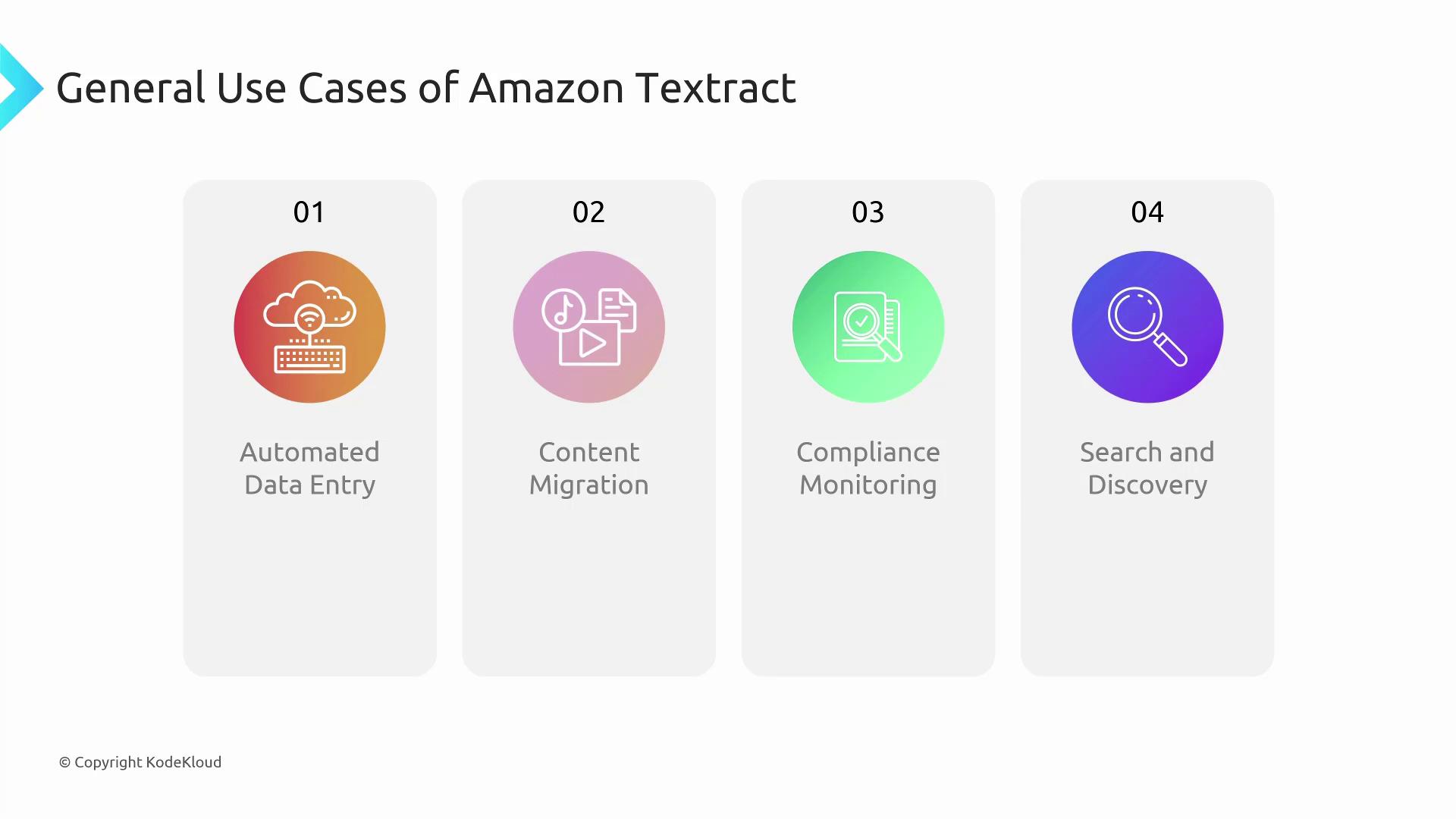
A common workflow involves scanning documents and placing them into an automatic feeder. These documents are then stored in an S3 bucket where Textract processes them automatically. This seamless conversion of analog documents to digital formats supports multiple business needs:- Content Migration: Digitize documents for streamlined storage and database indexing.
- Compliance Monitoring: Detect sensitive data or personally identifiable information (PII) automatically.
- Automated Data Entry: Reduce manual processing by leveraging extracted data.
Consider integrating Amazon Textract with AWS Lambda and Amazon S3 to enable serverless document processing workflows.
Business Benefits
From a business standpoint, Textract significantly boosts operational efficiency. By automating data extraction, it eliminates labor-intensive manual processing and supports digital transformation initiatives. The digitized data can then be integrated into various applications to enhance decision-making and productivity.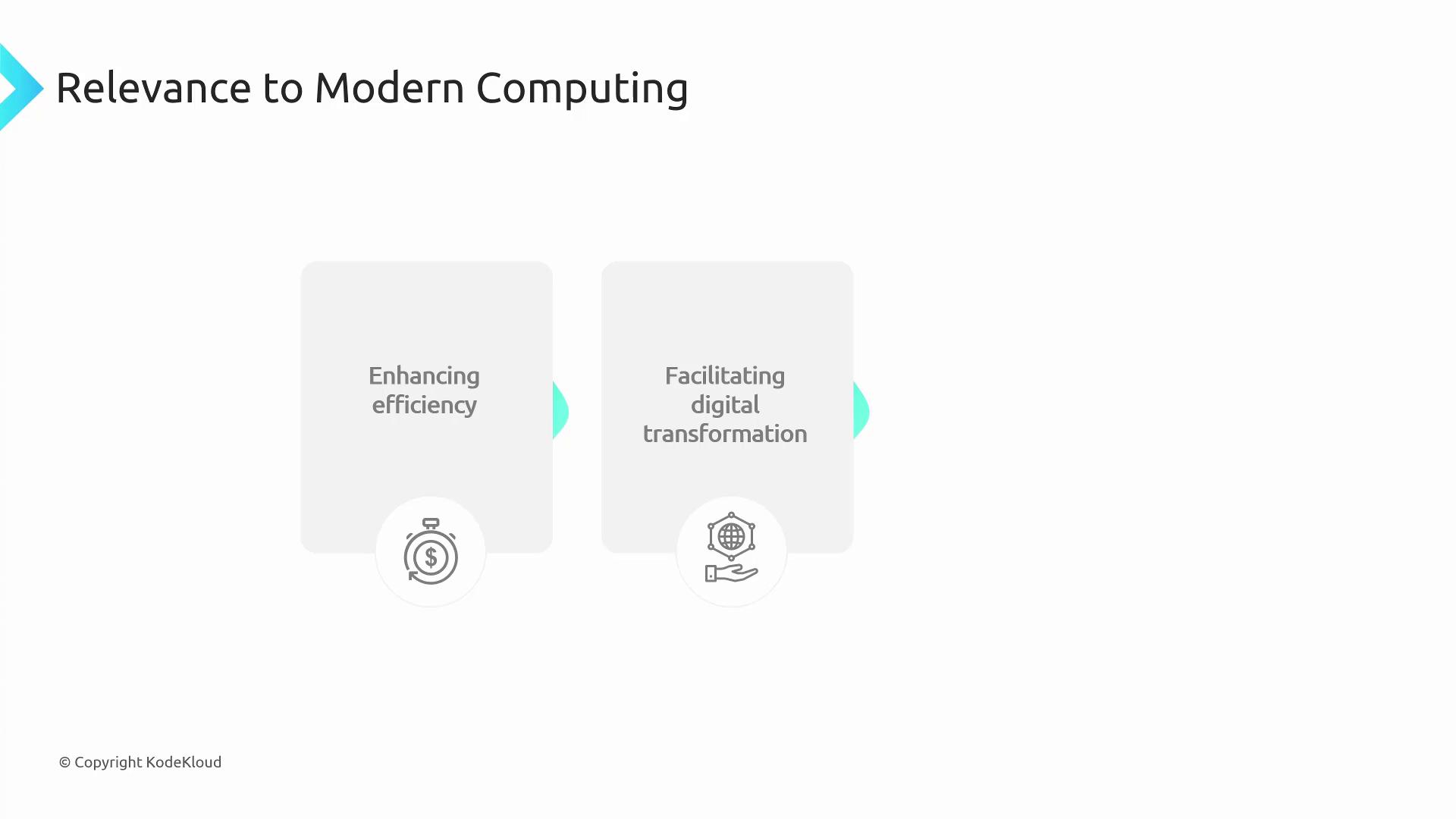
Conclusion
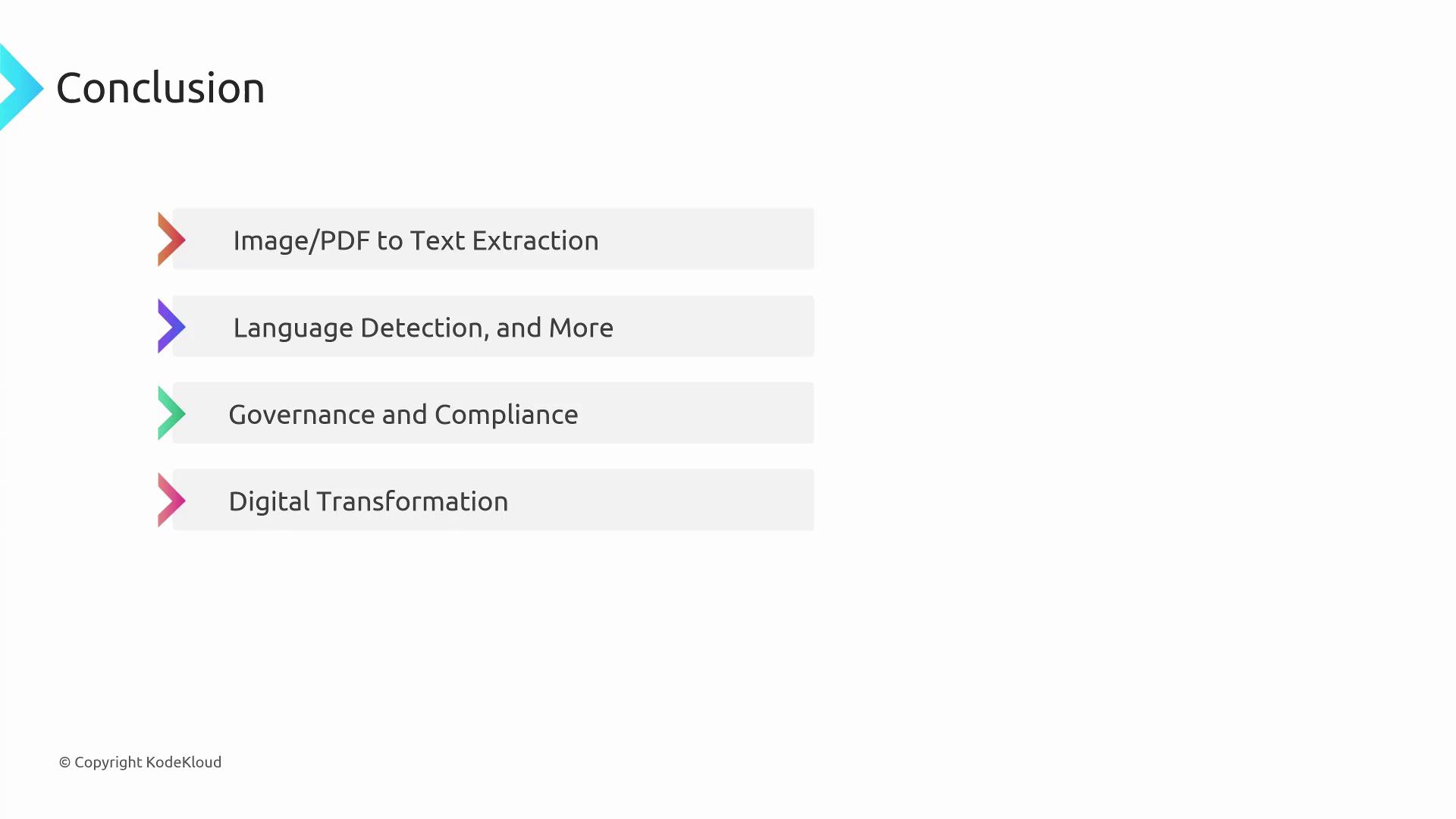
In summary, Amazon Textract excels at converting images and PDFs into machine-readable text. It supports a wide range of image formats, offers language detection, converts handwritten text to digital text, and correctly identifies forms and tables. These features make it indispensable for governance, compliance, and digital transformation projects, transforming paper-based documents into valuable digital assets.