- Why sentiment analysis matters
- How sentiment classification works
- Implementing basic and advanced sentiment analysis with GPT-4
- Real-world applications and best practices
Table of Contents
- Importance of Sentiment Analysis
- How It Works
- Sentiment Analysis with GPT-4
- Advanced Sentiment Analysis
- Applications
- Links and References
Importance of Sentiment Analysis
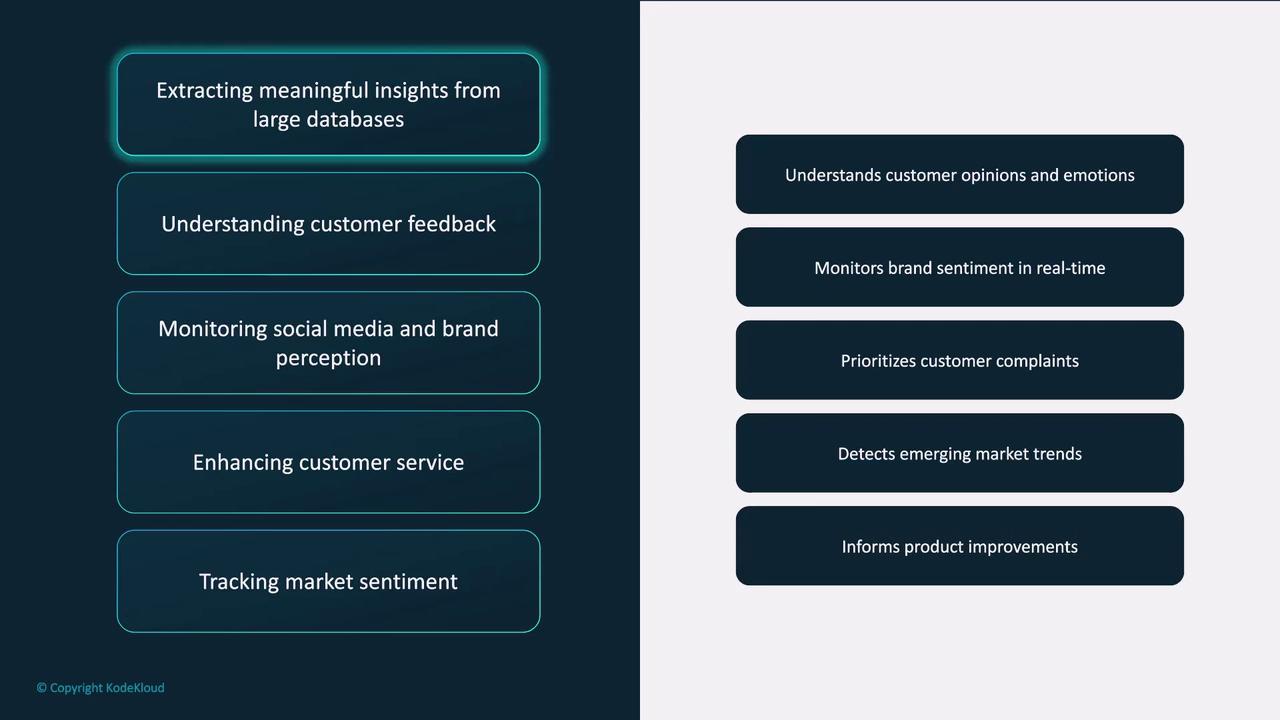
Sentiment analysis transforms unstructured text into actionable insights. Organizations leverage it to:-
Extract Insights from Large Datasets
Analyze product reviews, social media comments, and support tickets in bulk to discover trends—e.g., recurring feature requests or complaints. -
Understand Customer Feedback
Classify feedback as positive, negative, or neutral so teams can prioritize improvements like faster shipping or improved support. -
Monitor Brand Perception
Track real-time sentiment on platforms such as Twitter or Facebook to gauge public reaction to marketing campaigns or product launches. -
Enhance Customer Service
Automatically flag negative tickets so agents can promptly address unhappy customers and boost satisfaction. -
Track Market Sentiment
In finance, sentiment signals from news articles and social media can guide short-term trading strategies around earnings announcements.
How It Works
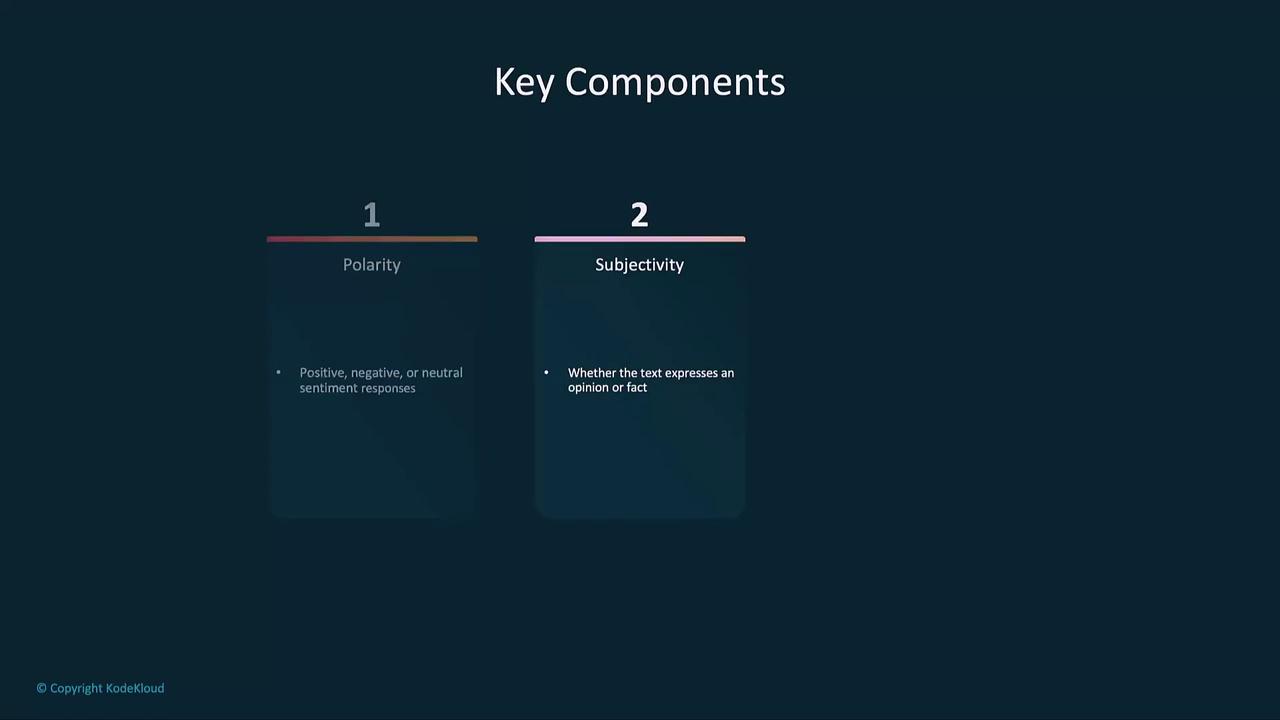
Sentiment analysis models determine the polarity, subjectivity, and intensity of a given text. GPT-4 fine-tuned for sentiment tasks can classify reviews, comments, and more with high accuracy.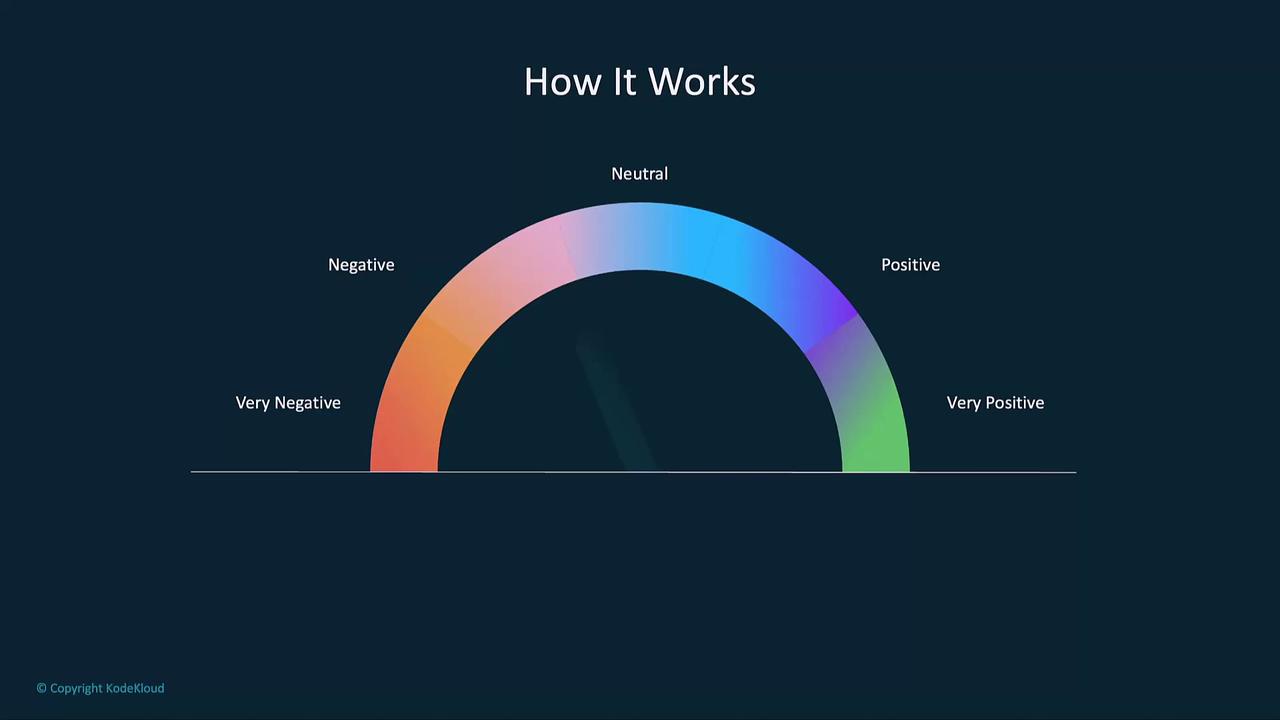
- Polarity: Positive, negative, or neutral orientation
- Subjectivity: Opinionated vs. objective content
- Intensity: Strength of the sentiment (e.g., mildly positive vs. strongly positive)
Sentiment Analysis with GPT-4
Below are examples showing how to call OpenAI’s API for sentiment detection in customer service reviews and social media posts.Basic Sentiment Classification
Advanced Sentiment Analysis
Fine-Grained Sentiment Categories
For deeper insights, classify text into multiple levels—from very positive to very negative.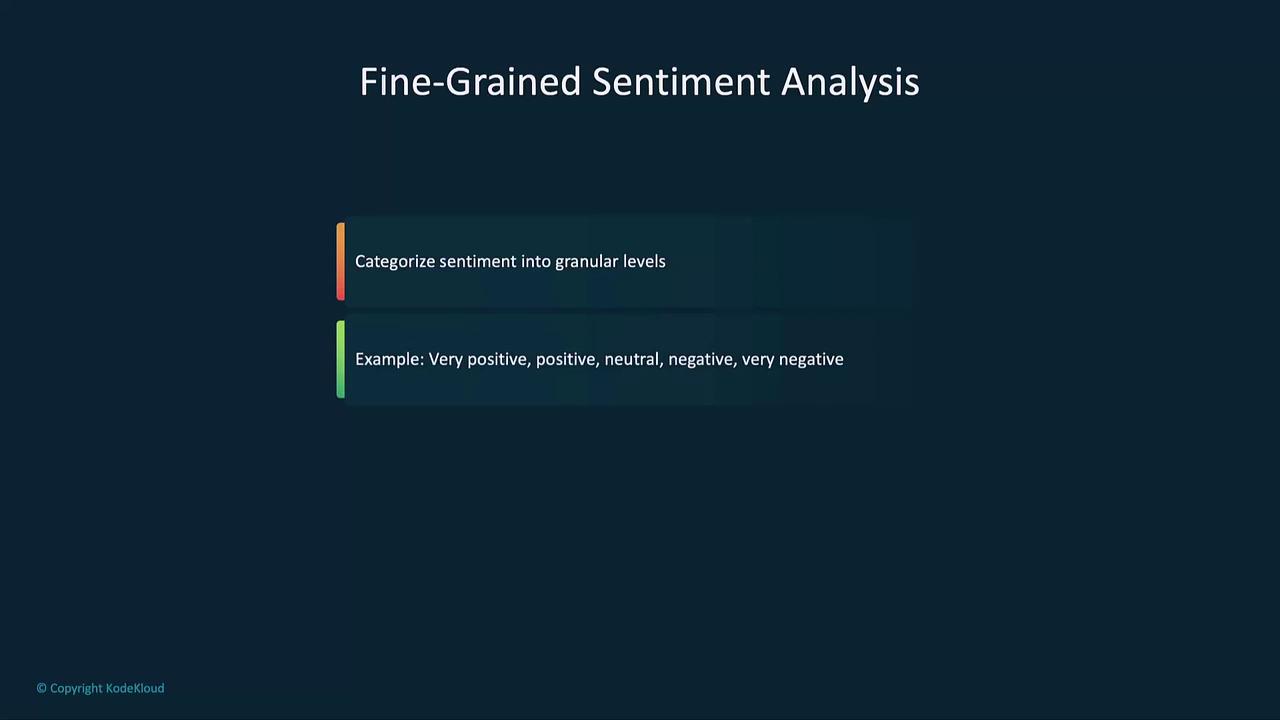
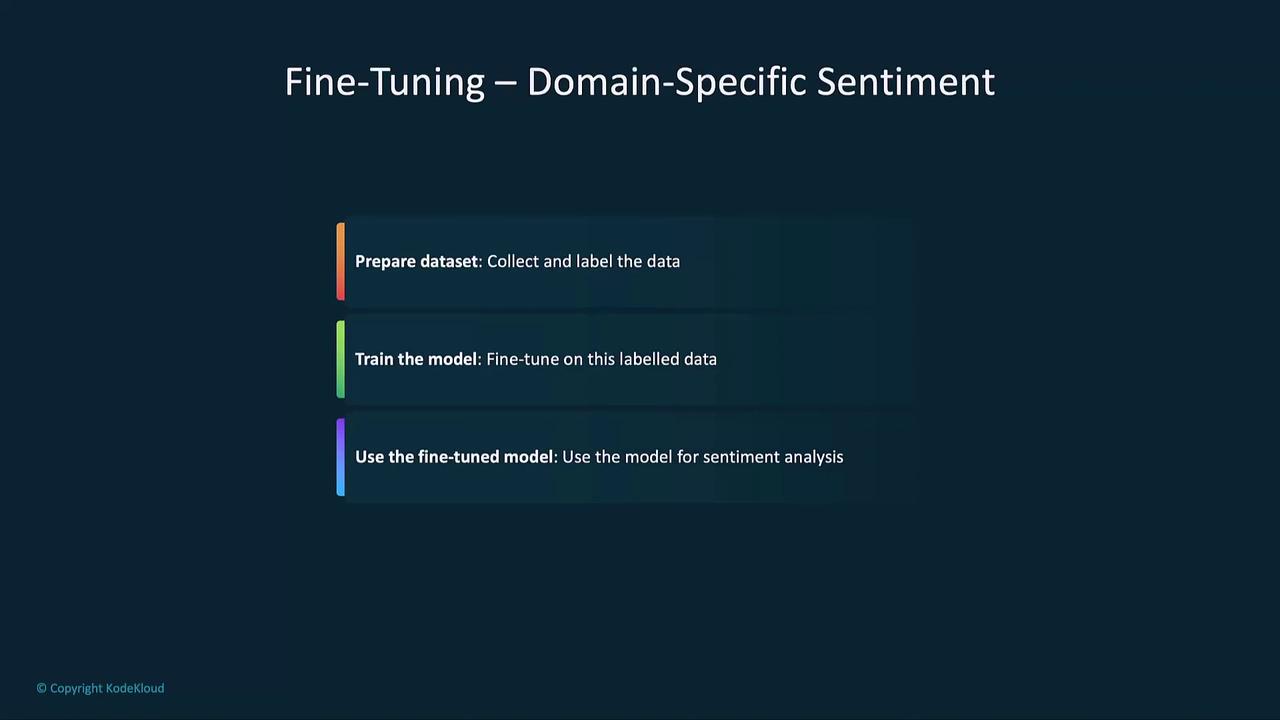
Domain-Specific Fine-Tuning
When dealing with specialized fields—legal, healthcare, finance—you’ll need jargon-aware models. Fine-tuning steps:OpenAI’s fine-tuning API currently supports GPT-3.5 series models. GPT-4 fine-tuning is not yet generally available.
- Prepare a labeled dataset with domain-specific texts annotated for sentiment.
- Use the OpenAI fine-tuning endpoint to train your model.
- Deploy and call your custom model for improved accuracy.
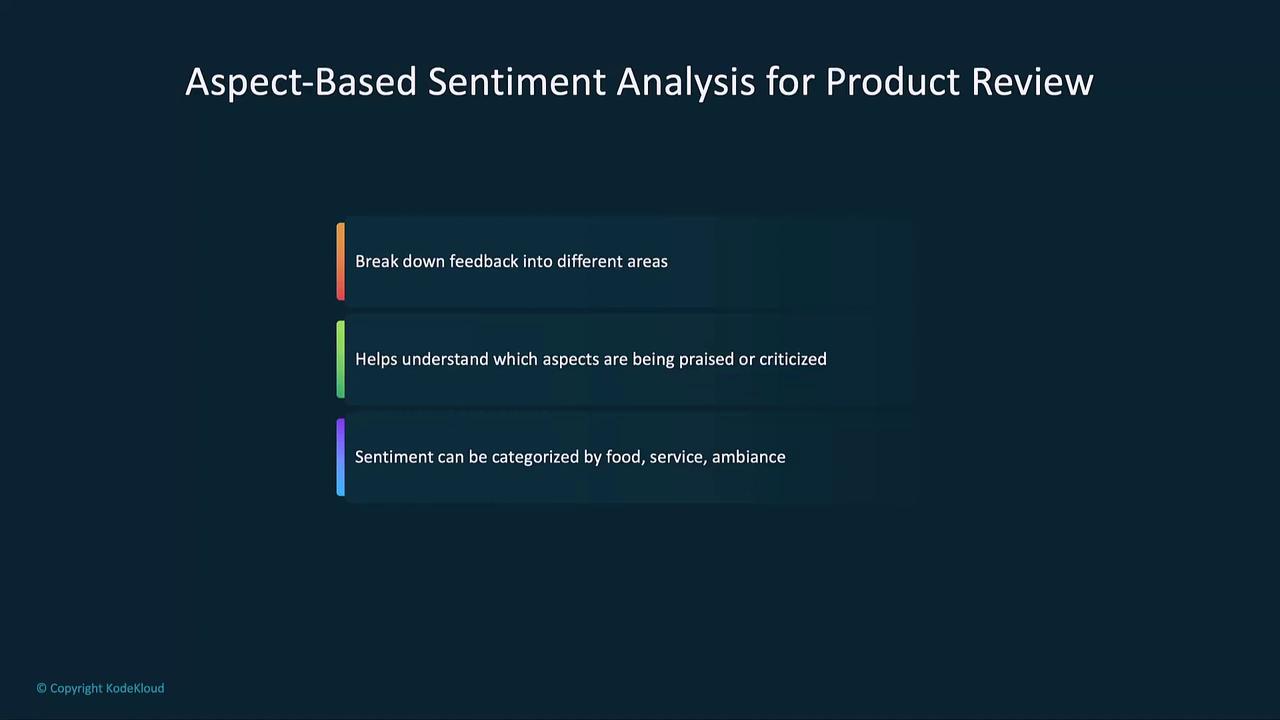
Aspect-Based Sentiment Analysis
Break down sentiment by features or categories—design, performance, service—to pinpoint strengths and weaknesses.