

Think of the model as the engine and the harness as the gearbox, steering, and brakes. The harness turns prediction into multi-step work, connecting the model’s outputs to real-world effects.
-
Orchestration — the loop
- The harness runs the interaction loop: send a prompt or question to the model, receive the model’s response, decide the next step, execute it when necessary, then iterate. This loop transforms single-turn predictions into multi-step workflows and long-running processes.
- Example: ask the model to compose a search query → run the query → feed results back to the model → ask it to filter or summarize.
-
Action execution — connecting model intent to the real world
- When the model suggests “Search for flights,” the harness actually performs that search: it calls airline or aggregator APIs, queries databases, runs scripts, or invokes services. The harness is responsible for reliably mapping model intents to concrete actions.
- Clear separation of concerns matters: the model decides, the harness does.
-
Context and memory management
- Most models do not persist long-term state between invocations. The harness stores conversation history, user goals, tool availability, permissions, and previous results, and packages the relevant subset into each model request.
- The harness manages session context vs. long-term memory, performs retrieval of relevant documents, and handles truncation and prompt engineering to fit model input windows.
-
Guardrails and enforcement
- The harness mediates model requests and real-world effects and therefore houses safety, compliance, and governance controls: block dangerous actions, require human approval for risky operations, rate-limit downstream calls, and detect runaway loops.
- Enforcement policies, auditing, and approval workflows should live in the harness, not in the model.
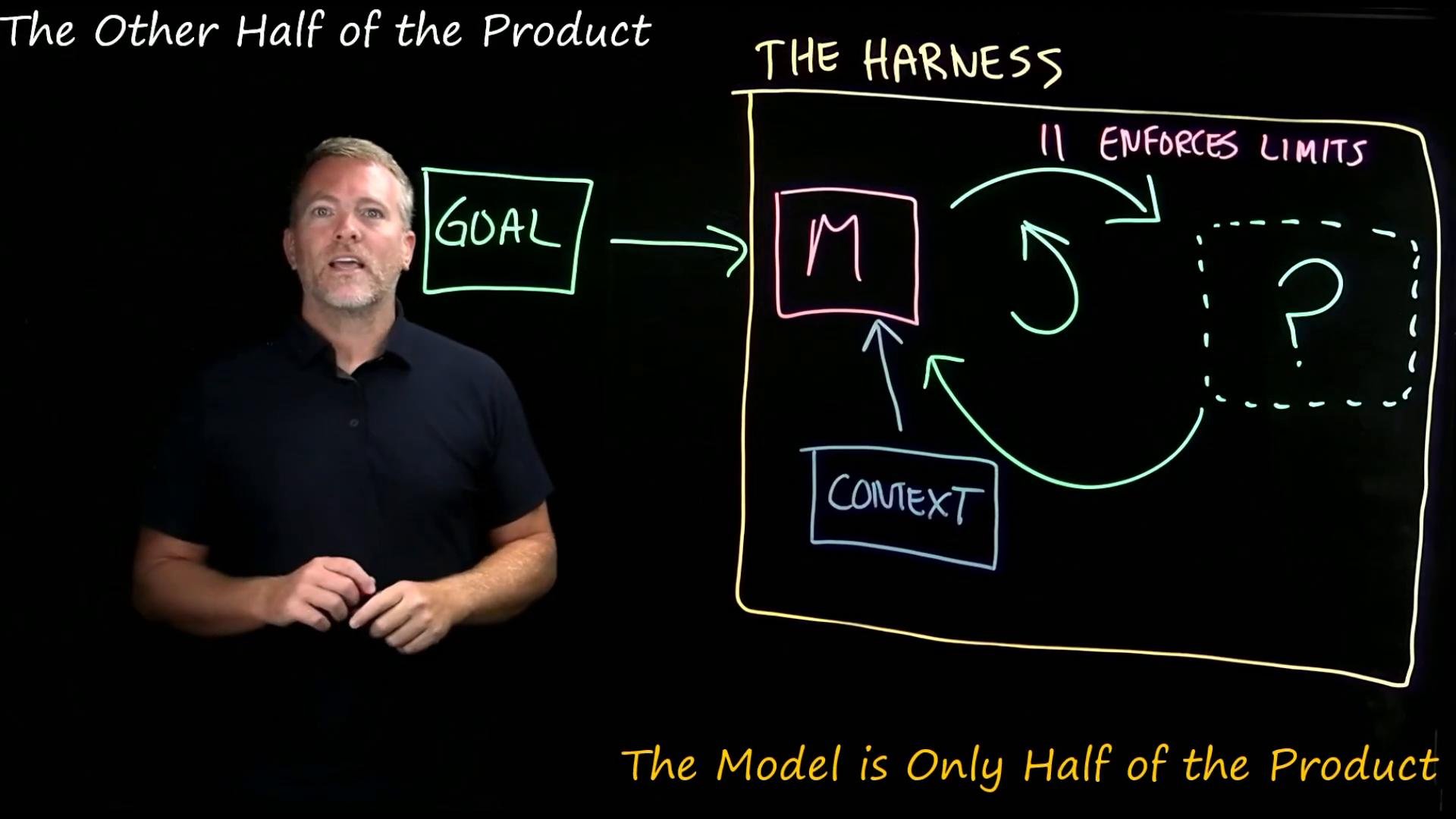
Quick reference: harness responsibilities
Never assume safety or compliance is handled by the model alone. Put explicit checks and human-approval gates in your harness for any actions that can affect accounts, finances, privacy, or safety.
How to evaluate an AI system (beyond “what model”)
When you evaluate or compare AI products, ask questions about the harness:- How does it orchestrate multi-step tasks and retries?
- Which external tools, APIs, or services can it call?
- How does it store, retrieve, and truncate context or long-term memory?
- What guardrails, approval workflows, and audit logs are enforced?
Further reading and resources
- OpenAI — model provider and docs
- Anthropic — model provider and research
- AI agents (overview): https://en.wikipedia.org/wiki/Intelligent_agent