- The application and its underlying infrastructure must be designed for scalability. This ensures rapid adjustments in resource allocation as demand changes.
- The autoscaling process must be automated, continuously monitoring workloads and provisioning resources without manual intervention.
- Autoscaling needs to be bidirectional, scaling up to handle increased load and scaling down during periods of reduced demand, which in turn improves cost efficiency.
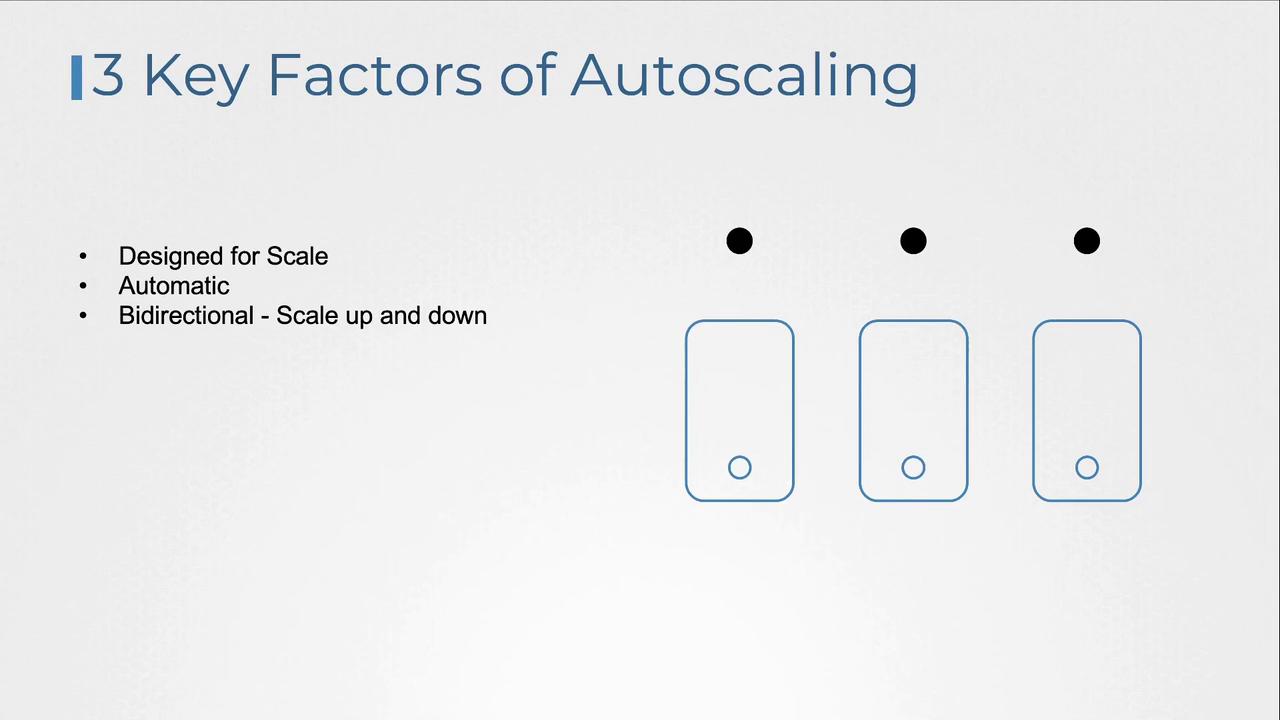
- Vertical Scaling: Involves increasing the resources (CPU, RAM, etc.) of an existing instance. While effective, it is typically constrained by the server’s maximum capacity.
- Horizontal Scaling: Focuses on adding more units—such as servers or instances—to distribute the load. This approach provides greater flexibility and enhanced fault tolerance.
- Horizontal Pod Autoscaler (HPA): Automatically scales the number of pods in a deployment based on metrics such as CPU or memory usage.
- Vertical Pod Autoscaler (VPA): Adjusts resource limits and requests for pods based on their actual consumption.
- Cluster Autoscaler: Manages the overall cluster by adding or removing nodes in response to workload requirements.
Understanding the differences between HPA, VPA, and Cluster Autoscaler is crucial for designing a robust and cost-effective Kubernetes architecture.