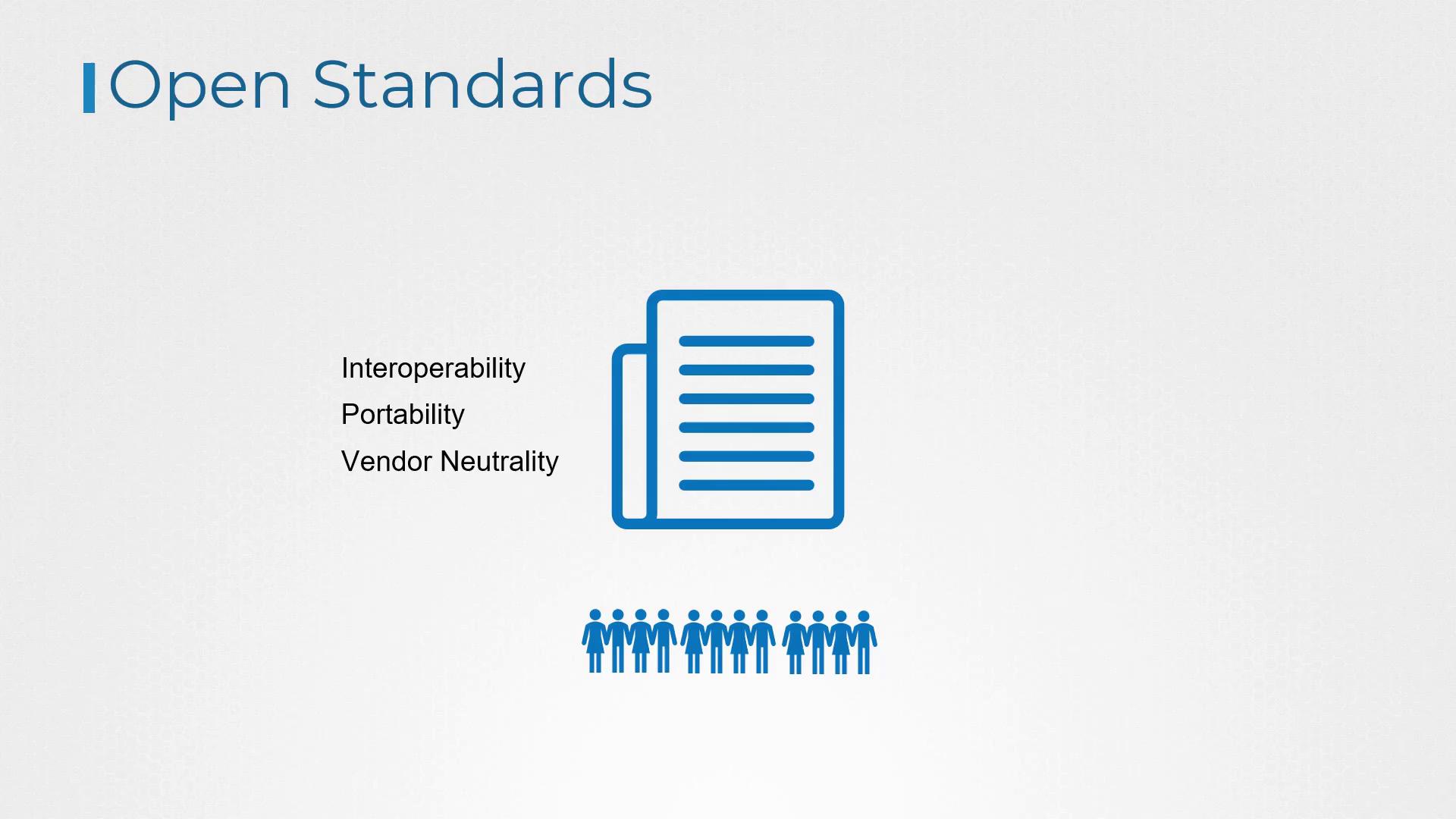

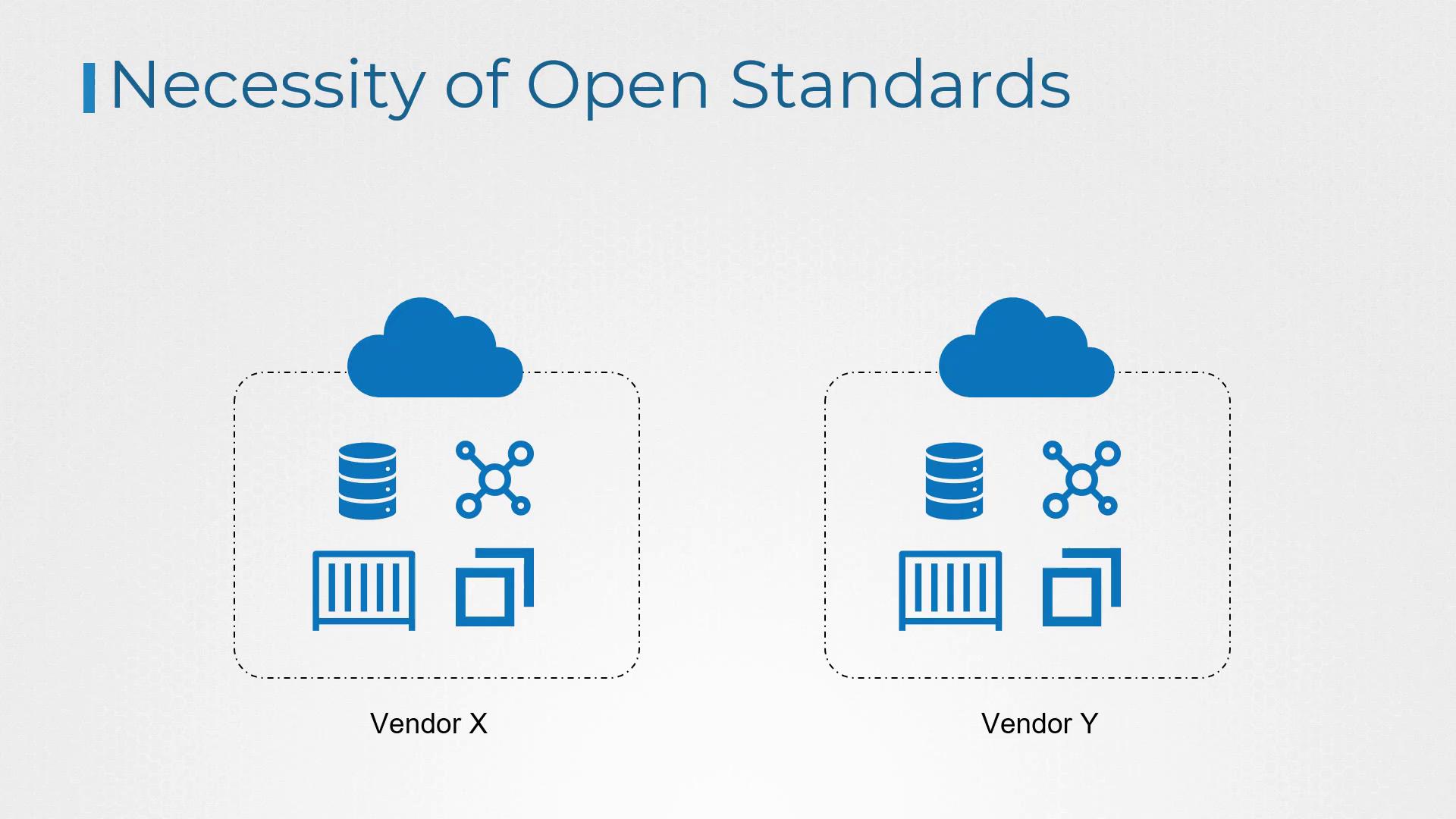
The Open Container Initiative (OCI) is a key organization dedicated to developing open standards for container images, runtimes, and distributions.
The Role of OCI in Container Technology
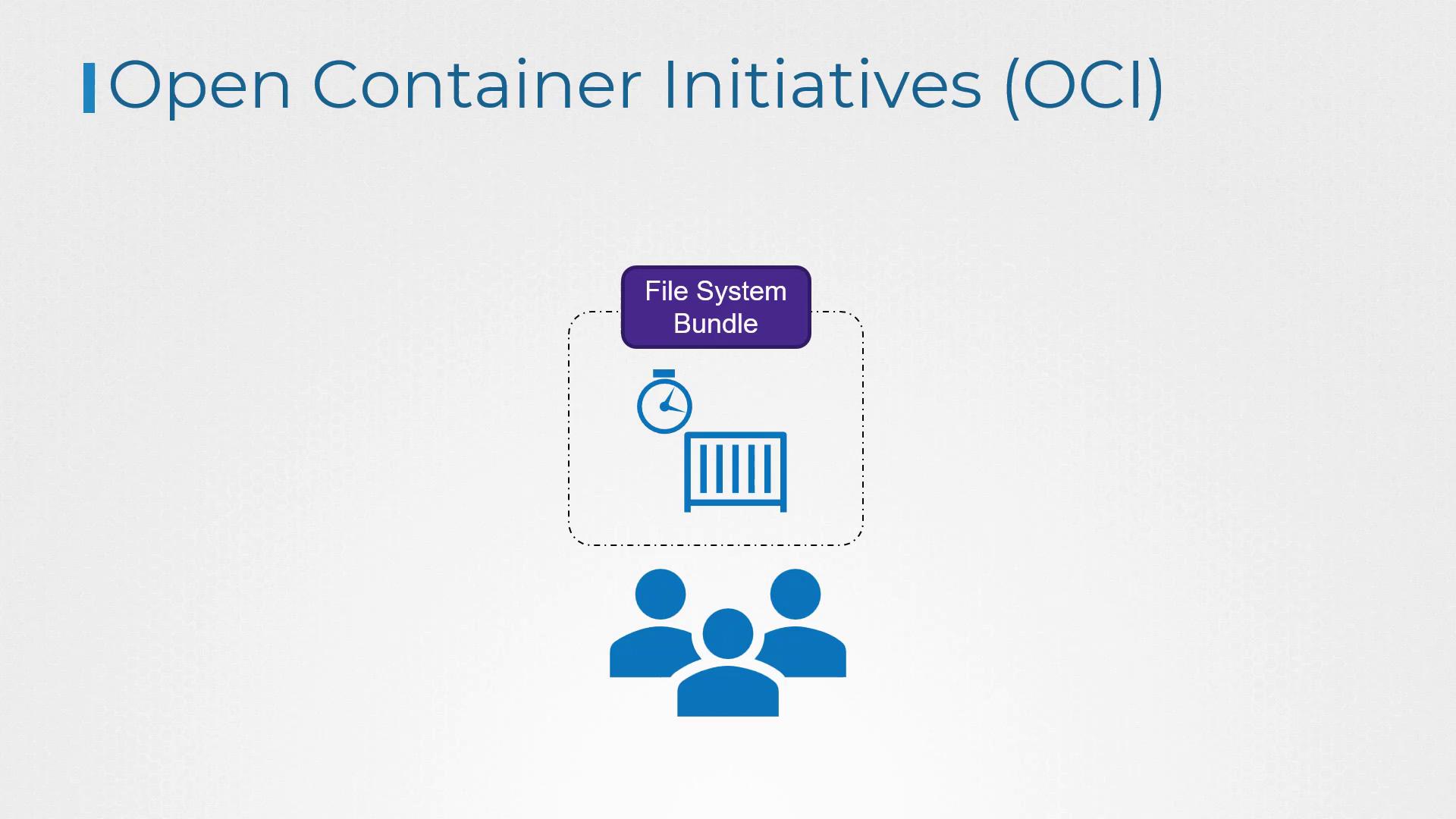
OCI has introduced standards that have revolutionized container technology:- Image Specification
This standard defines how a filesystem bundle should be packaged into an image. As a result, various build tools—like BuildKit, Podman, Buildah, and Docker—can create OCI-compliant images.
-
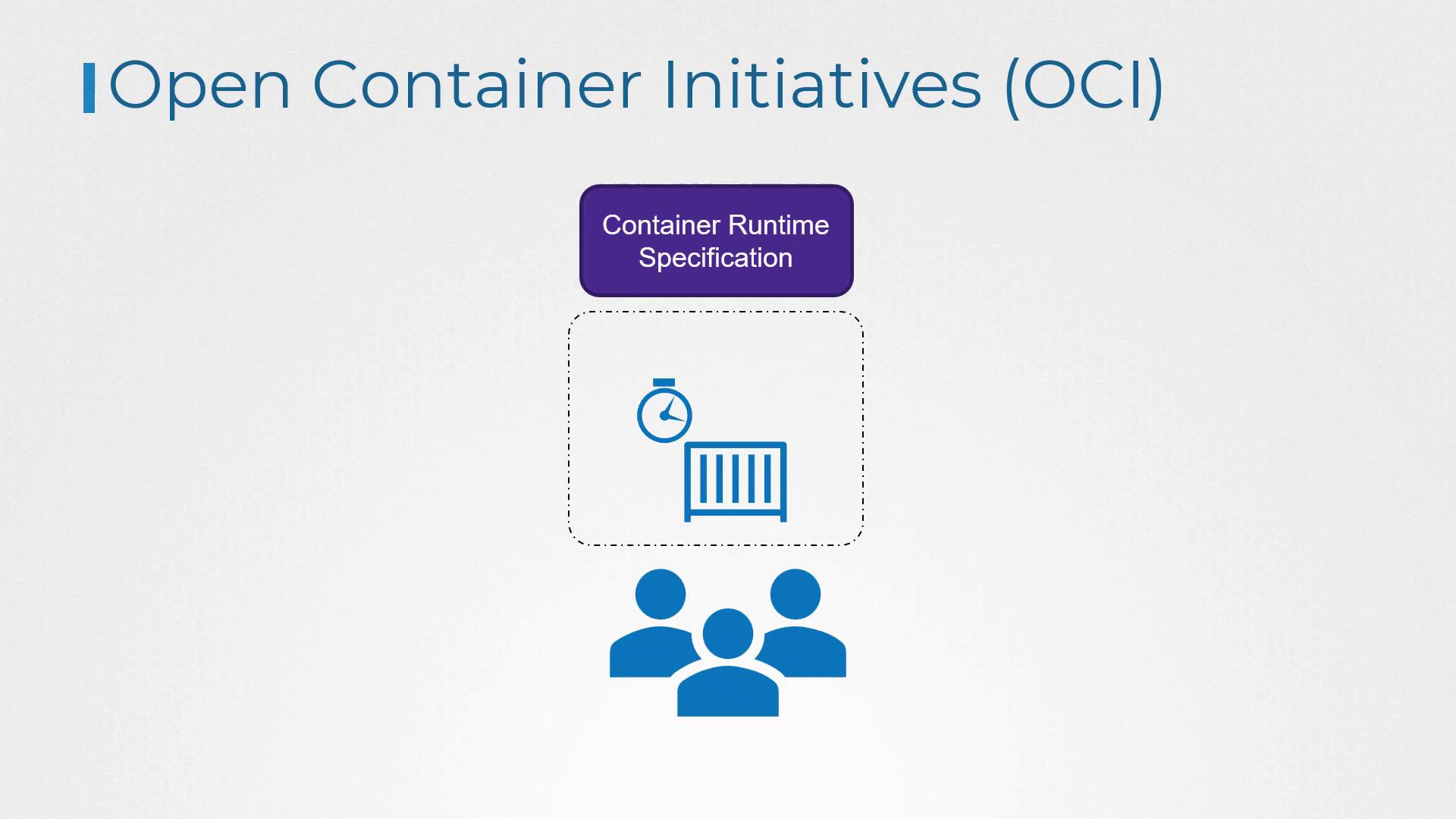
Container Runtime Specification
This standard outlines how to download, unpack, and run the filesystem bundle using any OCI-compliant runtime. While Docker was once the primary runtime, alternatives such as ContainerD, CRI, Kata Containers, gVisor, and Firecracker now offer robust options. -
Distribution Specification
This defines standardized protocols for distributing container images. While Docker Hub was originally the dominant platform, other repositories like Amazon ECR and Microsoft Azure now conform to this standard.
Kubernetes and Open Standards
Kubernetes is a strong proponent of open standards and modularity. By supporting pluggable layers for runtime, networking, service meshes, and storage, Kubernetes offers a flexible environment for building cloud-native infrastructures. This decoupling enables users to assemble the best components from various vendors. Below are some key Kubernetes interfaces:1. Container Runtime Interface (CRI)
The CRI is an open standard that provides a pluggable container runtime layer. It allows users to choose the optimal runtime for their needs, even permitting different nodes within a cluster to use distinct container runtimes. Initially, Kubernetes relied on Docker as its runtime, but many clusters now default to ContainerD, which is CRI-compatible while Docker is not.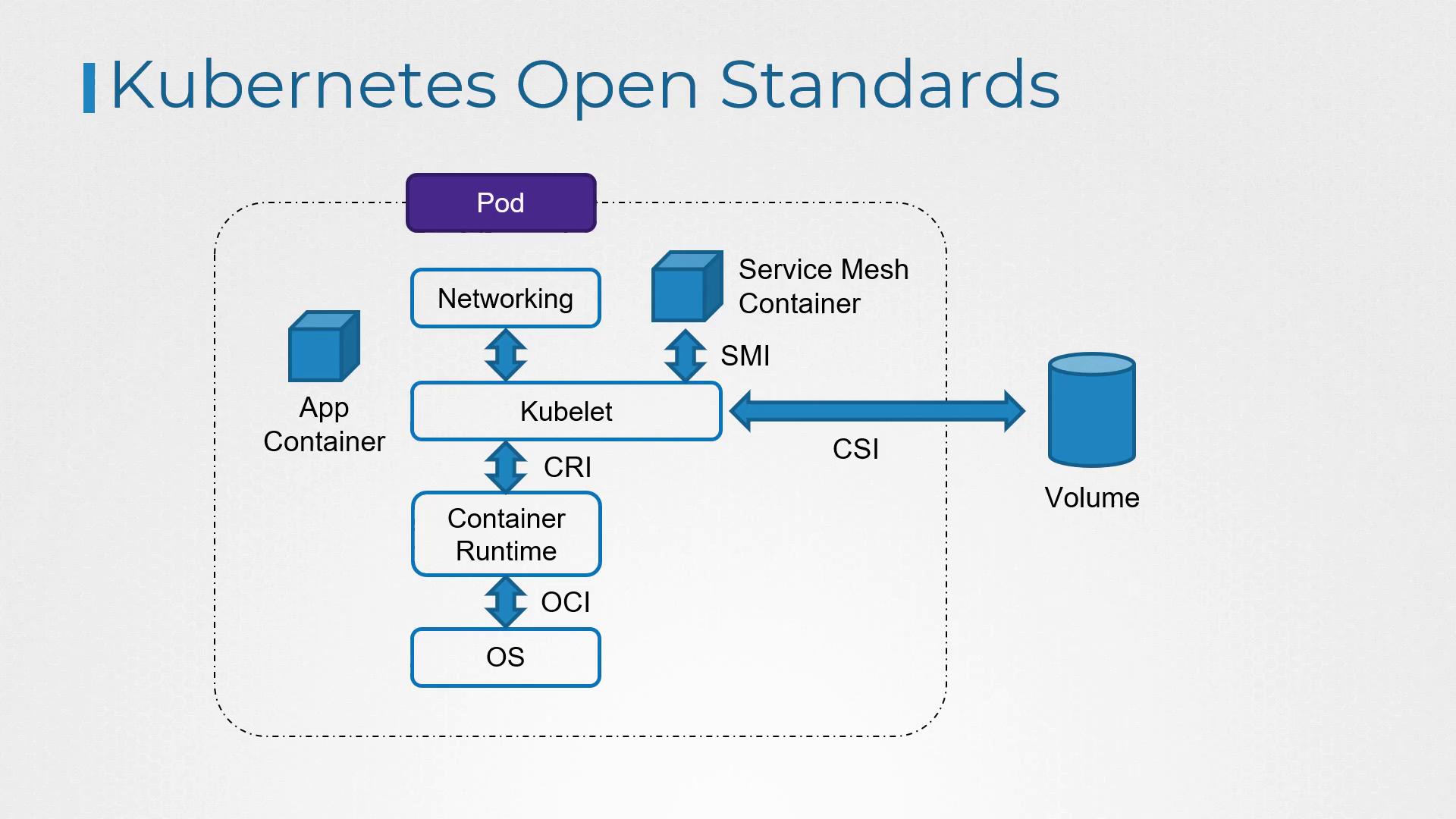
2. Container Network Interface (CNI)
CNI provides a standard interface for Kubernetes network plugins to configure container networking. This standard enables features such as network policies, service discovery, and load balancing, while also facilitating connections to virtual networks and third-party networking solutions.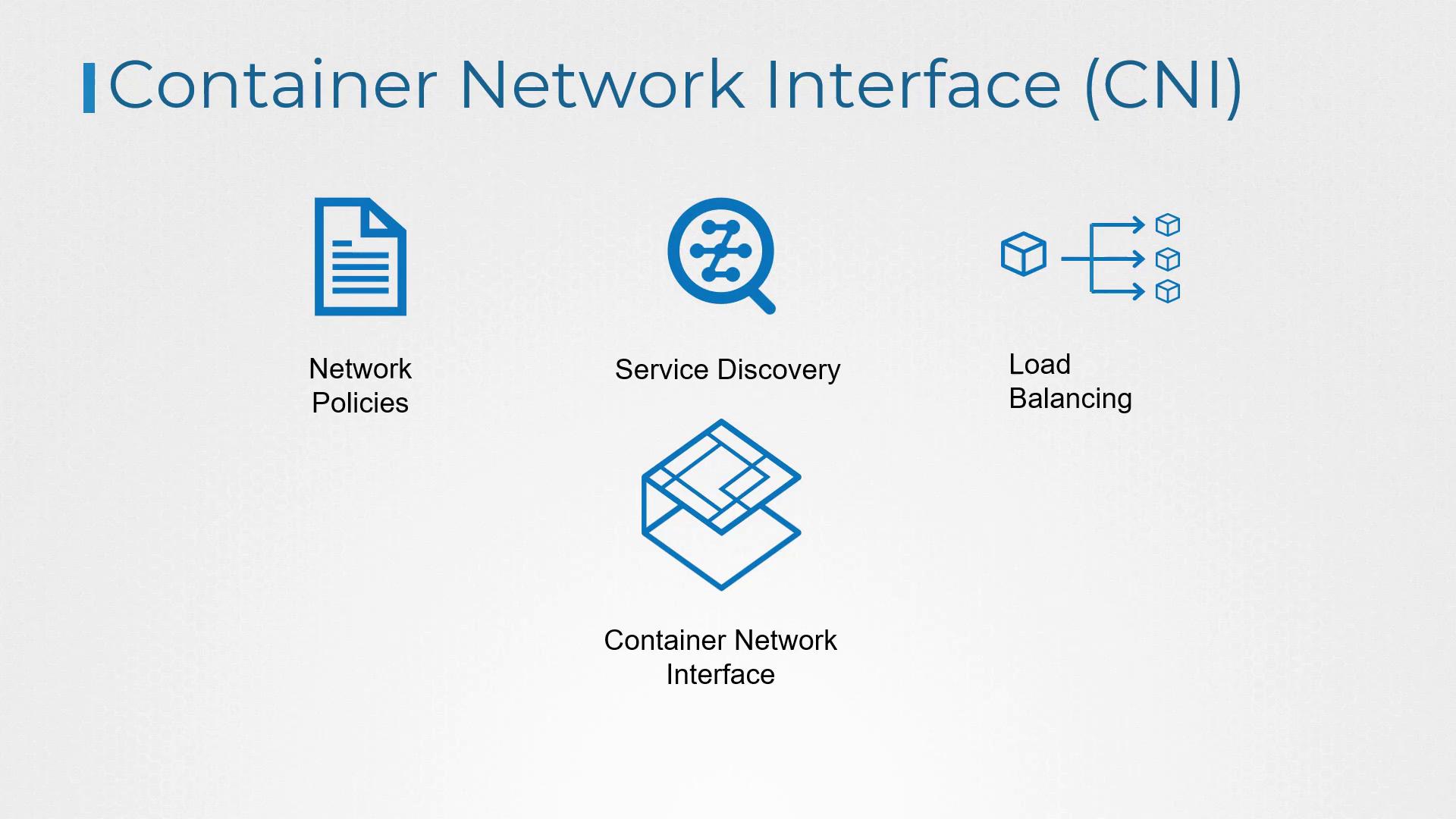
3. Container Storage Interface (CSI)
CSI enables Kubernetes to work with various storage solutions, including cloud storage, network-attached storage (NAS), and storage area networks (SAN). By separating core Kubernetes functions from storage implementations, third-party providers can develop plugins that integrate seamlessly, supporting dynamic provisioning and management of storage volumes.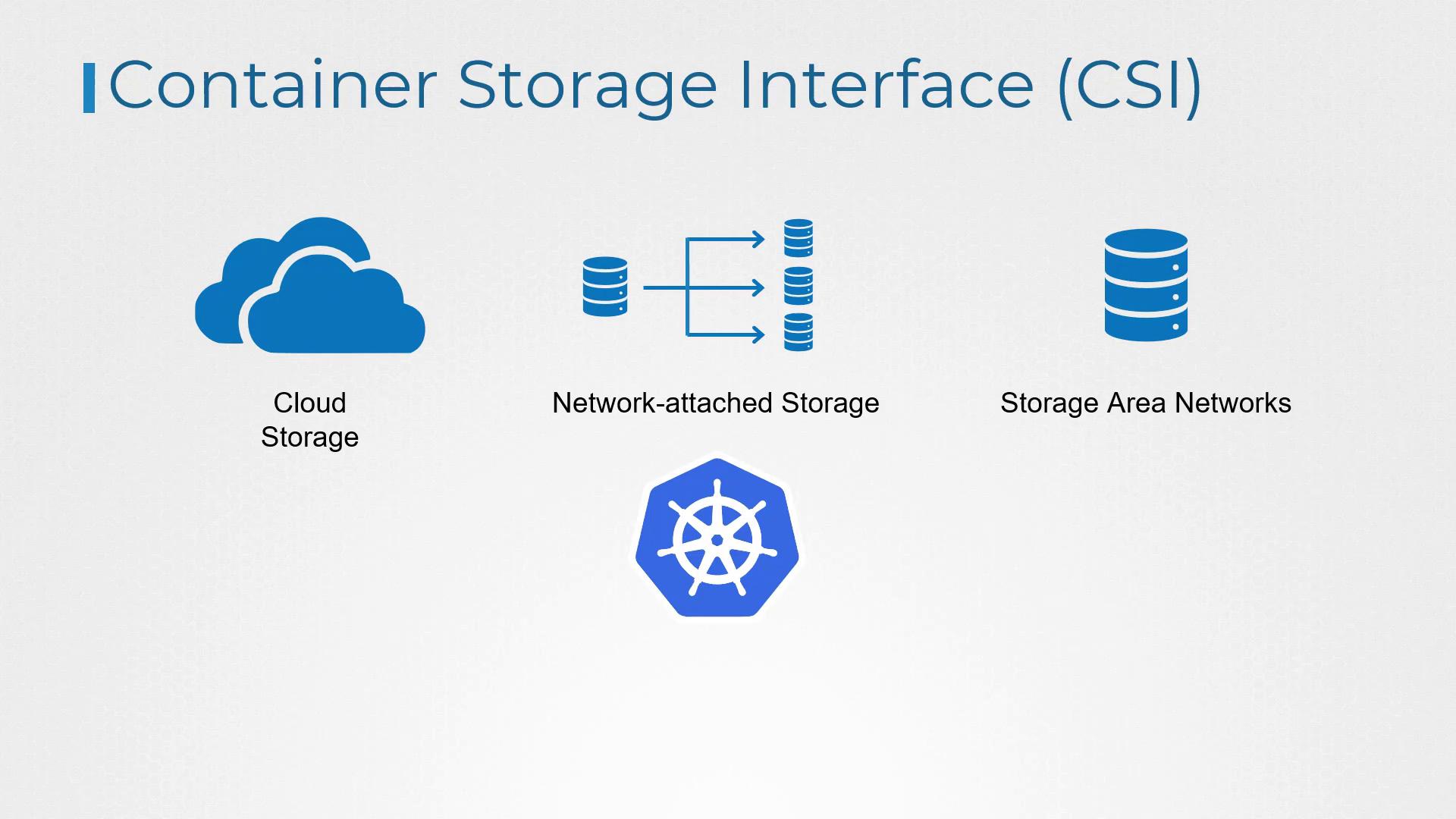
4. Service Mesh Interface (SMI)
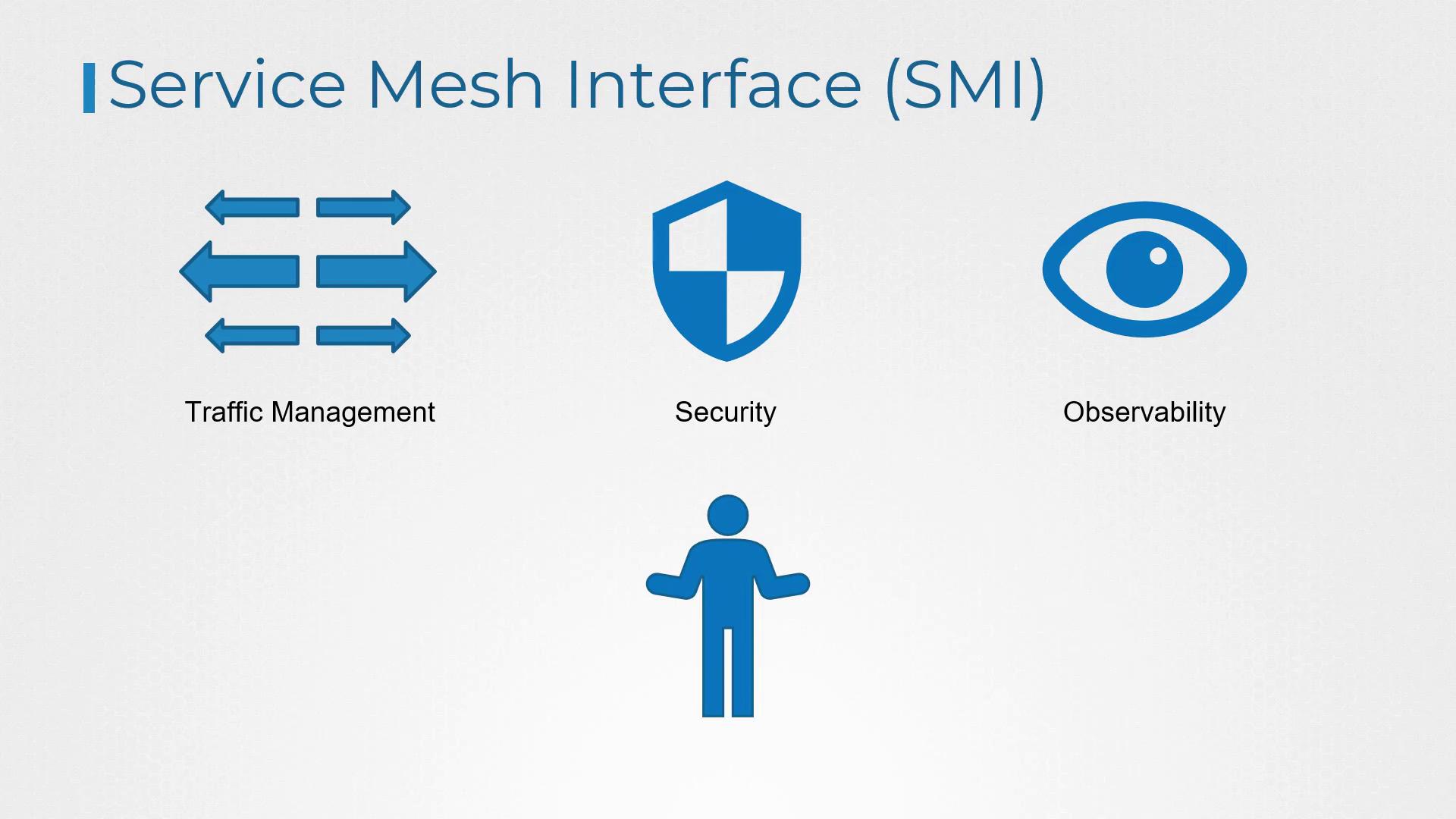
SMI standardizes the interaction between service mesh components, offering a set of APIs that ensure seamless communication between control planes and data planes. This vendor-agnostic specification helps manage traffic, enhance security, and improve observability across service mesh deployments.