Balanced approaches that accept innovation while addressing risks can help organizations adapt efficiently to new technology trends.
1. Code Quality and Reliability
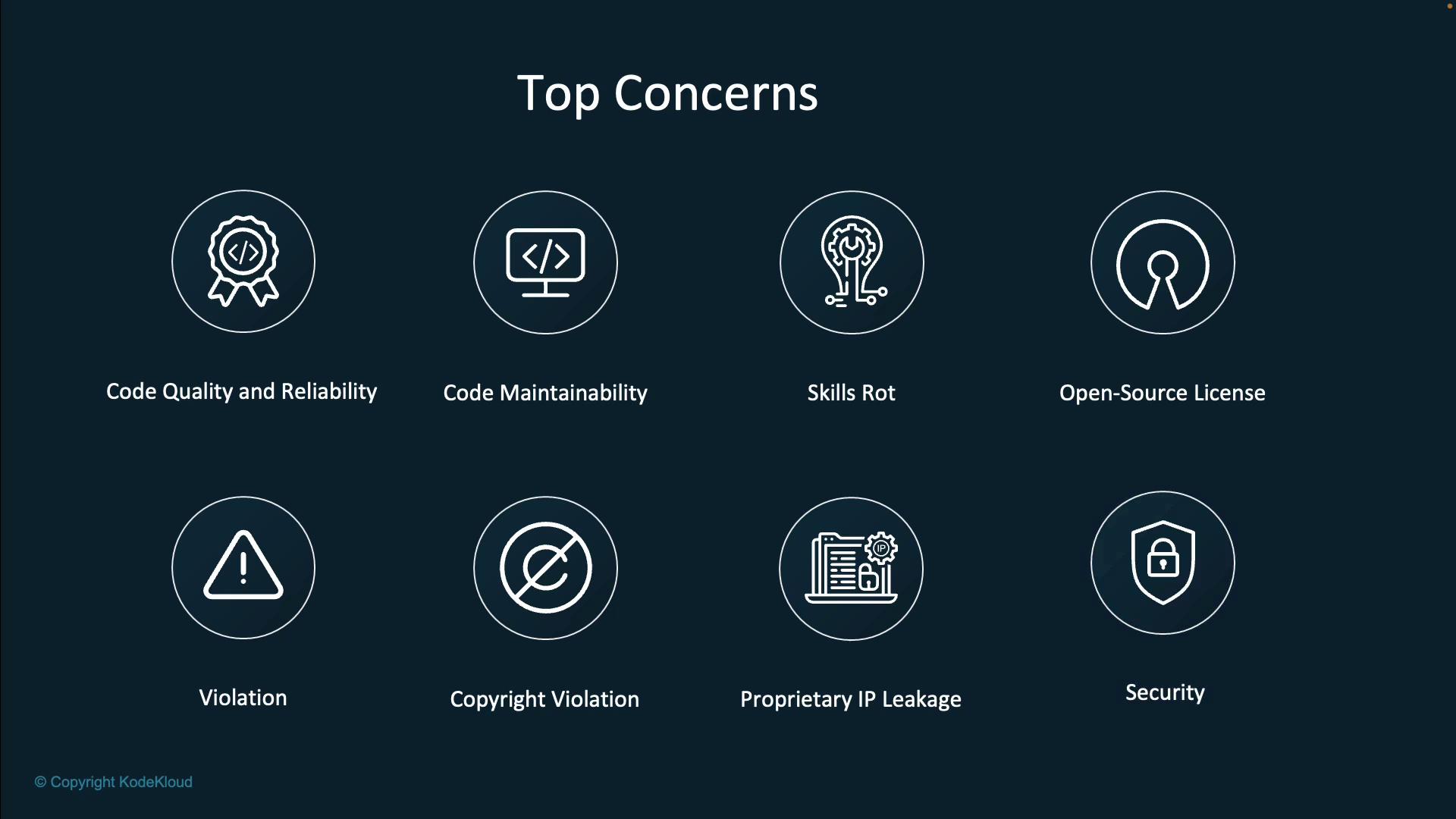
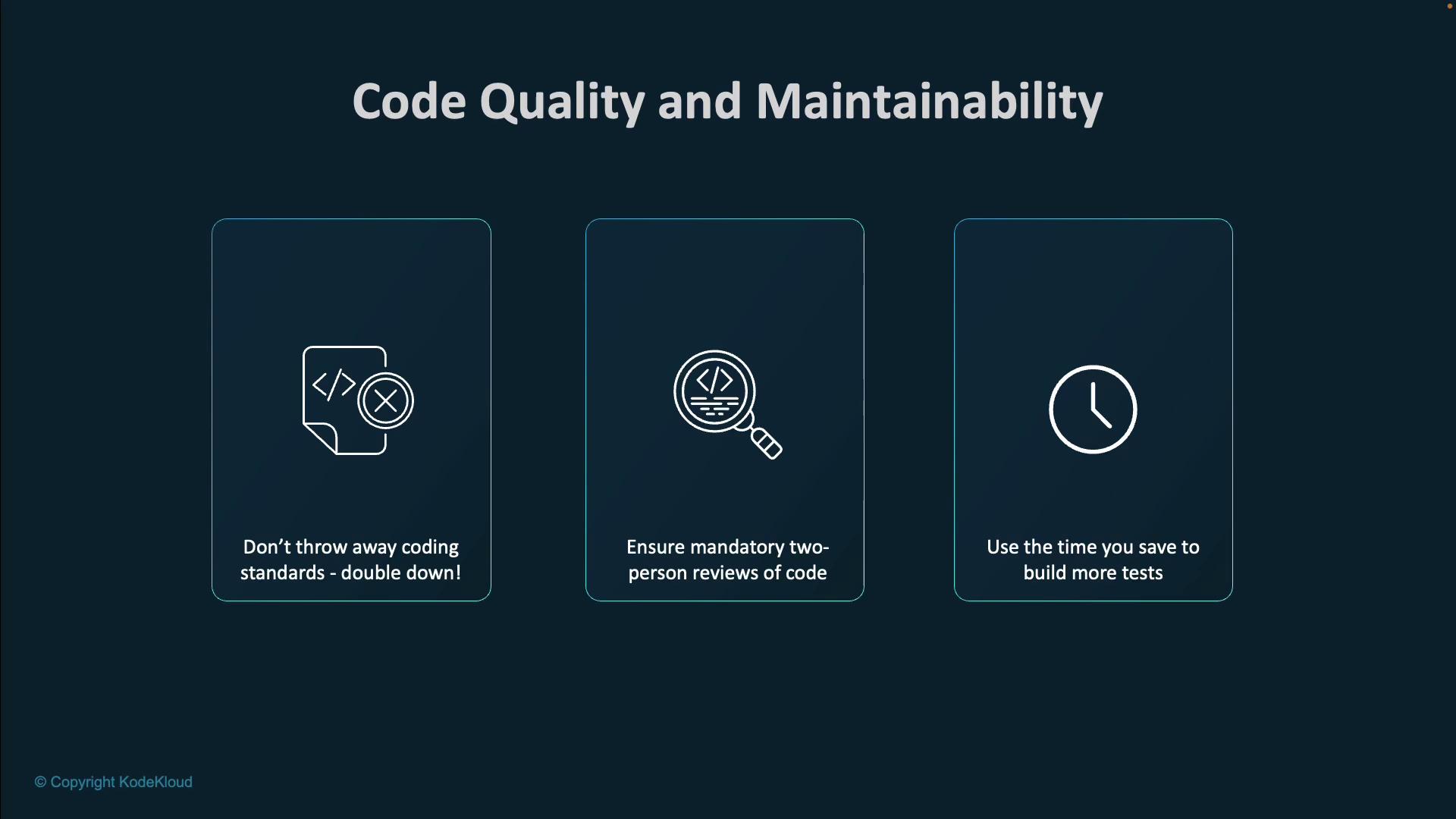
One major concern with AI-assisted development is ensuring that AI-generated code is production-ready, secure, and maintainable over time. Leaders worry that rapidly generated code might be difficult to understand or manage, and there is concern around inadvertent violations of proprietary intellectual property or open source licenses.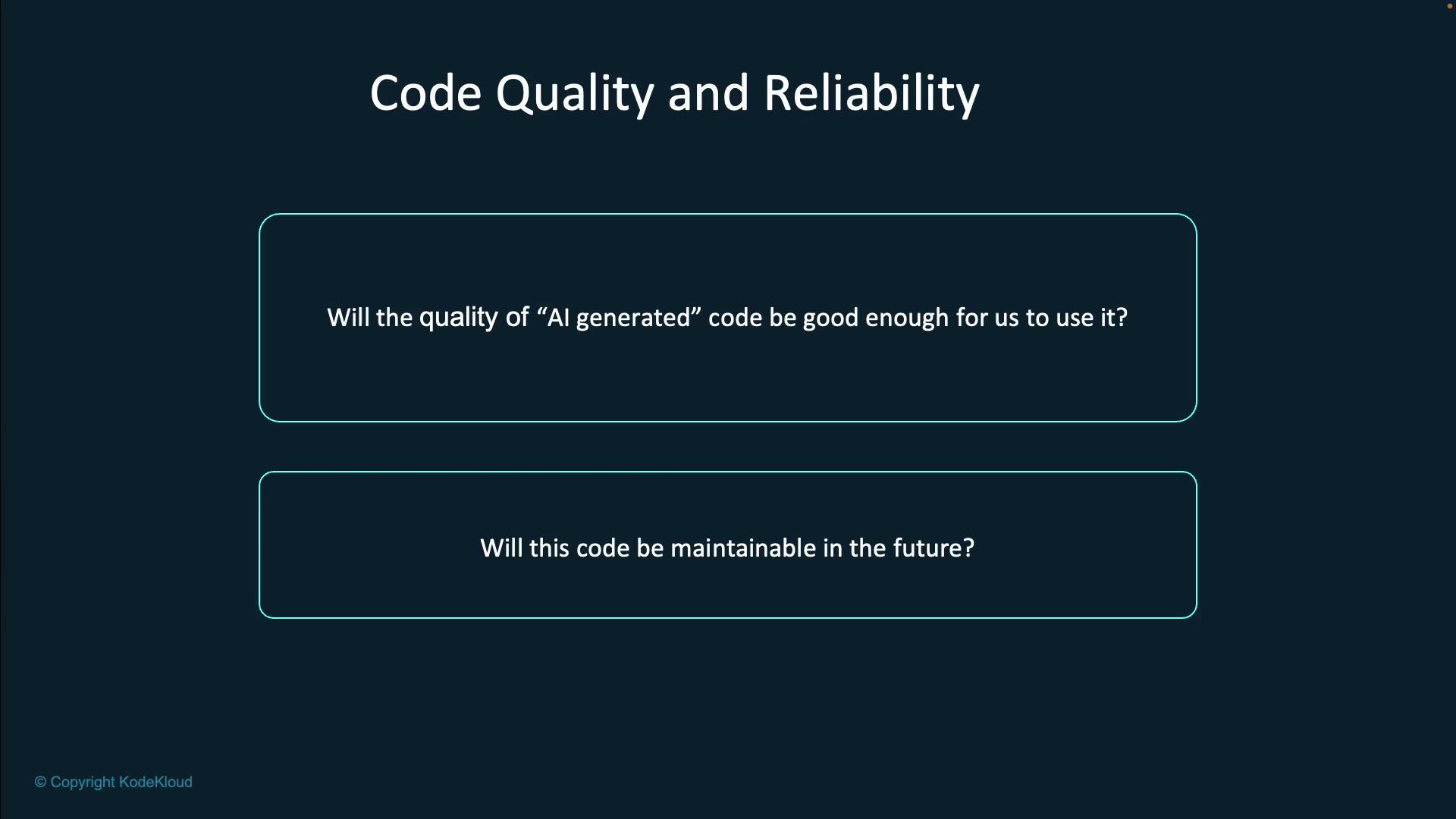
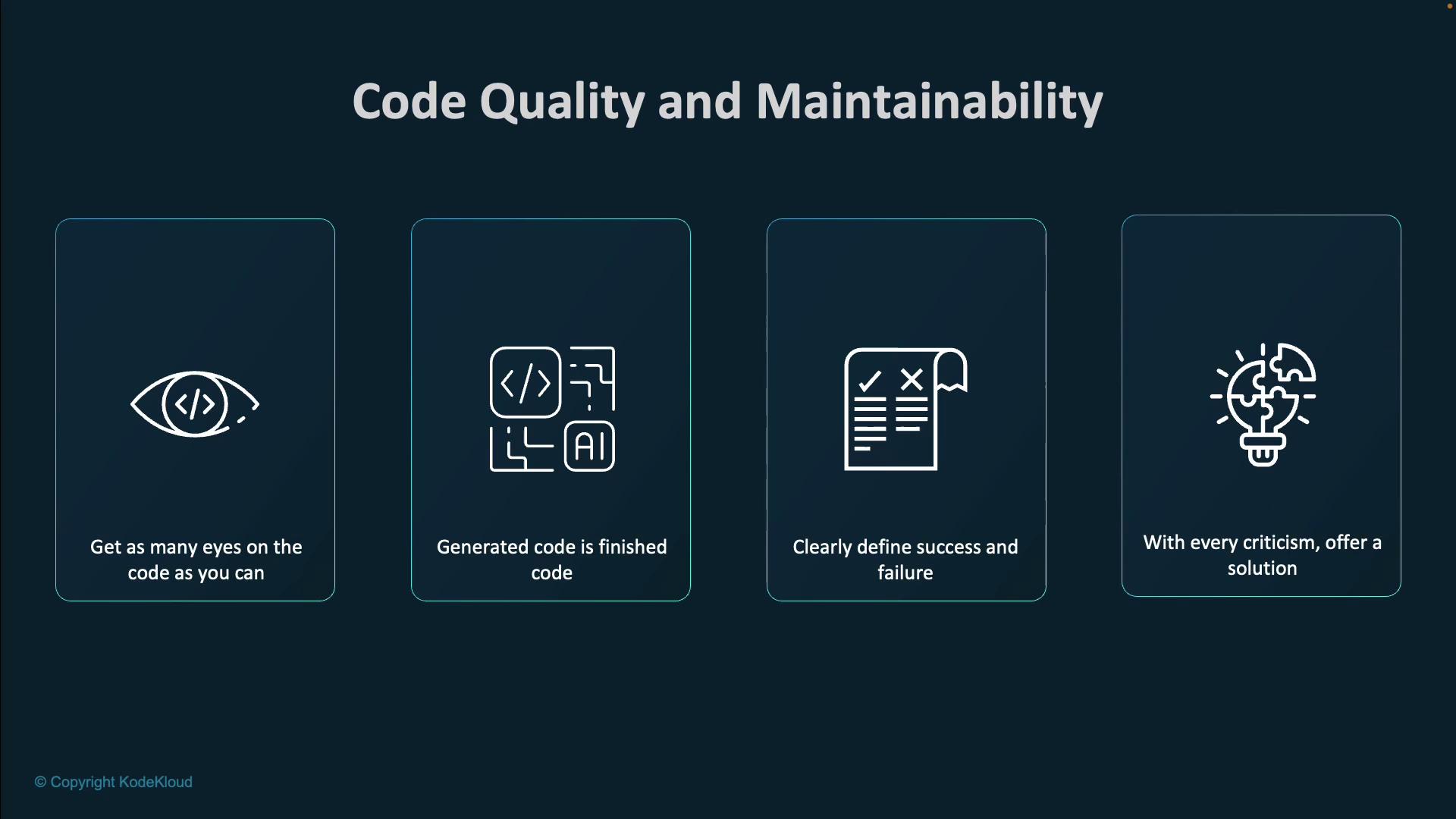
Strategies to Enhance Code Quality and Maintainability
-
Pilot Projects:
Begin with low-traffic, low-impact projects to integrate AI tools. Encourage broad participation in reviewing and offering feedback on the generated code. -
Review the Generated Code Thoroughly:
Treat AI-created code as finished code that must meet established coding standards prior to deployment. -
Define Metrics for Success and Failure:
Establish clear metrics to assess code quality. Factors might include bug closure rates, development velocity, and adherence to coding standards. -
Provide Constructive Criticism:
Document any shortcomings and propose ideal alternatives to continuously refine both the code and the AI tool’s performance.
2. Mitigating Skills Degradation
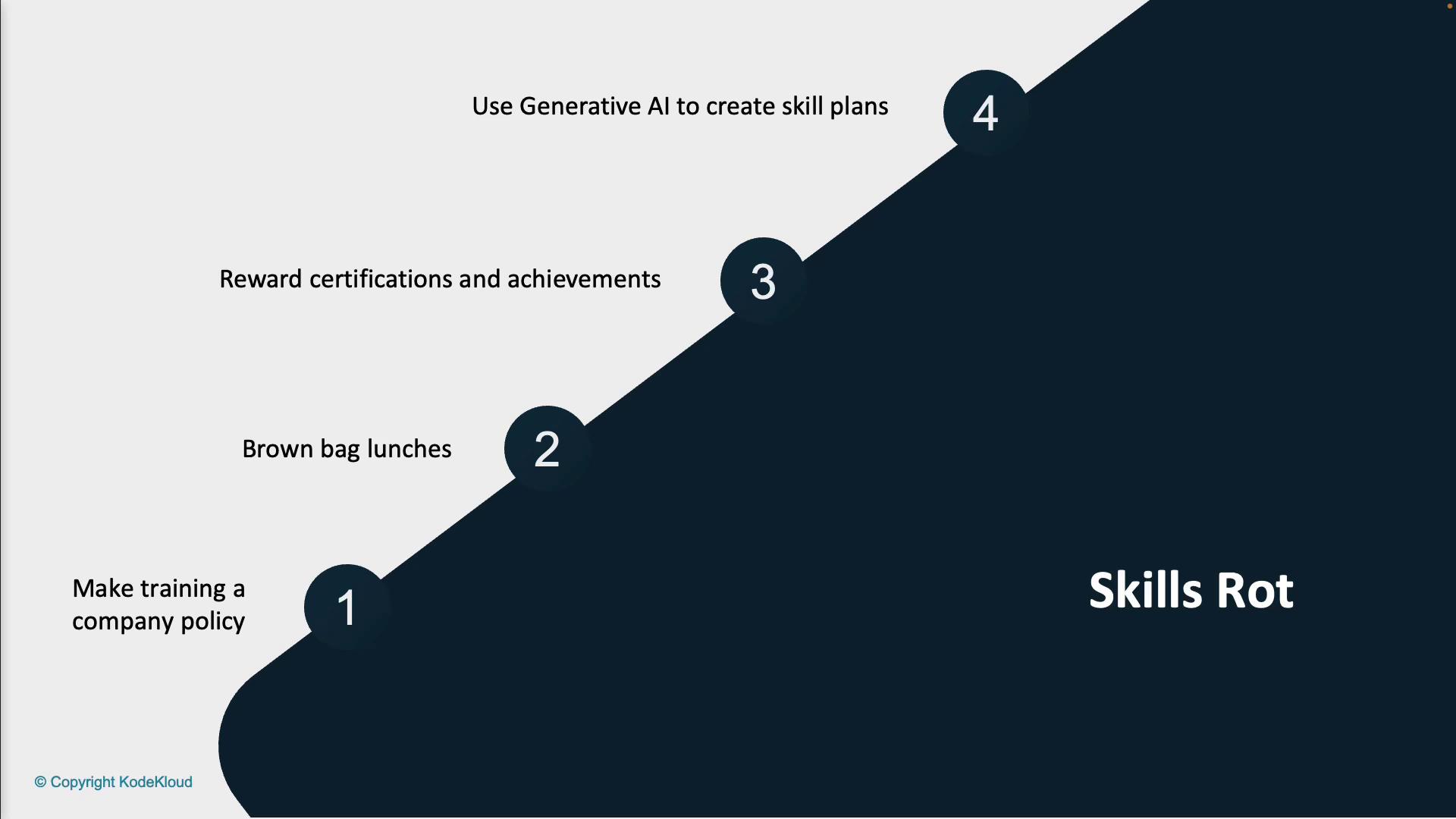
A frequent concern is that over-reliance on AI could lead to skills rot, where developers lose depth in problem-solving. Similar concerns have arisen with other technological advancements like Stack Overflow and search engines.Strategies to Prevent Skills Rot
-
Company-Wide Training:
Dedicate regular time for engineers to learn new skills and stay updated with emerging technology trends. -
Organize Brown Bag Sessions:
Host informal lunch-and-learn sessions that allow teams to share insights and discuss cutting-edge trends. -
Pursue Certifications and Courses:
Monitor and encourage certifications and course completions to validate ongoing professional development. -
Utilize AI for Personal Skill Development:
Tailor personalized learning paths and study plans using AI tools to foster continuous growth.
3. Addressing Legal and Compliance Challenges
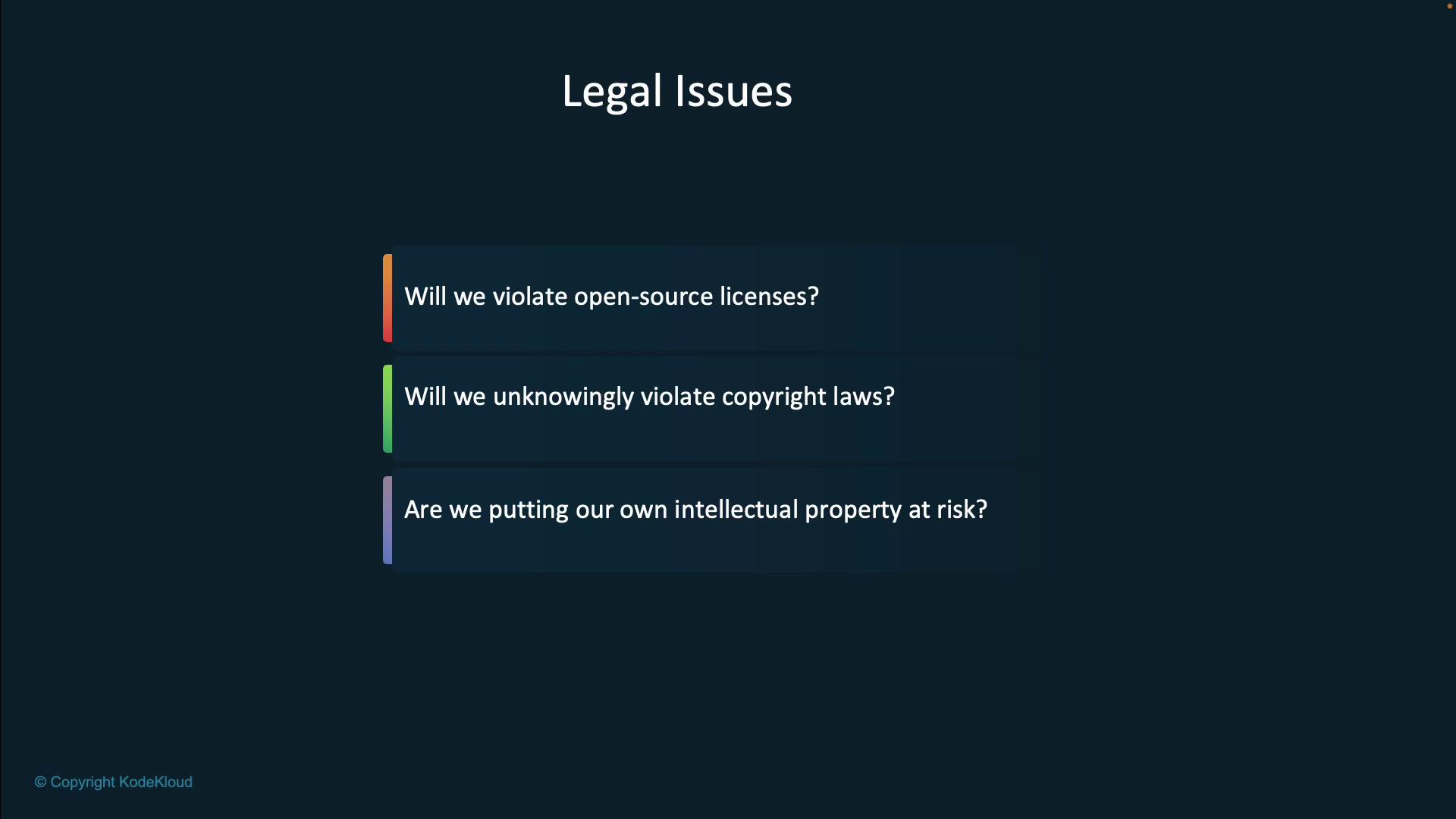
Legal risks remain a major challenge, including potential issues with open source license violations, copyright infringements, or exposing proprietary code unintentionally.Legal Risk Mitigation Practices
-
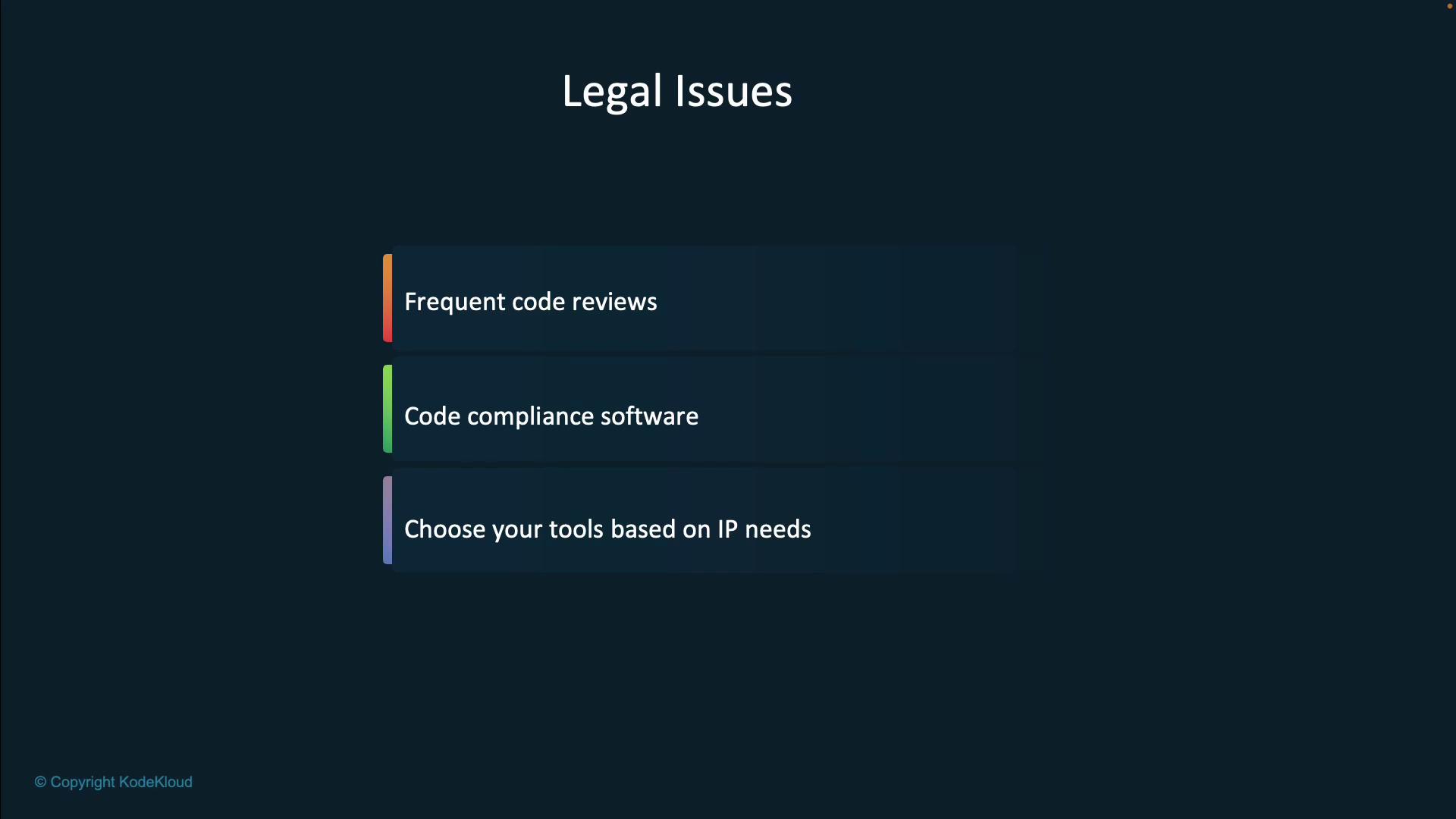
Increase Code Reviews:
Frequent reviews can help identify any risky or non-compliant code segments before they become problematic. -
Leverage Compliance Tools:
Implement code scanning and compliance software to ensure that all licensing and intellectual property guidelines are followed. -
Implement Data Sanitization:
Remove sensitive or proprietary data from code before it is exposed externally or used for AI training.
Inadvertent exposure of proprietary or licensed code can have significant legal consequences. Prioritize thorough review and compliance assessments.
4. Enhancing Security Measures
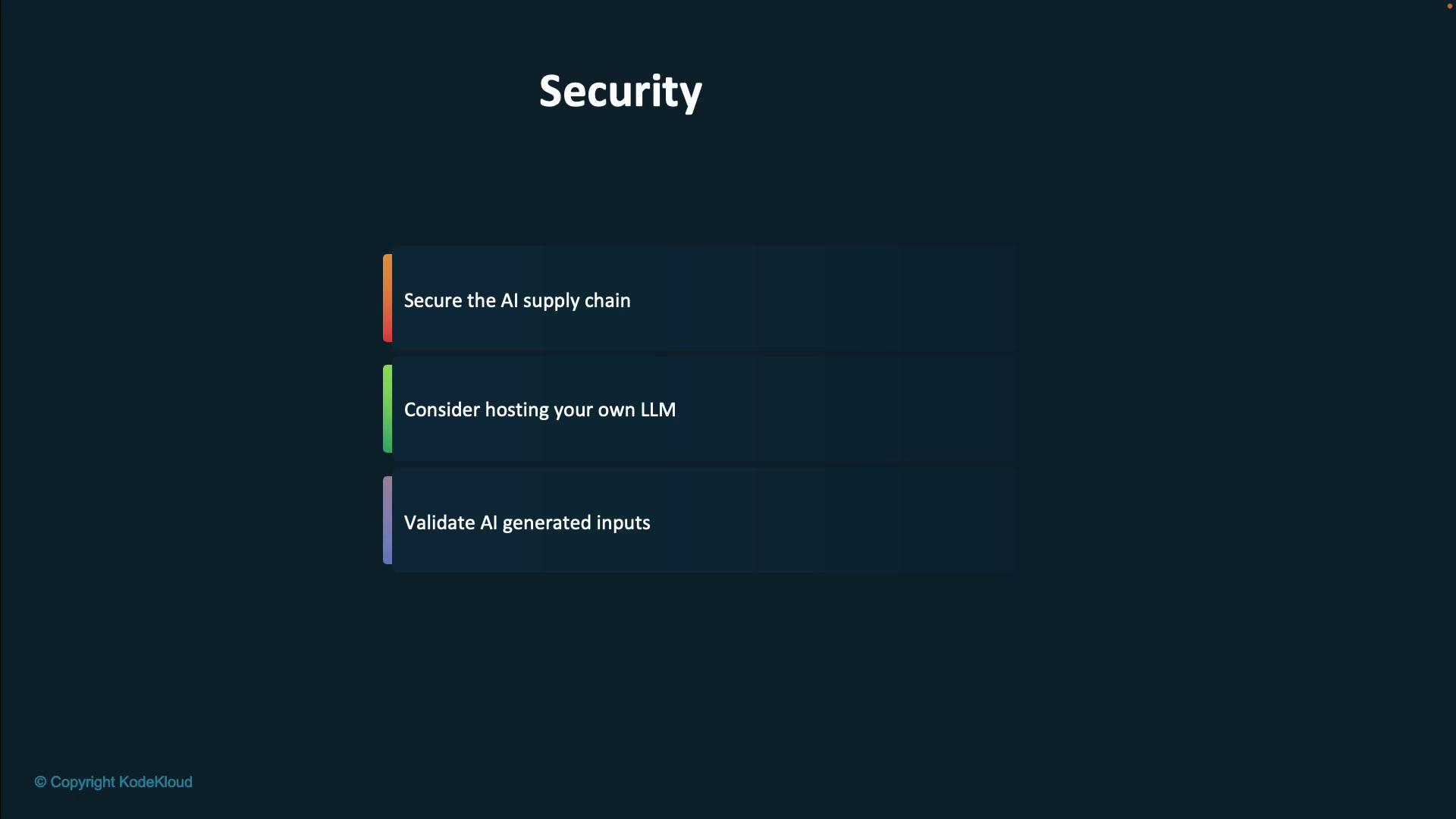
Security is paramount when integrating AI into your software development. Concerns include the potential leakage of sensitive data, which might expose intellectual property or private user information.Best Practices for AI Security
-
Secure the AI Supply Chain:
Assess each AI tool’s hosting environment—whether it is cloud-based or hosted locally—and determine if your data is used to retrain the model. -
Host Your Own Large Language Model (LLM):
Consider maintaining your own LLM to ensure greater control over data and security. -
Combine Automated and Human Reviews:
Use a blend of automated security scans and human intervention to verify AI outputs for vulnerabilities.
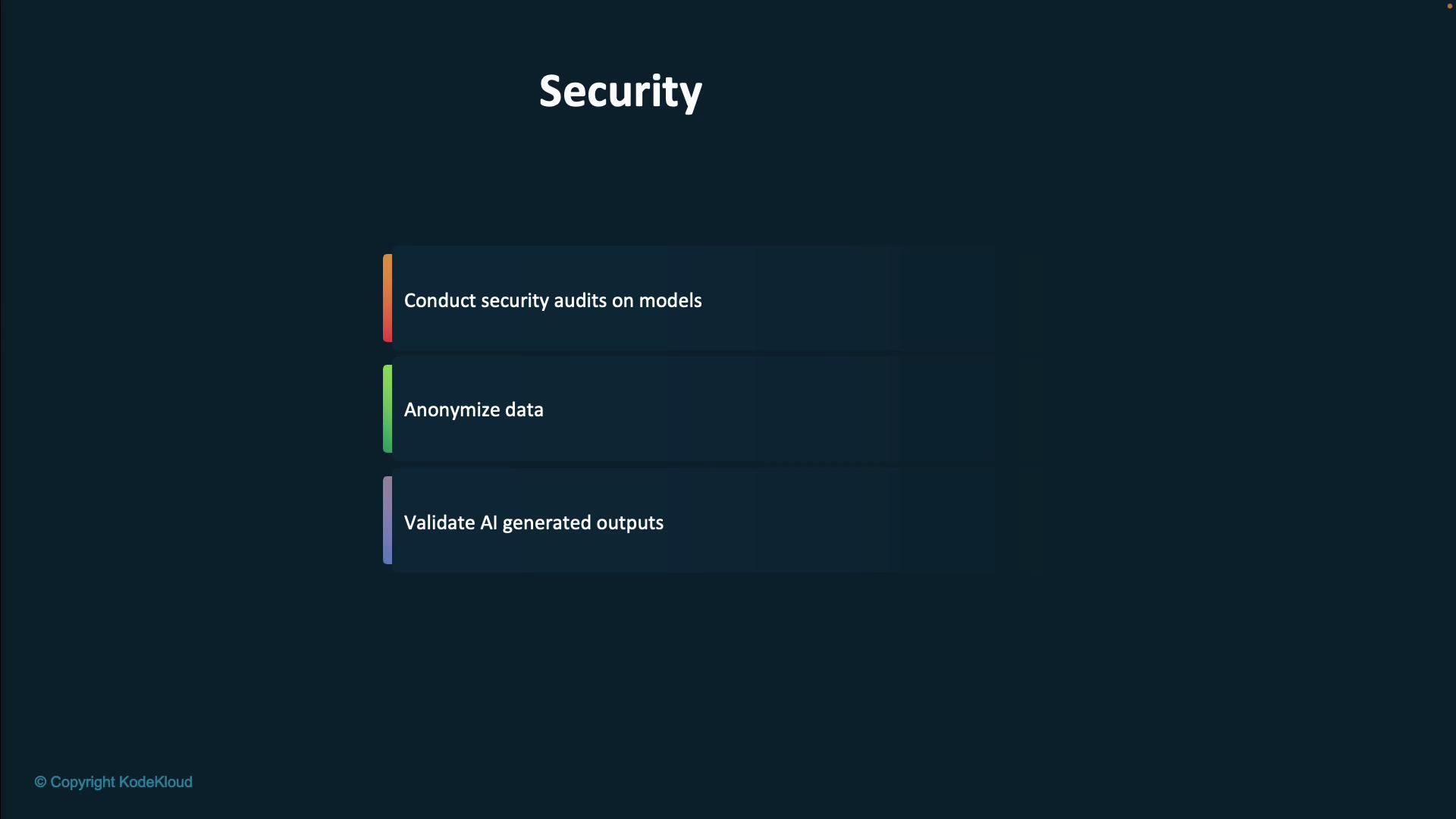
- Conduct Regular Audits and Anonymize Data:
Work closely with your security team to perform regular audits. Ensure data fed into AI models is anonymized to prevent leaks of confidential details.