


- Service Discovery: Locate healthy service instances via DNS or HTTP API.
- Service Segmentation: Define and enforce which services may communicate.
- Configuration Management: Store and retrieve configuration in a distributed K/V store.
HashiCorp Products at a Glance
Open Source vs. Enterprise Editions
Consul’s open source edition works great for small teams and proofs of concept. Enterprise adds scale, governance, and automation features: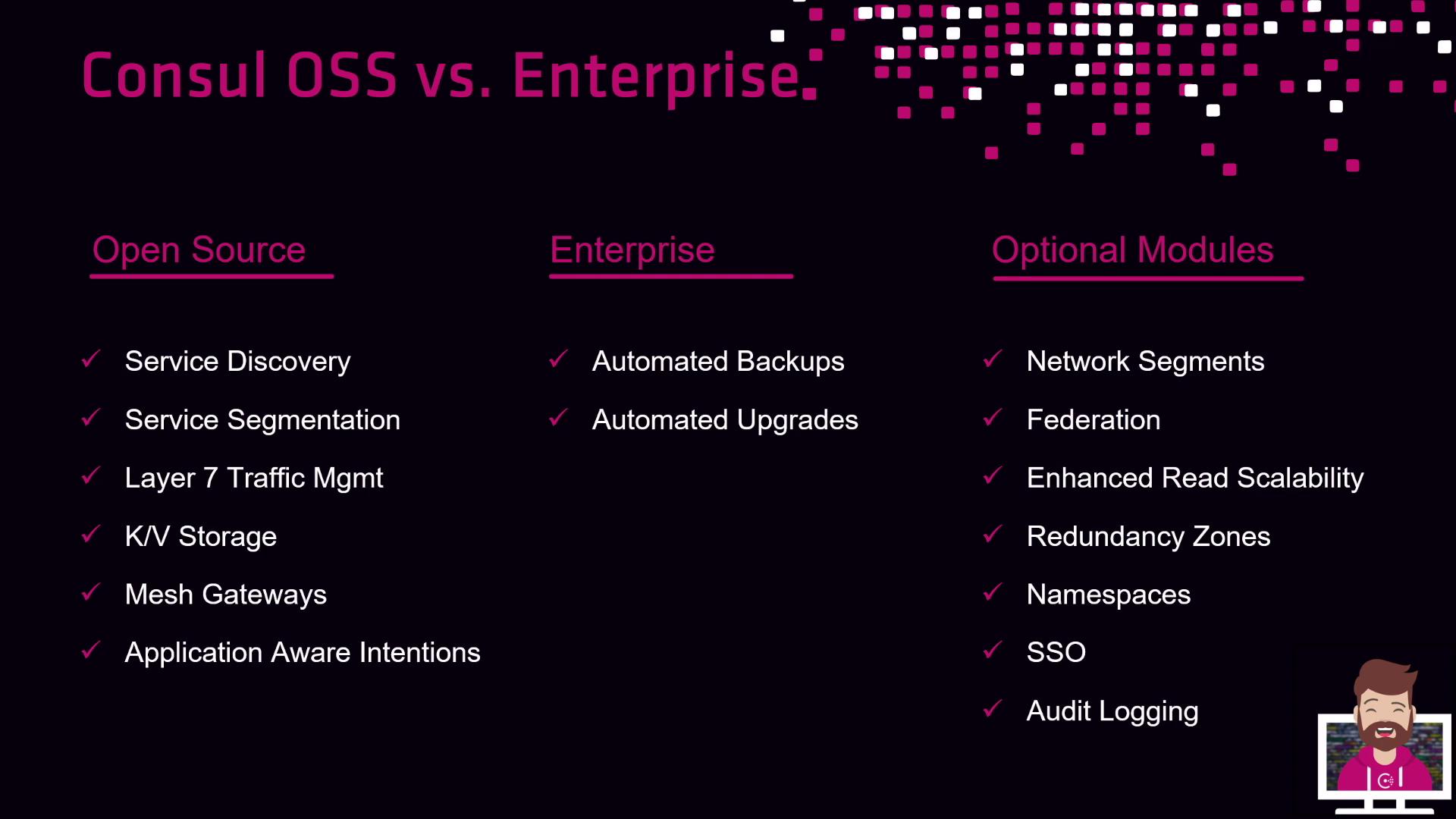
Enterprise-only features require a valid Consul Enterprise license.
Why Choose Consul?
Consul is adopted by organizations looking for unified networking across services, platforms, and environments: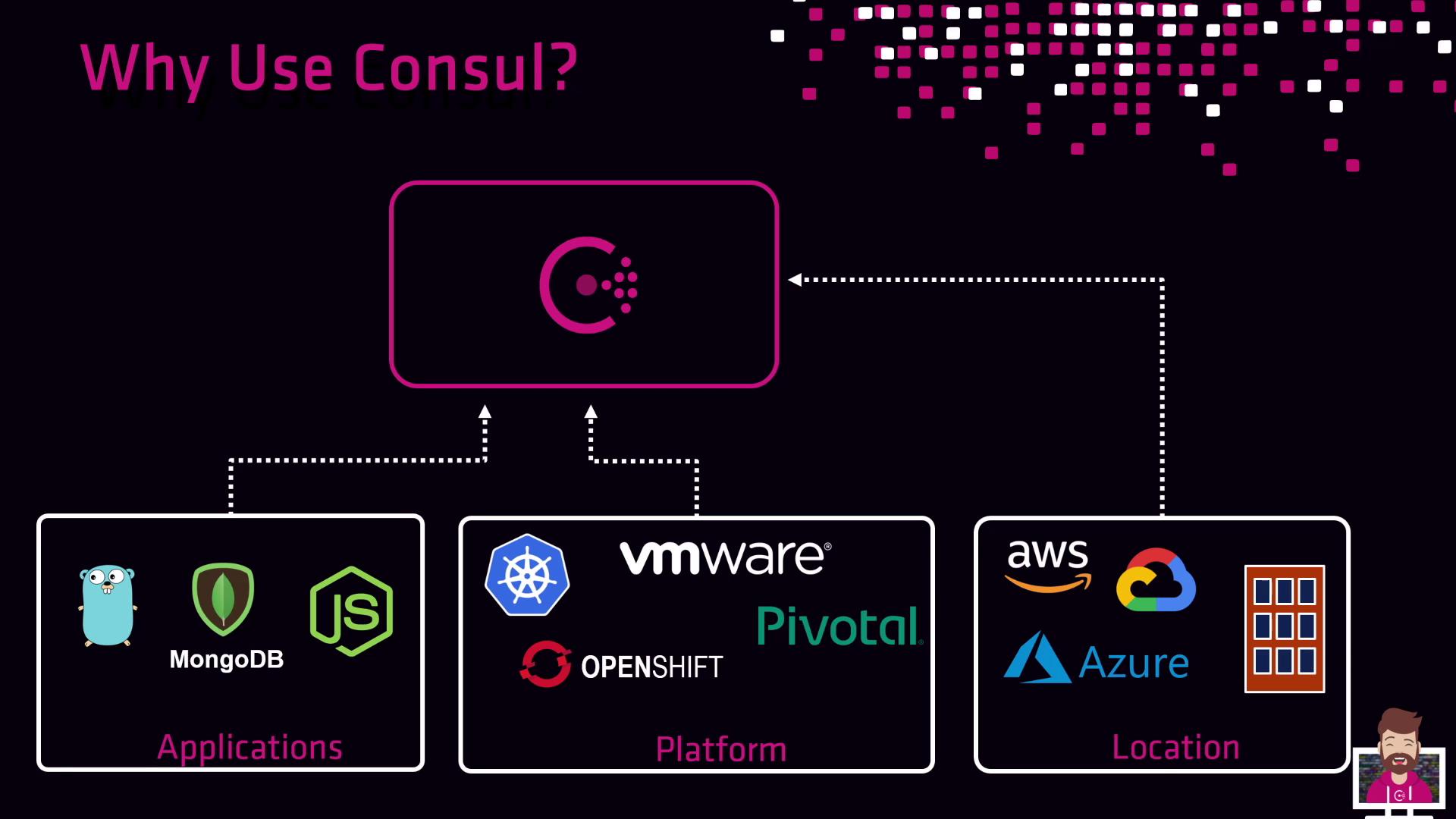
Evolution: Monoliths vs. Microservices
Traditional Monolith
Applications live behind fixed load balancers and firewalls, scale by replicating the entire stack, and rely on static IPs. A failure in any component can bring down the service.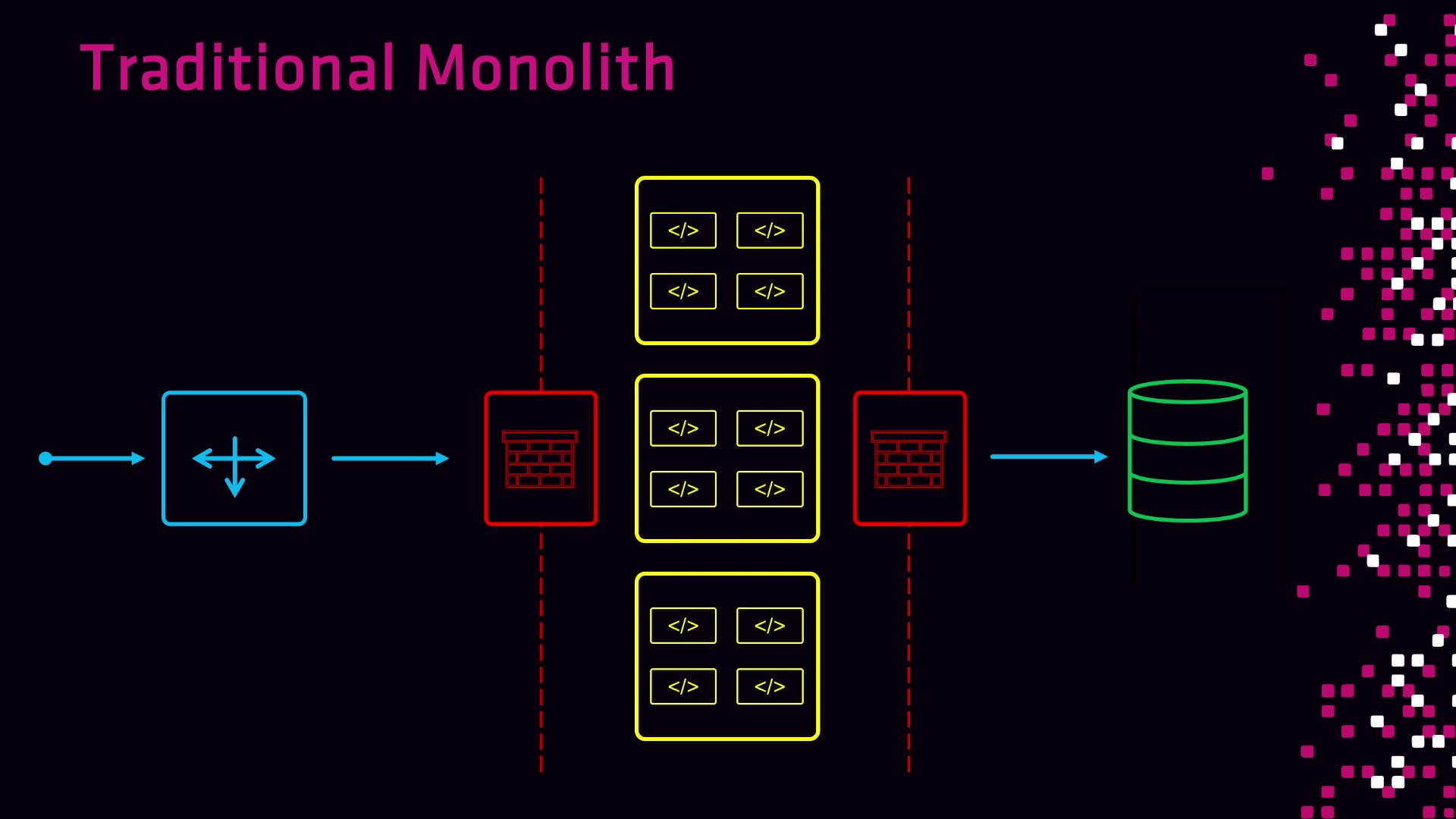
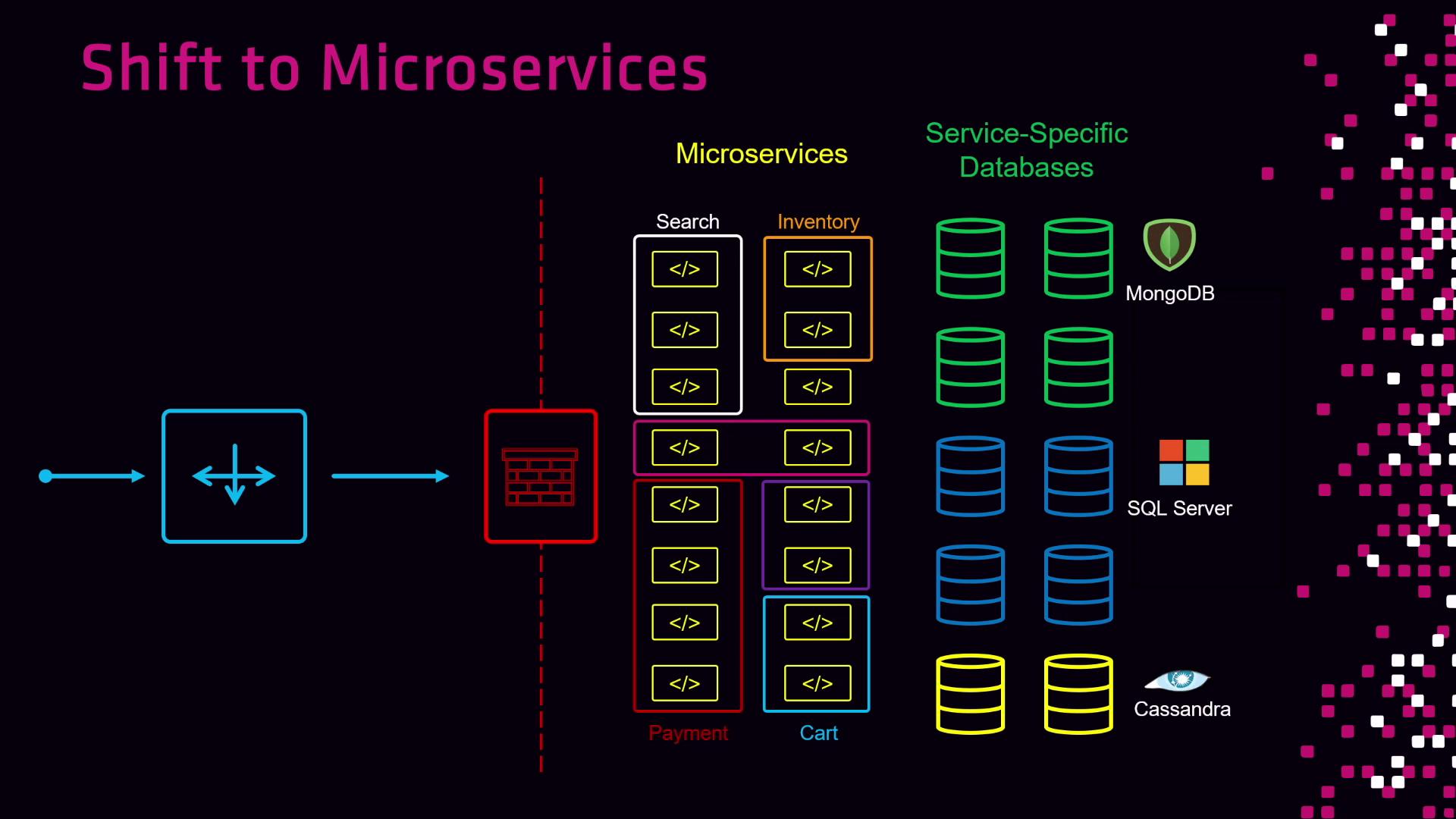
Microservices Architecture
Breaking applications into discrete services improves agility but introduces network complexity:- Ephemeral services with dynamic IPs
- Traffic routing only to healthy instances
- Fine-grained communication policies for security
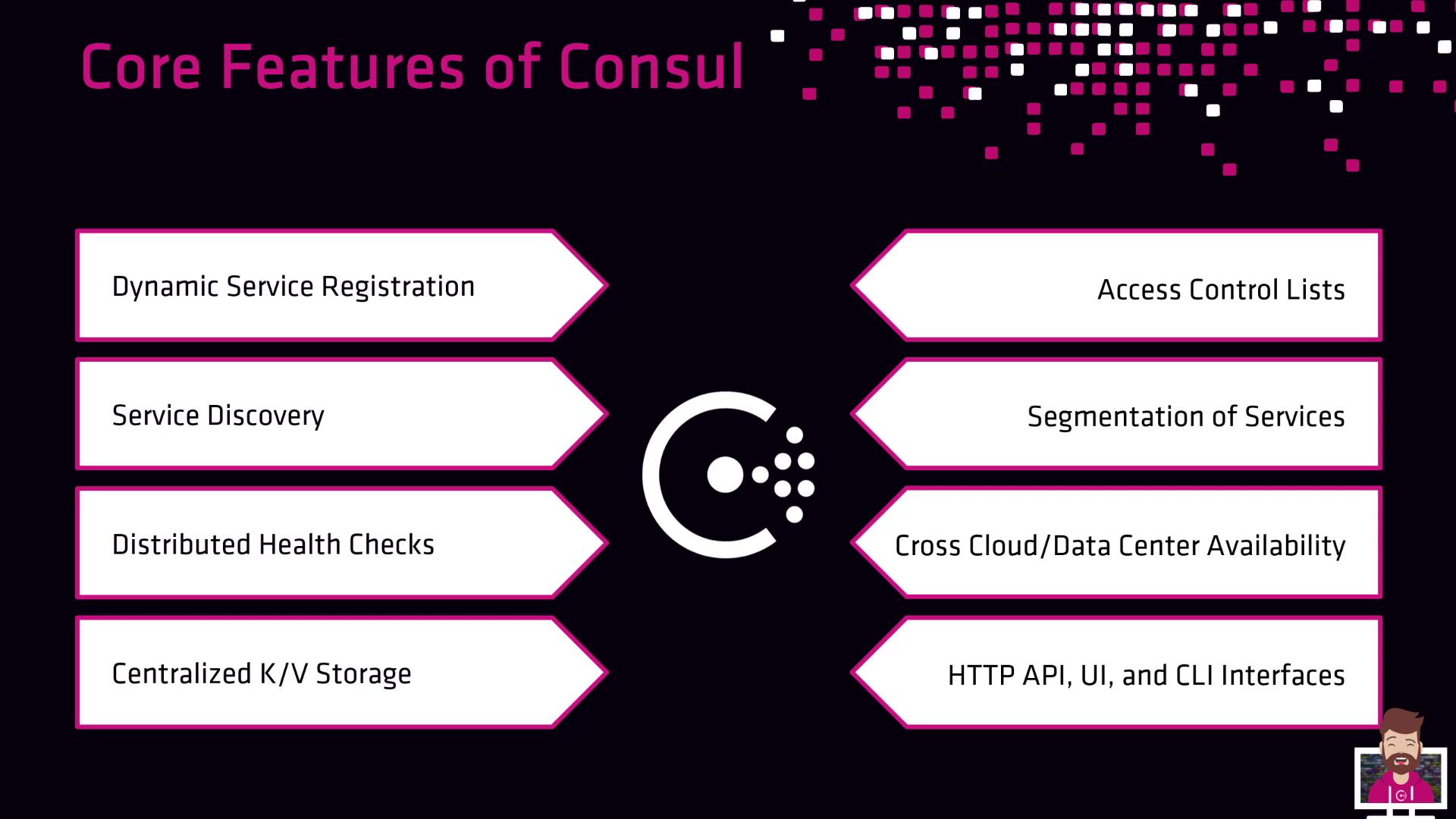
Consul Core Features
To meet dynamic infrastructure needs, Consul delivers:- Dynamic Service Registration: Agents register services at startup.
- Service Discovery: DNS queries or HTTP API locate healthy endpoints.
- Distributed Health Checks: Continuous monitoring of service and node health.
- Centralized K/V Store: Hierarchical storage for configuration, certificates, and more.
- Access Control Lists (ACLs): Fine-grained permissions for keys and services.
- Service Mesh (Connect): Mutual TLS segmentation and secure sidecar proxies.
- Multi-Datacenter & Cross-Cloud: Federate clusters with global view.
- API, UI, & CLI: Full-featured interfaces for automation and inspection.
Now that we’ve outlined Consul’s problem space and solution overview, let’s explore hands-on examples and configuration patterns in the following sections.