

What Are Read Replicas?
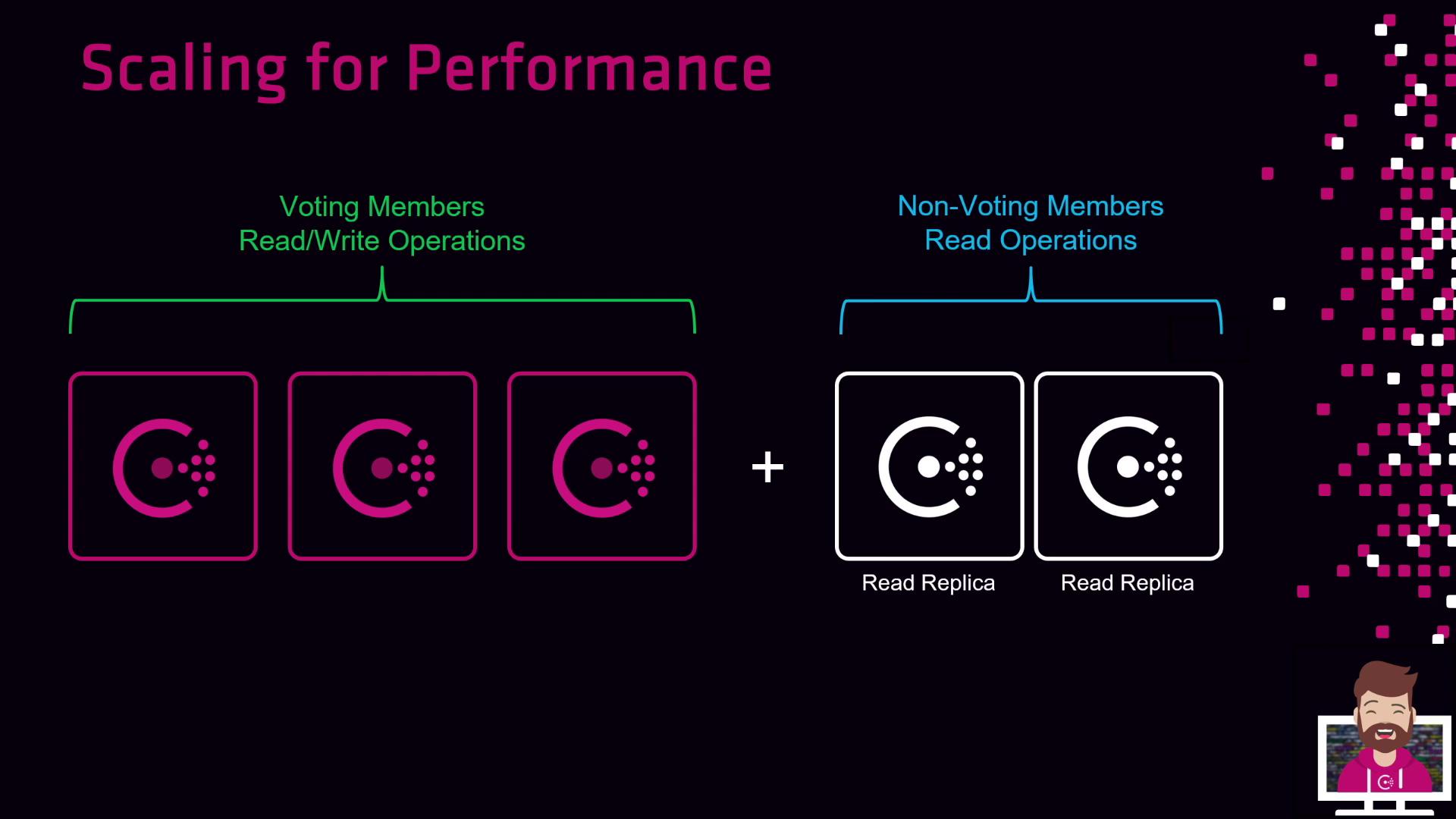
Read replicas in Consul Enterprise are special server agents that:- Serve read-only traffic: Respond to queries without handling writes.
- Stay in sync via replication: Receive updates from the primary cluster.
- Do not vote: Excluded from leader elections, ensuring election integrity.
Read replicas always reflect the latest cluster state but cannot process
acl replication up or write-related API calls.Primary Cluster vs. Read Replicas
Architecture Overview
A typical enhanced-read deployment includes:- Primary Consul Servers
- Usually 3 voting nodes
- Manage leader elections, writes, and replication
- Read Replica Nodes
- Deployed alongside or in separate datacenters
- Subscribe to the Raft log for updates
- Serve only read requests
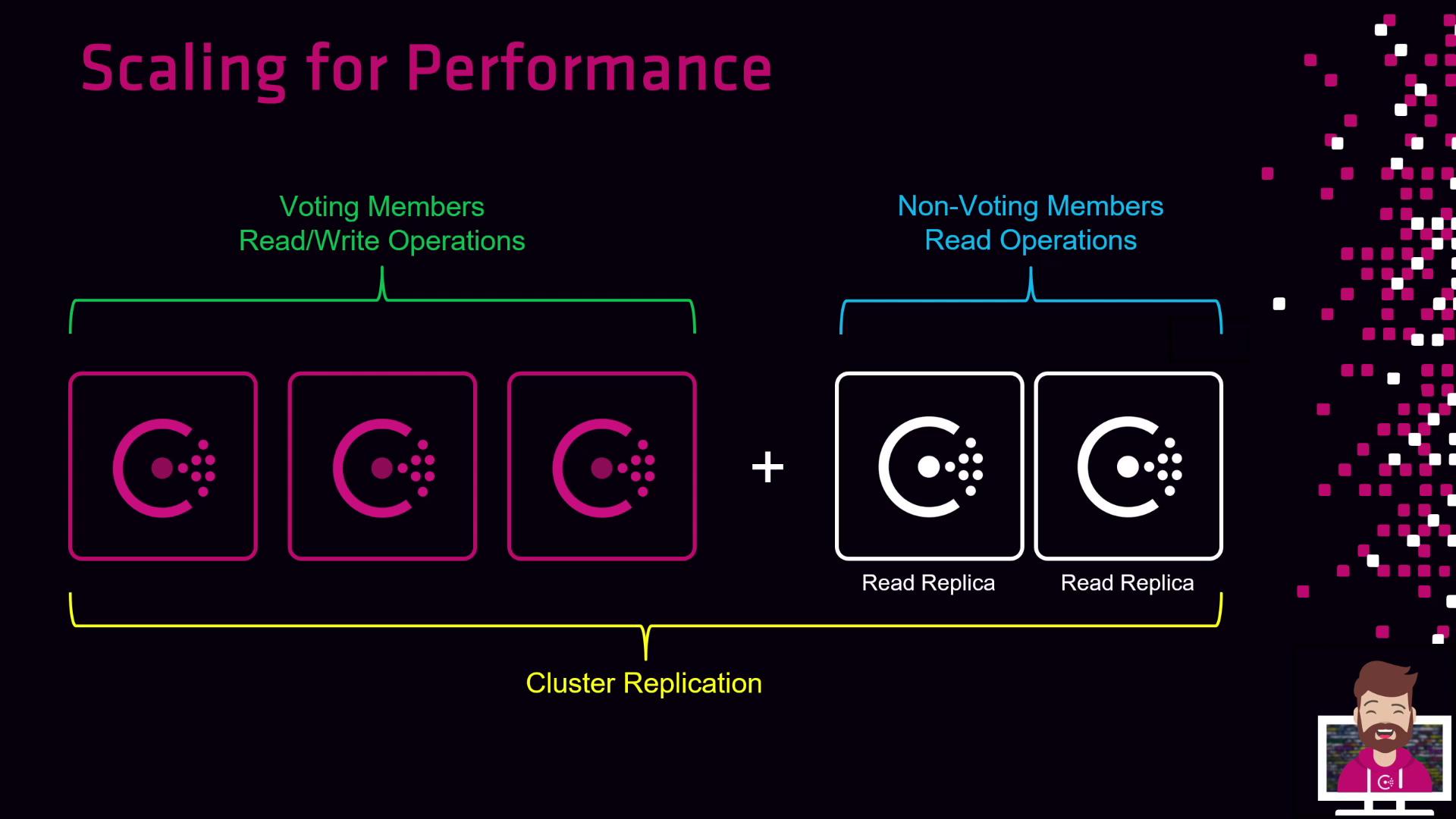
Ensure your network allows bidirectional communication between primary servers and read replicas. Replication requires stable connectivity to avoid replication lag.
Best Practices
- Deploy at least three voting servers for high availability.
- Spread read replicas across failure domains or datacenters.
- Monitor replication lag via the Consul telemetry API.
- Use DNS split-horizon or service mesh routing to direct read traffic.