

1. Identifying Knowledge Gaps in Secure Coding
Many teams inadvertently introduce vulnerabilities simply because they lack awareness of common security pitfalls. Start by mapping out where developers need more support:- Audit current projects for common flaws (e.g., injection attacks, insecure deserialization).
- Survey developers on their familiarity with OWASP Top 10 and secure coding patterns.
- Provide targeted training, pair programming sessions, and up-to-date reference guides.
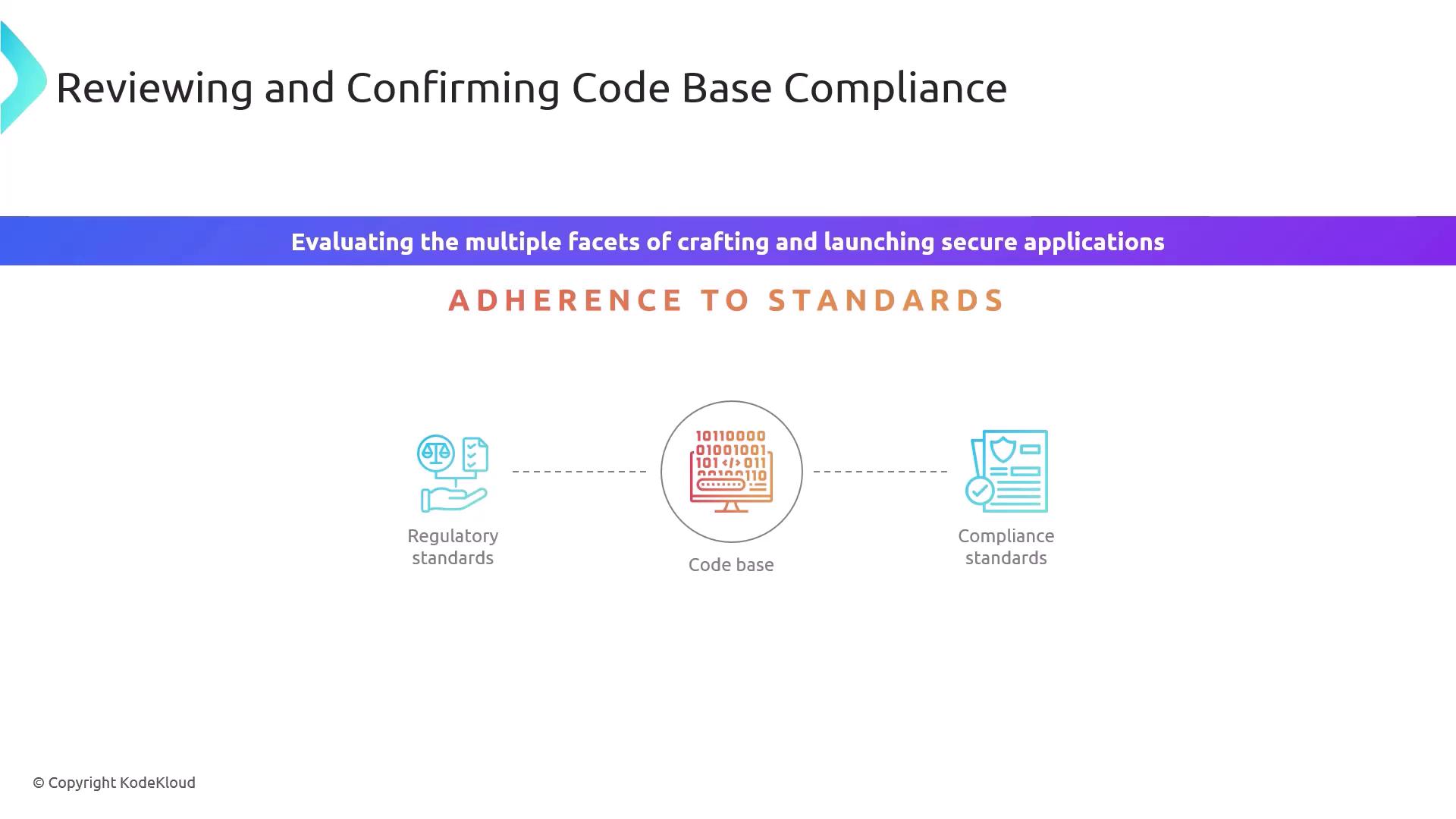
Regular code reviews and security workshops not only catch issues early but also foster a culture of continuous improvement.
2. Security-First Coding: Accuracy and Protection
Adopt a “shift-left” mentality where each code change is assessed for both functionality and security:- Accuracy: Validate business logic against requirements.
- Security: Enforce input validation, strong authentication, proper error handling, and data encryption.
- Automation: Integrate static analysis (SAST) and dynamic scans (DAST) into your CI/CD pipeline.

Skipping security validation in early development phases can lead to costly post–release patches and compliance breaches.
3. Adherence to Regulatory and Industry Standards
Embedding compliance into your workflow ensures that you’re audit-ready at every stage. Follow these steps:- Determine applicable standards (e.g., GDPR, HIPAA, PCI-DSS).
- Automate policy enforcement with tools like Azure Policy, Terraform Sentinel, or Open Policy Agent.
- Maintain thorough documentation, versioned artifacts, and audit logs.
| Standard | Scope | Example Tool |
|---|---|---|
| GDPR | Data privacy in the EU | Azure Data Protection |
| HIPAA | Healthcare data security (US) | aws cloudtrail + encryption |
| PCI-DSS | Payment card data protection | Qualys Policy Compliance |
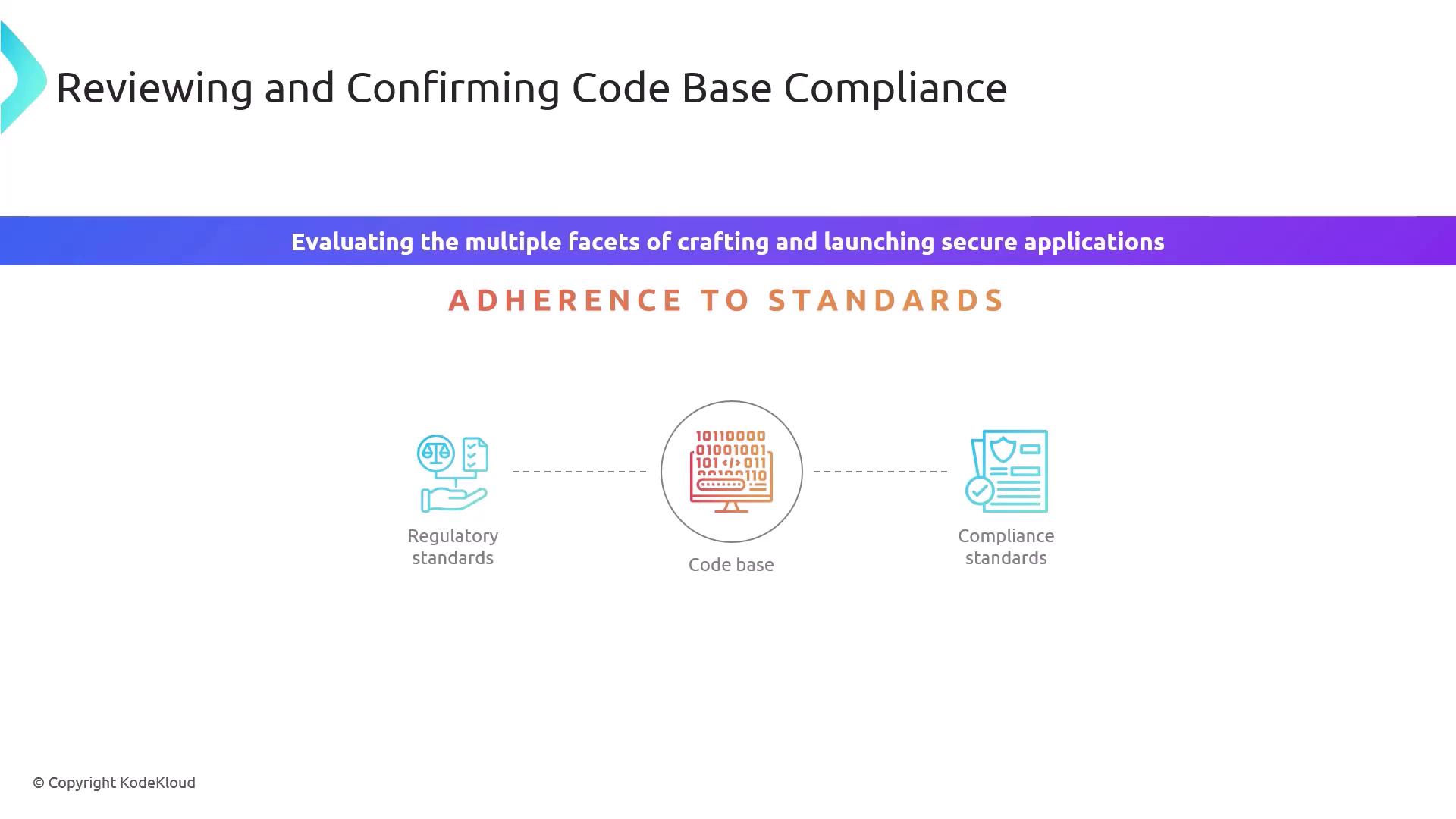
By systematically identifying knowledge gaps, embracing a security-first coding approach, and integrating regulatory checks into your CI/CD pipelines, you’ll guarantee that your applications are accurate, robust, and fully compliant.
Links and References
- AZ-400: Designing and Implementing Microsoft DevOps Solutions
- OWASP Top 10
- Azure Data Protection
- Qualys Policy Compliance