Understanding CVEs
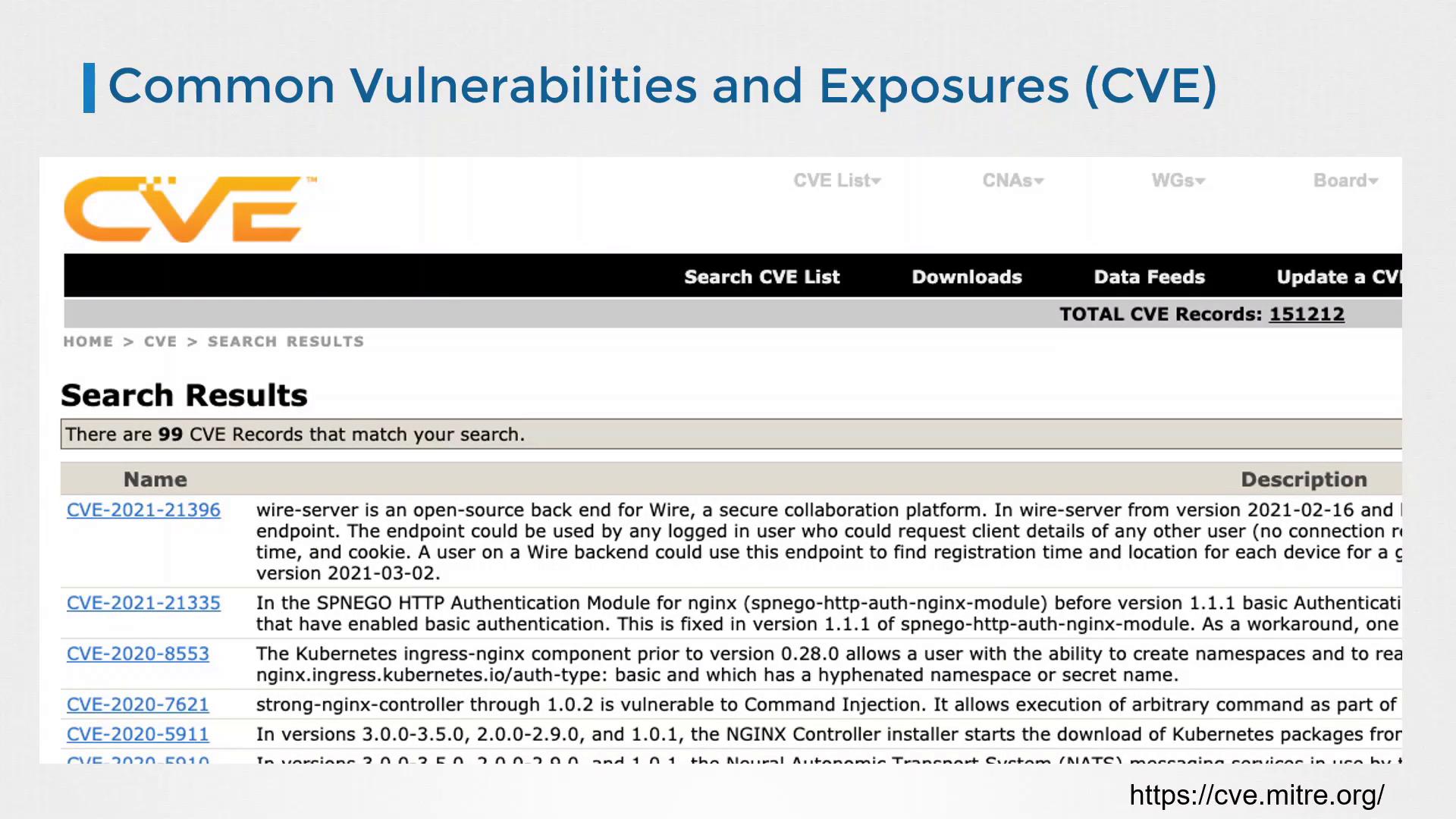
CVE stands for Common Vulnerabilities and Exposures. Since no code is perfect, vulnerabilities may exist in software that attackers can exploit. When security researchers discover these vulnerabilities, they report them to a centralized CVE database which helps: • Simplify bug reporting and avoid duplicate entries.• Assign a unique identifier to each vulnerability.
• Provide detailed information for developers and system administrators to prioritize and remediate issues.
- Vulnerabilities that allow bypassing security controls (for instance, accessing sensitive information intended for authorized users only).
- Vulnerabilities that degrade system performance, cause service interruptions, or otherwise destabilize the system.
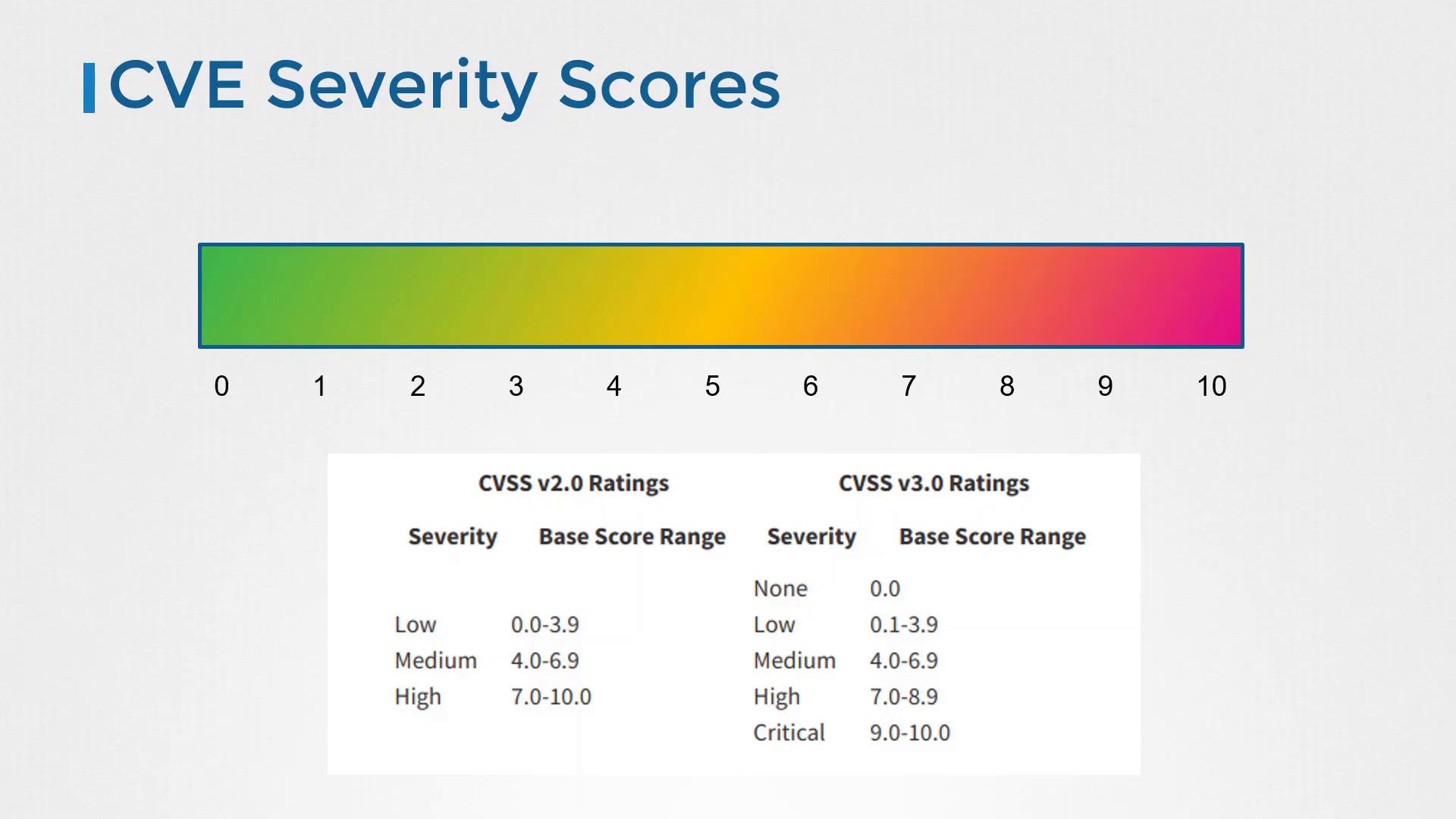
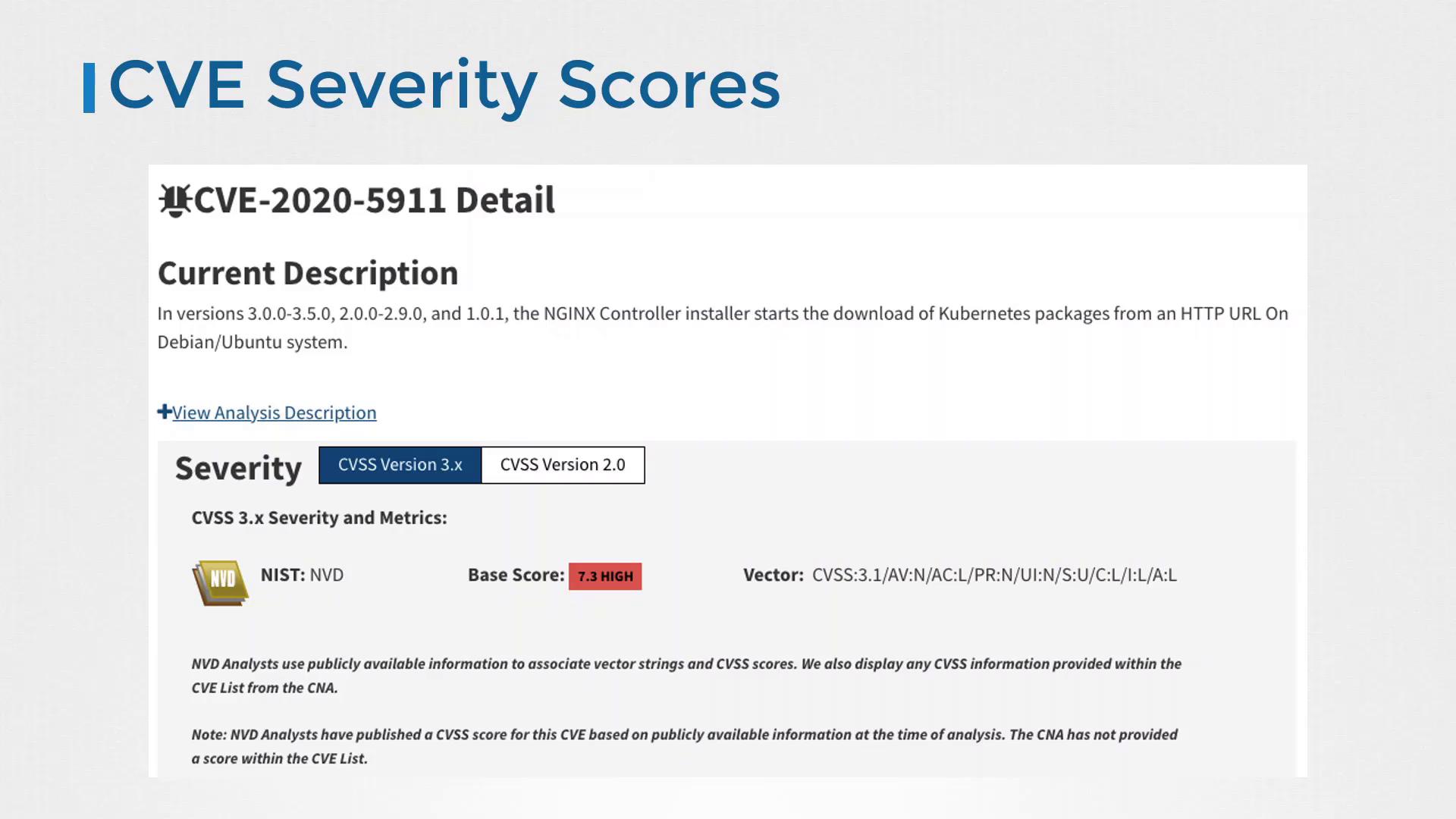
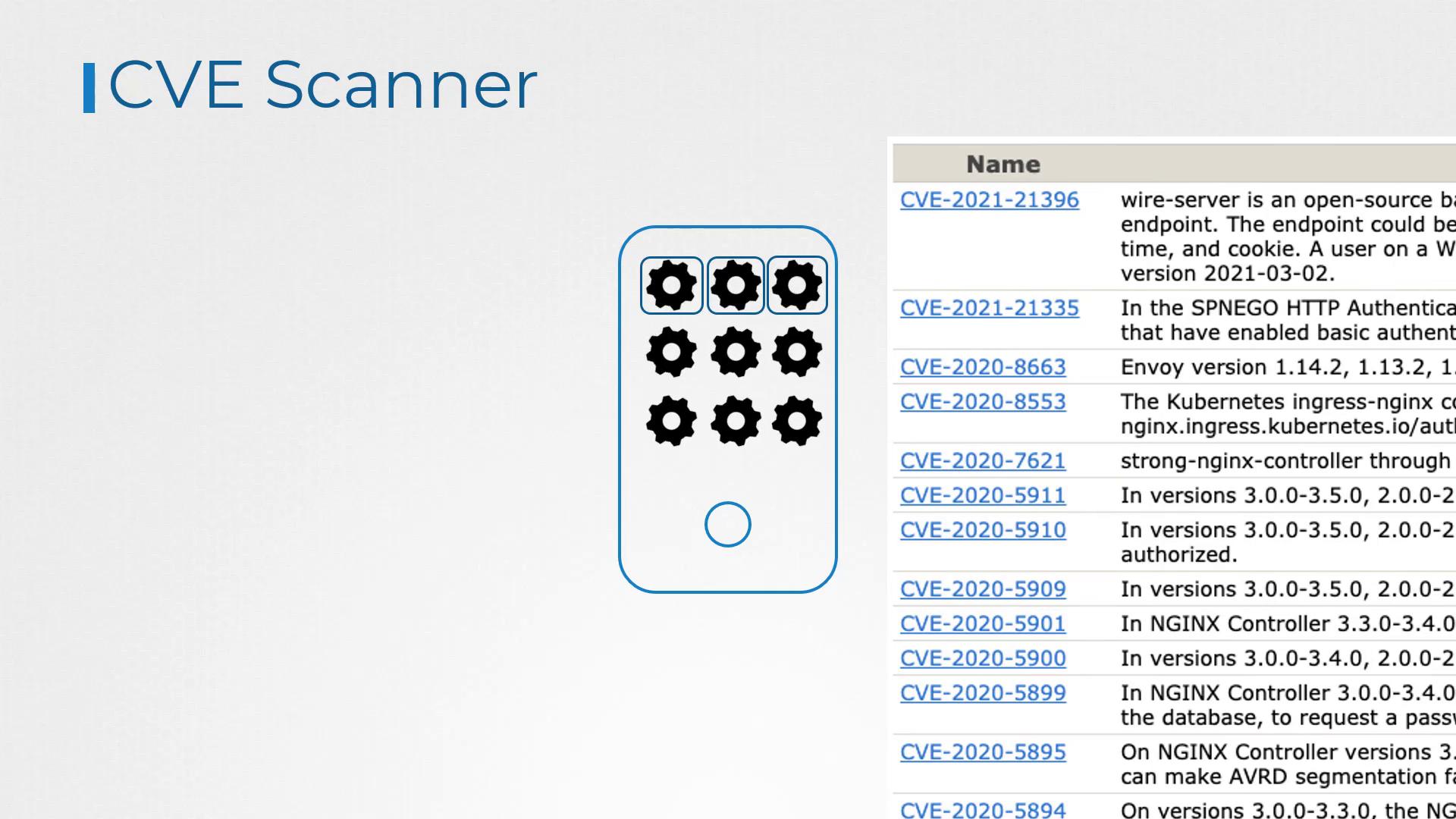
- Upgrade to a fixed version.
- Apply additional security measures.
- Remove unnecessary vulnerable packages.
Scanning with Trivy
Trivy by Aqua Security is a straightforward yet powerful vulnerability scanner for container images and other artifacts. It integrates seamlessly with CI/CD pipelines, making it an essential tool for modern DevOps practices. For more details, visit the Trivy documentation.Installing Trivy on Debian-based Systems
Follow these steps to install Trivy:Ensure your system meets all prerequisites before installation.
nginx:1.18.0, use the following command:
--input option:
Comparing images from different distributions can be eye-opening. For instance, while an
nginx:1.18.0 image on Debian might report many vulnerabilities, a leaner image like nginx:1.18.0-alpine might show none.Best Practices for Image Scanning
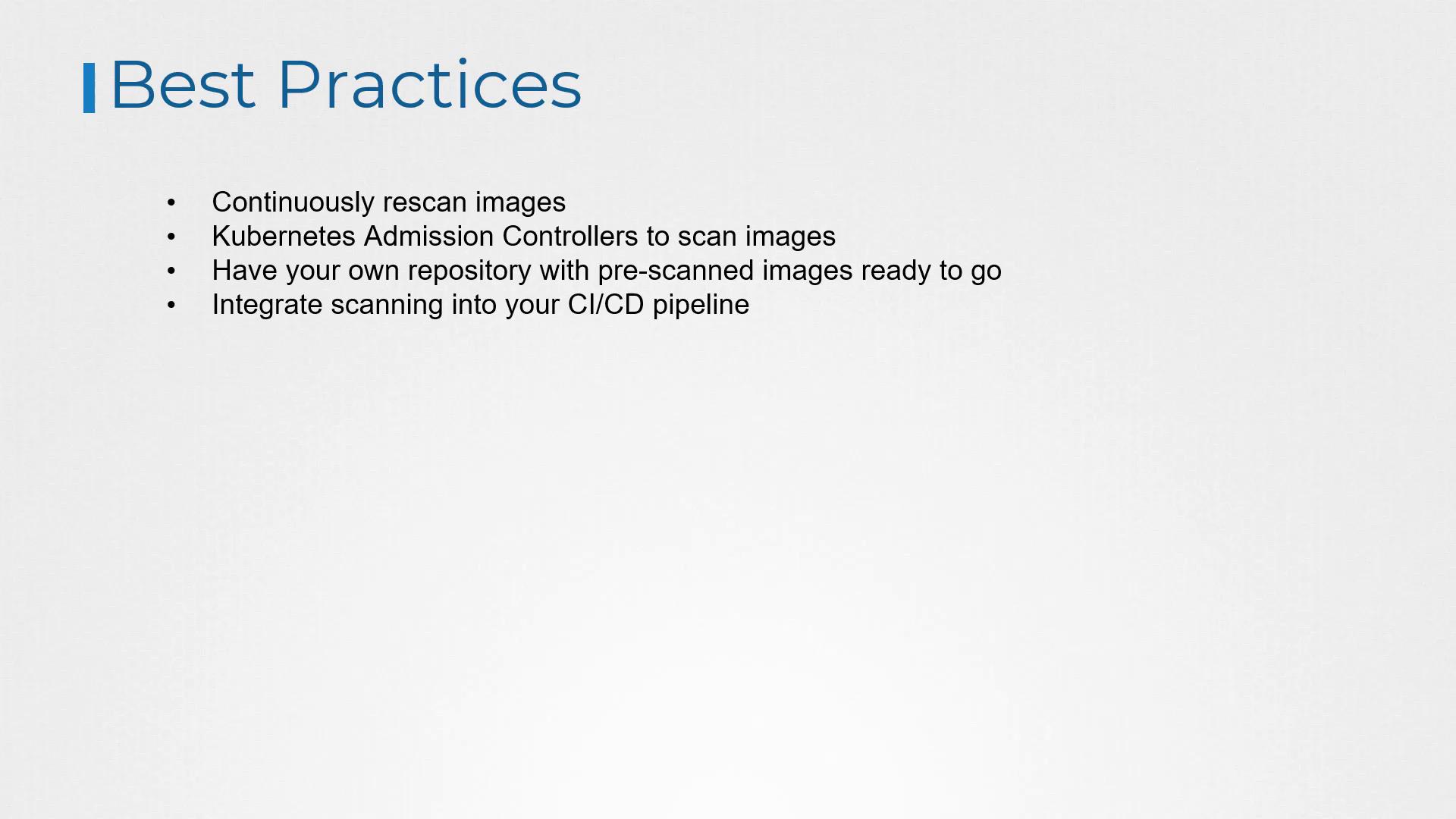
Regular scanning of your container images is essential for long-term security. Even if a scan shows no vulnerabilities today, new issues can emerge later. Consider the following best practices: • Periodically rescan images to maintain security over time.• Integrate scanning into your deployment workflow using Kubernetes Admission Controllers to inspect images before pod deployment (be mindful of potential delays).
• Maintain an internal registry with pre-scanned, trusted images to reduce recurring scan overhead.
• Incorporate vulnerability scanning into your CI/CD pipeline to automatically detect issues in every new build.