

Compliance Frameworks vs Threat Modeling
Compliance frameworks—such as GDPR, HIPAA, PCI DSS, NIST, and CIS Benchmarks—define what security controls and processes are required for regulatory or industry compliance: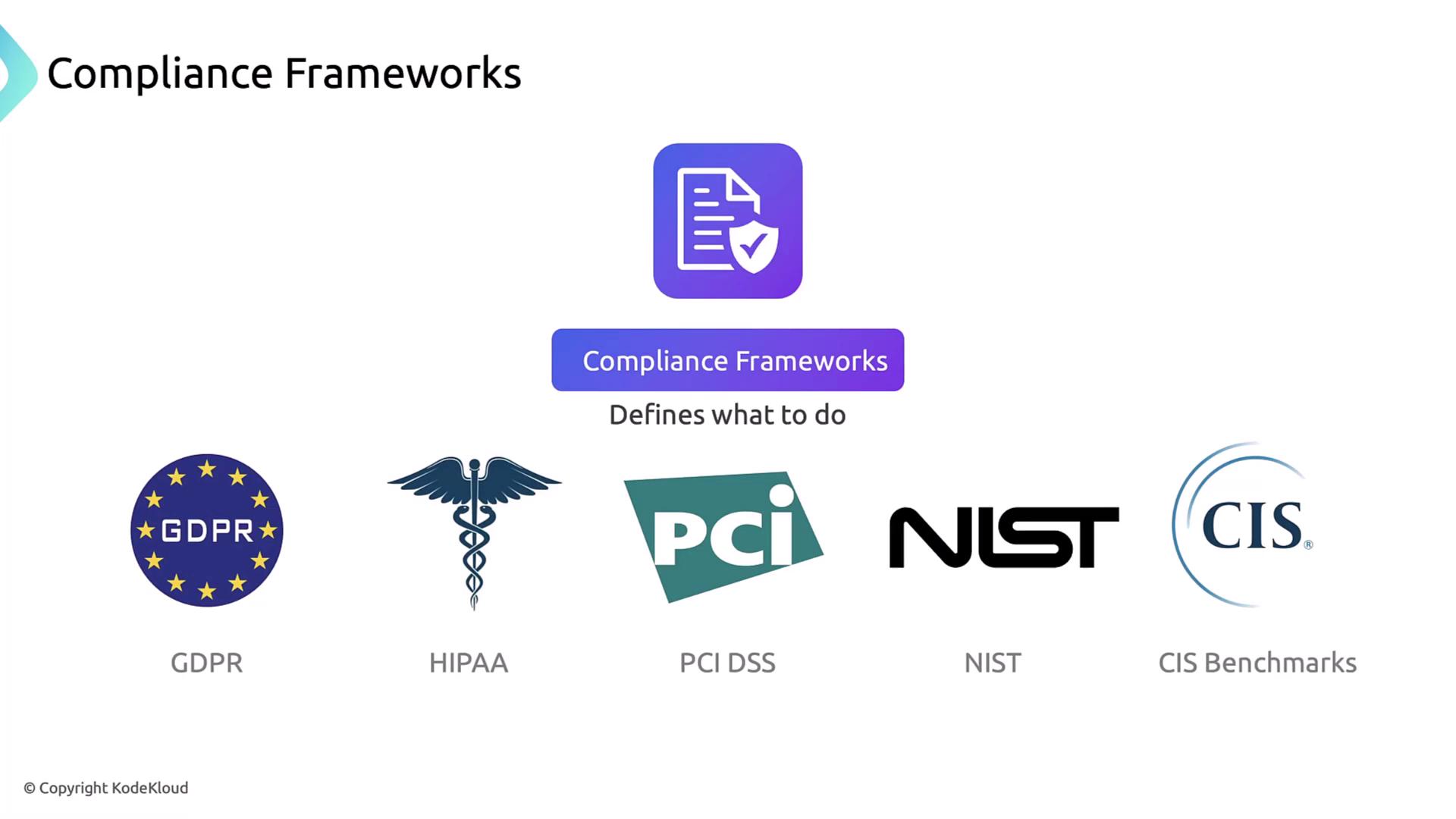
- STRIDE (Microsoft)
- MITRE ATT&CK (Global knowledge base)
STRIDE: Six Threat Categories
STRIDE breaks down threats into six distinct types, helping teams audit applications or infrastructure end to end:1. Spoofing
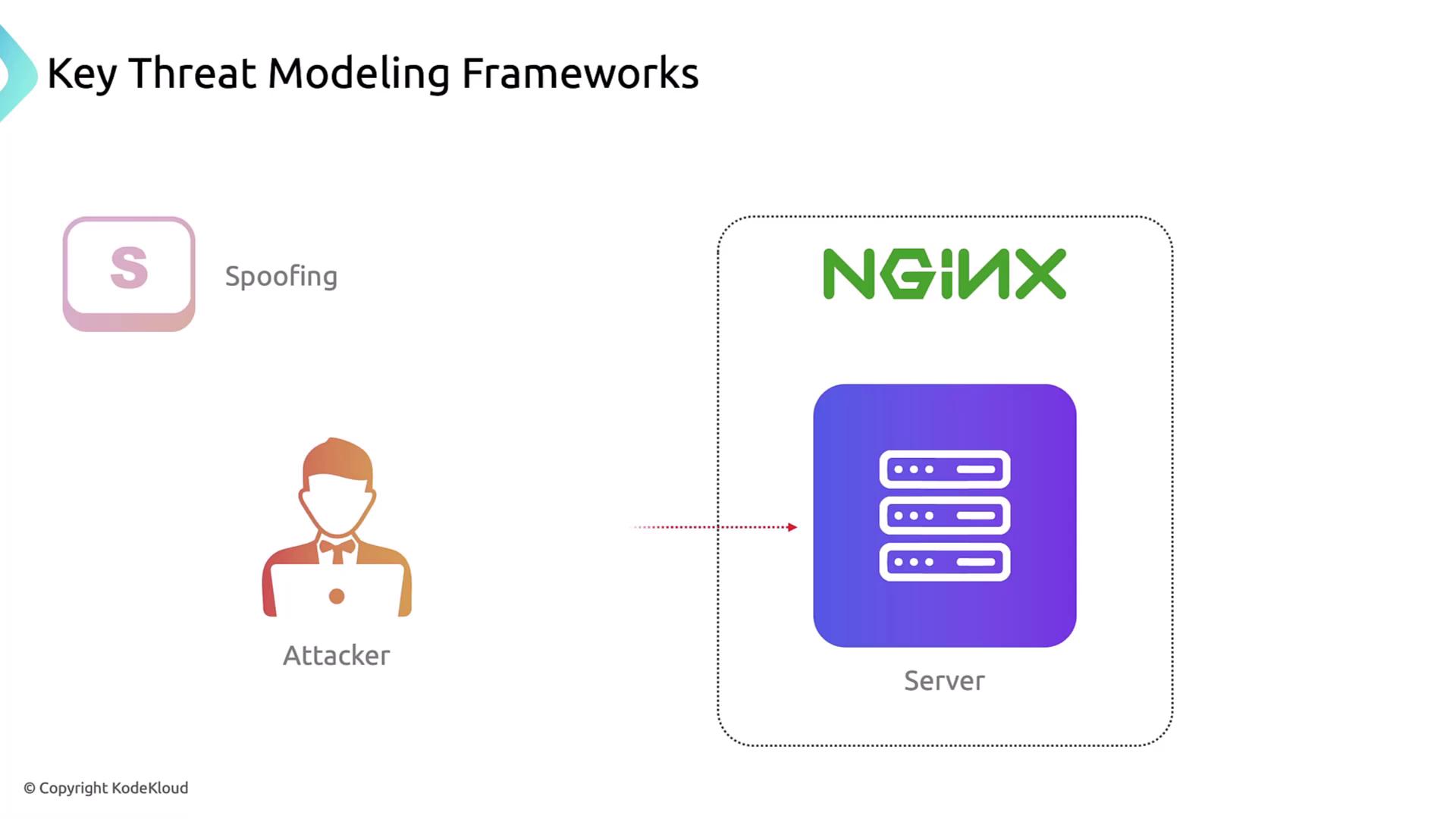
An attacker forges credentials to access the front end (e.g., NGINX).Mitigation: enforce strong authentication and certificate validation.
2. Tampering
An adversary alters data either in flight or at rest on backend services.Mitigation: apply end-to-end encryption and use checksums or digital signatures.
3. Repudiation
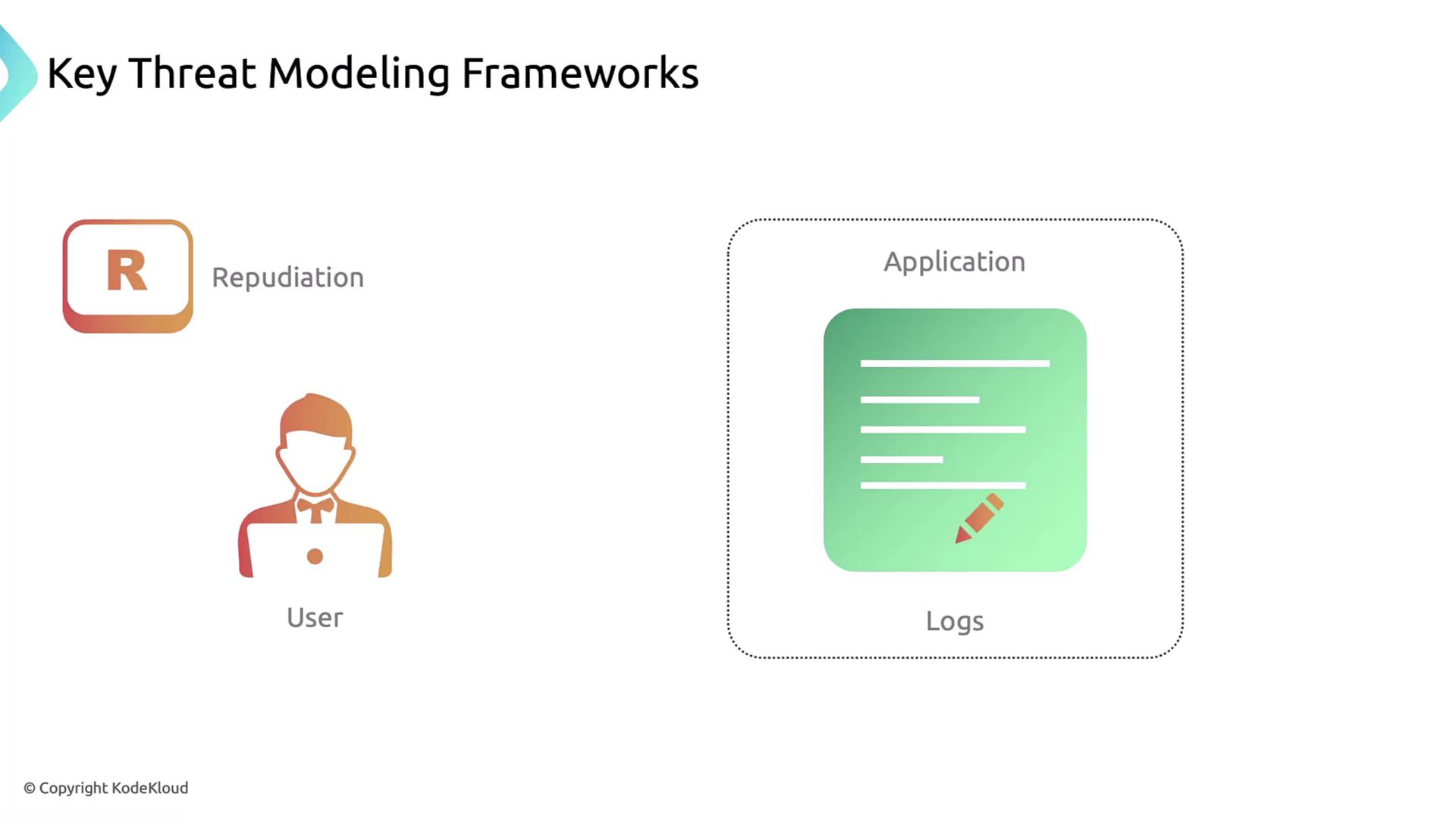
Users or attackers deny performing specific actions (e.g., financial transfers).Mitigation: implement immutable audit logs and digital-signature-based non-repudiation.
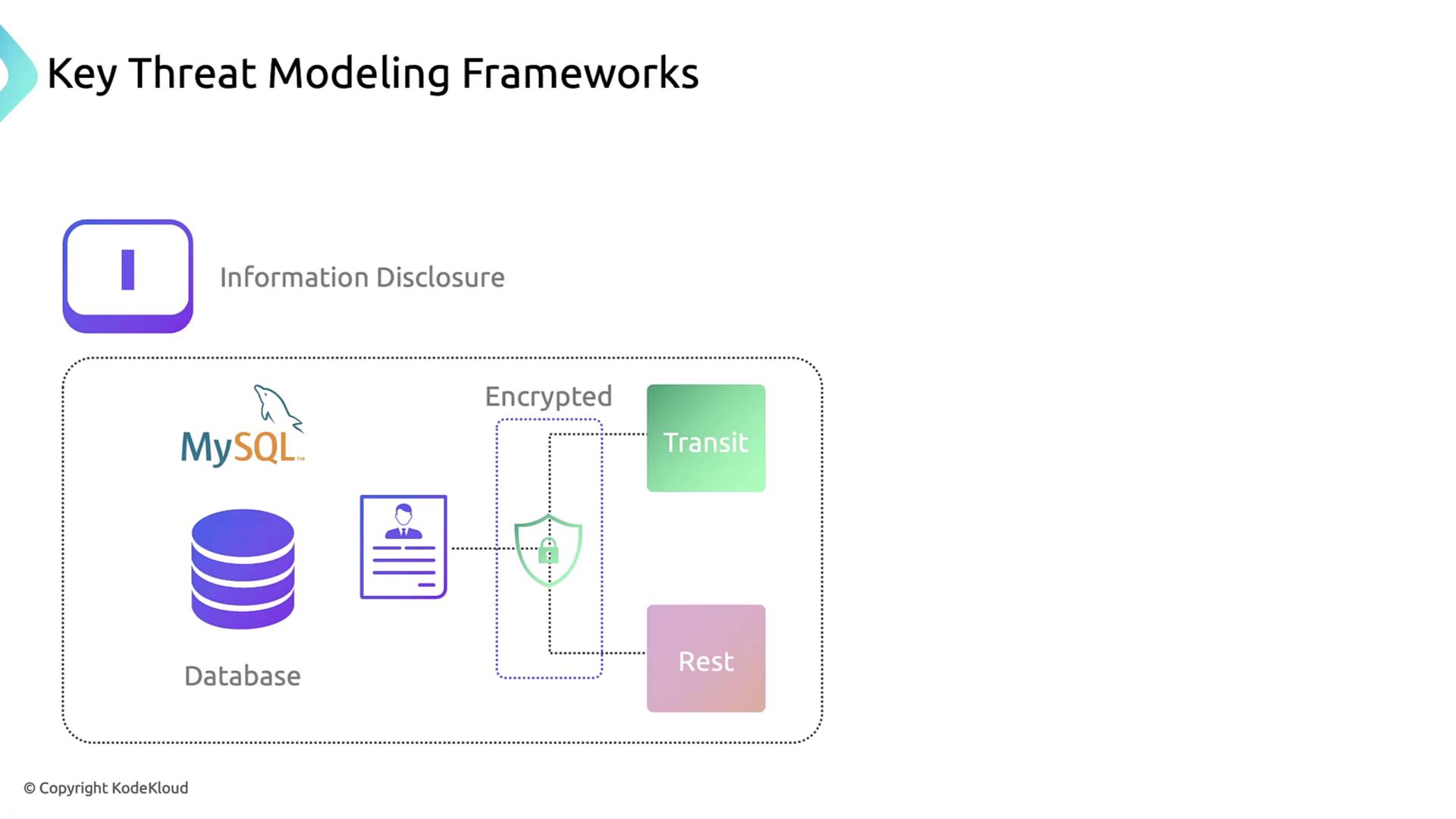
4. Information Disclosure
Sensitive information (e.g., customer PII in a MySQL database) becomes exposed.Mitigation: encrypt data at rest and enforce TLS/TCP encryption in transit.
5. Denial of Service
Attackers flood the application, overwhelming resources and causing outages.Mitigation: configure rate limits, implement resource quotas in Kubernetes, and deploy autoscaling.
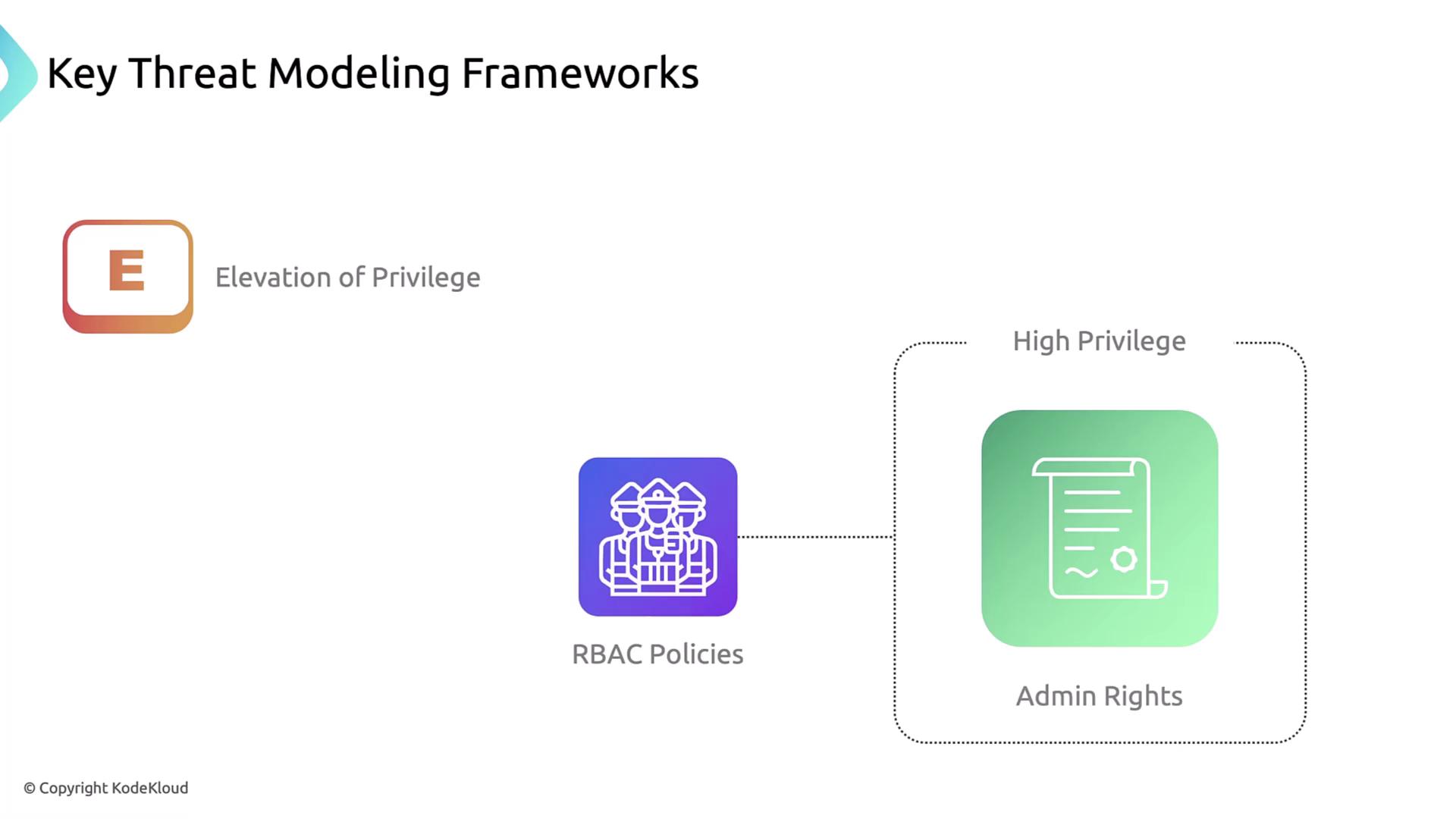
6. Elevation of Privilege
An unauthorized principal gains admin-level rights within the cluster.Mitigation: enforce strict RBAC policies and conduct regular privilege reviews.
Integrating STRIDE early in your design process uncovers gaps before production deployment.
MITRE ATT&CK: Real-World Tactics & Techniques
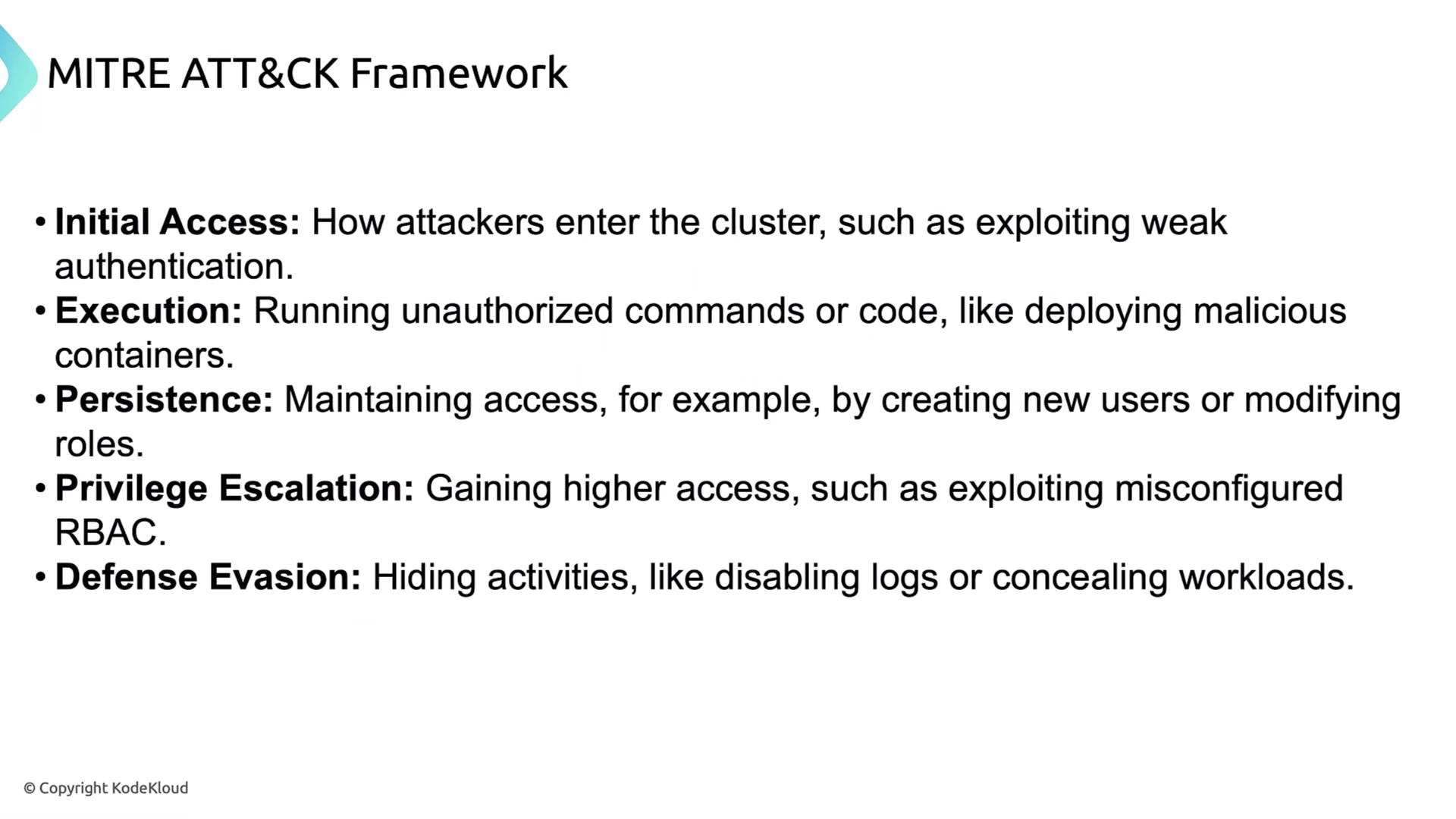
The MITRE ATT&CK framework catalogs adversary tactics (goals) and techniques (methods) observed in the wild. For Kubernetes environments, these techniques map to cluster-specific scenarios:- Initial Access: Exploit weak authentication, compromise cloud credentials
- Execution: Deploy malicious containers or init-hooks
- Persistence: Create backdoor user accounts, install rogue controllers
- Privilege Escalation: Abuse misconfigured RBAC or admission controllers
- Defense Evasion: Disable logging, tamper with audit trails
MITRE Kubernetes Threat Matrix
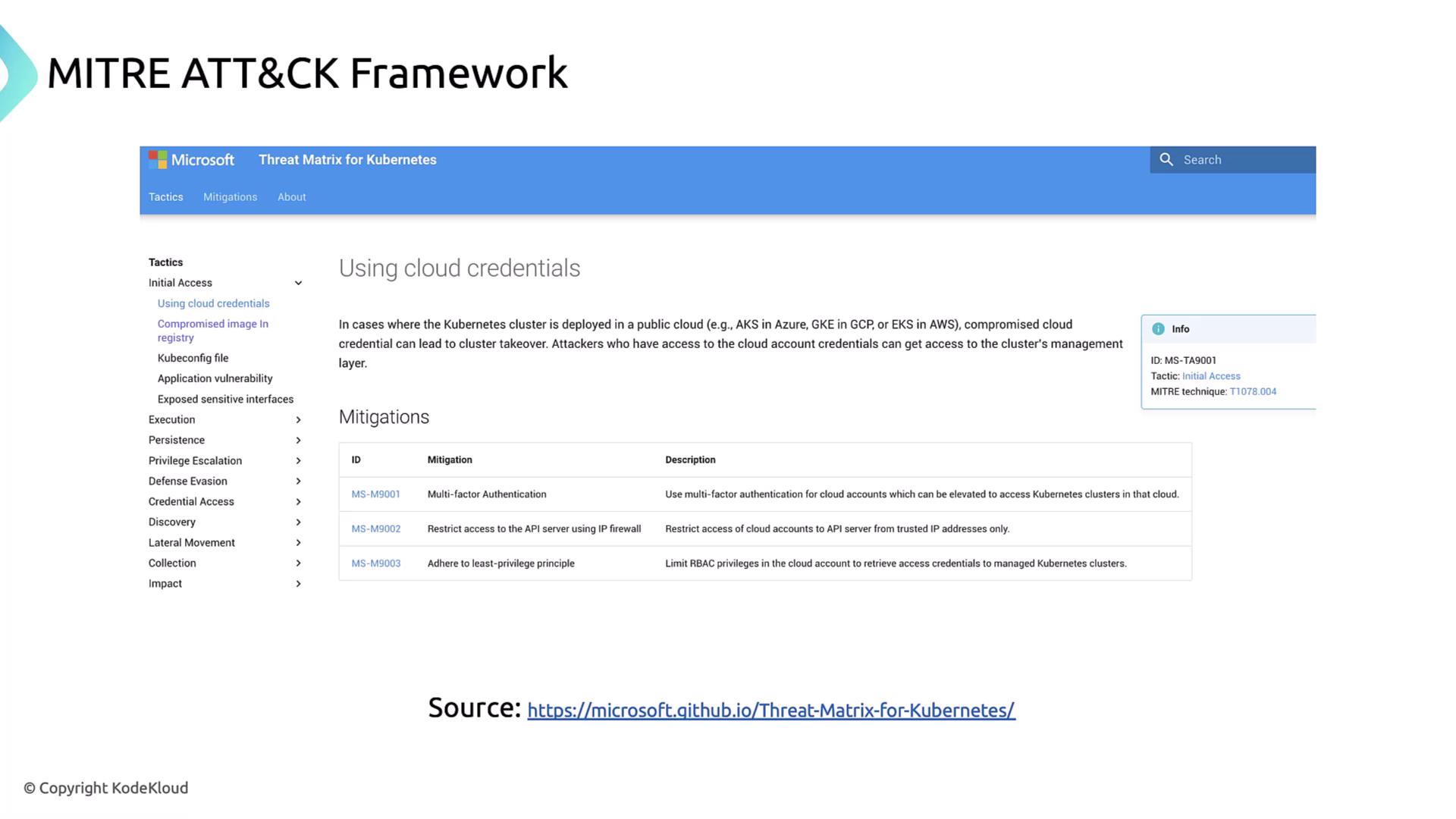
Microsoft’s Kubernetes threat matrix adapts ATT&CK to cluster contexts, enabling teams to visualize attacker pathways and design targeted mitigations: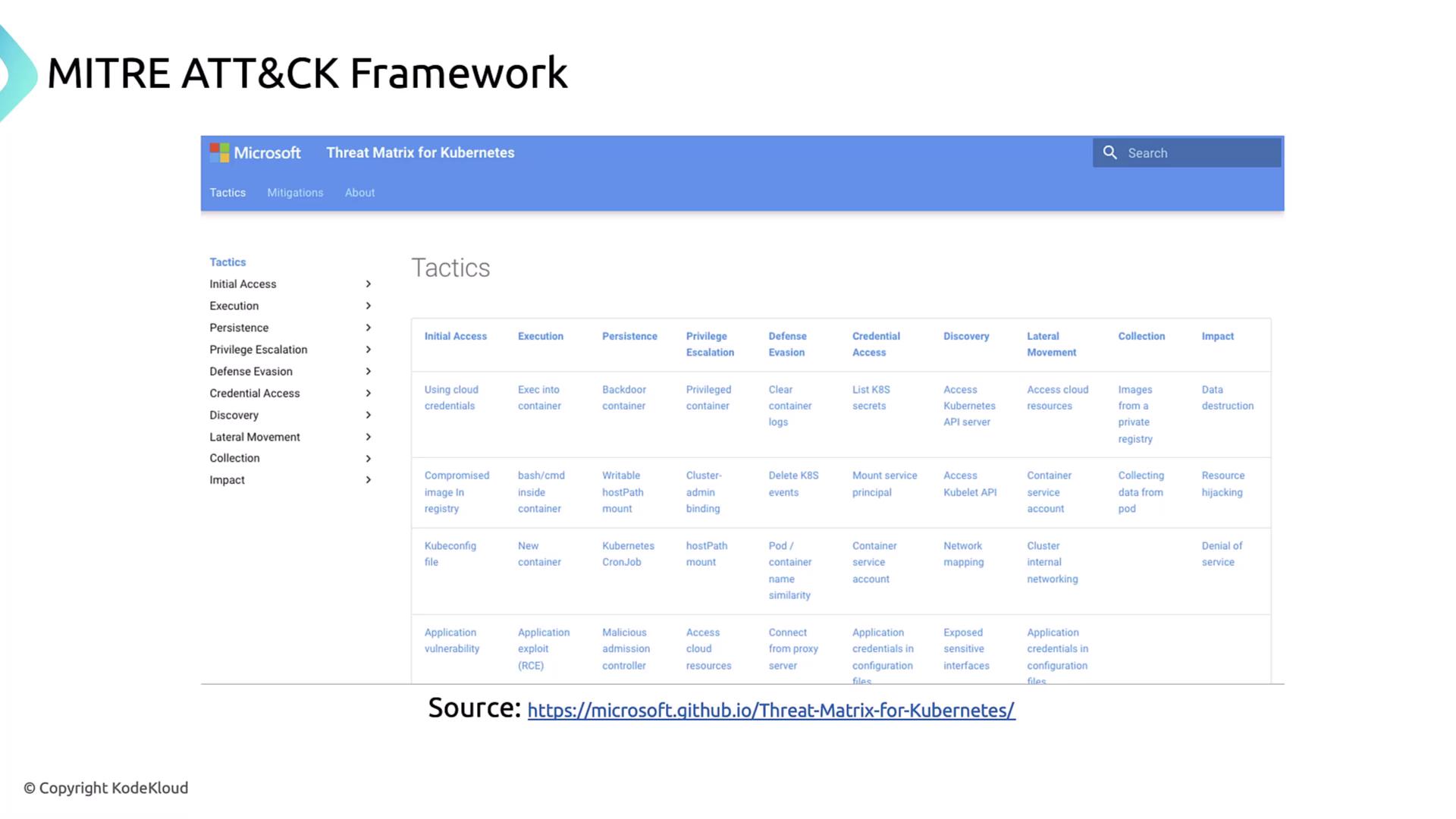
- Enabling multi‐factor authentication
- Restricting API server exposure with IP allowlists
- Applying least‐privilege principles to service accounts
Neglecting to map MITRE techniques to your Kubernetes deployment can leave critical attack paths unaddressed.
Summary
By combining compliance frameworks (GDPR, HIPAA, NIST) with threat modeling (STRIDE, MITRE ATT&CK), security teams can:- Understand what requirements apply to your environment.
- Determine how to implement controls that mitigate real-world threats.
- Continuously refine defenses through structured threat analysis.
Links and References
- STRIDE Threat Model (Microsoft)
- MITRE ATT&CK Framework
- Kubernetes RBAC Documentation
- GDPR Compliance Guide