

- Design and implement the CI/CD deployment pipeline.
- Ensure high availability (HA) and automatic scaling to meet demand.
- Implement monitoring, centralized logging, and incident response.
- Manage infrastructure-as-code (IaC), configuration, and secrets.
- Optimize cost, performance, and security for the cloud environment.
What is the application?
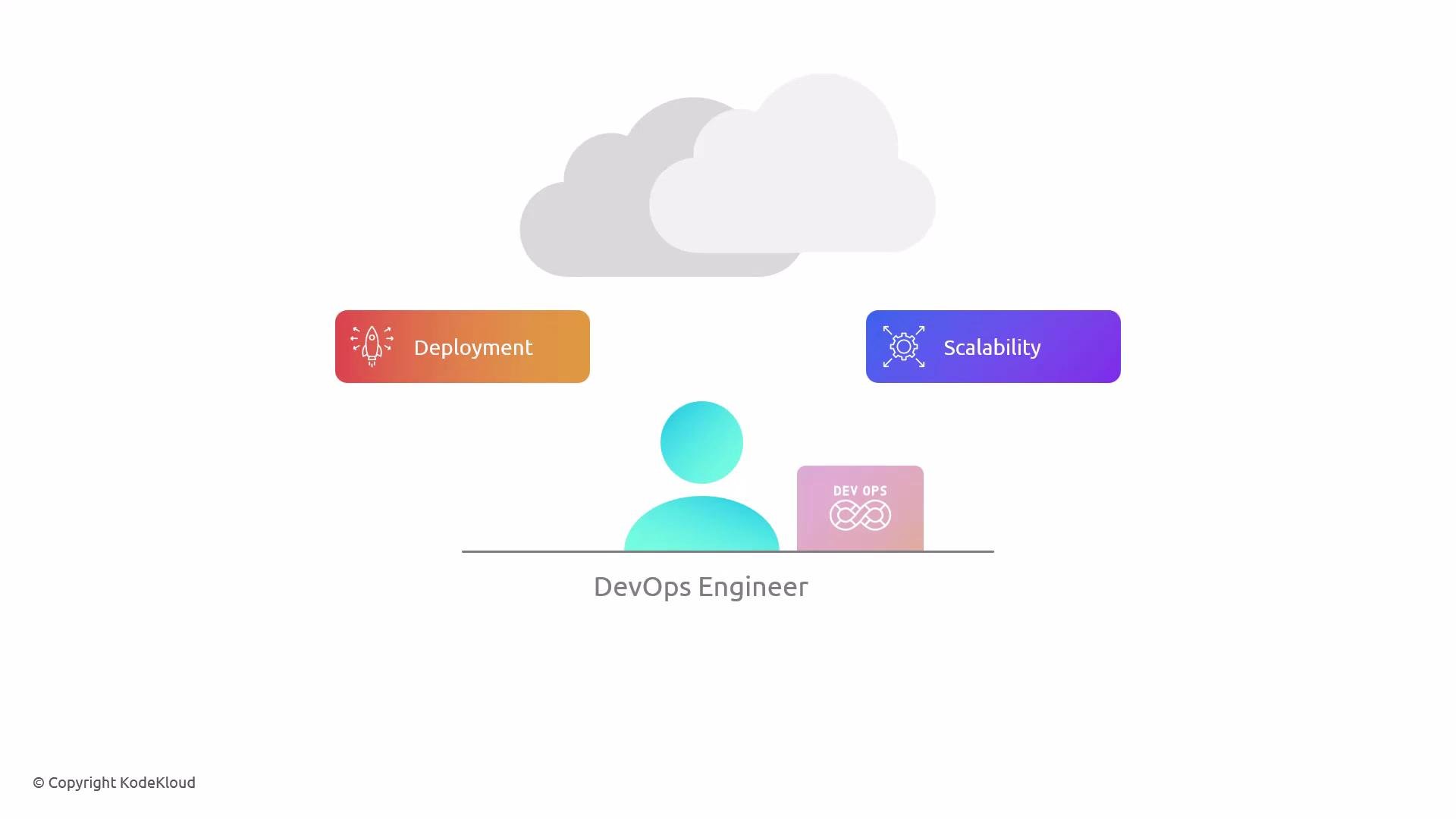
- Model the architecture for availability and scalability.
- Implement an end-to-end CI/CD pipeline for automated deployments.
- Use IaC (Terraform) to provision cloud resources reproducibly.
- Configure observability (metrics, logs, and alerts) for production readiness.
- Secure secrets and enforce least-privilege access.
- Apply cost-optimization techniques and performance tuning.
Recommended prerequisites: basic familiarity with Docker, Linux CLI, Git, and at least one cloud provider (AWS or GCP). Familiarity with CI/CD concepts and infrastructure-as-code (Terraform) will accelerate your progress.
Security note: never commit credentials, API keys, or secrets to source control. Use managed secret stores (e.g., AWS Secrets Manager, HashiCorp Vault) and follow your organization’s IAM best practices.