

What this lesson covers
- CNPA blueprint overview and exam alignment
- Core platform engineering domains and priorities
- A recurring, practical case study (Sparkle Pony Ranch) that demonstrates platform use cases, personas, and trade-offs
- A study roadmap: lessons, quizzes, and mock exams to validate readiness
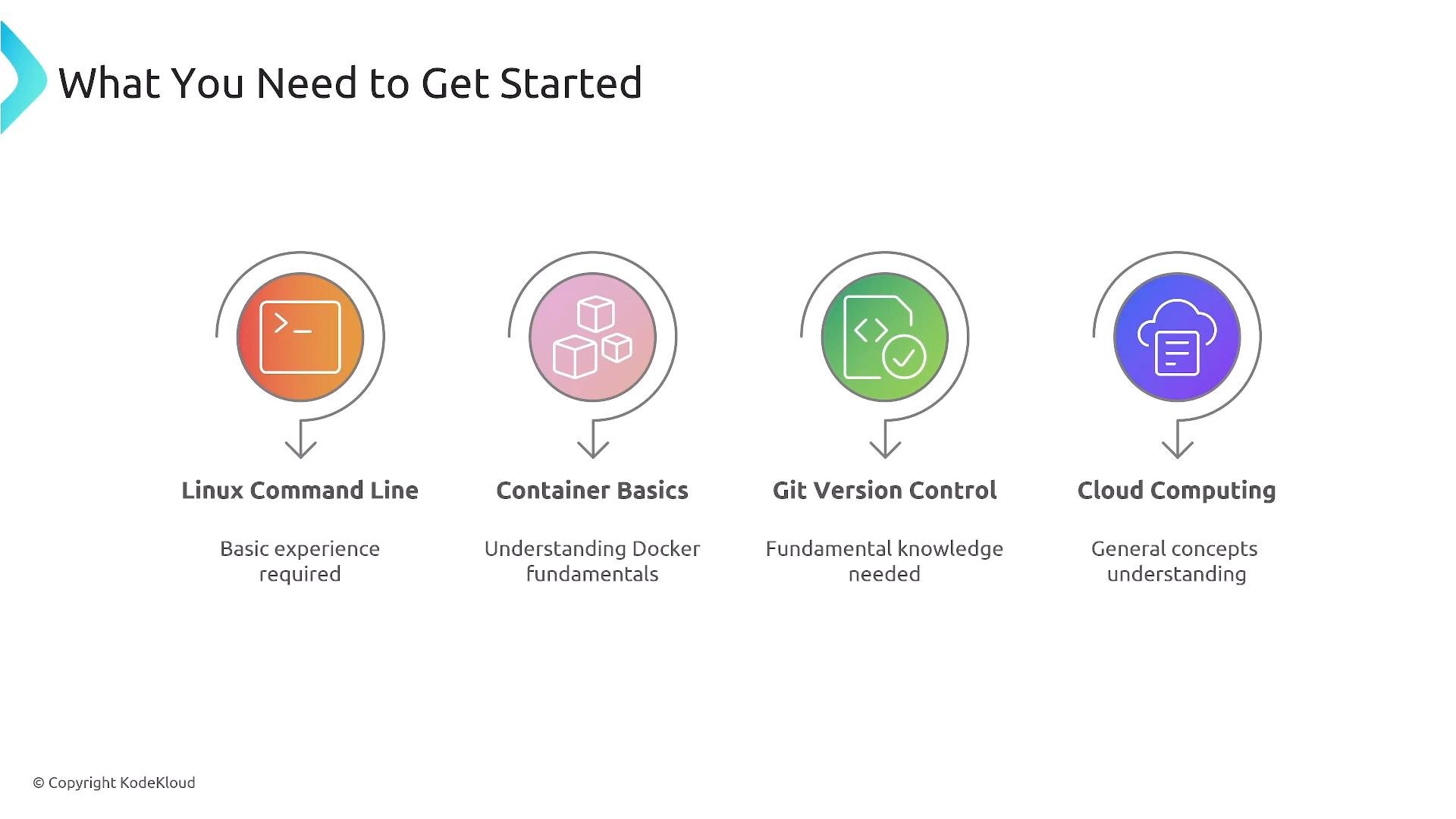
Prerequisites
- Basic Linux command-line familiarity
- Container fundamentals (for example, Docker concepts)
- Basic container orchestration concepts (for example, Kubernetes)
- Version control fundamentals, especially GitOps concepts
- General cloud computing concepts: VMs, networking, and storage
This is an associate-level, conceptual course. Hands-on labs will be added in later releases. For now, the emphasis is on building strong conceptual knowledge aligned to the CNPA exam blueprint.
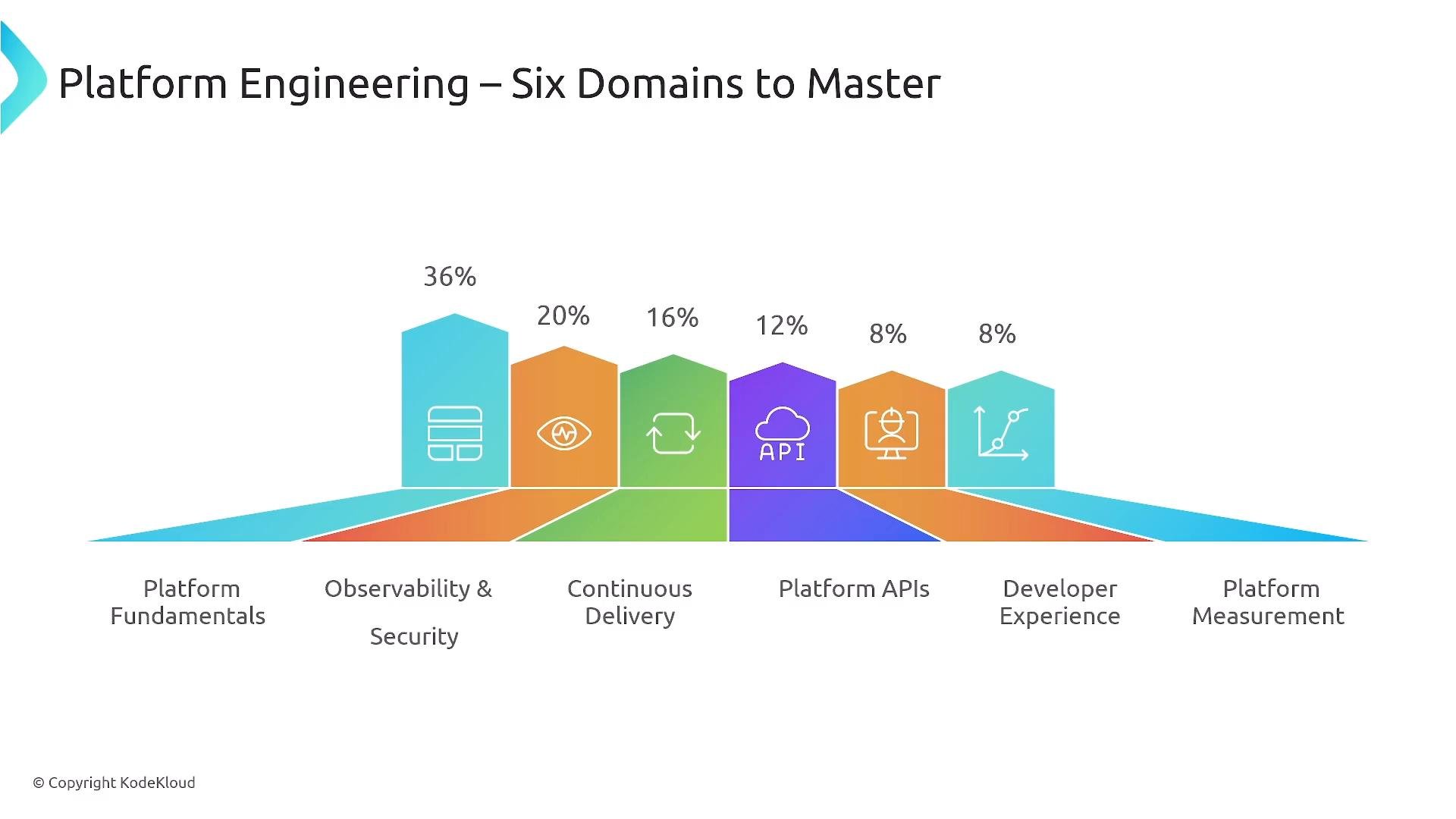
What you’ll learn (Six core CNPA domains)
This course is organized around six core platform engineering domains mapped to the CNPA blueprint. Each domain is covered conceptually, with examples from the Sparkle Pony Ranch case study and exam-style quiz questions.- Platform Fundamentals
- Observability & Security
- Continuous Delivery (CI/CD)
- Platform APIs
- Developer Experience
- Platform Measurement (how to measure platform success)
Course structure and learning experience
- Conceptual lessons that explain platform engineering principles and align with the CNPA domain topics.
- A single, recurring case study — Sparkle Pony Ranch (SPR) — used to demonstrate practical trade-offs. SPR’s core app (a simple web app that “spawns a pony” via a button) is intentionally lightweight so we can focus on platform needs, personas, and design choices.
- Personas you will follow across the course:
- Swati — DevOps veteran (DevOps engineer)
- Alan — Infrastructure specialist (systems administrator)
- Fong — Cloud-native developer (early-career developer) These personas illustrate common team responsibilities and show how a platform should support different user needs.
- Tool demonstrations (high level) to explain how specific tools fit into platform workflows — this course emphasizes concepts rather than deep tool-specific tutorials.
- Interactive quizzes to reinforce each domain.
- Full-length CNPA mock exams (60 questions) aligned to the current blueprint to help identify gaps and measure readiness.
Why Sparkle Pony Ranch (SPR) needs a platform
SPR currently has eight development teams using inconsistent processes — imperative scripts, ad-hoc shell scripts, direct kubectl usage, manual file copies, and more. These inconsistent practices create common platform problems:
An internal developer platform provides self-service capabilities while enforcing consistent operational standards for observability, security, and reliability. The result: developers focus on features, infrastructure costs and toil decrease, and operational risk is reduced — the practical problems CNPA prepares you to solve.
Roadmap, study guidance, and support
- We will walk through the CNPA exam blueprint and the official exam guide.
- Short refreshers on container orchestration and version control are included as needed.
- Follow the domain sequence (1–6), take the quizzes, and complete the mock exams to validate readiness.
- Estimated study commitment: 5–8 hours per week for learners with the listed prerequisites; allow more time if concepts are new.
- KodeKloud support and community forums
- Community discussion channels with occasional instructor participation
- AI Tutor and mentorship resources: https://learn.kodekloud.com/user/courses/ai-tutor
Final notes and next steps
- This course maps to the current CNPA blueprint and prepares you for the associate-level certification. CNCF plans to expand platform engineering certifications in the future.
- Recommended next step: complete the pre-assessment, then follow the course roadmap — domain lessons, quizzes, and mock exams.
- CNCF CNPA (Certified Cloud Native Platform Engineering Associate) — see the CNCF certification pages for the official blueprint and updates.
- Kubernetes Basics: https://kubernetes.io/docs/concepts/overview/what-is-kubernetes/
- GitOps concepts and best practices
- KodeKloud learning resources and community