FinOps Optimize phase turning cost visibility into actions to reduce cloud waste, enable real time decisions, set KPIs, and embed continuous cross functional cost optimization
Before diving in: a common misconception is that optimization means endlessly tweaking infrastructure for its own sake. Optimization must be purpose-driven: know why you’re optimizing, what outcome you want, and when the effort is worth the cost.
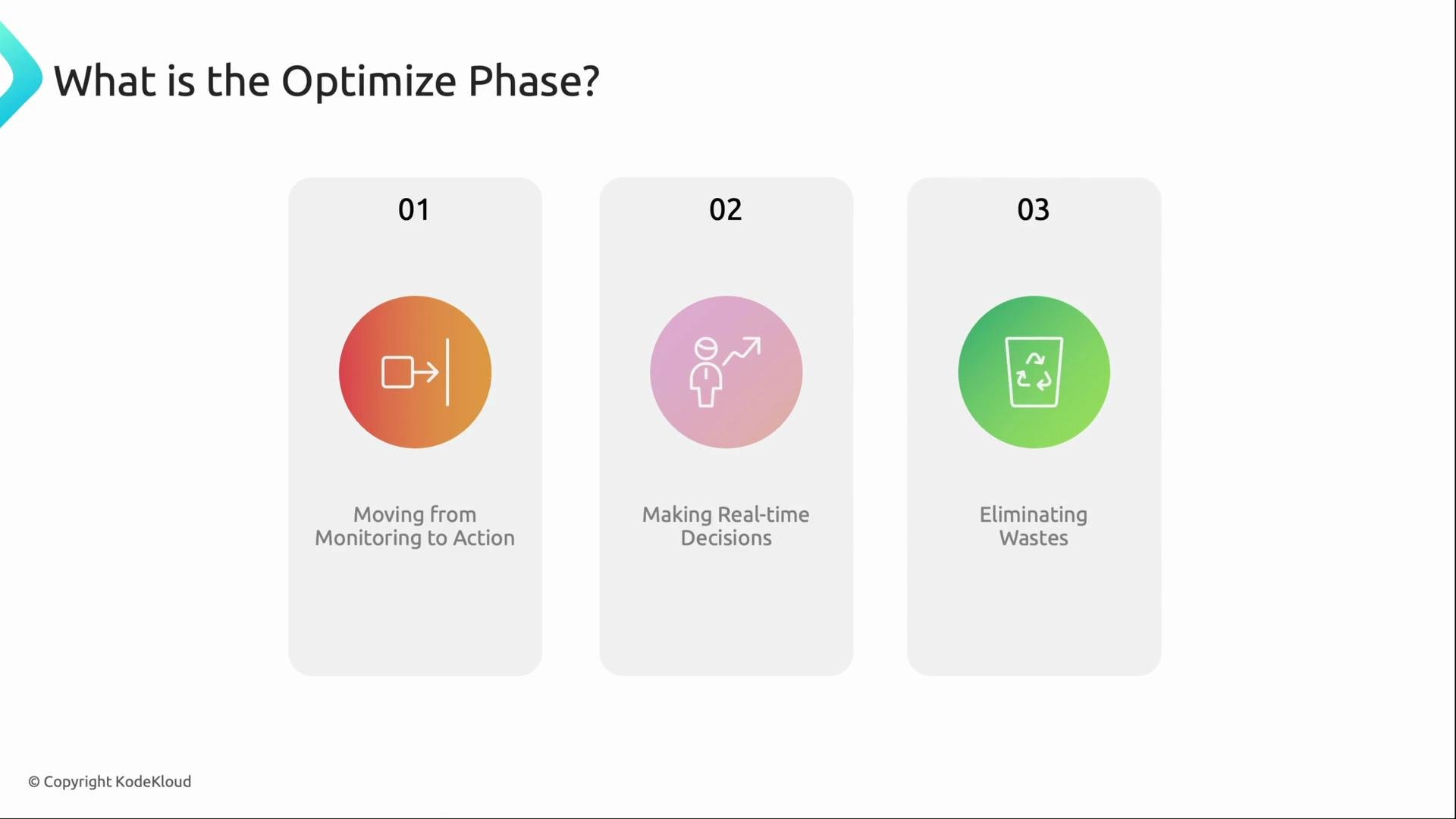
Optimization is the process of turning visibility into deliberate action. Focus on business outcomes and measurable goals rather than continuous micro-adjustments.
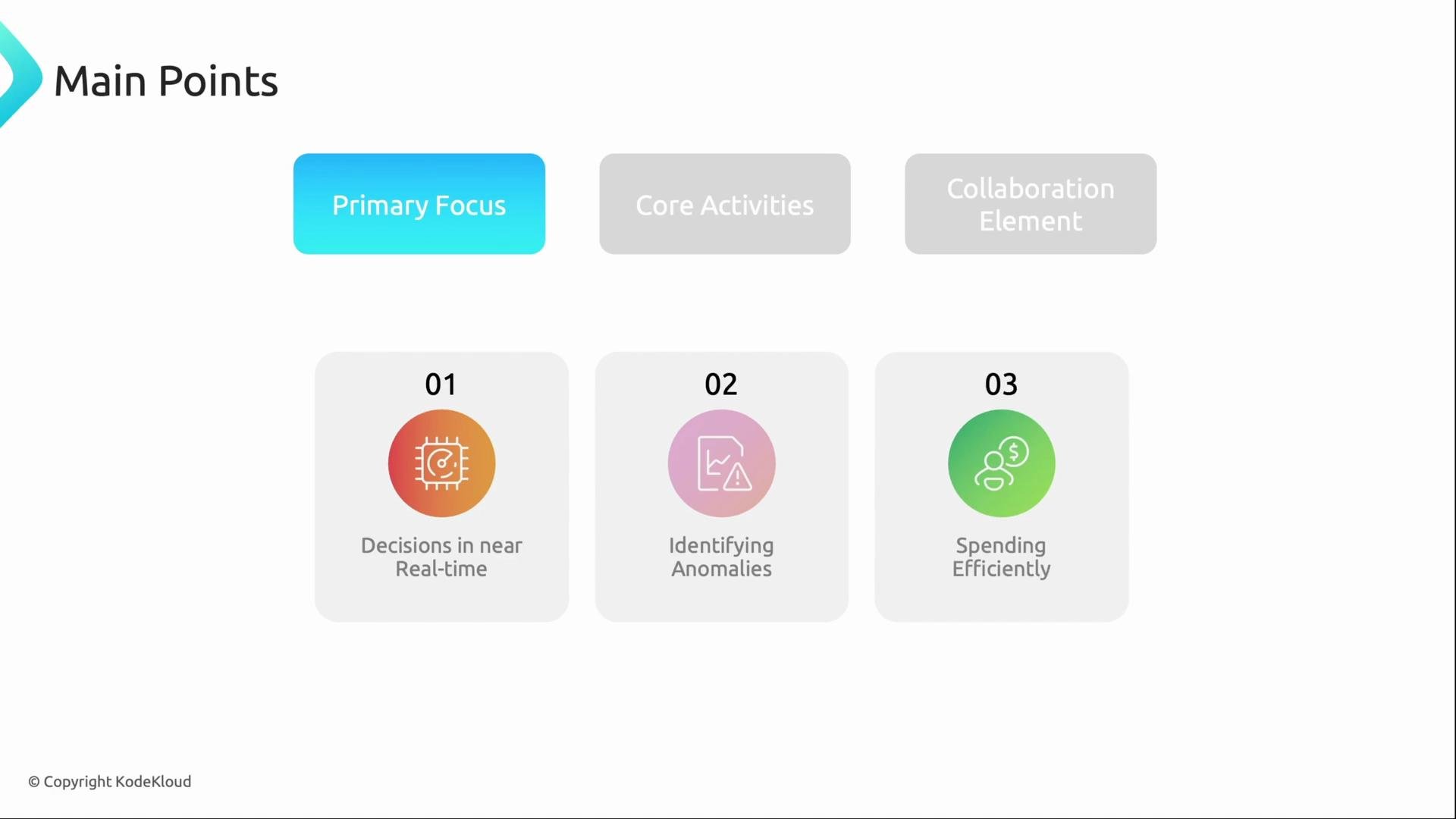
The Inform phase (building visibility into cloud spend) is the foundation. The Optimize phase converts those insights into actions that reduce waste, improve unit economics, and align spend to business value. Shift the team mindset from passive monitoring to active response: monitoring describes what happened; optimization changes what happens next. Faster responses to cost signals mean smaller incidents, quicker recovery, and less wasted spend.
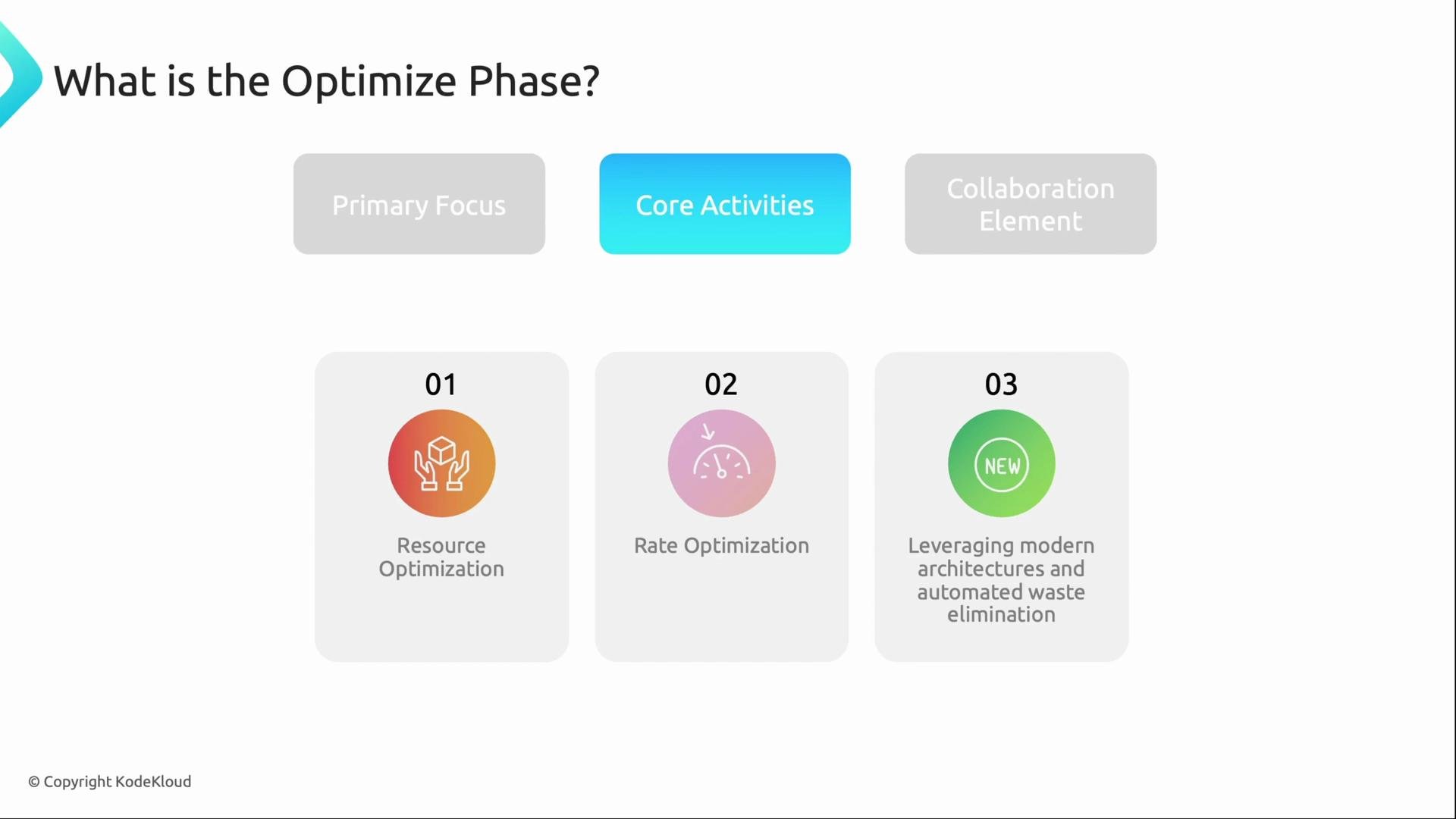
Common, high-impact optimization actions are simple:
Adopt serverless, containers, Spot/Preemptible instances; automate cleanup and retention policies
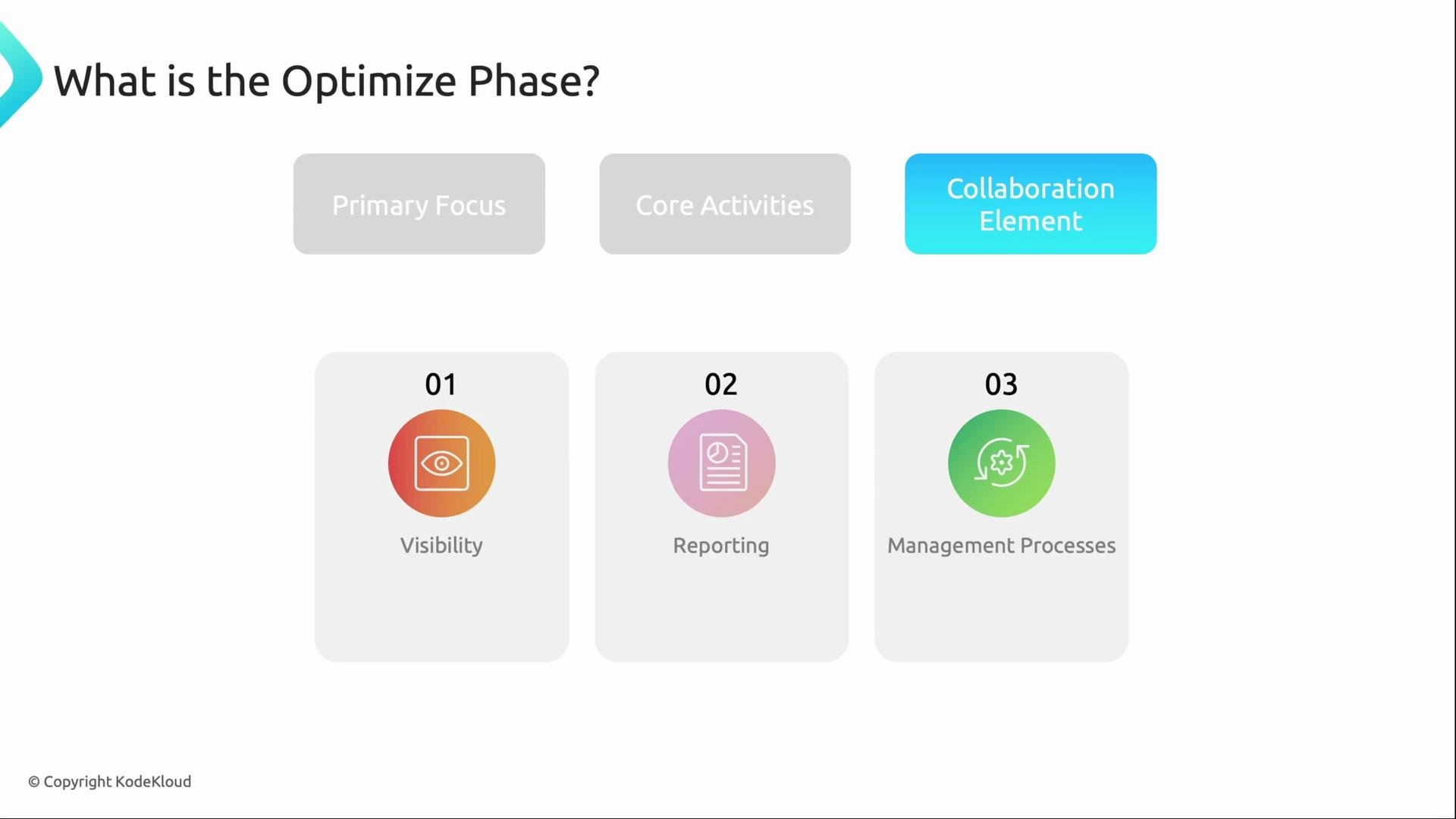
Collaboration and processOptimization is cross-functional: finance, engineering, and operations must share visibility and responsibility. Make cost reporting part of the operational heartbeat (daily/weekly dashboards, integrated alerts), not just an annual finance exercise. Define clear management processes so optimization becomes continuous practice rather than a one-off project:
Assign ownership for cost anomalies and remediation actions.
Run regular cost review cadences aligned with release cycles.
Embed cost checks in CI/CD pipelines (deployment guardrails).
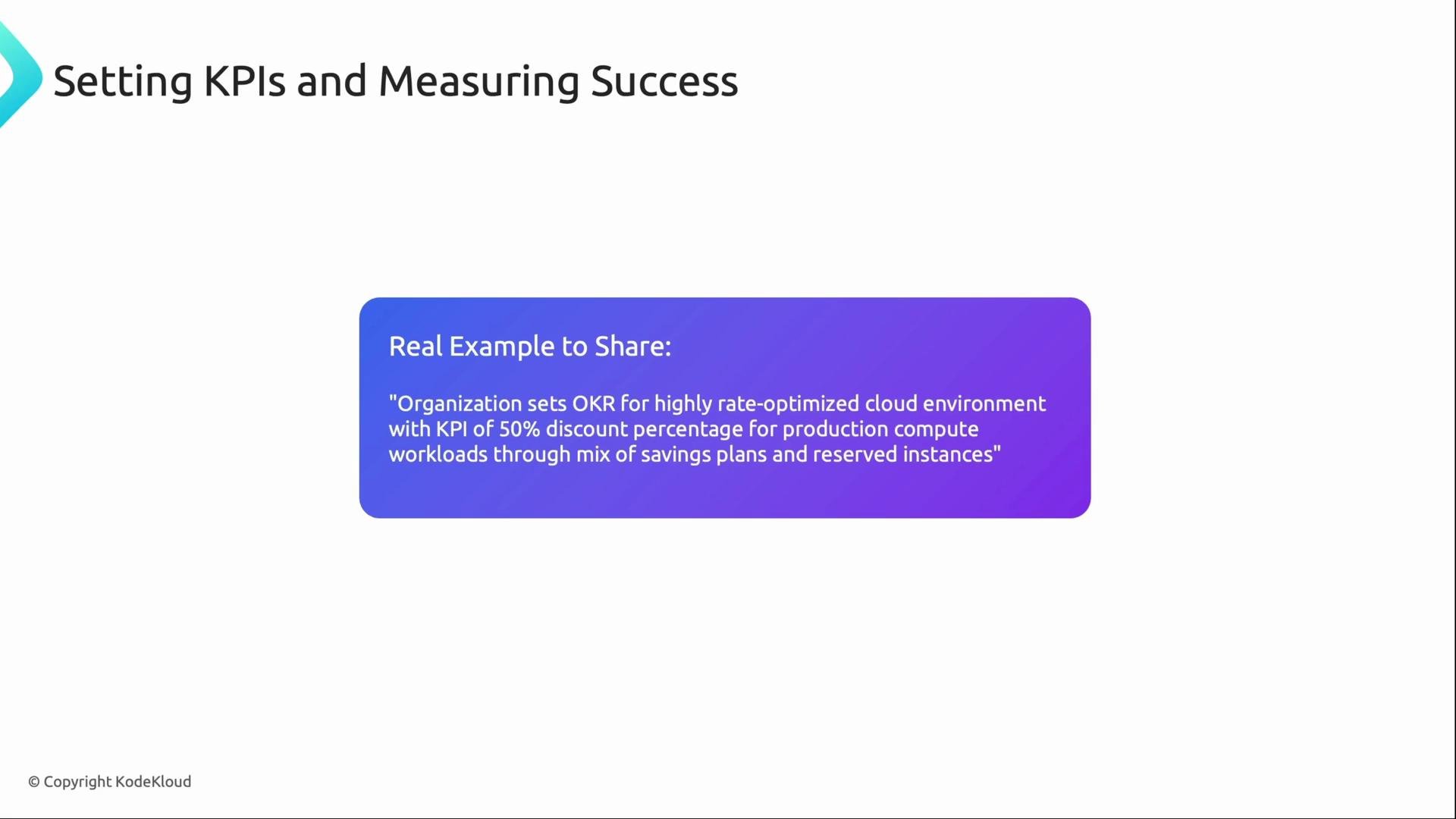
KPIs, OKRs, and measurable goalsYou can’t improve what you don’t measure. KPIs create accountability and focus. Example OKR/KPI pairings:
Goal / OKR
Example KPI
Measurement approach
Rightsize production compute
Achieve 50% effective discount on production compute
Mix of Savings Plans / Reserved Instances and workload placement
Reduce waste in staging
Decrease idle resource hours by 80%
Track scheduled shutdowns and idle metrics
Improve anomaly detection
Mean time to detect (MTTD) < 5 minutes
Alerts, automated anomaly scoring, and incident logs
Use commitment discounts and placement choices to reach rate goals; track utilization and idle time for resource targets.
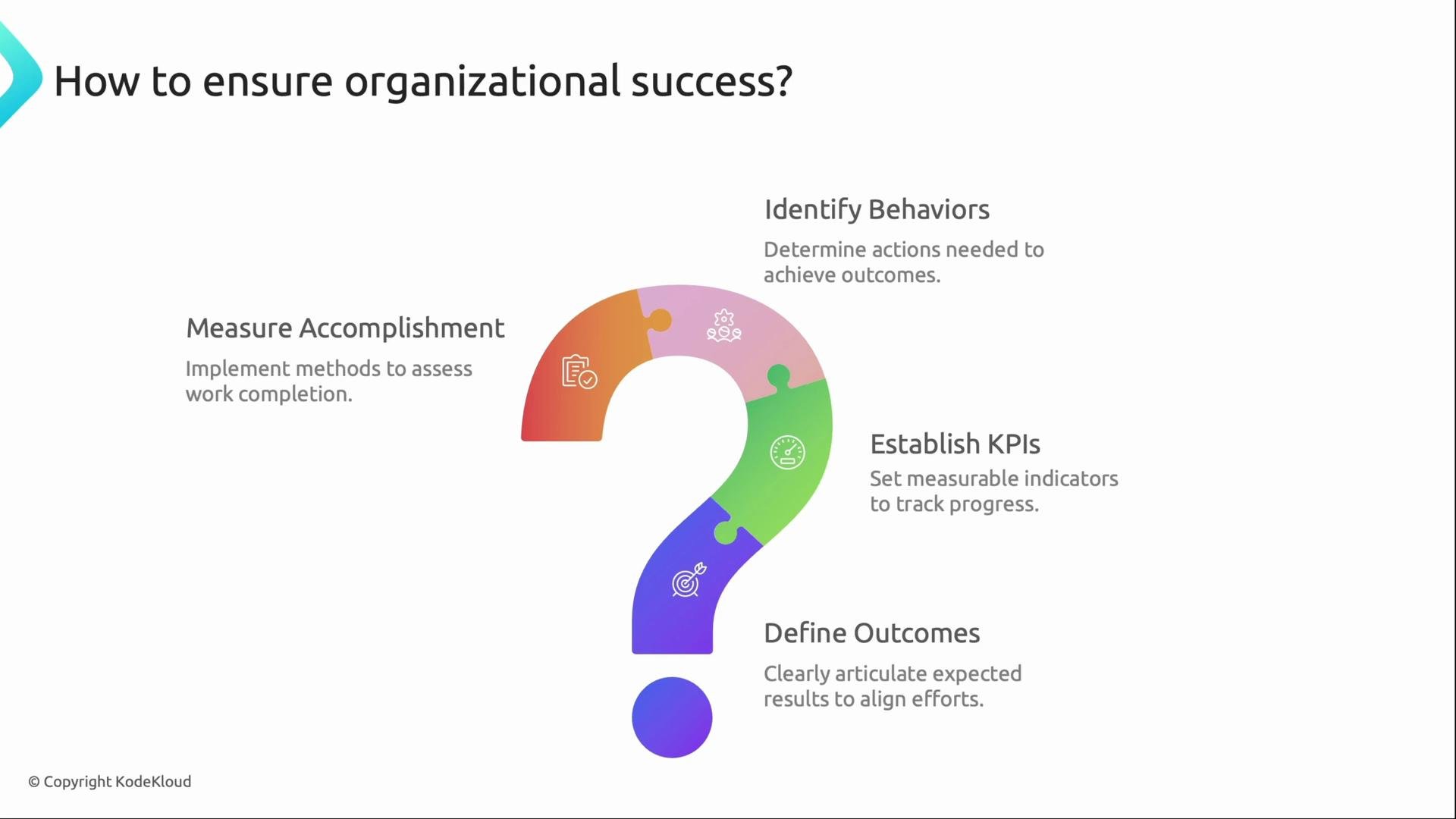
Ensure you can measure success
Measure the baseline and the after-state — record before/after impact for every optimization effort.
Identify behaviors that drive outcomes — examples: early anomaly detection, regular cost reviews, deployment guardrails.
Set measurable indicators that make progress visible and keep teams motivated.
Define outcomes clearly: is success 20% cost reduction, same cost with faster time-to-market, or another metric?
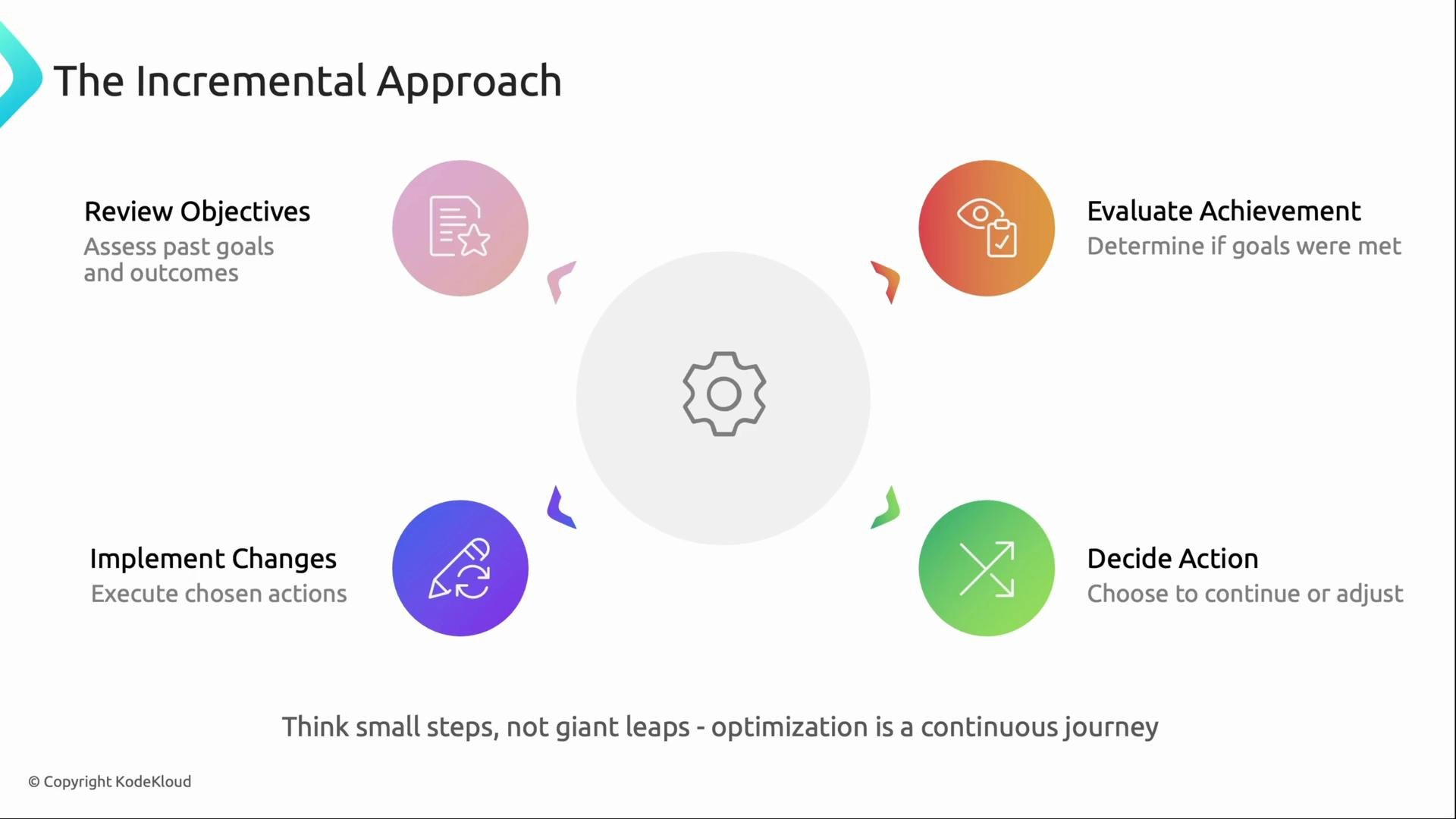
An incremental approachOptimization is a continuous cycle of small improvements. Use a repeatable cadence:
Decide — continue, pivot, or stop underperforming strategies.
Implement changes — automate and repeat.
Small, repeatable improvements reduce risk and create predictable progress.
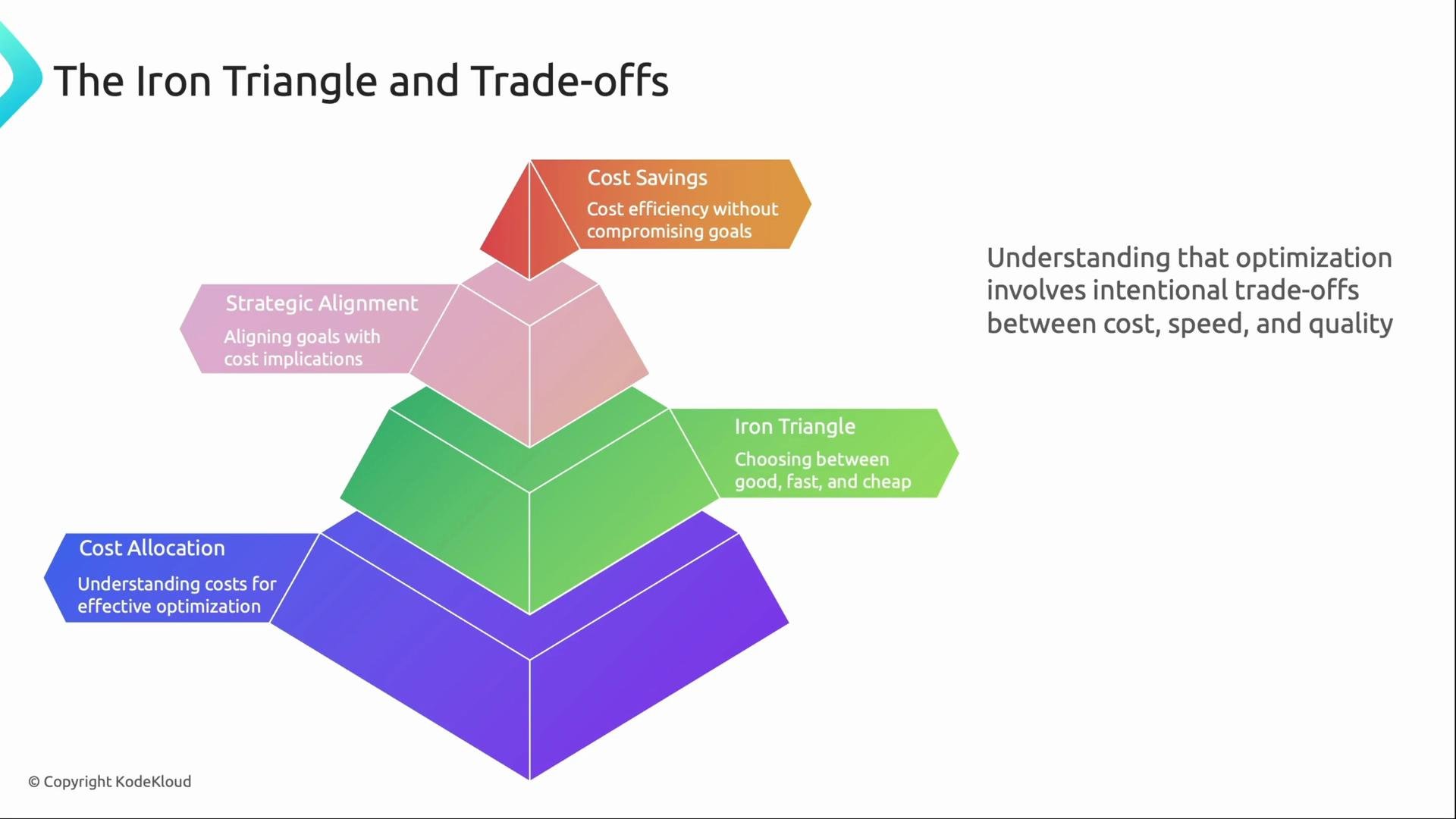
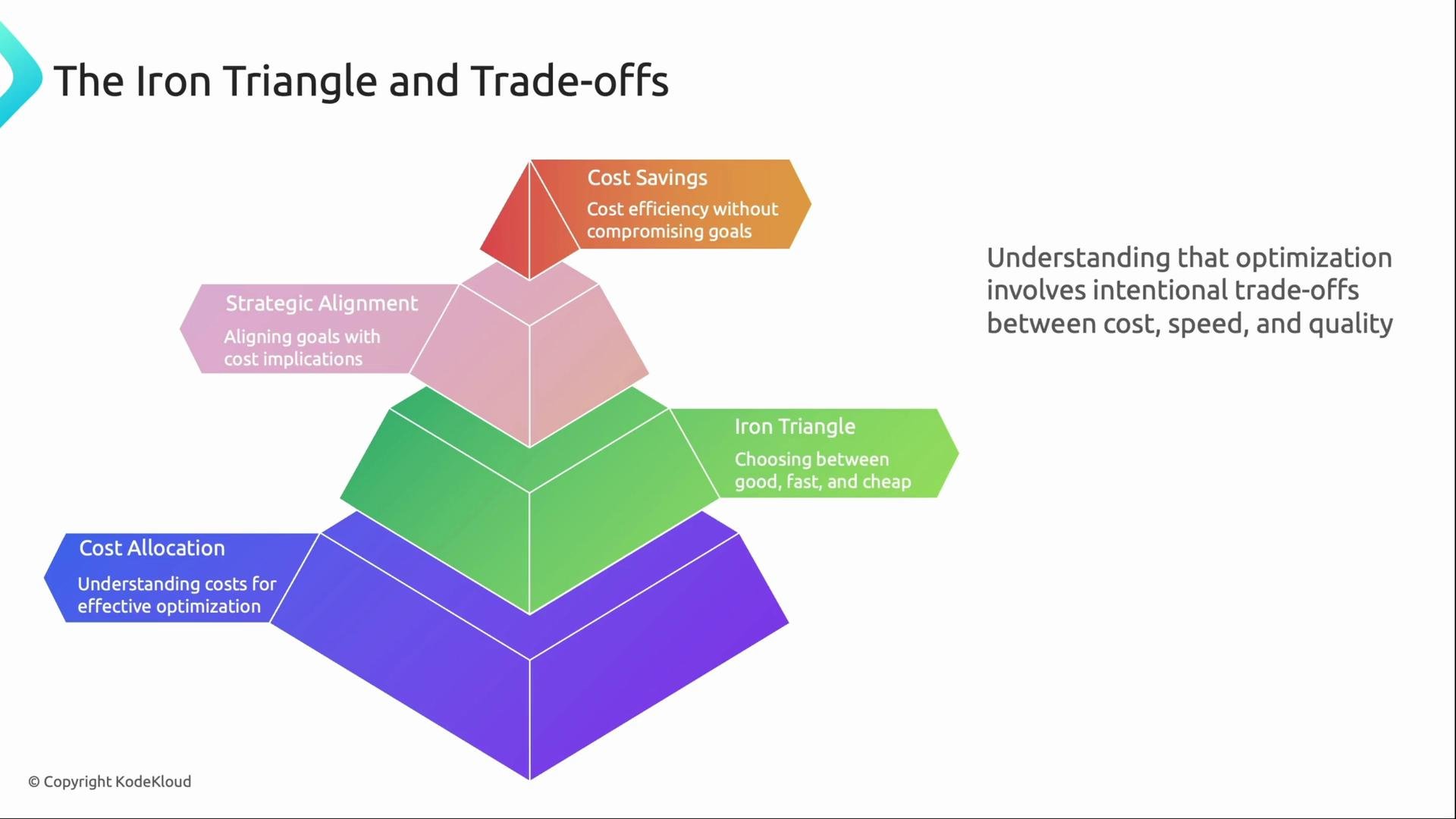
Trade-offs and the iron triangleOptimization always involves trade-offs. The “iron triangle” (cost, speed, quality) reminds us that saving money at the expense of customer experience or revenue is counterproductive. Make cost decisions that are strategically aligned and ensure accurate cost allocation so teams are accountable.
Beware of over-optimizing: aggressive cost cuts that reduce reliability or slow development can harm customer experience and revenue. Always validate trade-offs against business objectives.
SummaryThe Optimize phase moves teams from passive observers to proactive cost managers. Act on signals quickly, detect and remove waste, set measurable KPIs and OKRs, and align cost decisions with business goals. This is an ongoing discipline—small, continuous improvements keep cloud spend lean and effective.
The FinOps Operate phase embeds these optimization practices into daily operations and makes them part of the organization’s routine.That is it for this lesson.