

Vault’s unified approach replaces fragmented tools (1Password, KeePass, cloud vaults) with a single, auditable control plane.
Secure Data Management Use Cases
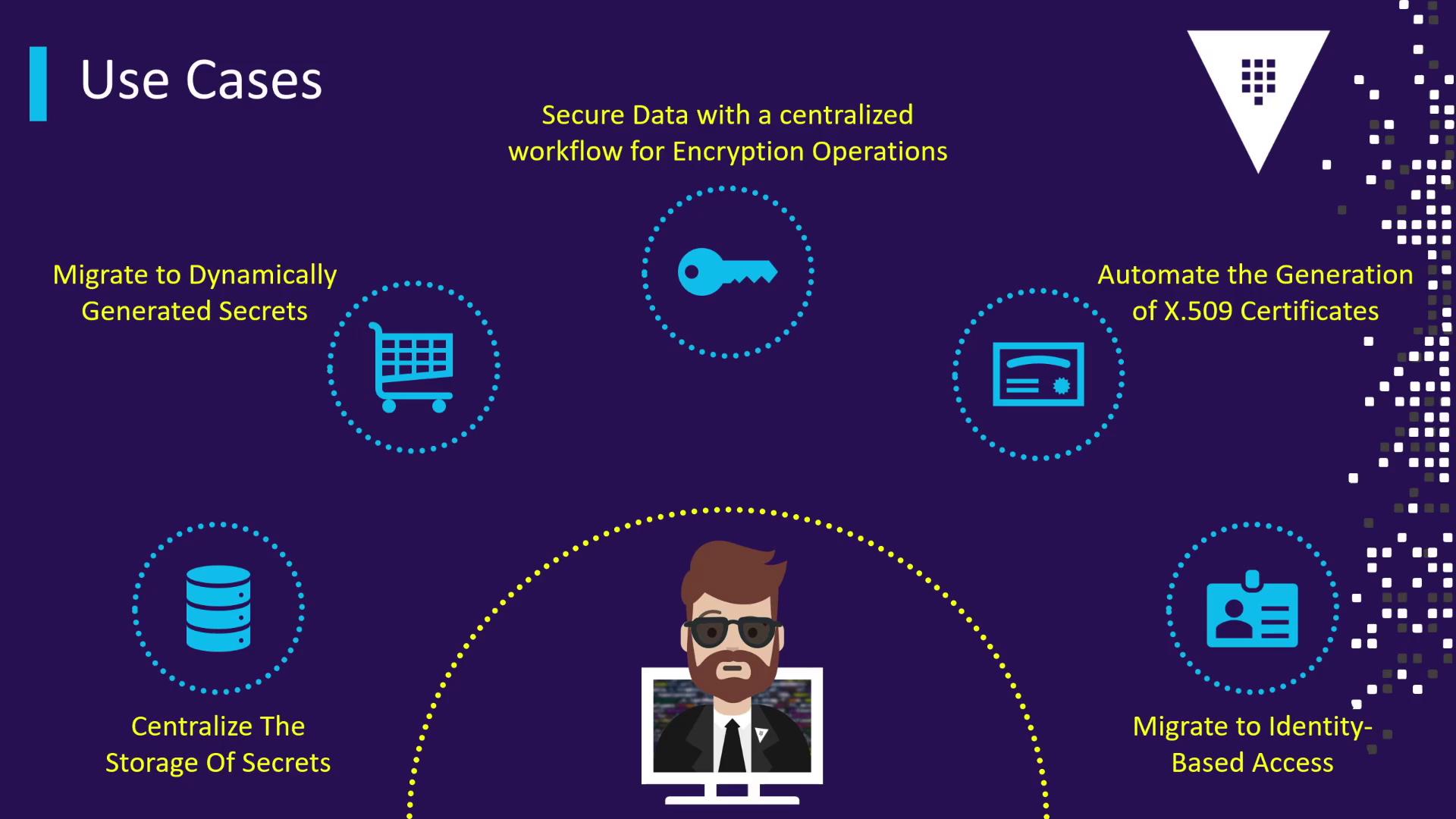
- Centralized secret storage
- Dynamic secret generation & renewal
- Encryption operations via central workflows
- Automated X.509 certificate issuance
- Identity-based access control
Align these use cases with compliance standards (PCI-DSS, HIPAA, GDPR) by leveraging Vault’s audit logging and policy enforcement.
Centralizing Secret Storage
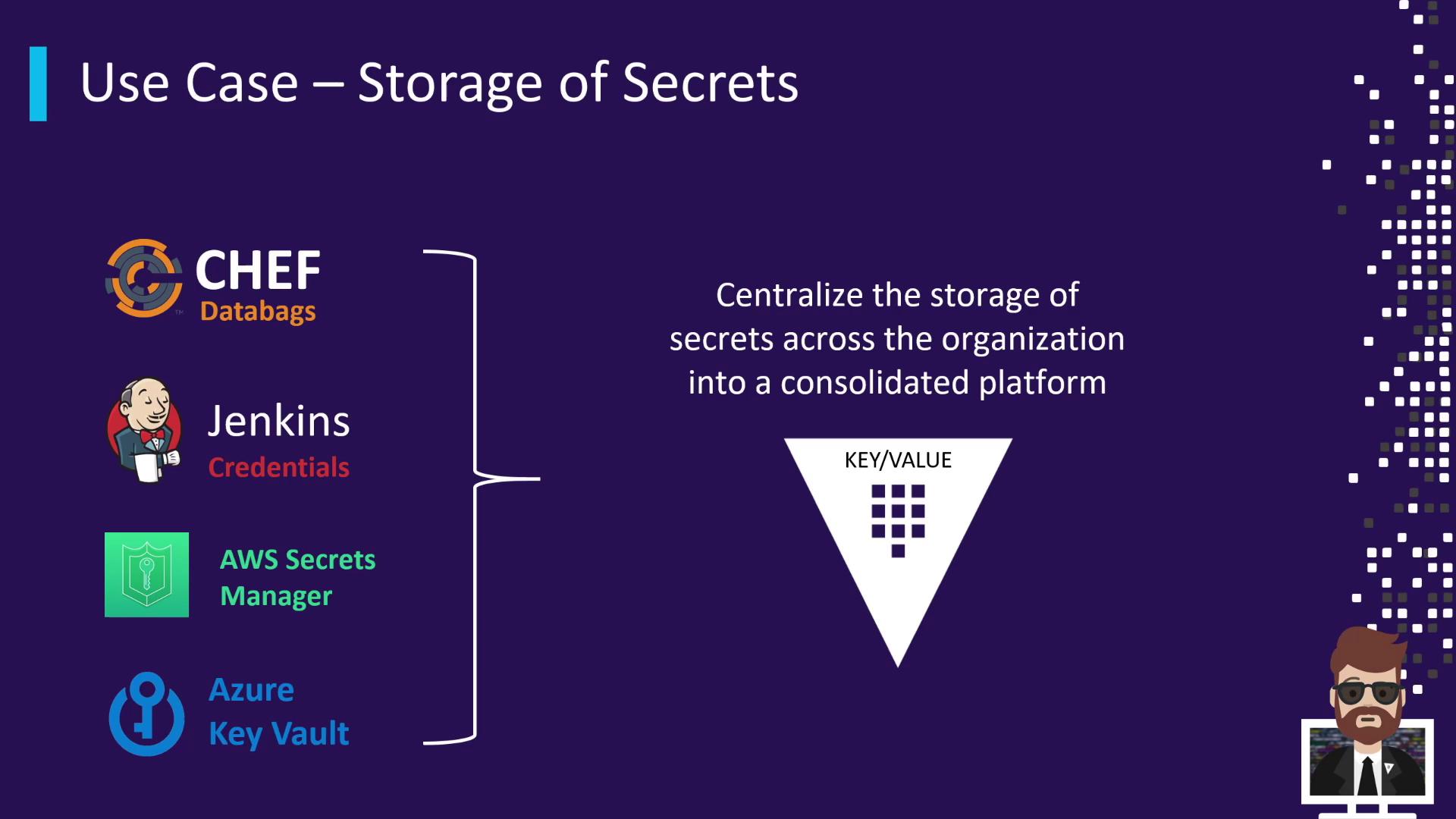
Never commit Vault tokens or raw credentials to source control. Always retrieve secrets at runtime via the Vault API.
Migrating to Dynamic Secrets
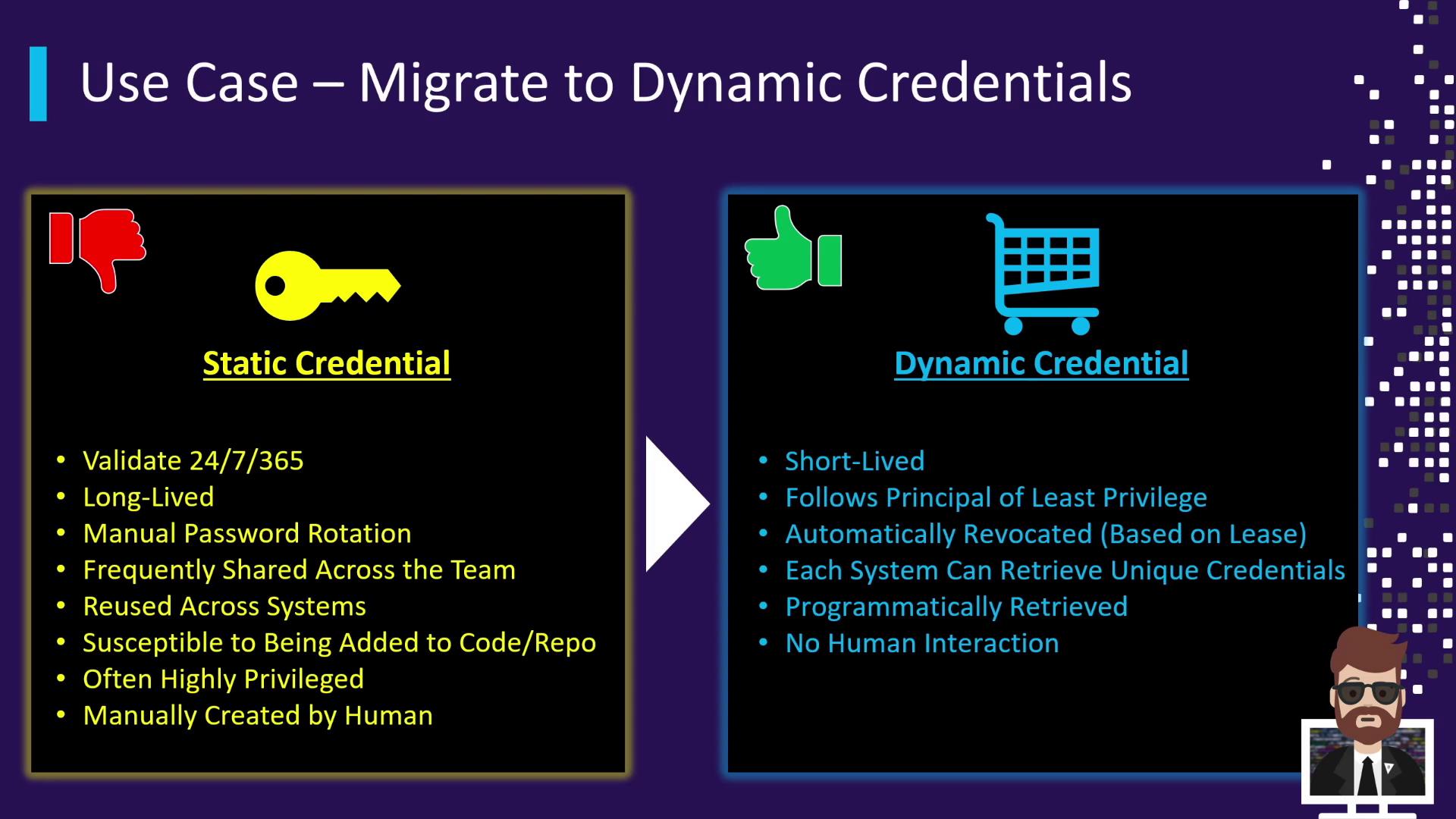
- Short-lived (e.g., 4-hour AWS credentials)
- Auto-rotated and programmatically retrieved
- Scoped by roles for least-privilege
- Auto-revoked at lease expiry
- Unique per requester
Ensure robust lease management: monitor and renew active leases to avoid service disruptions.
Encrypting Data with a Centralized Workflow
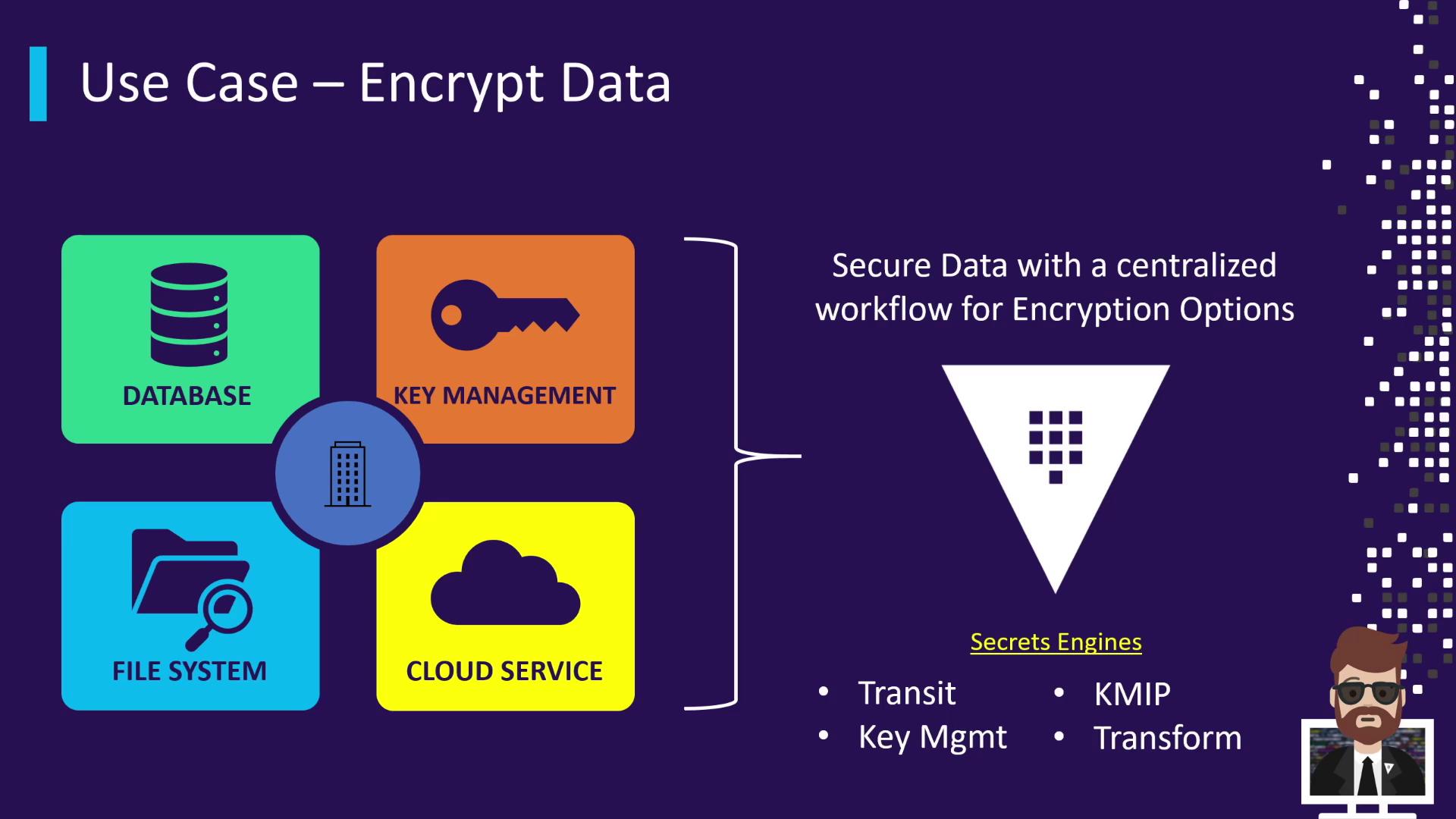
Route all encryption calls through Vault to decouple cryptographic logic from applications, ensure compliance, and centralize key management.
The Transit Engine integrates with hardware security modules (HSMs) for FIPS-compliant encryption.
Automated X.509 Certificate Management
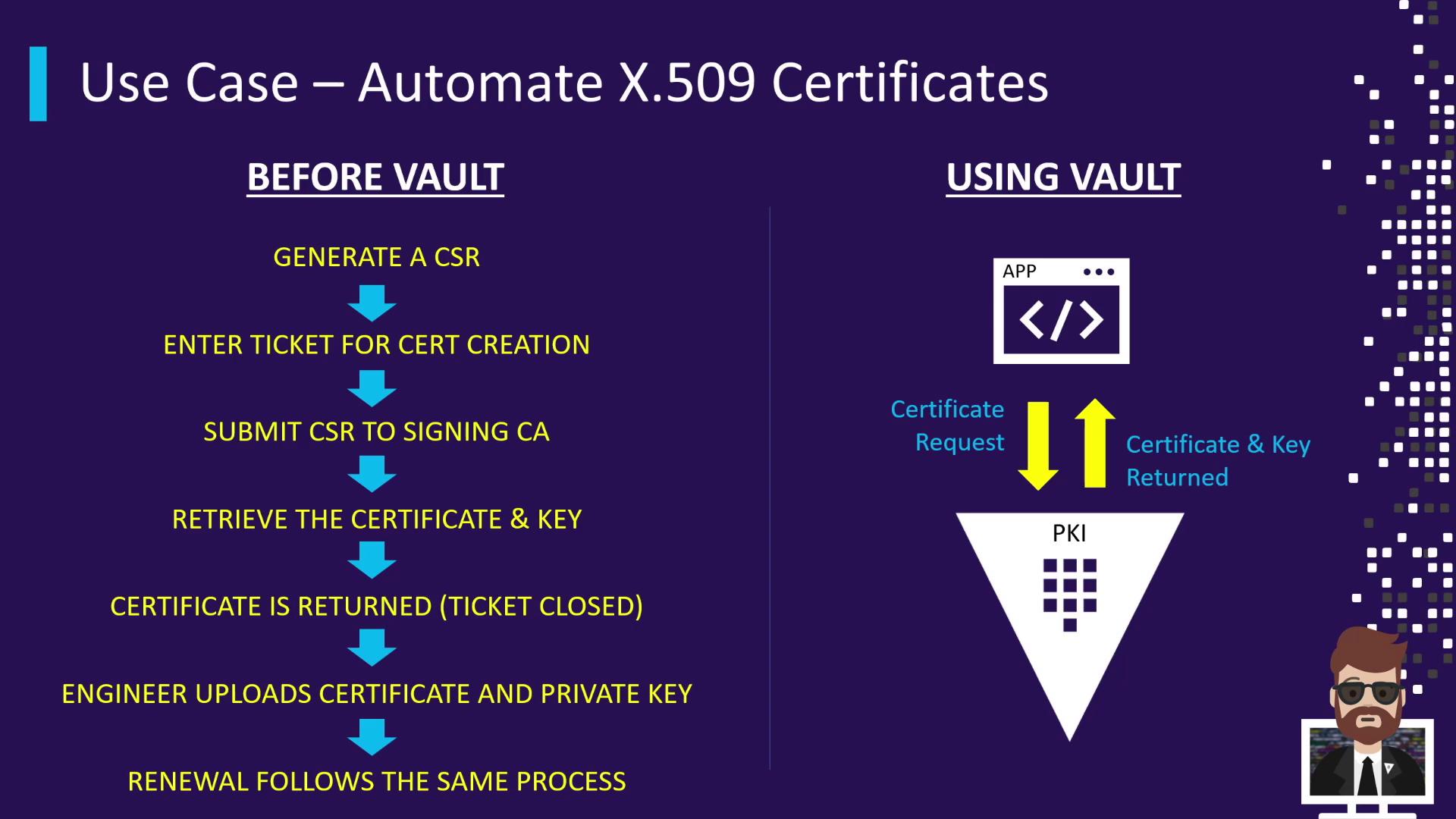
- CSR submission via API
- Programmatic issuance of certificates and private keys
- Automated renewals and revocations
- No manual ticketing or key distribution
See the PKI Secrets Engine documentation for CA setup and role configuration.
Migrating to Identity-Based Access
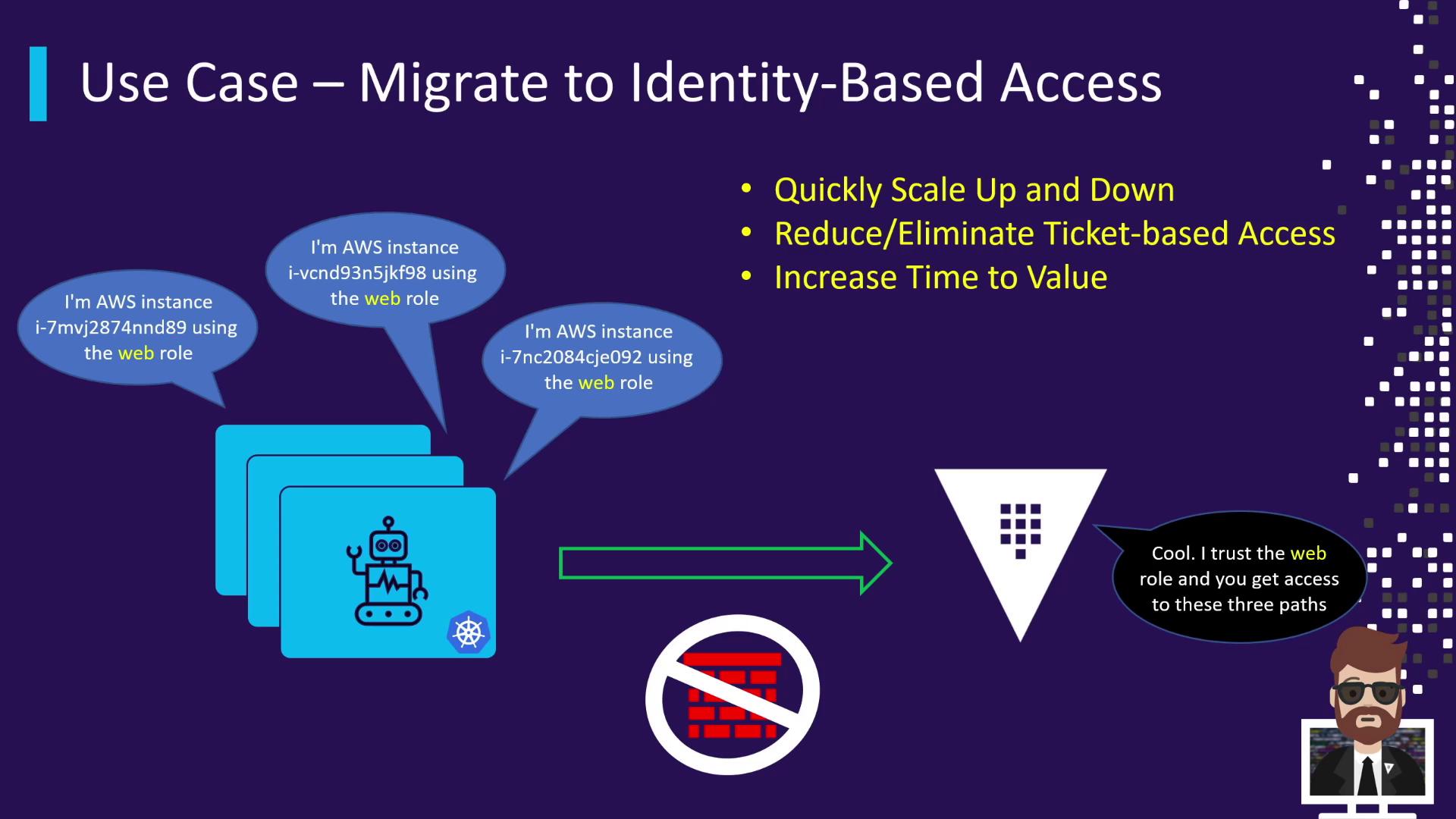
- AWS IAM, Kubernetes, GCP, Azure, LDAP, OIDC
- Entities present identity tokens (e.g., AWS instance metadata)
- Vault validates and issues scoped tokens
- Access is bound to specific paths and policies
Review the Identity & Access methods to choose the right integration for your environment.
Links and References
- Vault Overview
- Transit Secrets Engine
- Transform Secrets Engine
- PKI Secrets Engine
- Auth Methods
- Vault GitHub Repository