

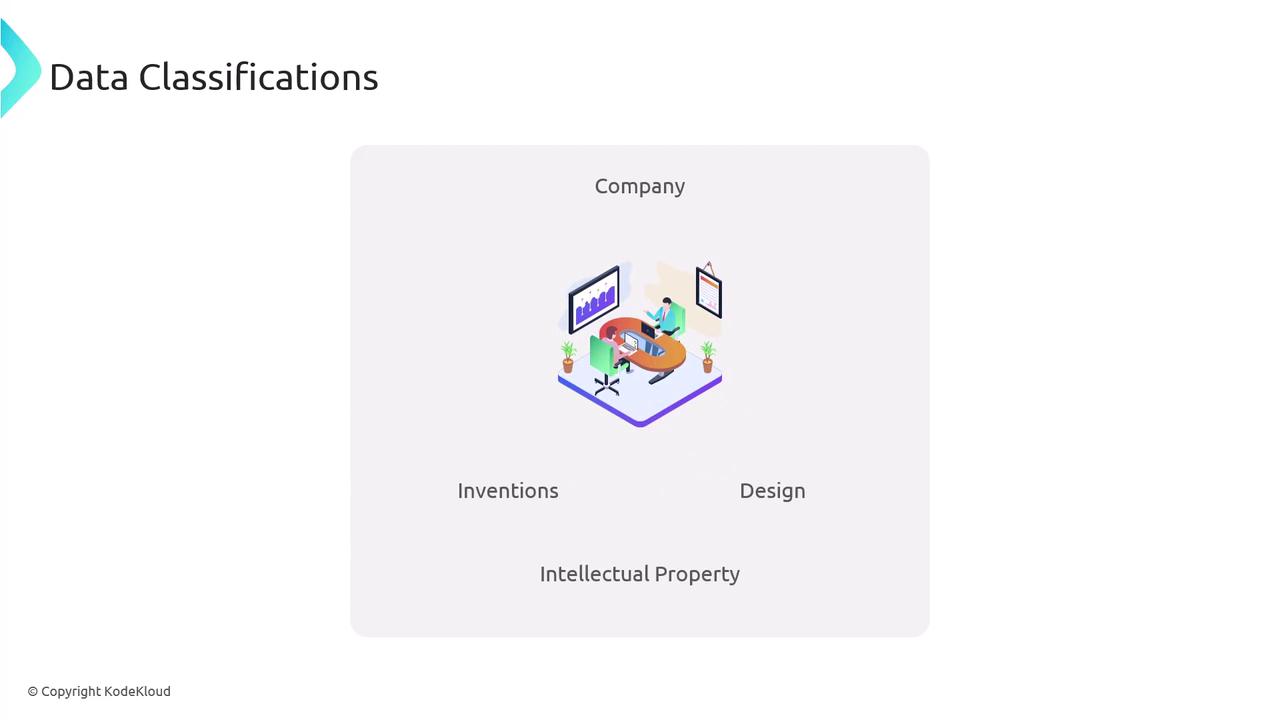
When classifying data, always verify the sensitivity level and who should have access. This helps in applying the proper security measures.
- Public or Unclassified Data
Public or unclassified data generally has no restrictions and poses little to no risk to the organization.
- Secret Data
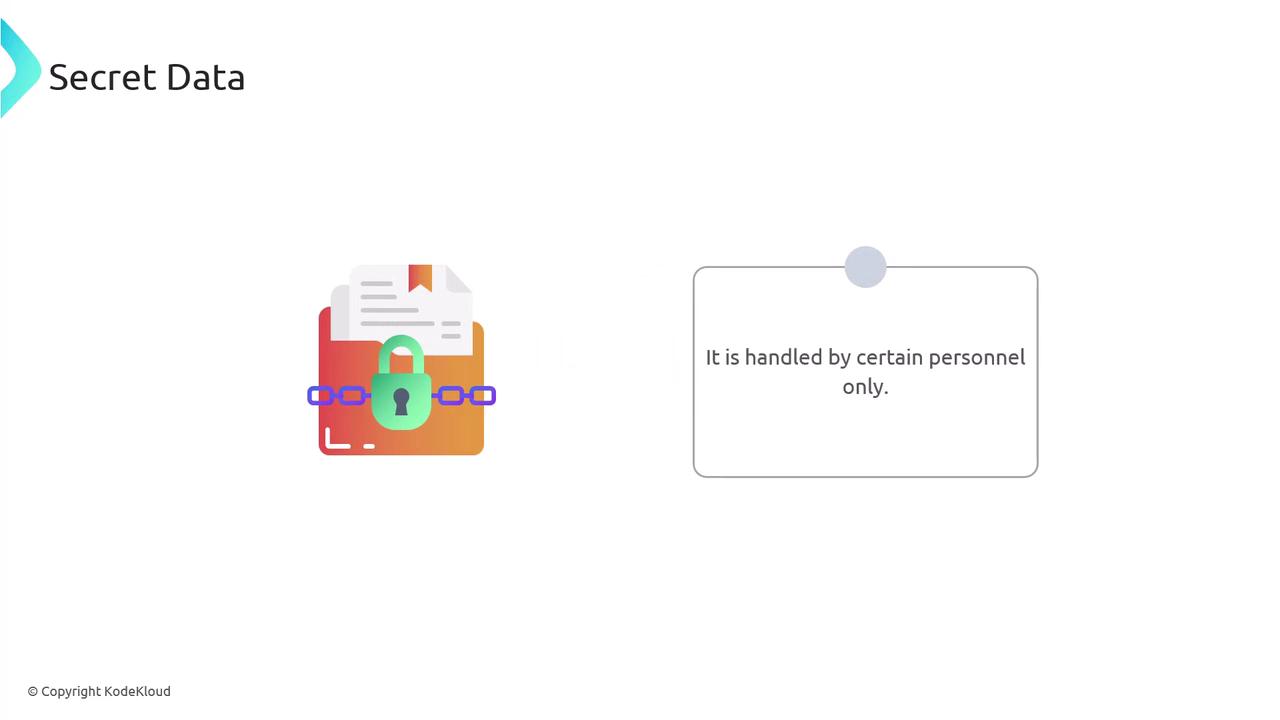
Secret data is highly sensitive and is accessible only to authorized personnel. There are cases where this data might be shared with trusted third parties, but only after a proper non-disclosure agreement has been established.
- Top Secret Data
Top secret data represents the highest level of sensitivity. Due to the extreme value and risk, this information is accessible only to a very limited number of individuals.
- Private Information
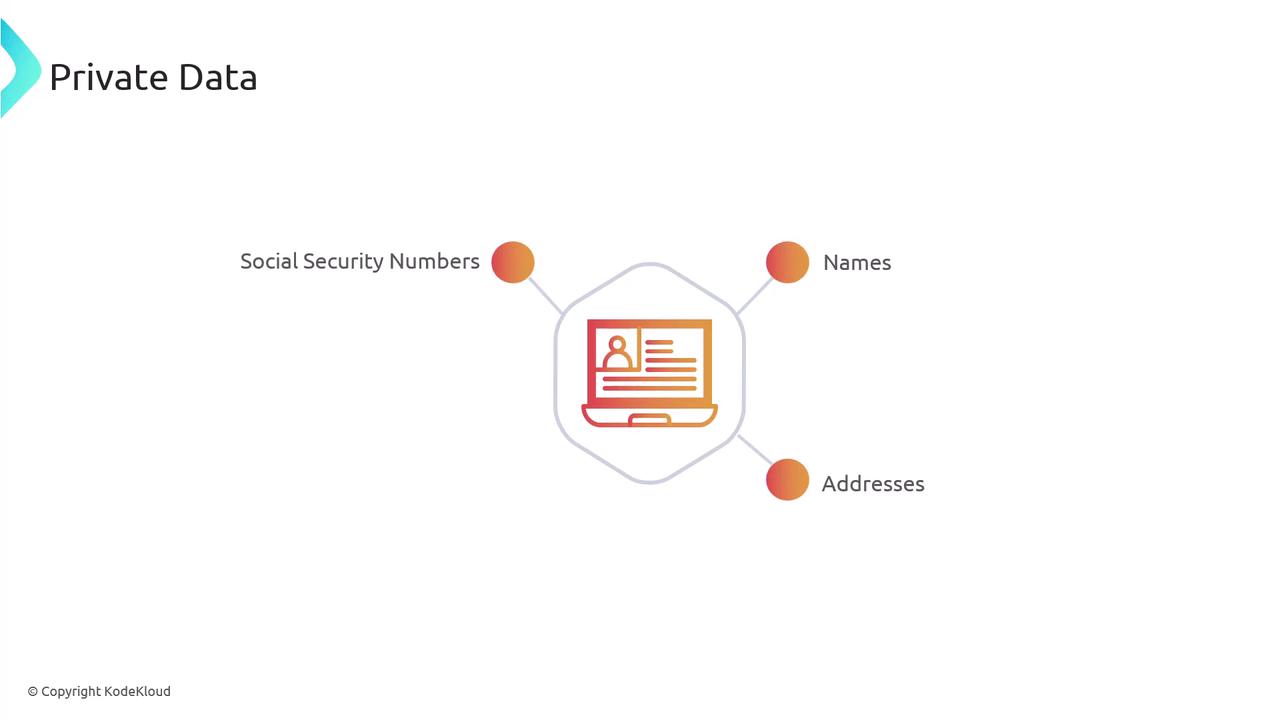
Private information includes personally identifiable details such as social security numbers, names, addresses, and health records.
- Sensitive Information
While similar to private data, sensitive information covers data that, if disclosed, could lead to more significant harm to an individual. This category may include personal identifiers along with potentially compromising details such as race, religion, ethnicity, or organizational affiliations. As a result, sensitive data requires stringent control and limited access.

Always ensure that classification policies are regularly reviewed and updated to reflect any changes in data handling practices or regulatory requirements.