Single Sign-On (SSO) streamlines authentication, allowing users to access multiple applications with one set of credentials, enhancing security and productivity.
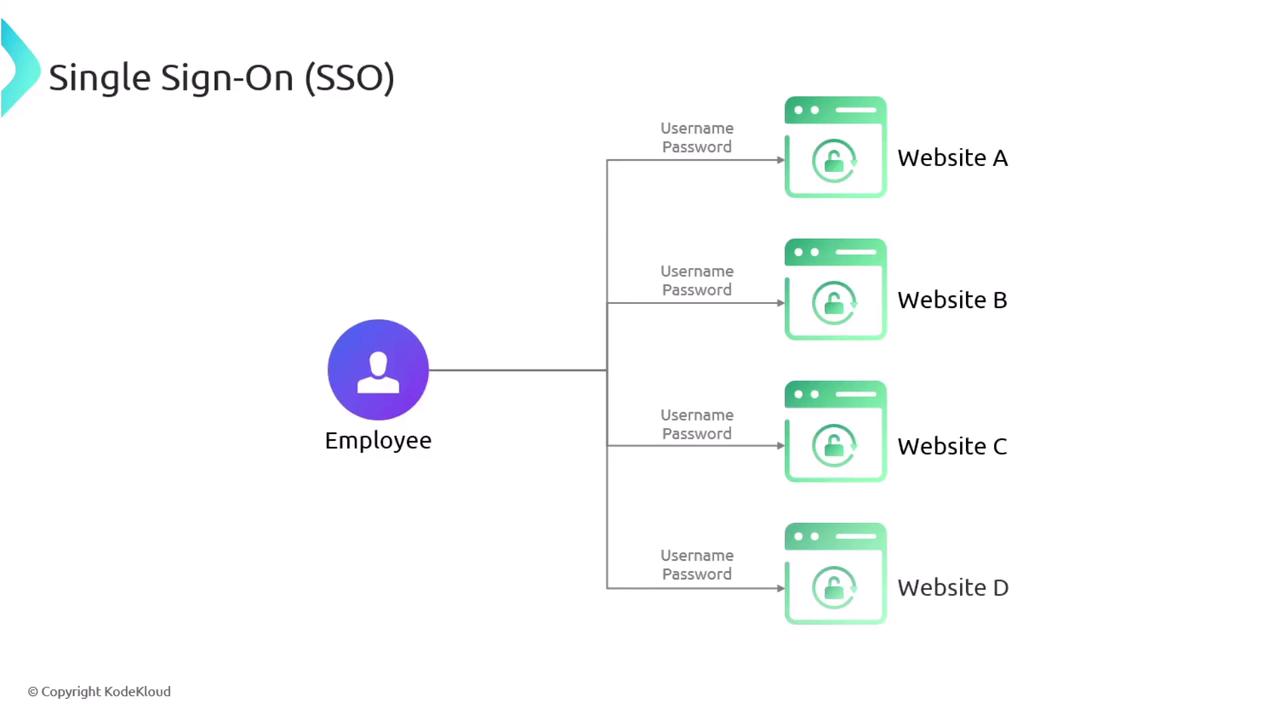
Single Sign-On (SSO) is a powerful technology that streamlines authentication and enhances enterprise security by allowing users to access multiple applications with a single set of credentials. Without SSO, enterprise users might face the tedious task of logging into each system separately, which can quickly become cumbersome in large organizations.
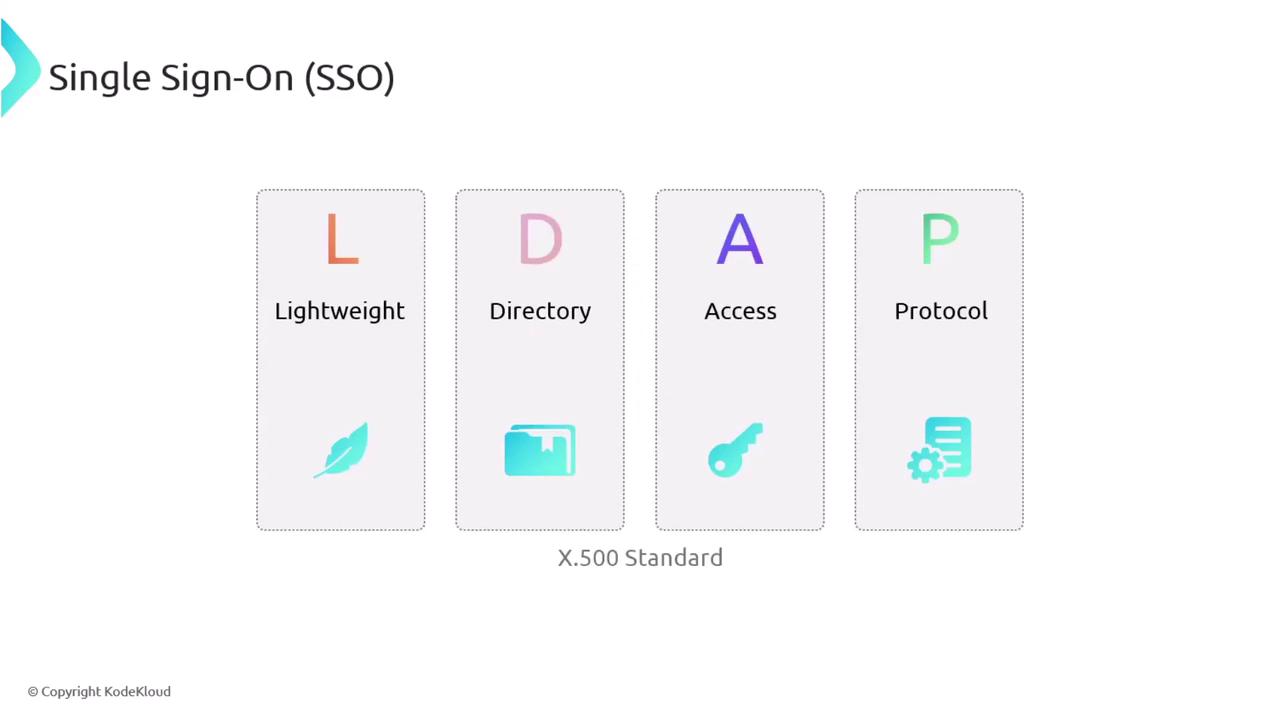
SSO simplifies the login process by leveraging a central authentication mechanism—often the company’s directory services. This setup enables users to access various SaaS applications and internal services using their company domain credentials. A key component in many SSO environments is LDAP, a directory service based on X.500 standards, which stores essential information about users, computers, and services.
There are two prominent SSO protocols that organizations frequently implement:
OAuth (Open Authorization)
OAuth is primarily focused on authorization. It utilizes REST APIs to perform various HTTP requests (GET, PUT, POST, DELETE), ensuring that secure access to data is maintained without revealing user credentials.
SAML (Security Assertions Markup Language)
SAML, on the other hand, employs SOAP-based protocols along with XML-formatted assertions to manage both authentication and authorization. This protocol provides a comprehensive solution for identity verification and access control in one package.
Organizations leveraging a wide array of SaaS applications benefit tremendously from SSO. It minimizes repetitive logins, reduces password fatigue, and enhances overall user productivity while maintaining robust security measures.
It is also important to understand the concept of federation. While both SSO and federation allow access to multiple services with a single set of credentials, they differ in their scope. With SSO, the multiple sites or applications typically reside within the same domain. In contrast, federation extends this capability by enabling access across multiple external domains.