This article discusses the importance of vendor assessments in security governance to mitigate risks from third-party vulnerabilities.
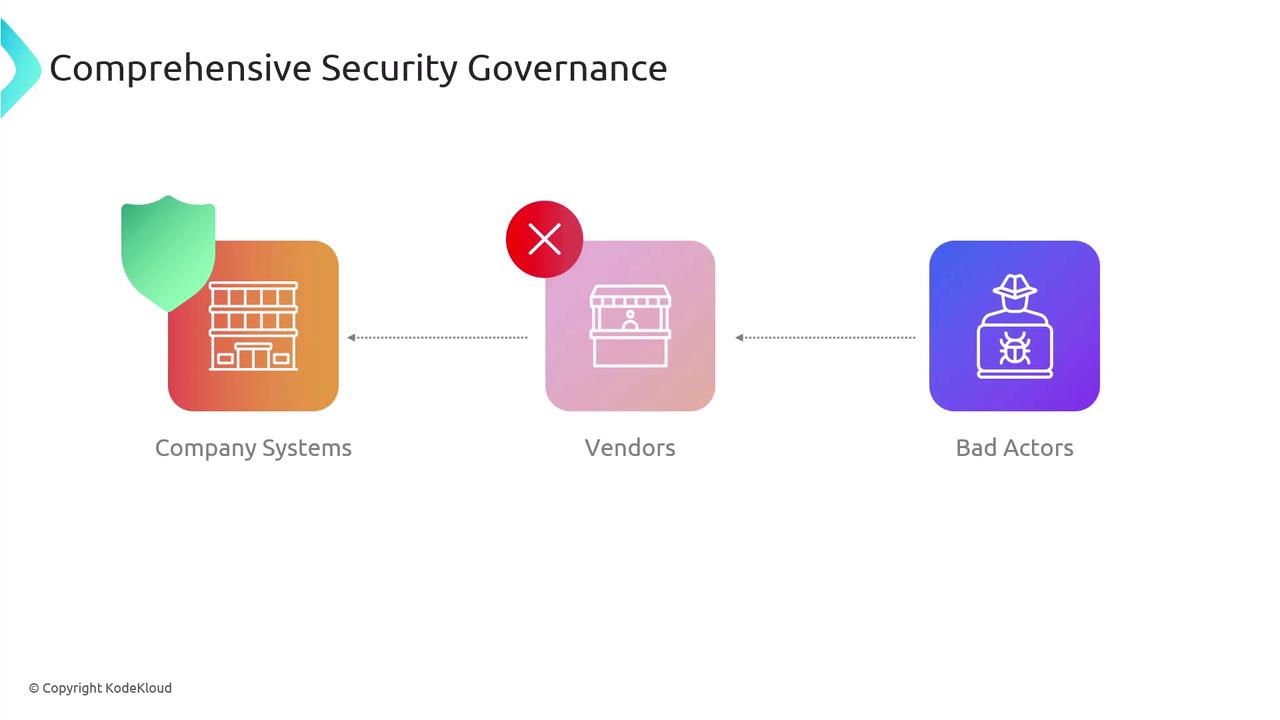
Comprehensive security governance goes beyond evaluating your own systems—it must also include a thorough assessment of your vendors. Cyber attackers often exploit vulnerabilities within vendor infrastructures as a gateway to compromise your company systems or access sensitive data. By integrating vendor assessments into your security strategy, you can significantly mitigate this risk.
Since vendor relationships typically involve establishing connectivity and sharing critical information, incorporating vendor assessments into your security governance framework is not only a best practice—it is also a regulatory requirement in many industries. This article explores several methods and techniques to assess the security posture of your vendors’ systems and networks, even when you do not directly control them.
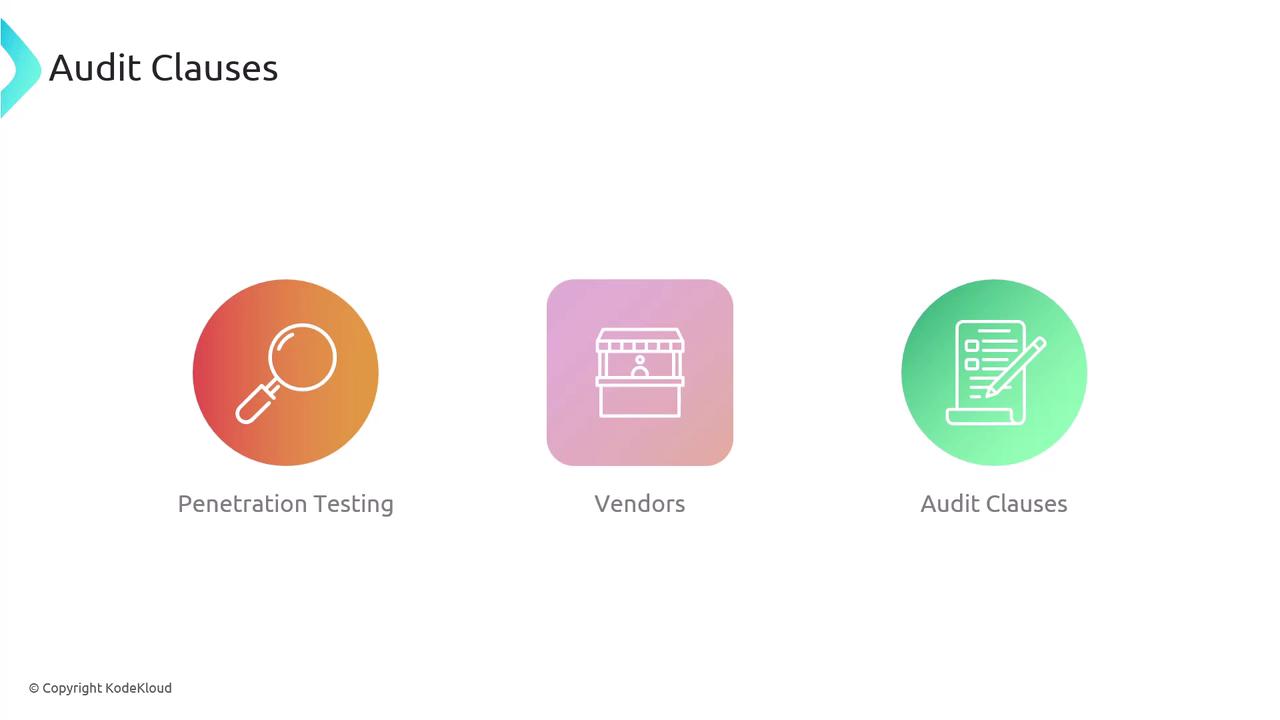
Penetration testing offers a proactive method to uncover vulnerabilities before attackers can exploit them. You have two main options:
Perform internal penetration tests to simulate external attacks.
Request that your vendor submits evidence of successful penetration tests conducted on their systems.
These tests typically replicate the reconnaissance phase of a real attack, revealing the information visible to outsiders and measuring the overall effectiveness of the vendor’s security controls.
Penetration testing not only highlights vulnerabilities but also helps prioritize risk mitigation efforts by demonstrating which areas require immediate attention.
Including a right to audit clause in your vendor contracts is another critical strategy. This clause legally authorizes your company to perform audits and assessments on the vendor’s systems, ensuring they comply with relevant regulations and contractual requirements. You can either conduct these audits internally or rely on independent third-party auditors to verify compliance.
Regular audits—whether internal or third-party—are essential for maintaining an up-to-date understanding of your vendors’ security practices.
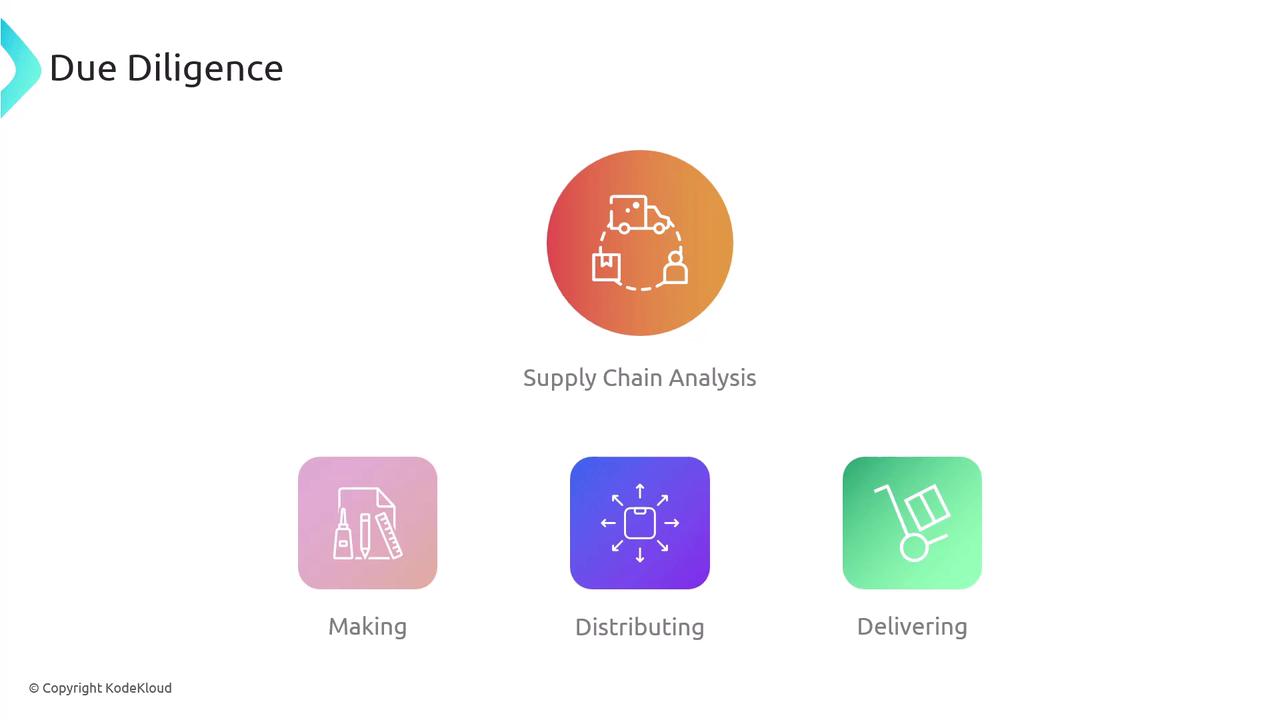
A comprehensive supply chain analysis examines all interconnected systems and networks involved in the creation, distribution, and delivery of your goods or services. This approach should cover every link in your product ecosystem, including suppliers, manufacturers, transporters, and retailers, to identify potential weak points or security vulnerabilities.
By performing a detailed supply chain analysis, you gain a clearer picture of the overall security posture across all vendor interactions, allowing you to promptly address any emerging issues.
Leveraging a combination of penetration testing, structured audit clauses, and thorough supply chain analysis establishes a robust framework for securing vendor relationships. Adopting these methods not only reinforces your overall security governance but also protects your business from potential third-party risks.For more information on best practices in security governance and vendor assessments, explore our additional resources and guides.