This article discusses leveraging cloud resources and rigorous testing methods for effective disaster recovery planning.
In disaster recovery planning, leveraging cloud resources is a key strategy. Cloud infrastructure is inherently location agnostic, ensuring that when a disaster affects one region, your services can remain available and fully operational worldwide—provided an internet connection is available.
Cloud-based disaster recovery solutions offer scalability, flexibility, and resilience by provisioning resources across multiple geographic areas.
Another critical aspect of maintaining a robust disaster recovery plan is thorough and regular testing. Even a well-designed recovery plan risks failing if ongoing production changes are not reflected in the failover setup. Continuous testing identifies discrepancies and potential issues early on, making your disaster recovery strategy resilient to unexpected failures.
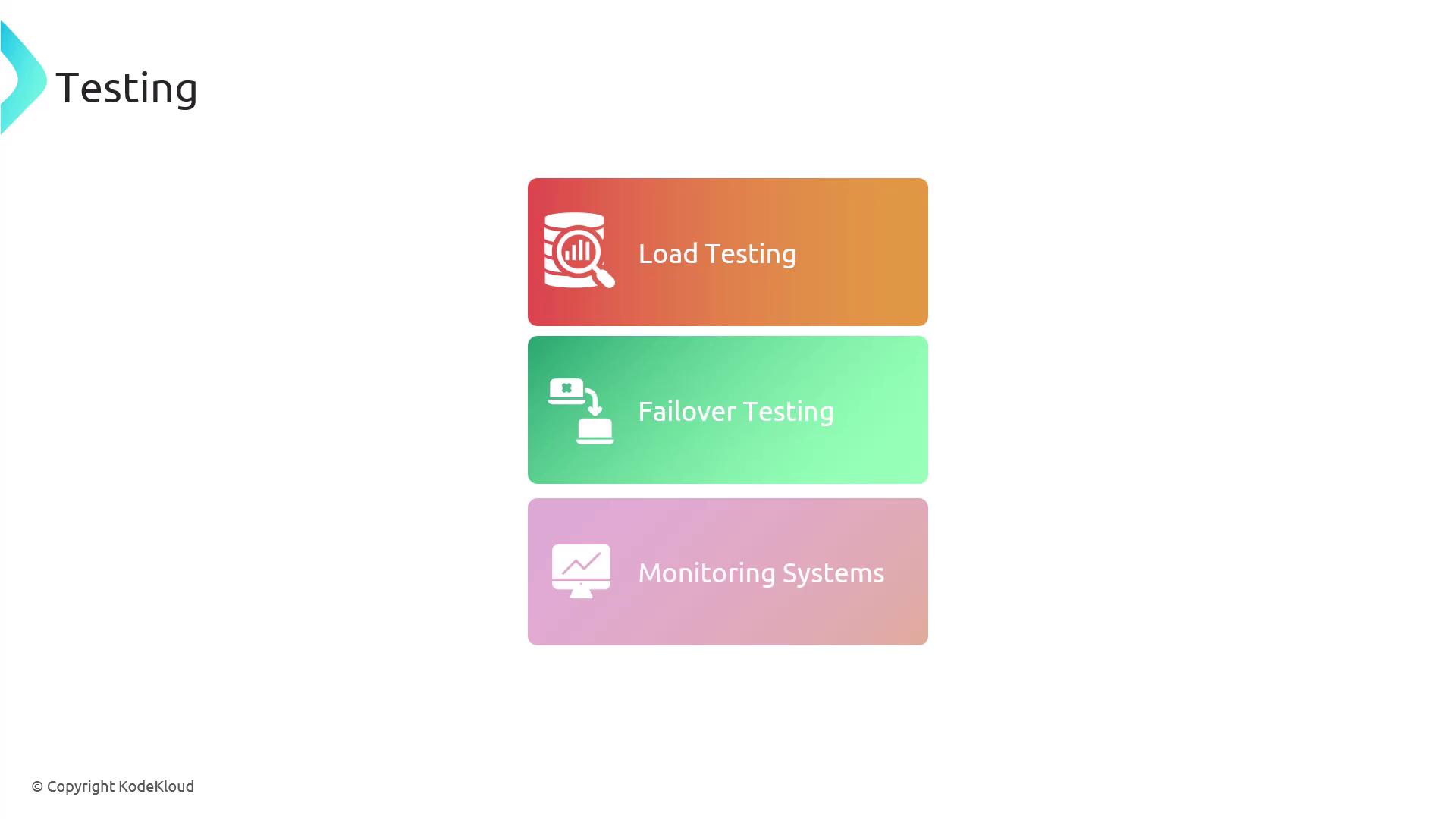
To ensure seamless disaster recovery, scheduled exercises should include:
Recovery Action
Purpose
Description
Load Testing
Validate capacity
Confirm that failover sites can support the complete production load.
Failover Testing
Verify seamless transition
Temporarily redirect traffic from primary to backup setups to ensure a smooth switchover.
Monitoring Systems
Proactive issue detection
Collect and analyze metrics and error events during exercises to identify and resolve issues promptly.
Always ensure that your disaster recovery site mirrors the live production environment. Regular updates and testing are crucial to avoid discrepancies that could compromise system reliability during an actual emergency.
By integrating cloud resources with a rigorous and systematic testing regimen, organizations can ensure their disaster recovery plans remain both effective and reliable—even as production environments evolve. This proactive approach minimizes downtime and maintains business continuity during unforeseen disruptions.