Tabletop Exercises
Tabletop exercises are discussion-based sessions where team members walk through a hypothetical disaster scenario to evaluate their response and decision-making processes. These exercises are excellent for scenario planning, role clarification, and enhancing communication among team members. They ensure that everyone understands their responsibilities and improves overall coordination.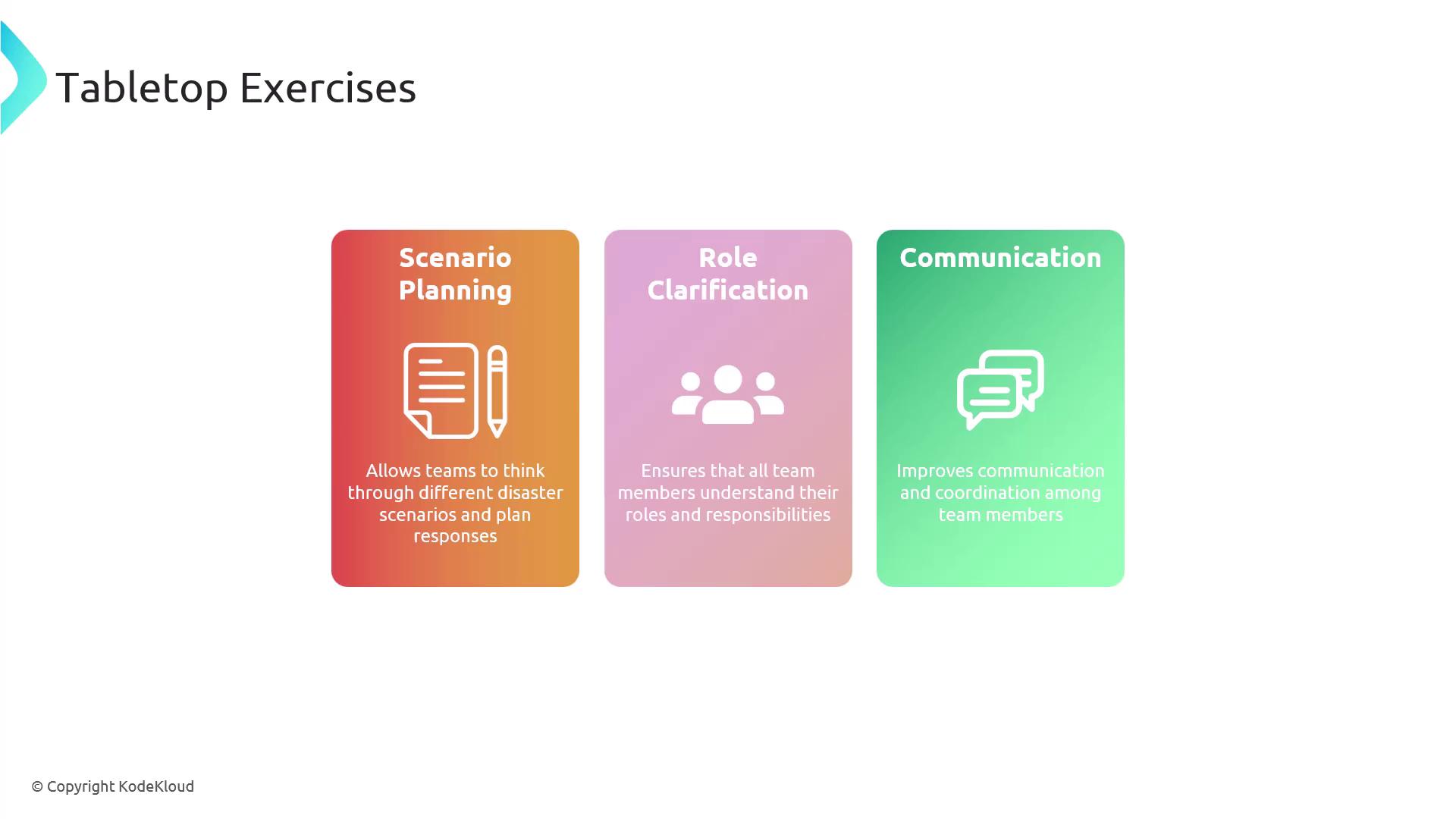
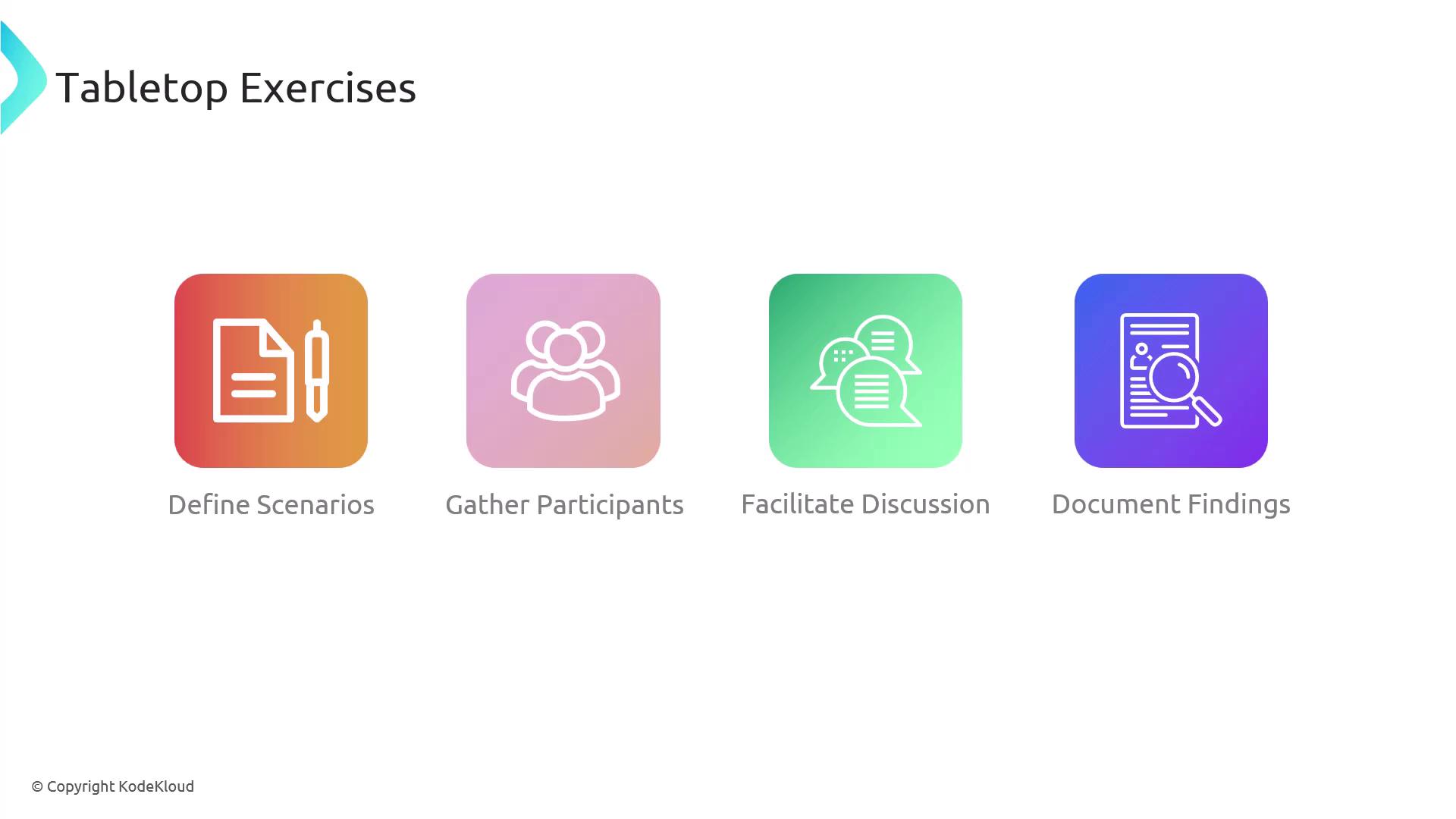
- Define realistic disaster scenarios relevant to the organization.
- Gather participants, including key stakeholders.
- Facilitate the discussion by guiding participants through the scenario.
- Document findings, identify gaps, and develop action plans for improvement.
Failover Testing
Failover testing involves deliberately causing a failure in a system to ensure that backup systems and processes engage seamlessly. This method is crucial for verifying redundancy, minimizing downtime, and validating recovery procedures.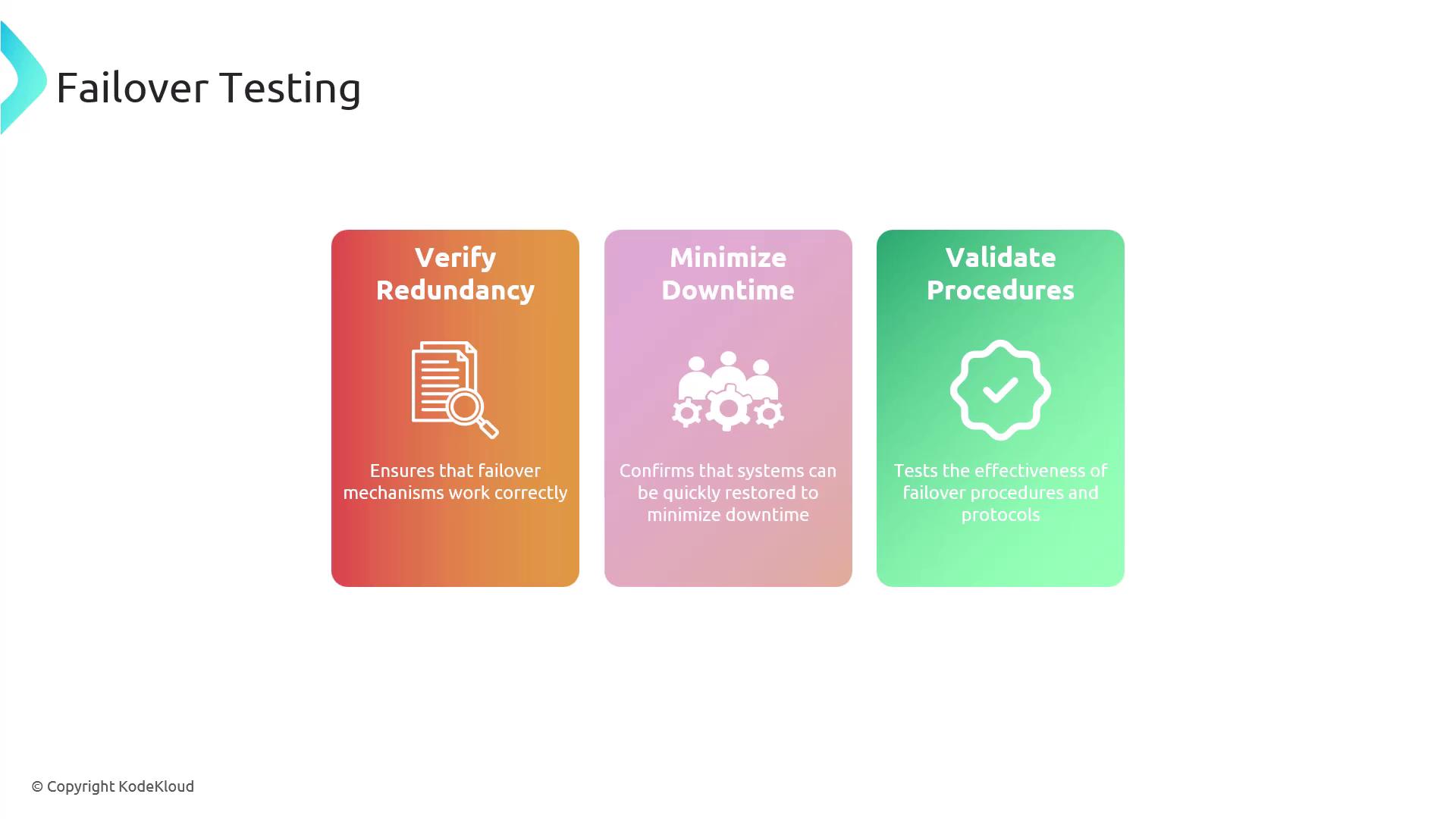
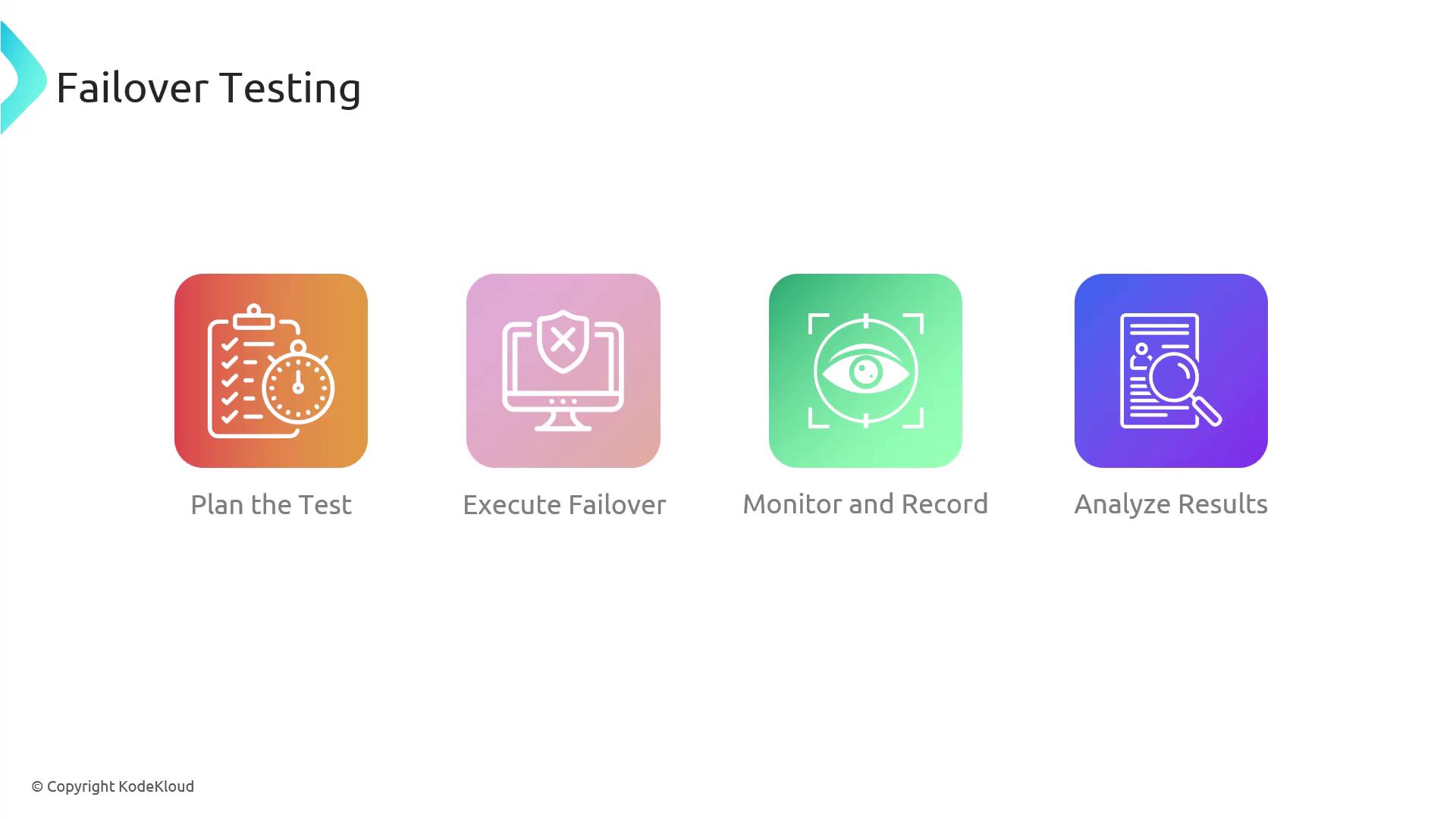
- Plan the test by identifying systems and components to be tested.
- Execute a simulated failure in the primary system to trigger failover.
- Monitor and record the process to capture any issues or delays.
- Analyze results to review outcomes, identify problems, and update procedures as necessary.
Simulation Testing
Simulation testing creates a virtual environment that mimics real-world conditions to assess the effectiveness of resilience and recovery strategies. This controlled environment allows for realistic testing without impacting actual operations while evaluating people, processes, and technology holistically.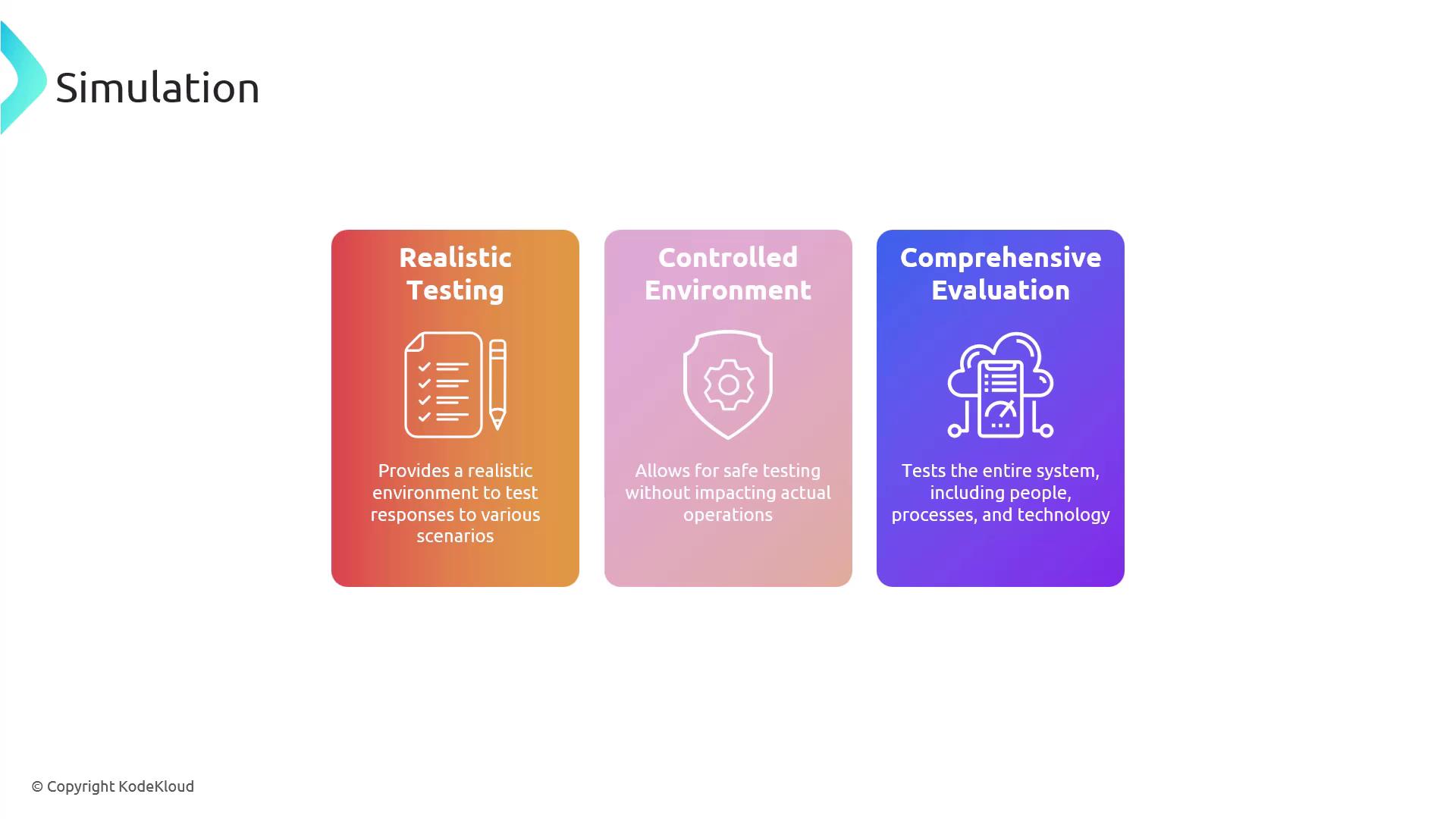
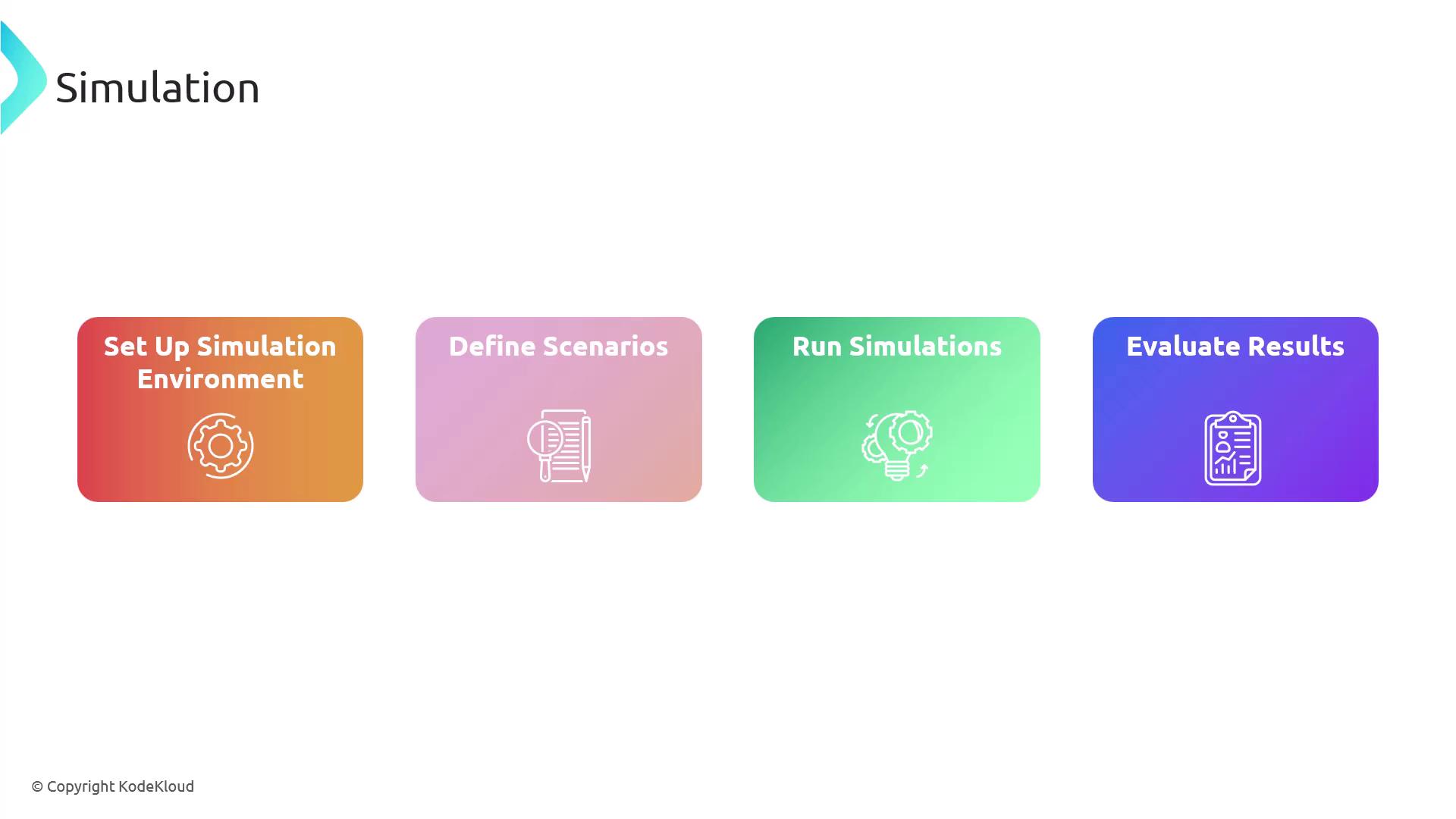
- Set up the simulation environment to closely resemble the production setting.
- Define test scenarios within the simulated environment.
- Run simulations while carefully observing and recording responses.
- Evaluate the results to identify vulnerabilities and make improvements.
Simulation testing is ideal for organizations that want to validate their resilience strategies without risking live system disruption.
Parallel Processing
Parallel processing involves running the same tasks simultaneously on both primary and backup systems. This method tests the backup system’s ability to handle the operational load, ensuring seamless transition and system integrity during failover.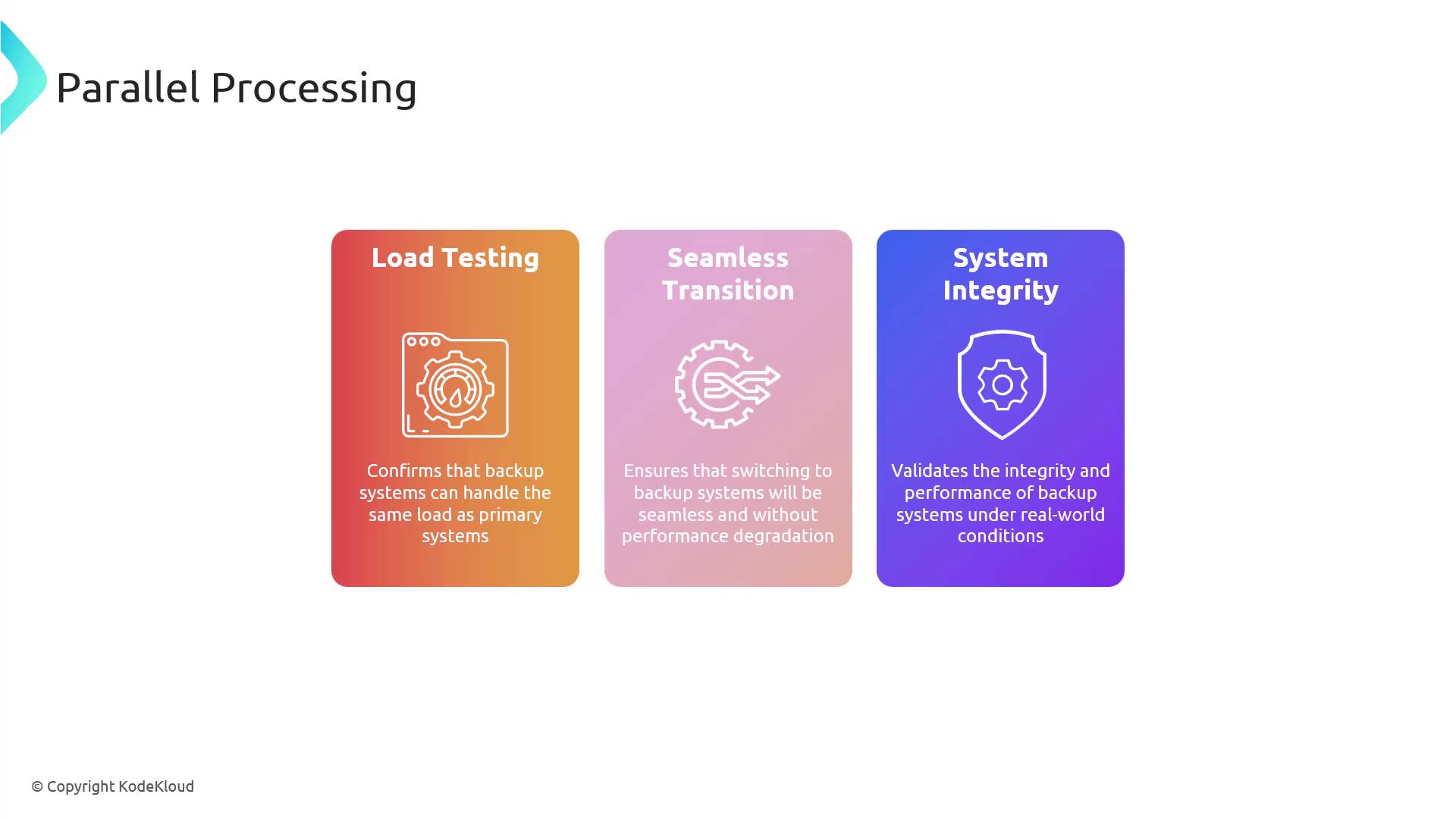
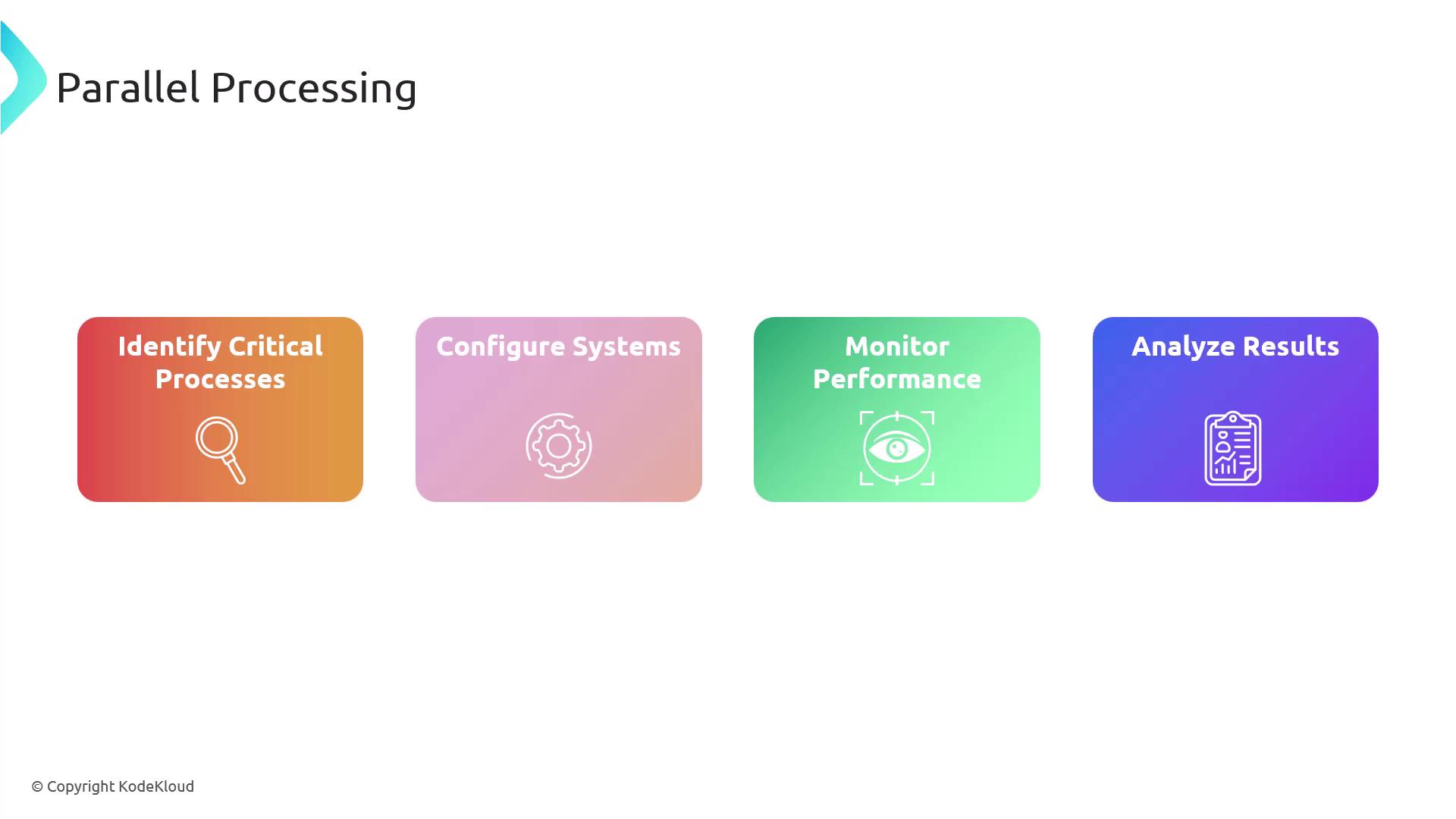
- Identify critical processes that should run in parallel.
- Configure both primary and backup systems to execute these processes simultaneously.
- Monitor the performance of both setups.
- Analyze results to compare performance and identify discrepancies.
Ensure that testing via parallel processing does not interfere with live operations. Schedule tests during low-traffic periods or in designated testing windows.
Conclusion
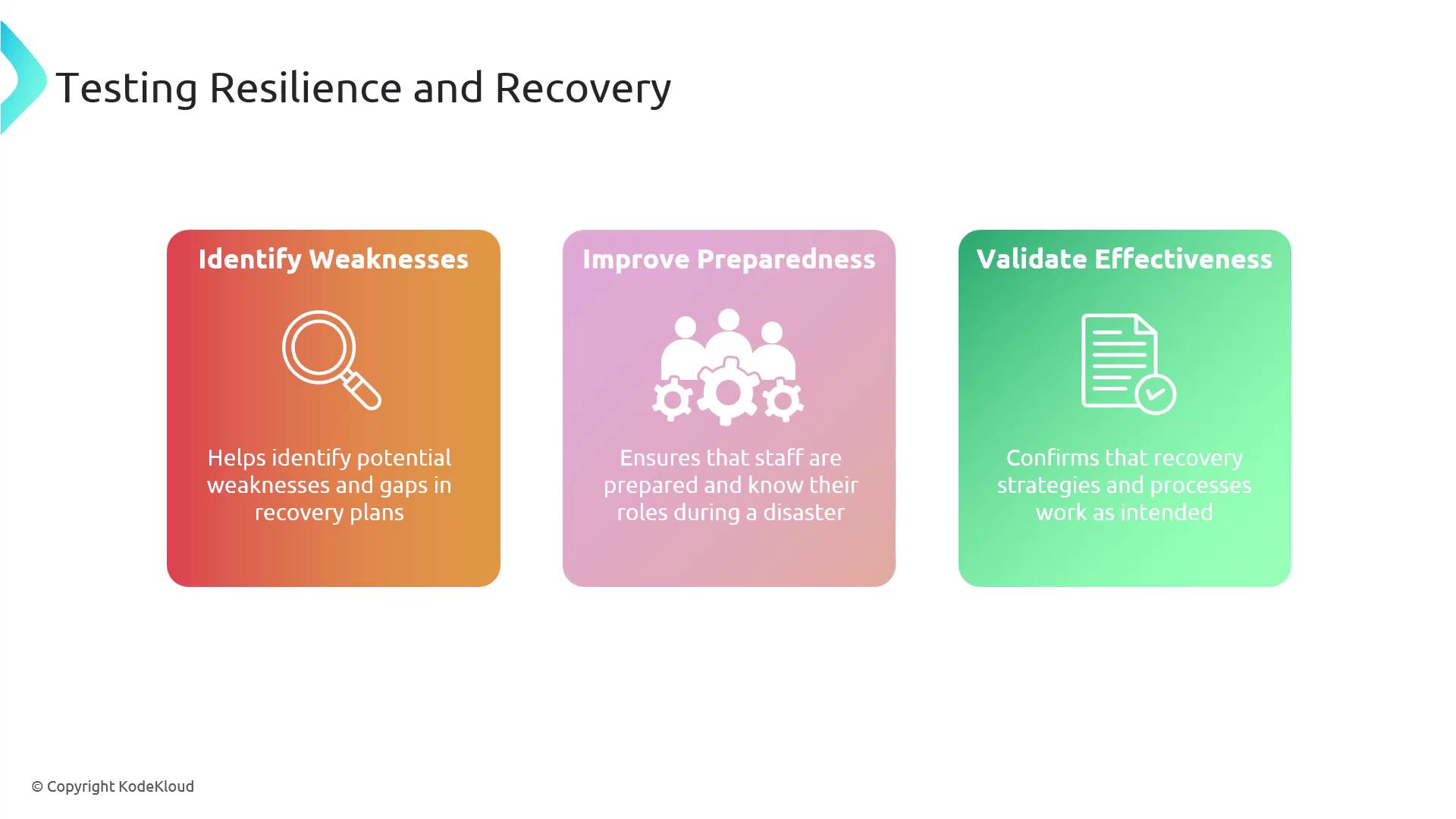
Testing resilience and recovery is essential for ensuring that an organization can sustain operations and swiftly recover from disruptions. By incorporating tabletop exercises, failover testing, simulation, and parallel processing, organizations can identify weaknesses, validate procedures, and enhance preparedness. These testing methods provide valuable insights into the strength of resilience and recovery strategies, supporting business continuity and safeguarding critical assets.