

What is Nginx?
Nginx is a high-performance web server and reverse proxy first released in the early 2000s. Built around an event-driven, asynchronous architecture, it was designed to address the limitations of older process-per-connection servers and to scale efficiently on modern workloads. Nginx runs on Linux, macOS, and Windows (note: Windows builds exist but Unix-like systems—especially Linux—are the most common production platforms).
Key strengths and common uses
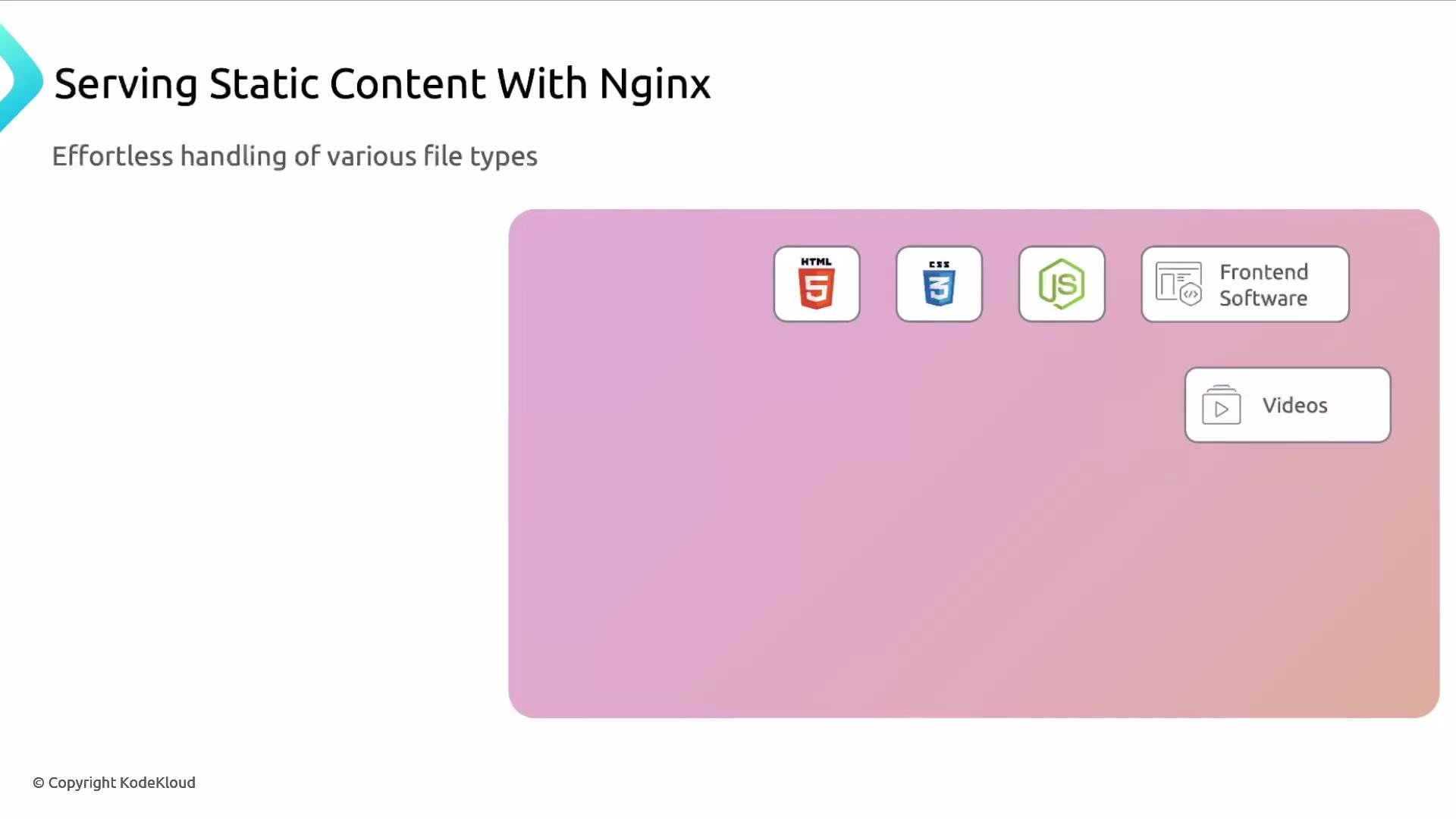
- Serving static content (HTML, CSS, images, audio, video) with minimal resource consumption and low latency.
- Acting as a reverse proxy and edge server to terminate TLS, perform caching, and shield backend services.
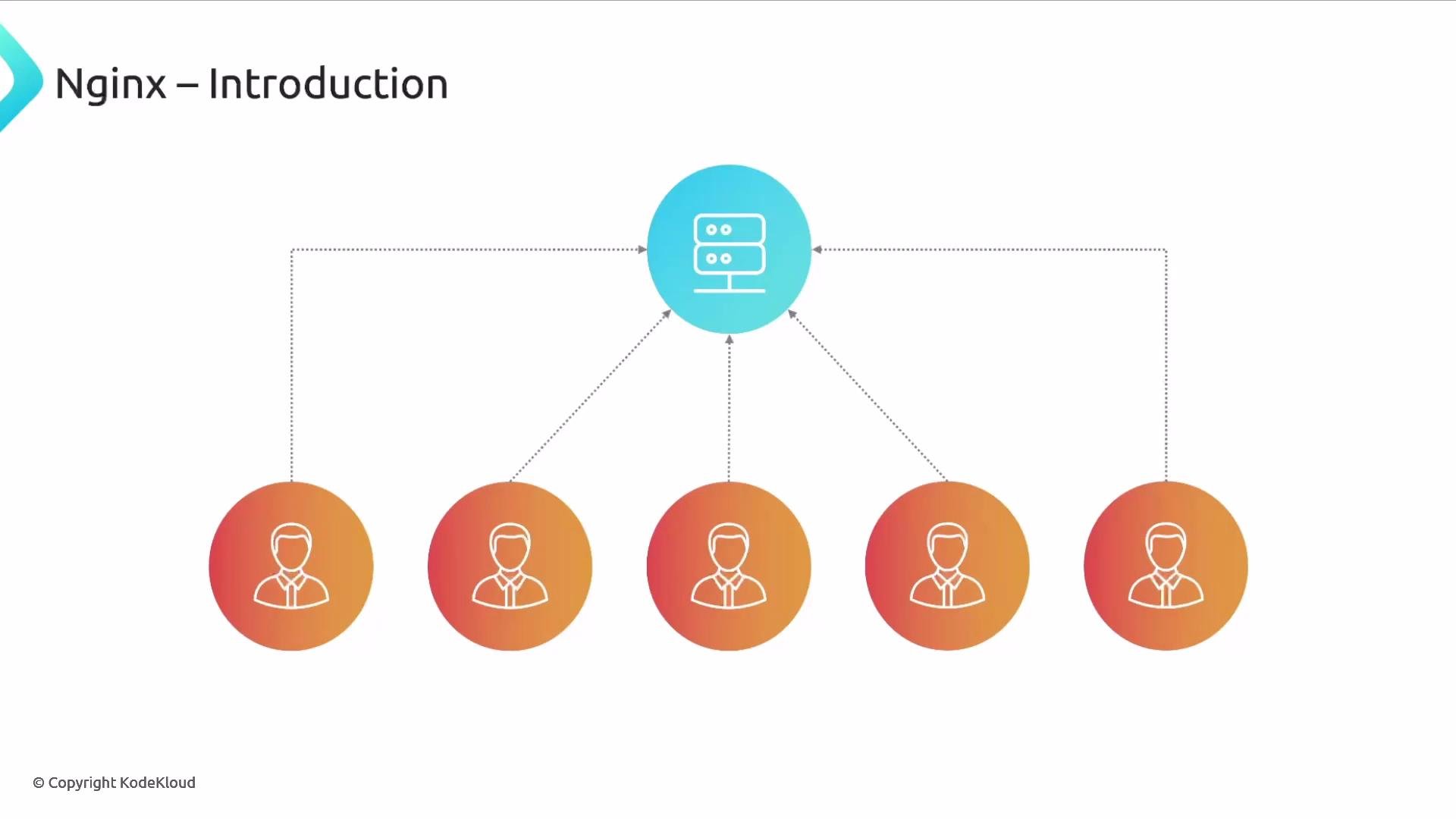
- Load balancing and traffic routing across multiple application servers.
- Supporting extensibility via modules and integrations (e.g., OpenResty for Lua scripting).
Adoption and market presence
Nginx has broad adoption across the web due to its performance, flexibility (reverse proxying, load balancing, caching, TLS termination), and rich ecosystem. Surveys and market analyses frequently show Nginx as one of the most used web servers globally — including significant share among top-ranked websites and in overall domain counts.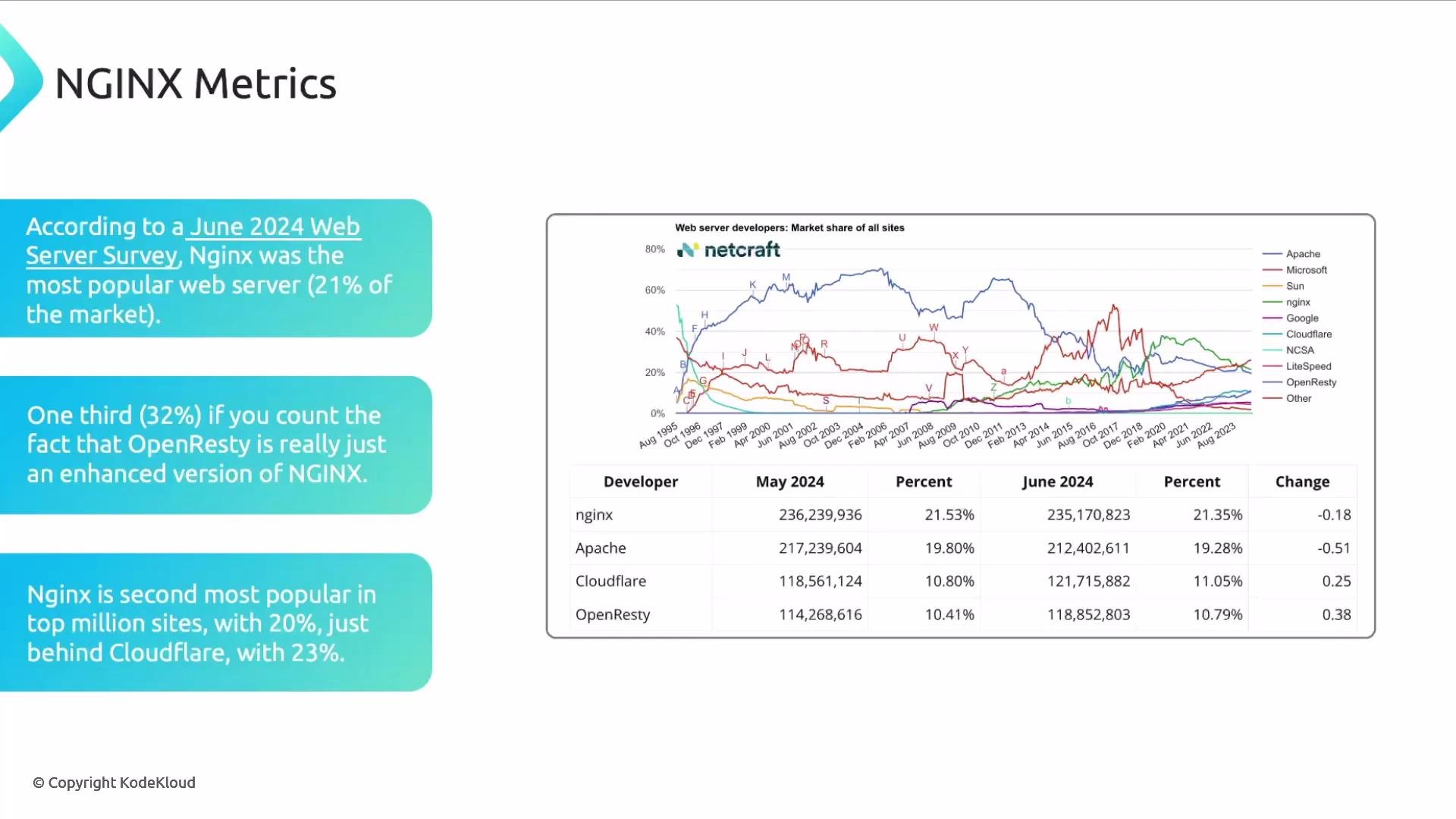

Links and references
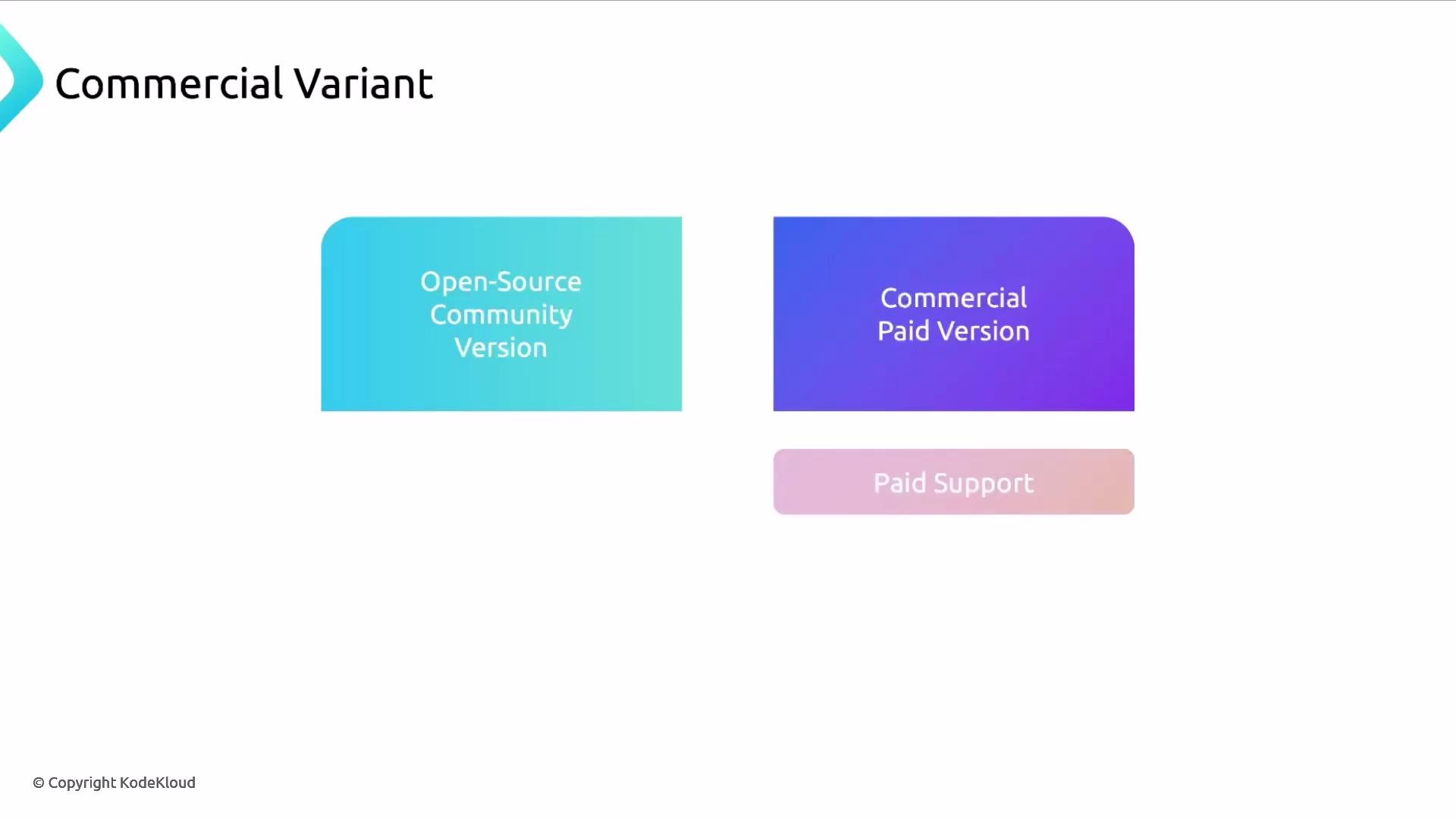
- Nginx official (open source): https://nginx.org
- Nginx commercial (Nginx Plus): https://nginx.com
- Nginx documentation and configuration examples: https://nginx.org/en/docs/