What is RBAC?
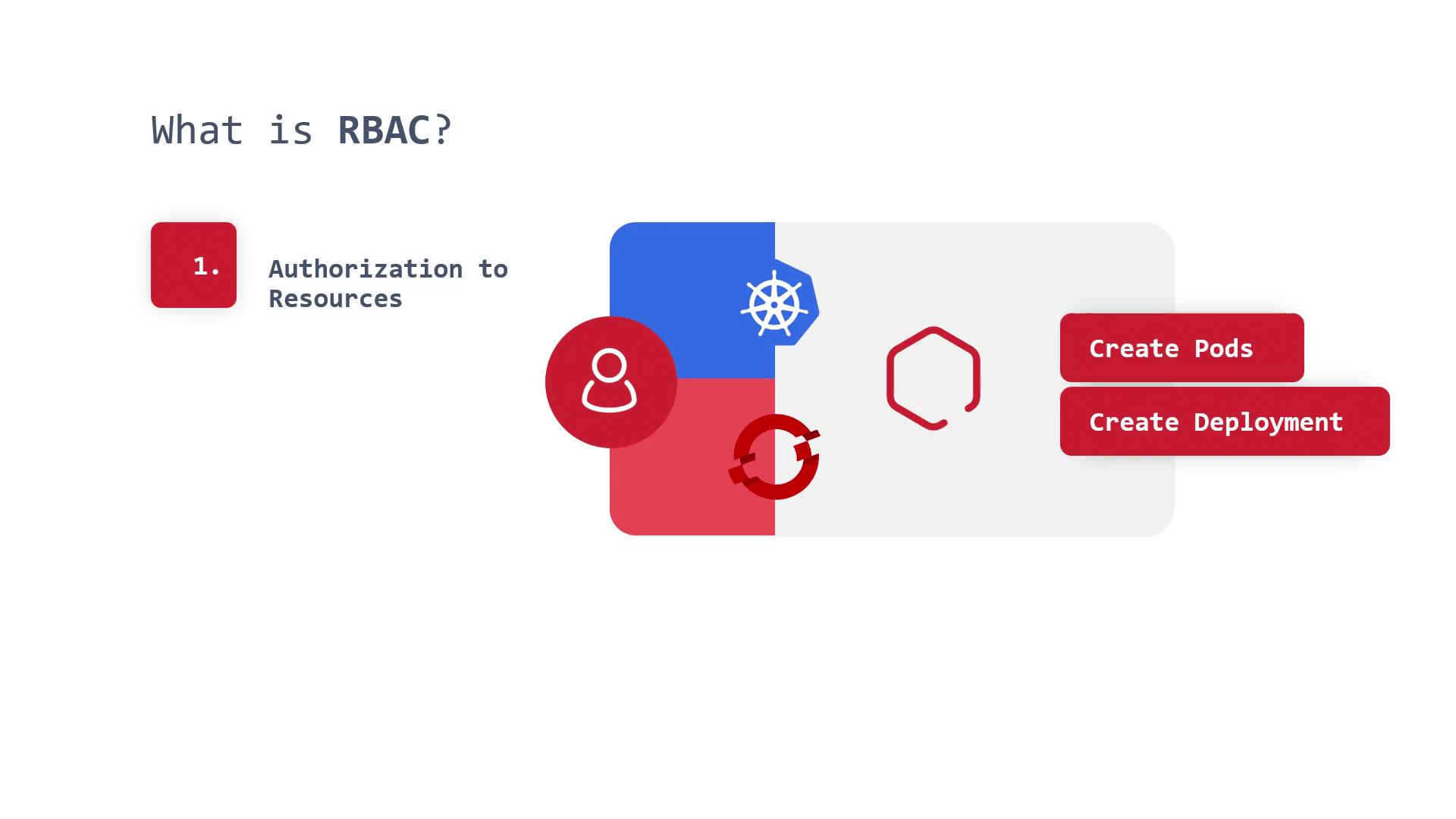
RBAC provides a structured way to authorize access to resources. By assigning specific permissions to users, ServiceAccounts, or groups, RBAC ensures that only authorized entities can perform defined actions on resources. For example, you can allow a ServiceAccount to create Pods within a particular namespace (like the Sock Shop namespace) or let specific users fetch and create resources based on their roles. RBAC can be defined at two levels:- Namespace Level: Controls access within a single namespace.
- Cluster Level: Grants permissions across all namespaces.
Namespace vs. Cluster Scope
You can define RBAC roles to limit access either to specific namespaces or the entire cluster. A role created within a namespace confines its permissions to that namespace, whereas a cluster role provides access control across all namespaces.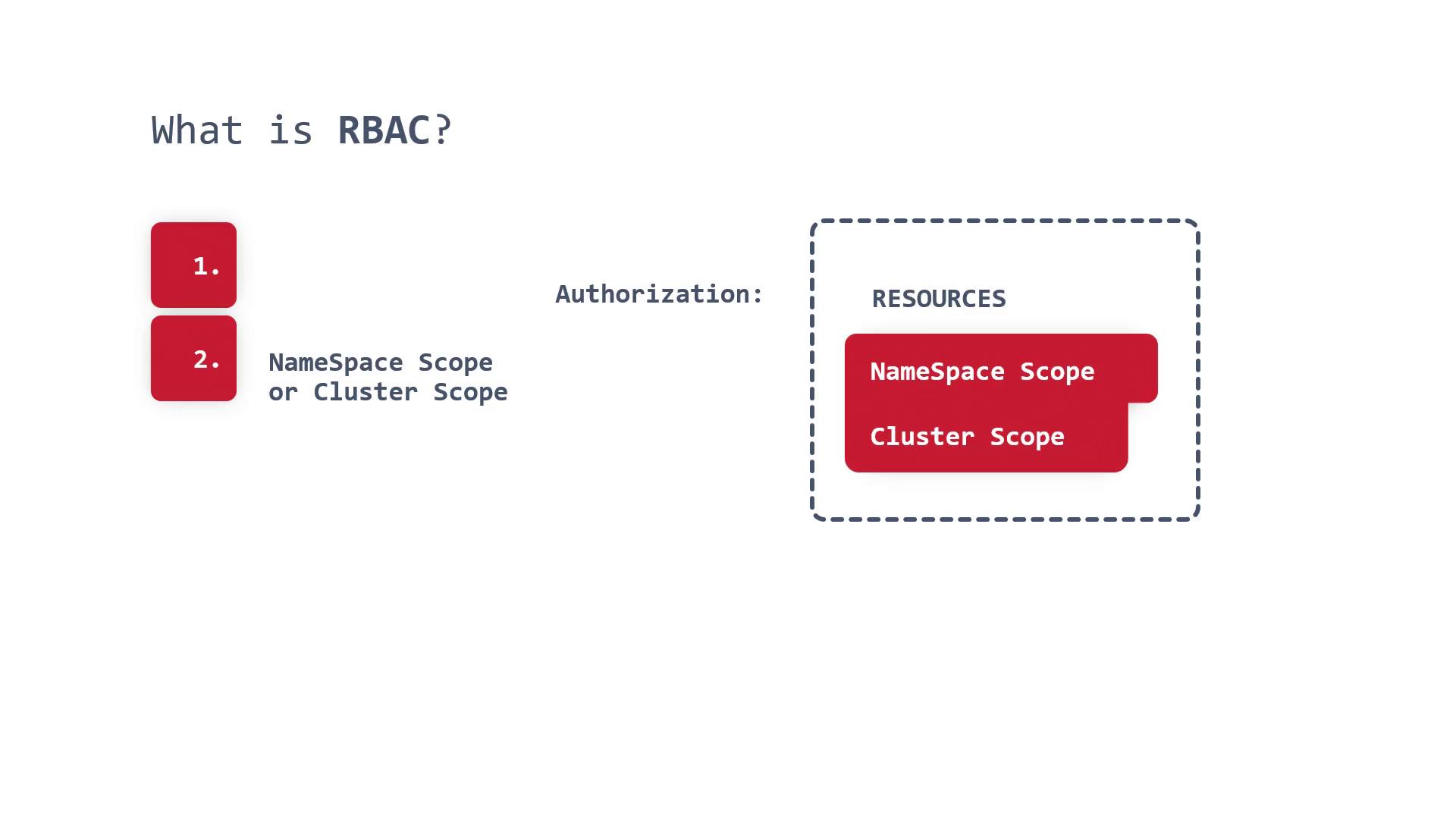
If RBAC is not configured correctly, your Kubernetes cluster and all its resources might be exposed to potential security breaches. Always implement RBAC with careful planning.
Components of RBAC
RBAC in Kubernetes is built around four key components:1. Roles
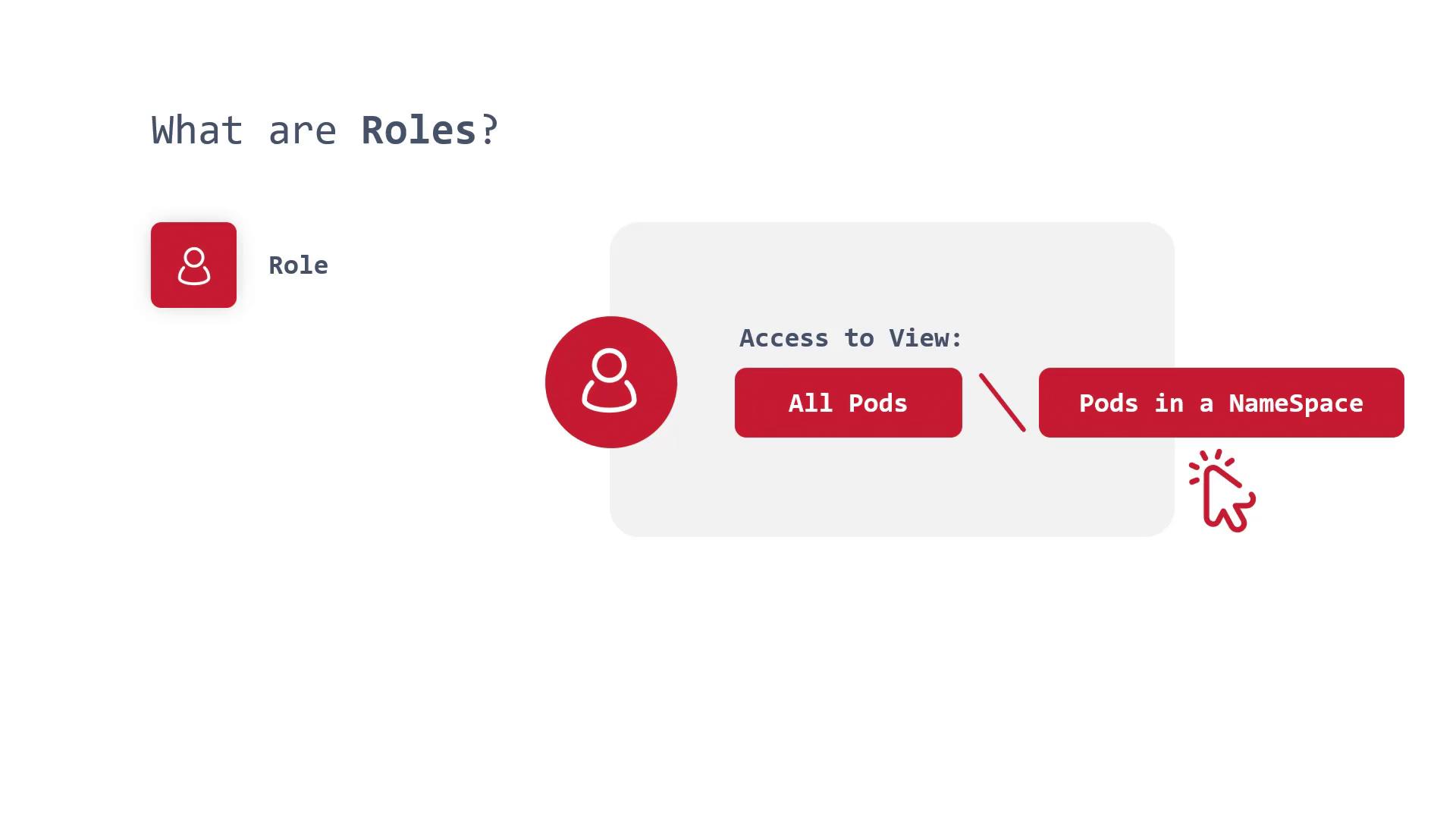
Roles define the permitted actions for users, ServiceAccounts, or groups within a specific namespace. For example, one role may allow a user to create Pods in the Sock Shop namespace, while another role might restrict access to read-only permissions.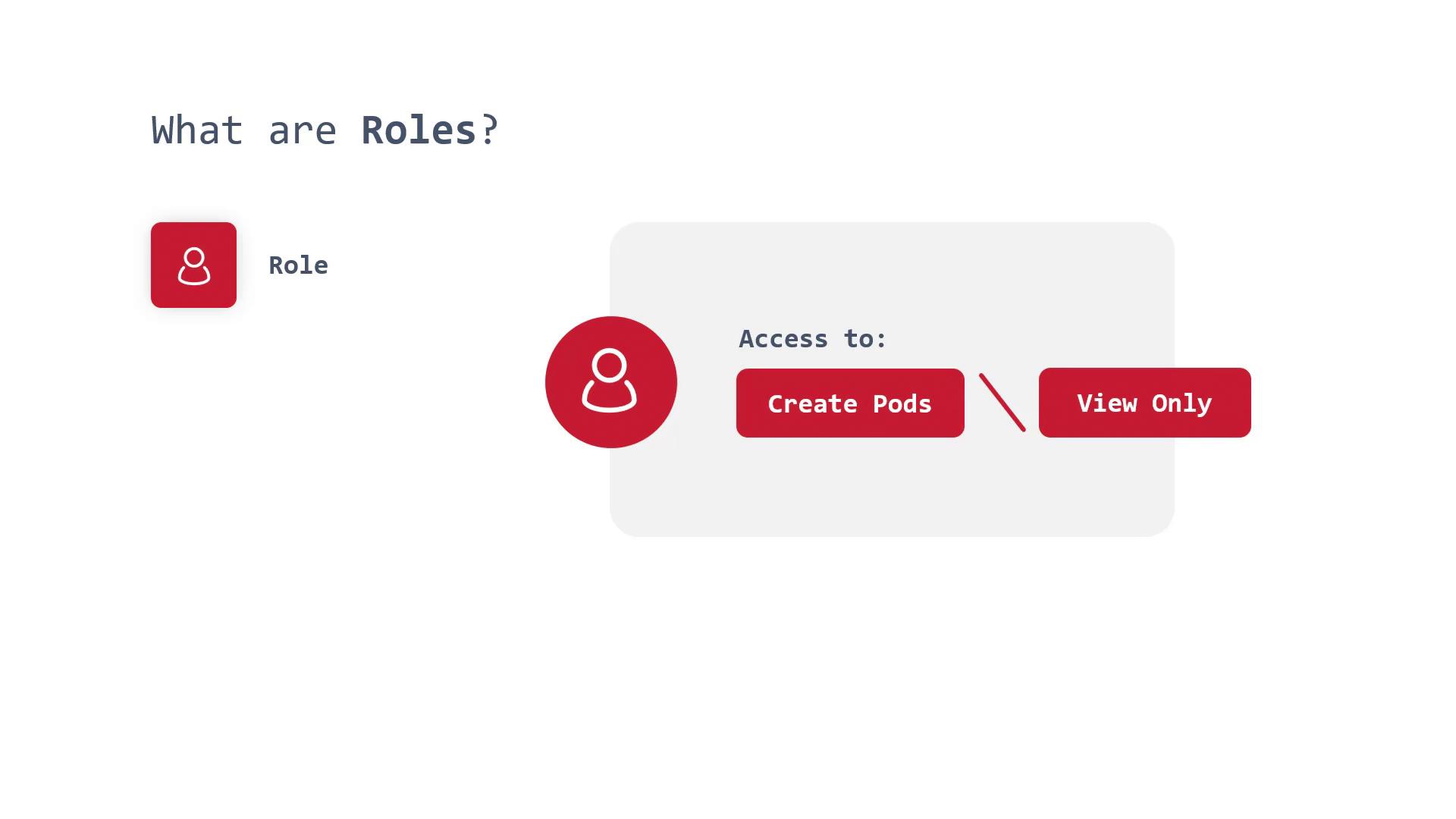
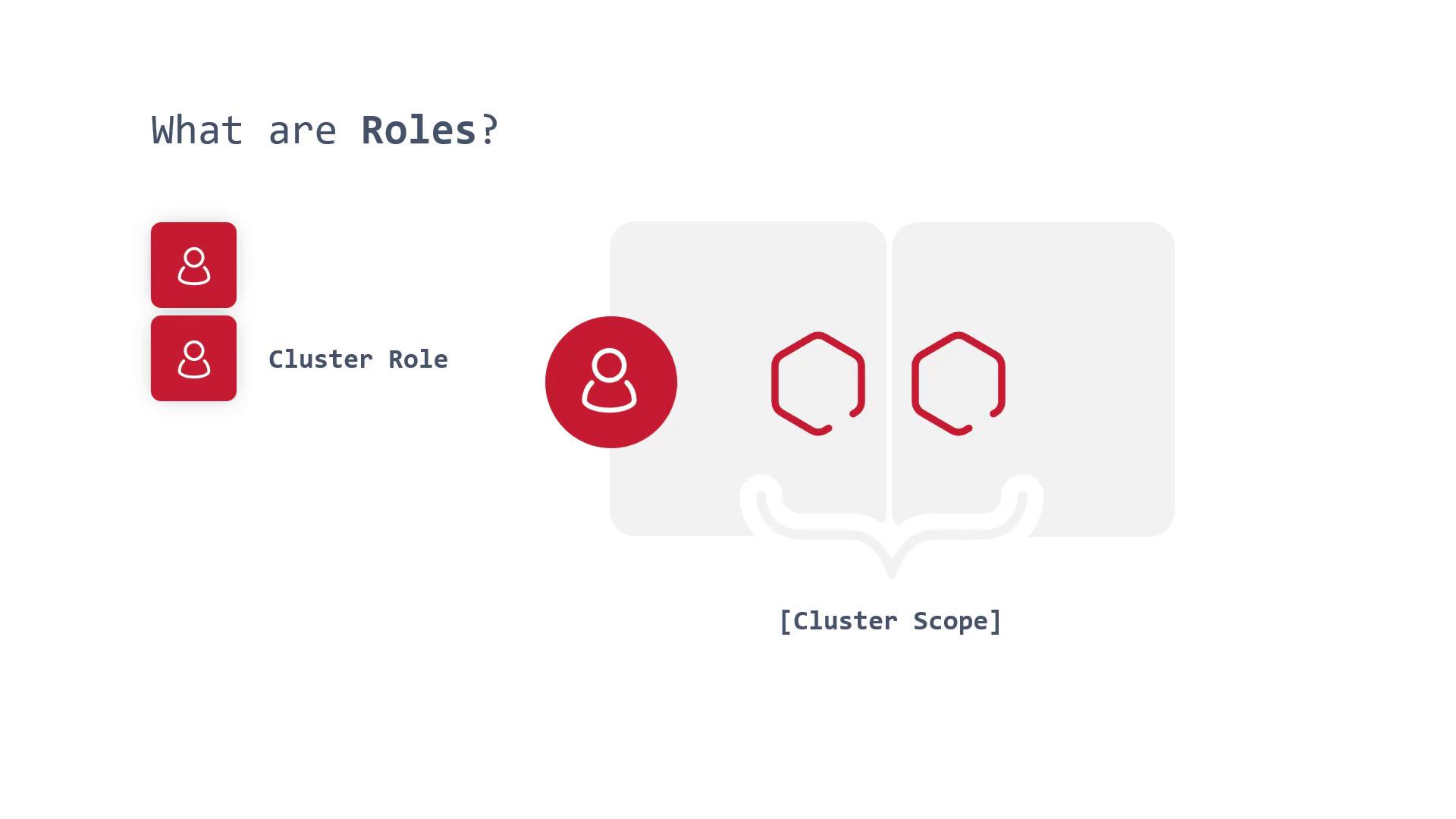
2. Cluster Roles
A cluster role provides permissions that span the entire cluster. When you see the prefix “cluster” (as in “cluster role” or “cluster role binding”), it indicates that the permissions apply globally across all namespaces.