

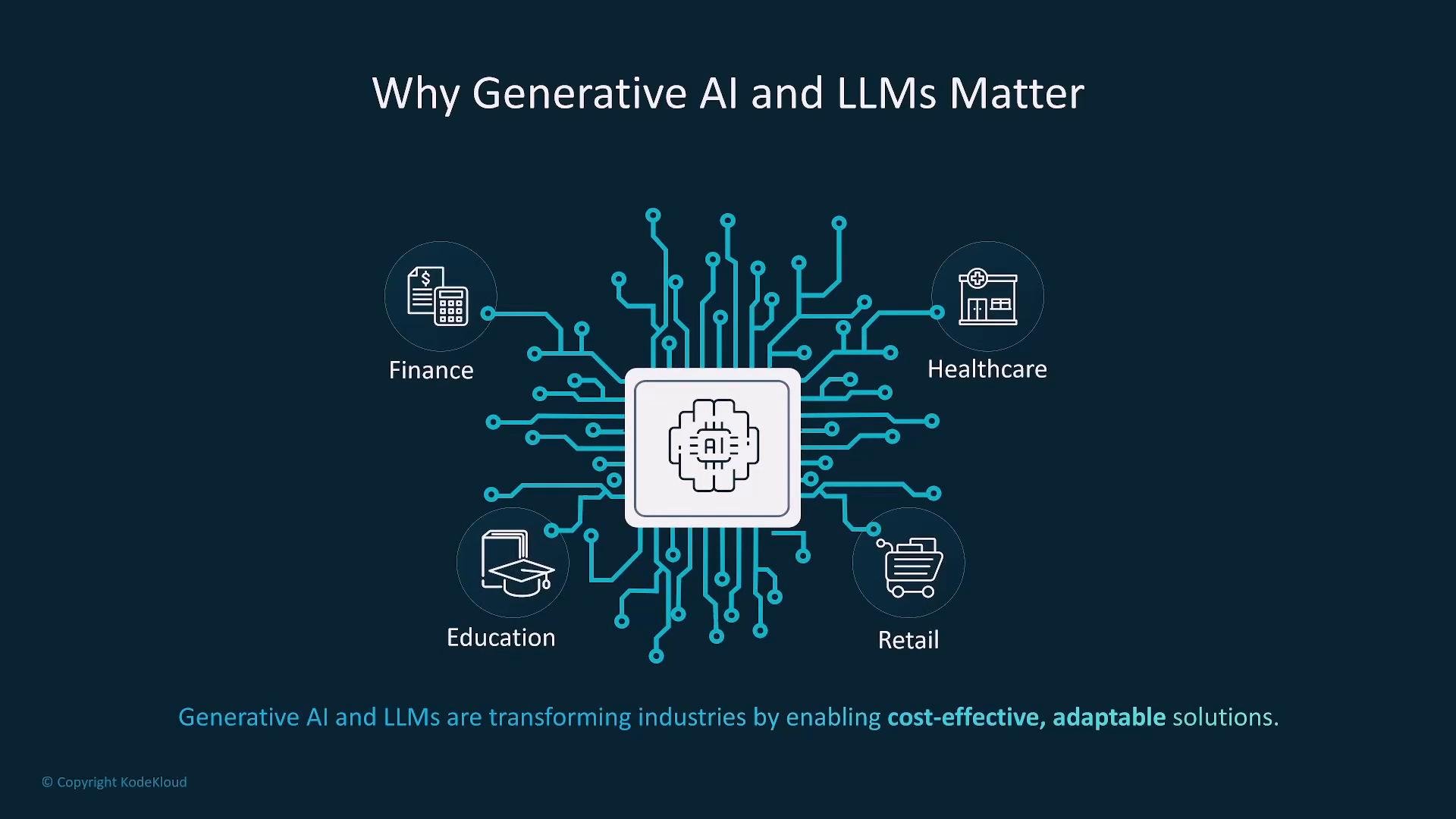
- Lower development effort and costs compared with building task-specific ML from scratch.
- Transfer learning from large pre-trained models accelerates domain adaptation.
- Flexible tooling: prompt engineering, fine-tuning, and retrieval methods let teams tailor behavior without a complete model rebuild.
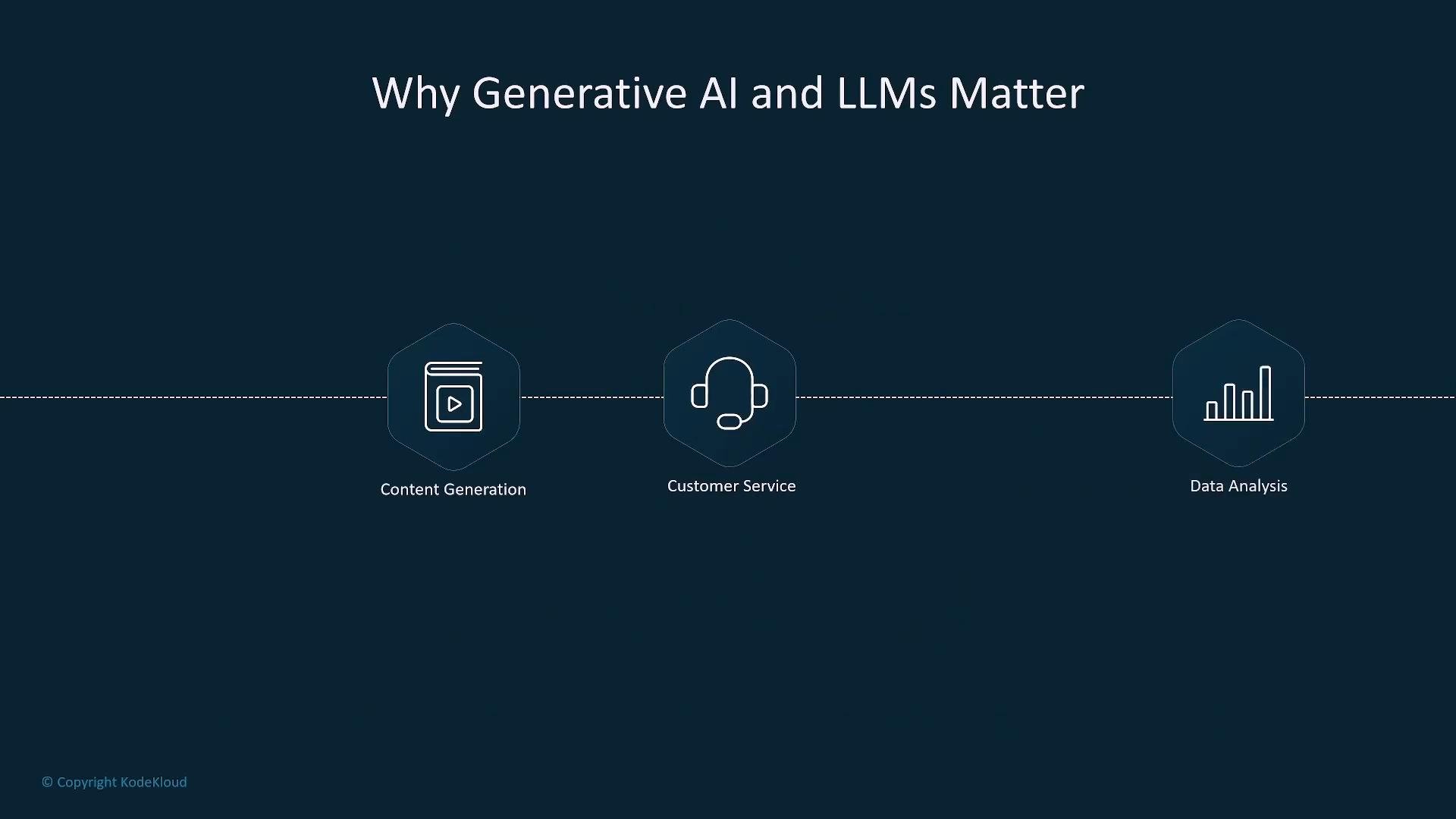
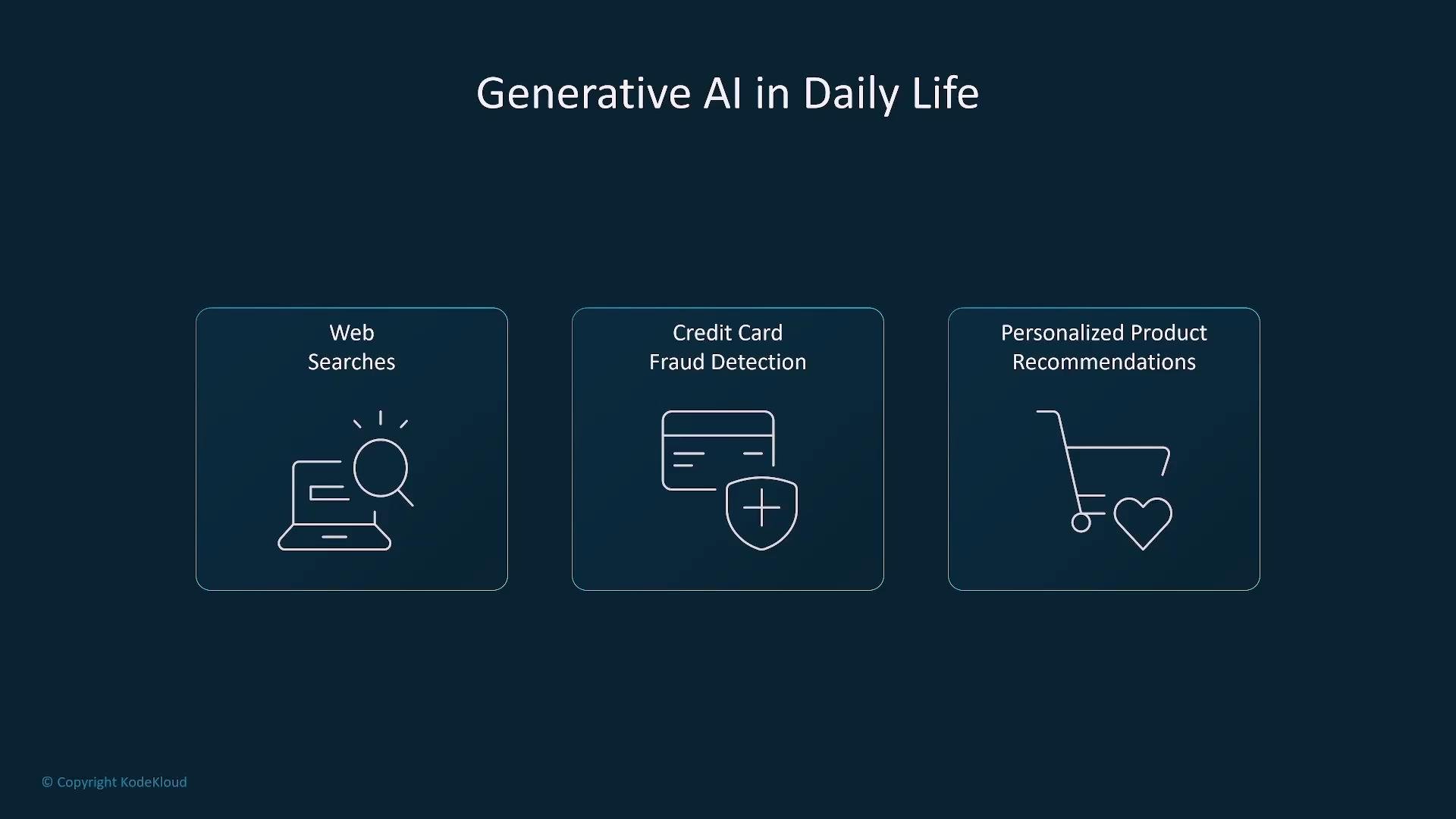
- Search ranking, fraud detection, and personalized recommendations are common production examples of ML tailoring user experience.
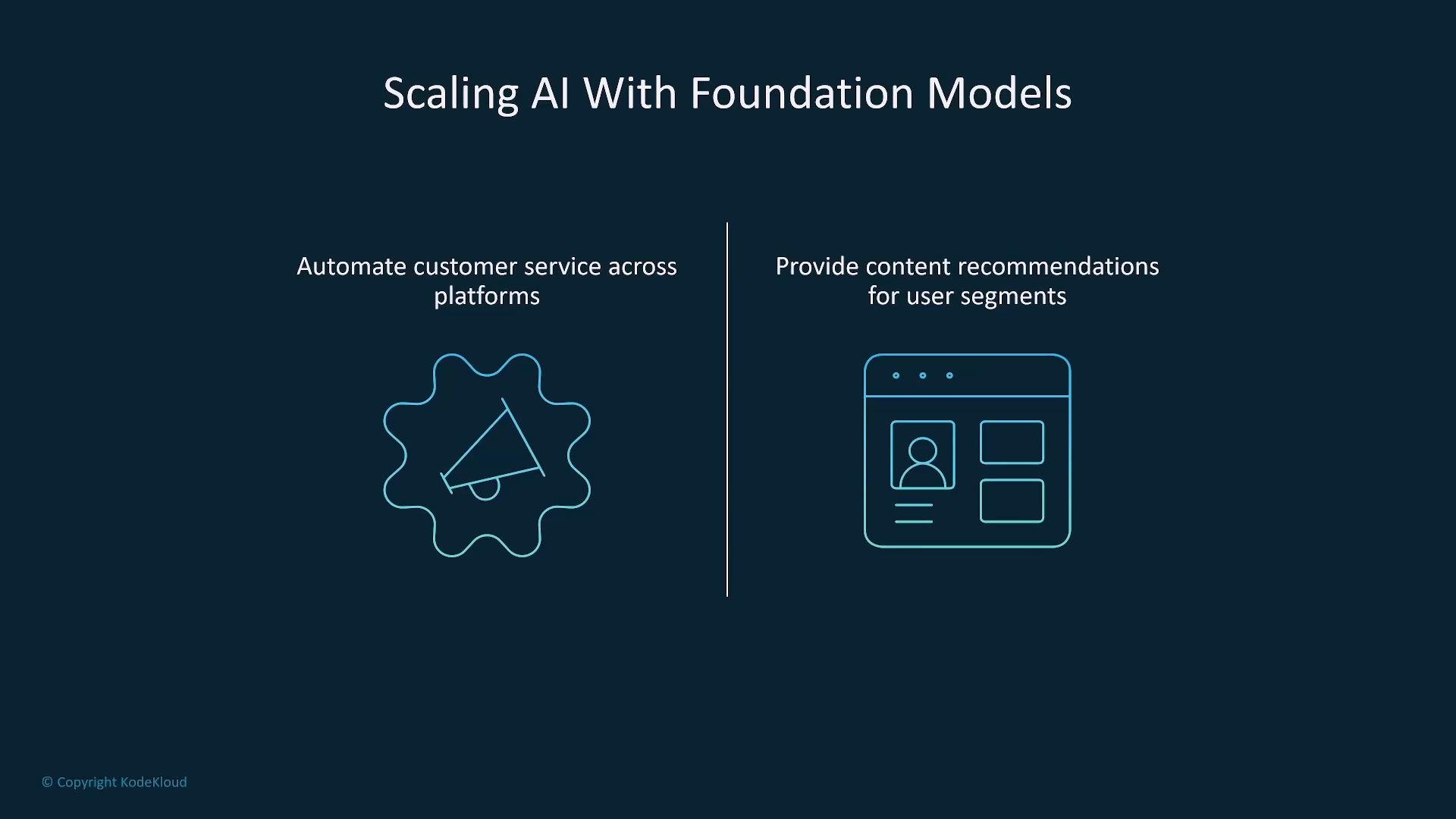
- E-commerce product recommendations, automated ticket triage, and content summarization reduce manual effort and time-to-insight.
Start small: focus on one clear user problem, measure business value (e.g., time saved, conversion uplift), and instrument metrics before expanding the scope of AI integration.
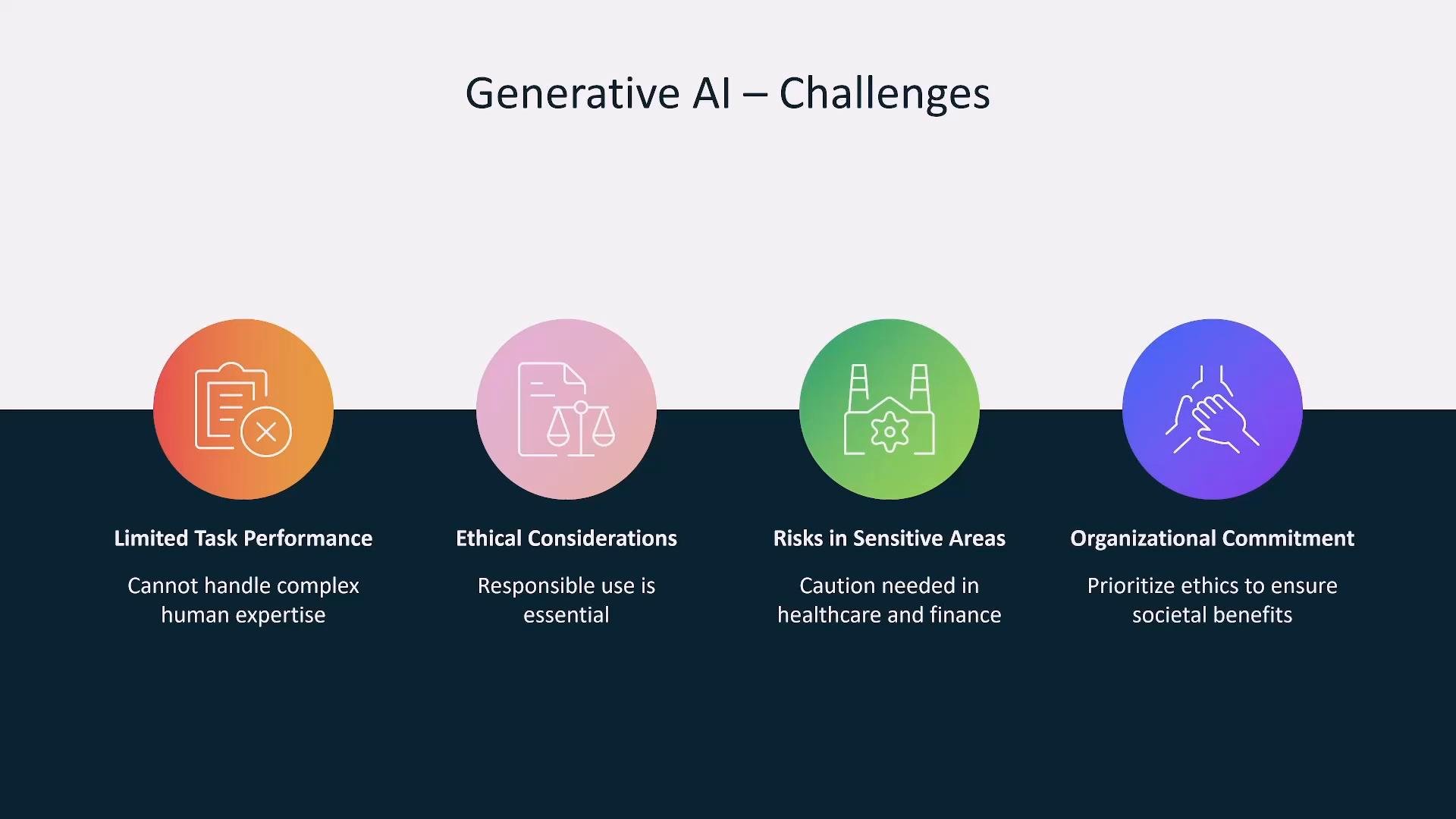
- Task scope: LLMs excel at language reasoning and pattern completion but lack inherent domain expertise or human intuition. Domain-specific training data, rules, or guardrails are required for high-stakes fields (healthcare, legal, finance).
- Ethics and values: Models do not automatically share societal values. Responsible behavior must be introduced through data selection, system prompts, policy layers, and human oversight.
- Privacy and safety: Models can memorize portions of training data and may reveal sensitive content unless you implement data filtering, redaction, or policy control mechanisms.
- Prompts should be explicit, contextual, and include clear instructions and examples for the task.
- For binary classification tasks (e.g., “Is this email a complaint?”), off-the-shelf LLMs may fail on subtle signals unless you provide examples, few-shot prompts, or fine-tune the model.
- Fine-tuning (including supervised fine-tuning and techniques like reinforcement learning from human feedback) helps teach task-specific distinctions and reduces unwanted behaviors.
Use supervised fine-tuning or RLHF when you need consistent, high-stakes behavior. Combine fine-tuning with testing on adversarial examples to ensure robustness.
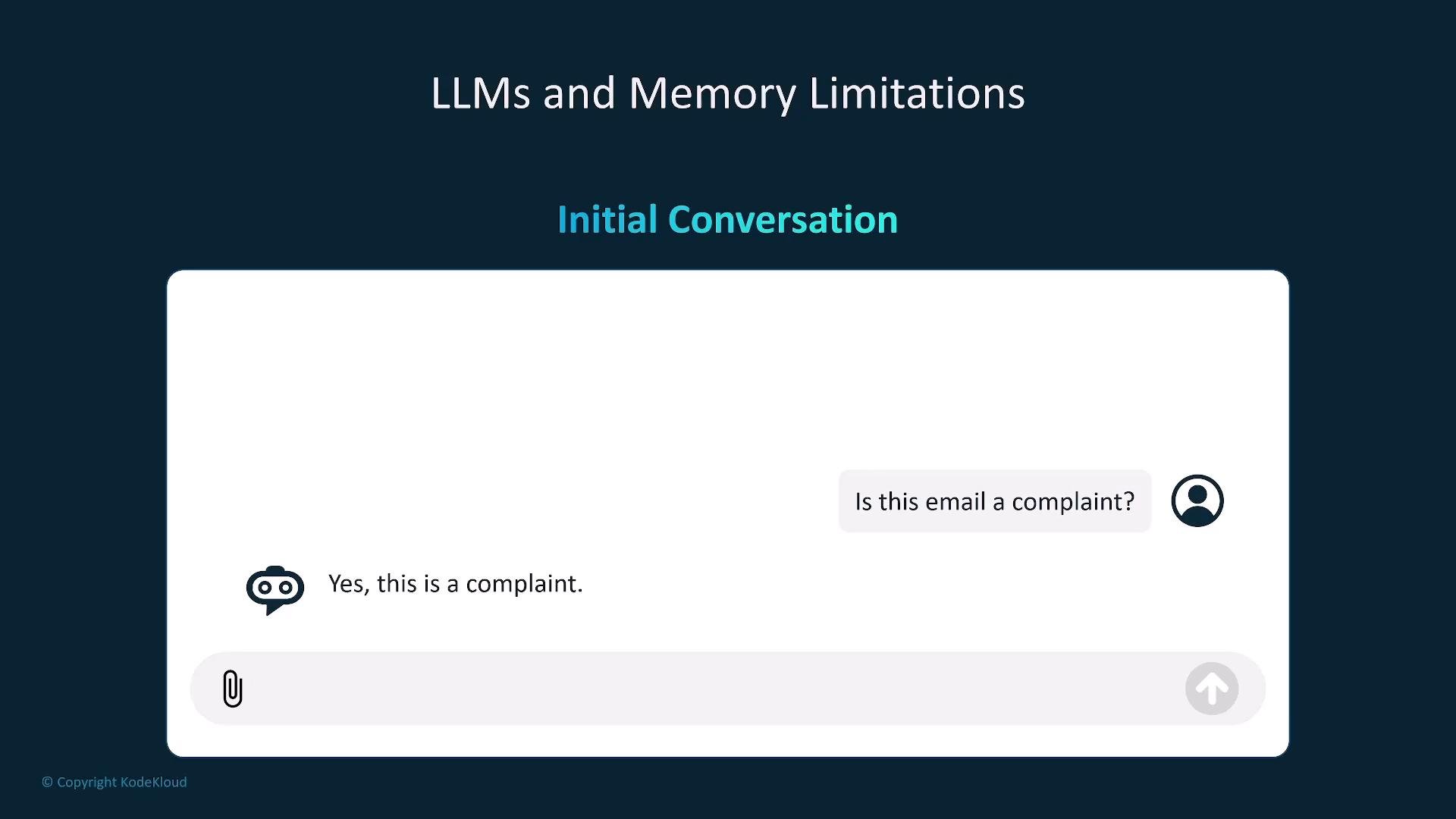
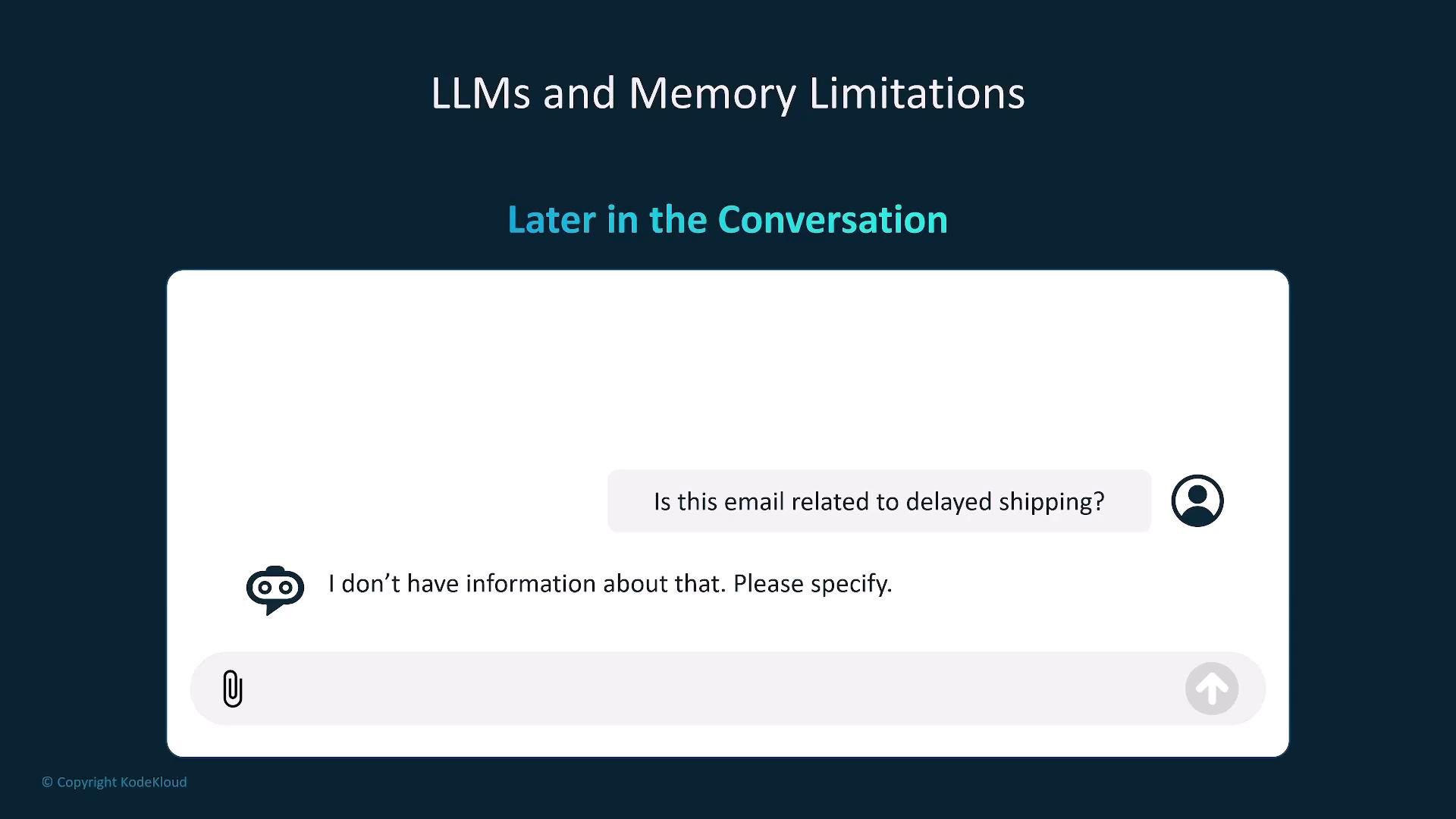
- Context window: LLMs can reason only over tokens in the current input. They do not retain long-term memory across unrelated requests unless you implement persistence.
- Persistence strategies: retrieval-augmented generation (RAG), database-backed conversation histories, or explicit memory stores let you persist and retrieve relevant context across sessions. See this RAG primer for more details: https://learn.kodekloud.com/user/courses/fundamentals-of-rag.
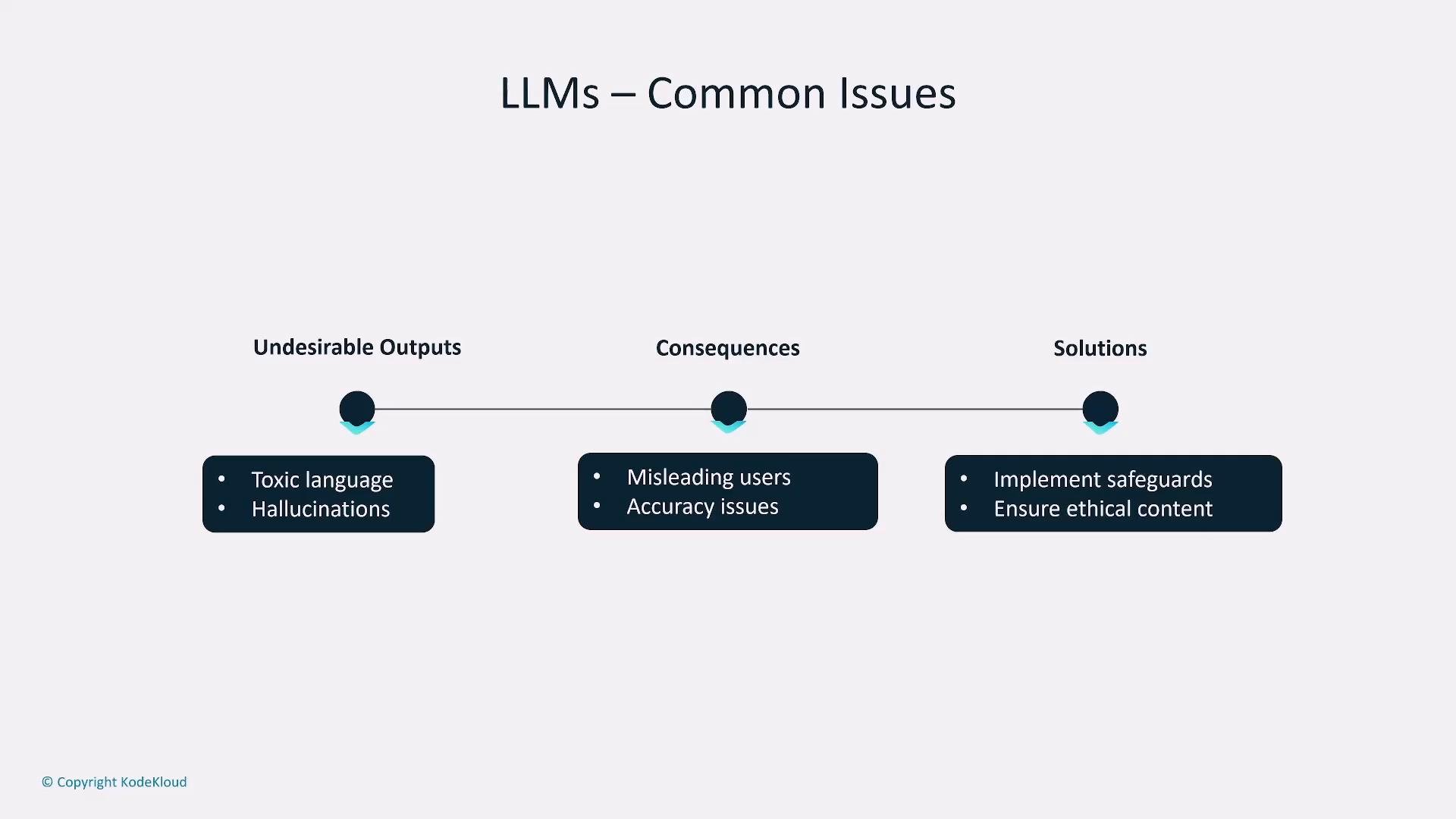
- Hallucinations: models can generate plausible but incorrect or fabricated content. Frequency varies by model and task.
- Toxic or unsafe outputs: without filtering and alignment, models may produce offensive or harmful responses.
- Inaccurate or misleading advice: dangerous in high-stakes domains.
- Human-in-the-loop review for critical outputs.
- Content filtering and safety layers to block unsafe content.
- Use retrieval to ground responses in verified sources (RAG).
- Confidence scoring and fallback flows to escalation when the model is uncertain.
- Domain-specific fine-tuning and post-processing to correct repeated errors.
Do not deploy generative models into production without safety tests, access controls, and monitoring. For regulated or high-risk use cases, require human review and clear escalation procedures.
- Use task-appropriate automated metrics alongside human evaluation.
- Common metrics:
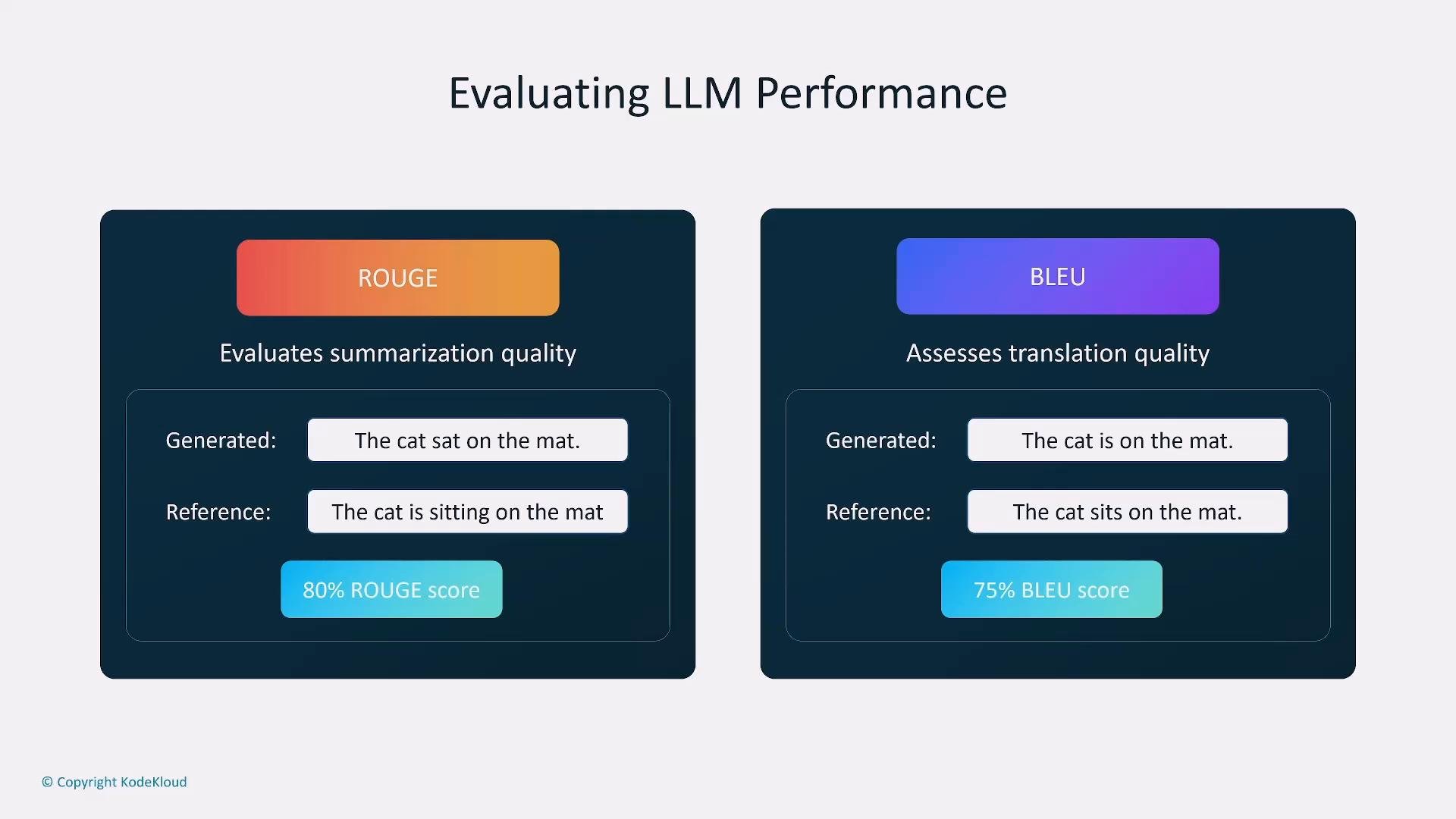
- Summarization: ROUGE measures overlap between generated and reference summaries.
- Translation: BLEU compares n-gram overlap between candidate and reference translations.
- Automated metrics are useful for rapid iteration but are imperfect; human judgment is often required for final quality assessment.
Illustrative example:
- Reference: “Cat’s on the mat.”
- Candidate: “Cat is sitting on the mat.” — may score well on ROUGE for summarization though wording differs.
- Match model families to tasks and data availability. Consider architecture, compute costs, and the quality required by the application.
- Incorporate human labeling and preference data (for example, RLHF) to align the model to desired behaviors: helpfulness, honesty, and safety.
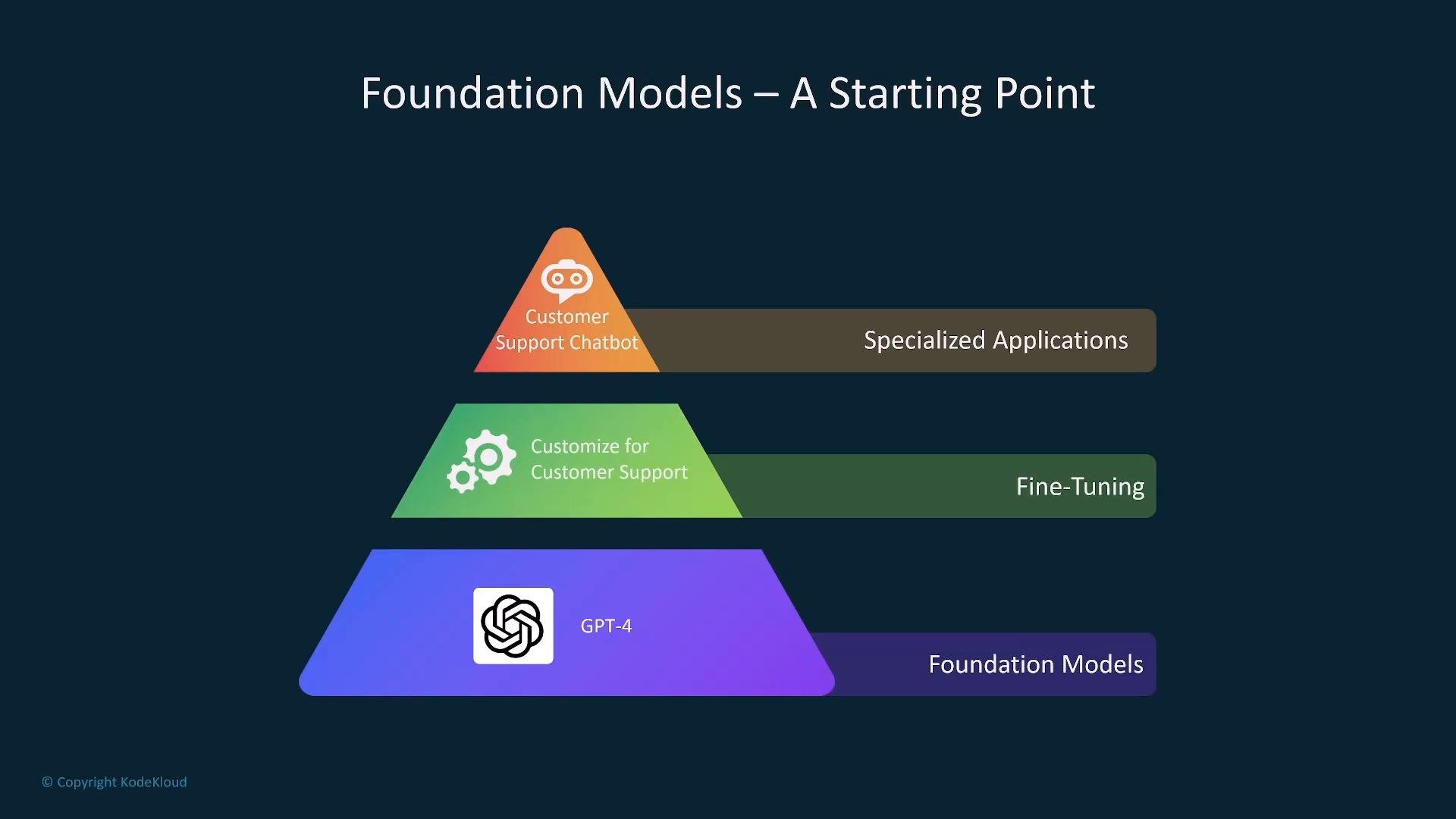
- Best practice: start from a strong foundation model, fine-tune for the specific domain and user expectations, and validate with both automated and human tests.
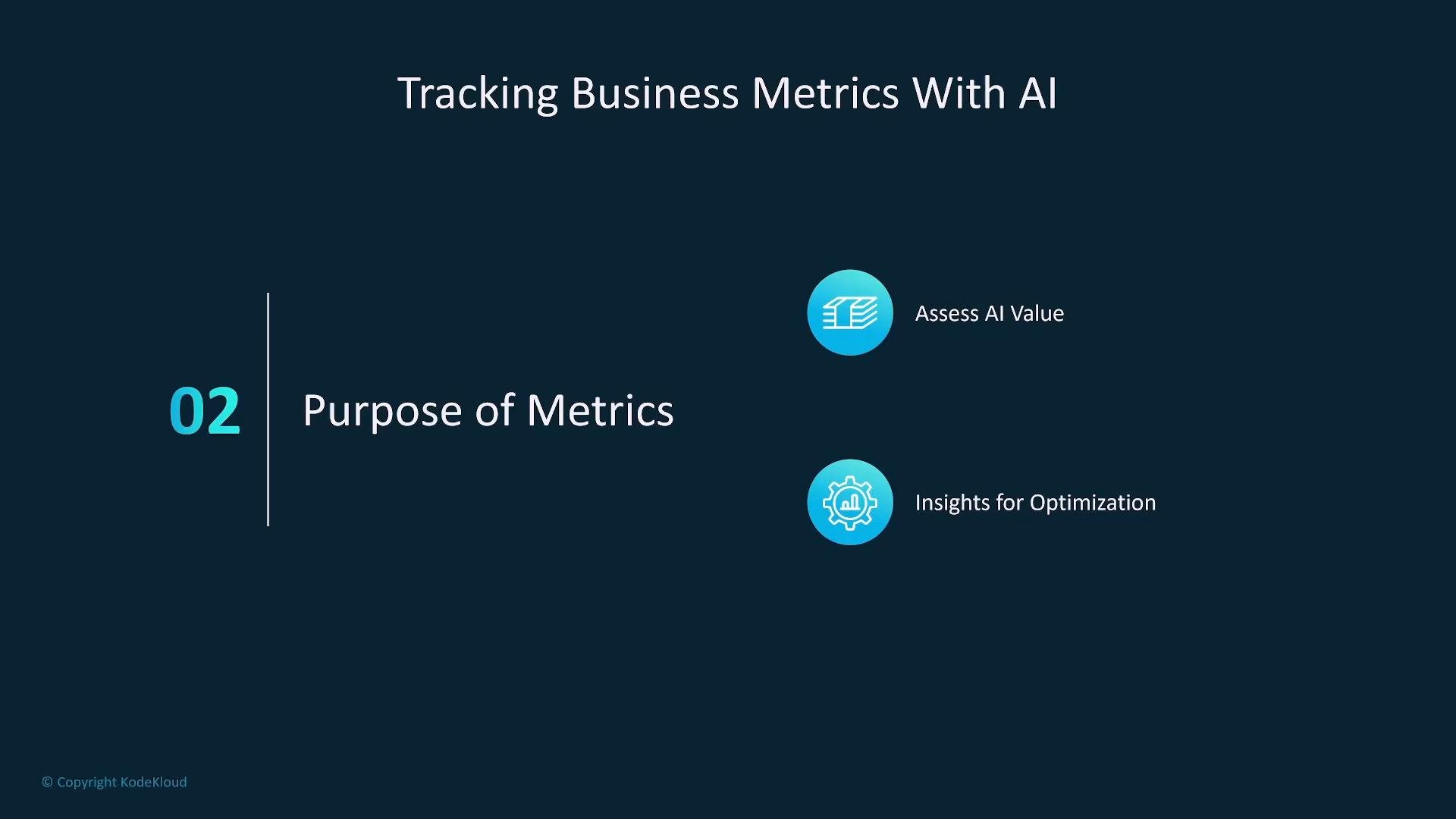
- Instrument metrics that measure business value and model quality:
- Task accuracy, conversion uplift, cost per query, and user satisfaction.
- Relevance, coherence, and factual accuracy for content outputs.
- Use A/B testing and continuous monitoring to detect drift or regressions and trigger retraining or policy updates.
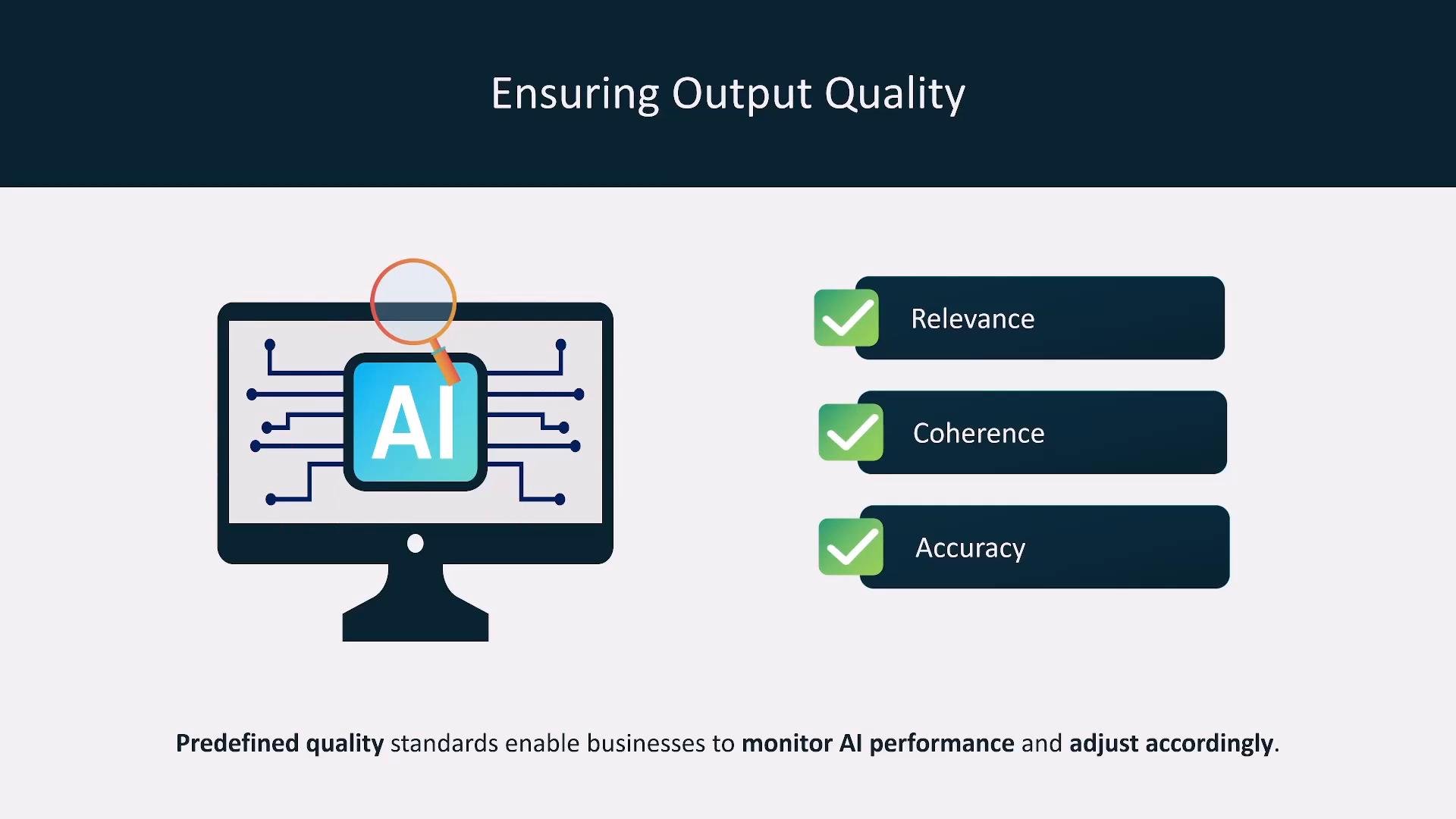
- Ensure outputs are relevant and meet user needs by defining success criteria and automated monitoring (alerts for low confidence, unusual outputs, or KPI drops).
- Orchestration: foundation models can be combined across agents and platforms to automate workflows (e.g., multi-channel support, personalized content pipelines).
- Scaling considerations include prompt design, context management, monitoring, governance, and cost optimization — not just infrastructure.
- Choose the right model family for your task (text vs. image vs. structured prediction).
- Add domain adaptation: fine-tuning, prompts, or retrieval to ground outputs.
- Persist and retrieve context for multi-turn experiences (RAG or explicit memory).
- Implement safety layers: filtering, human review, and escalation paths.
- Define and monitor KPIs: accuracy, user satisfaction, cost per query, and drift detection.
- Start small, iterate, and scale once metrics and safety guarantees meet your requirements.