What Is Code Coverage?
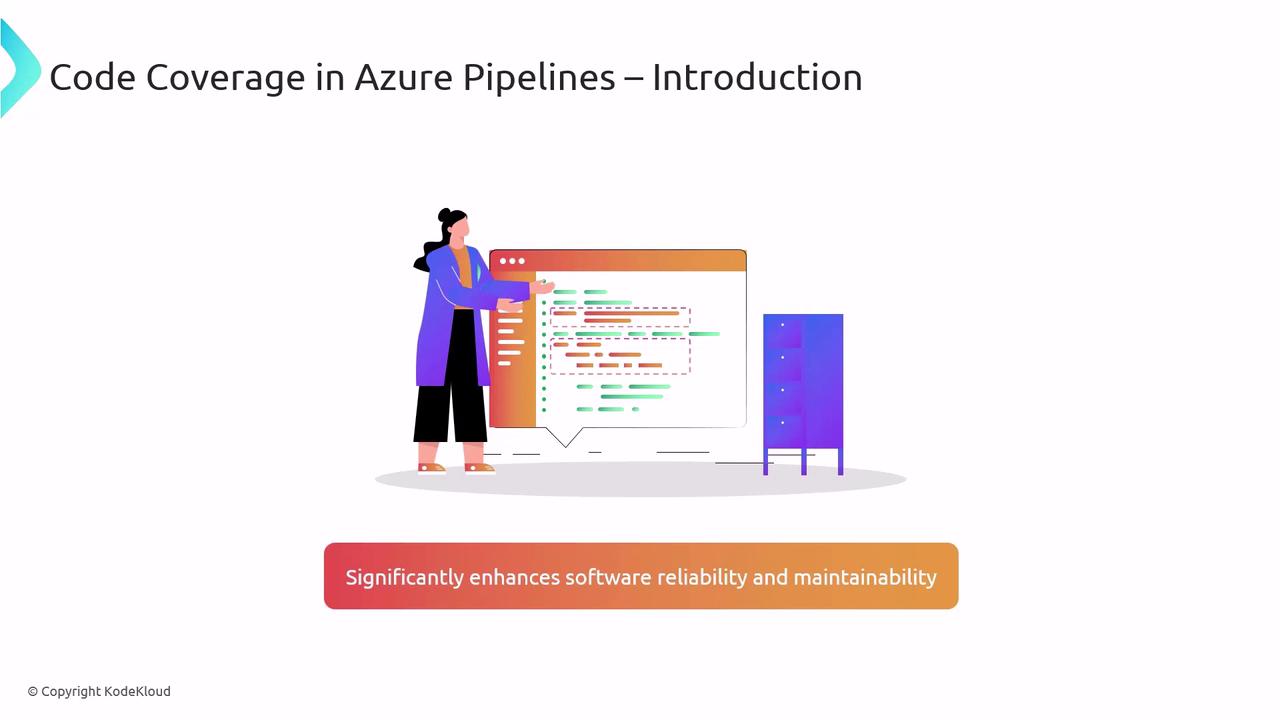
Code coverage is a metric that shows the proportion of your source code executed during test runs. By highlighting untested regions, it helps you:- Identify missing tests
- Prevent regressions
- Increase confidence in deployments
Types of Code Coverage
Understanding different coverage metrics lets you choose the right level of testing rigor:Branch and path coverage provide deeper insight into complex logic but can be more challenging to achieve.

Integrating Coverage in Azure Pipelines
A robust CI/CD pipeline typically follows these steps:- Run tests to execute your code paths
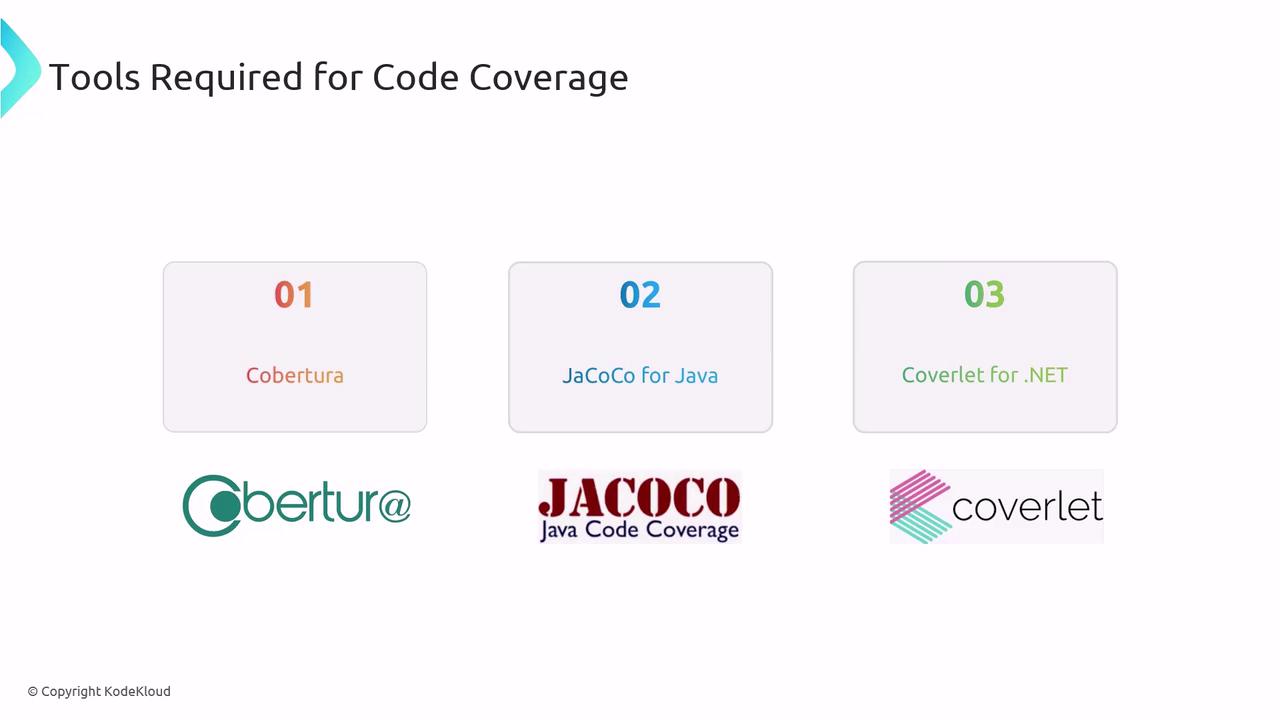
- Collect coverage metrics from test reports
- Publish results to your pipeline dashboard
Viewing and Analyzing Coverage Reports
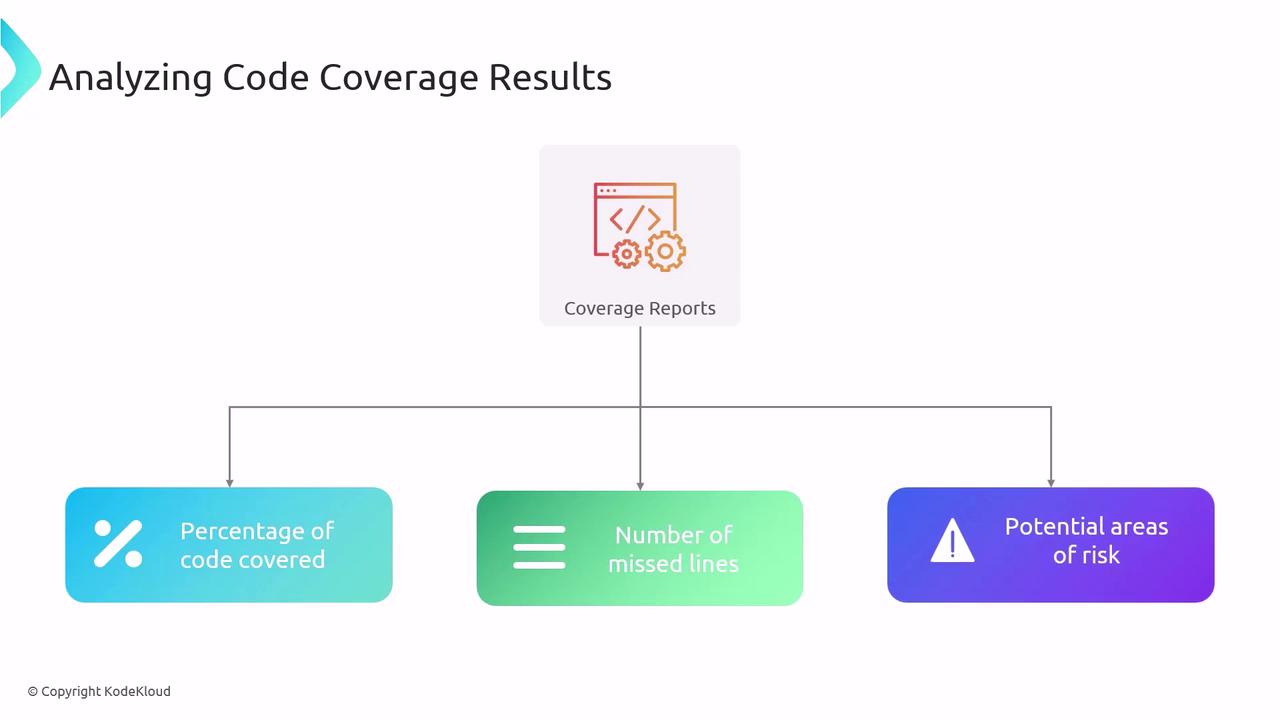
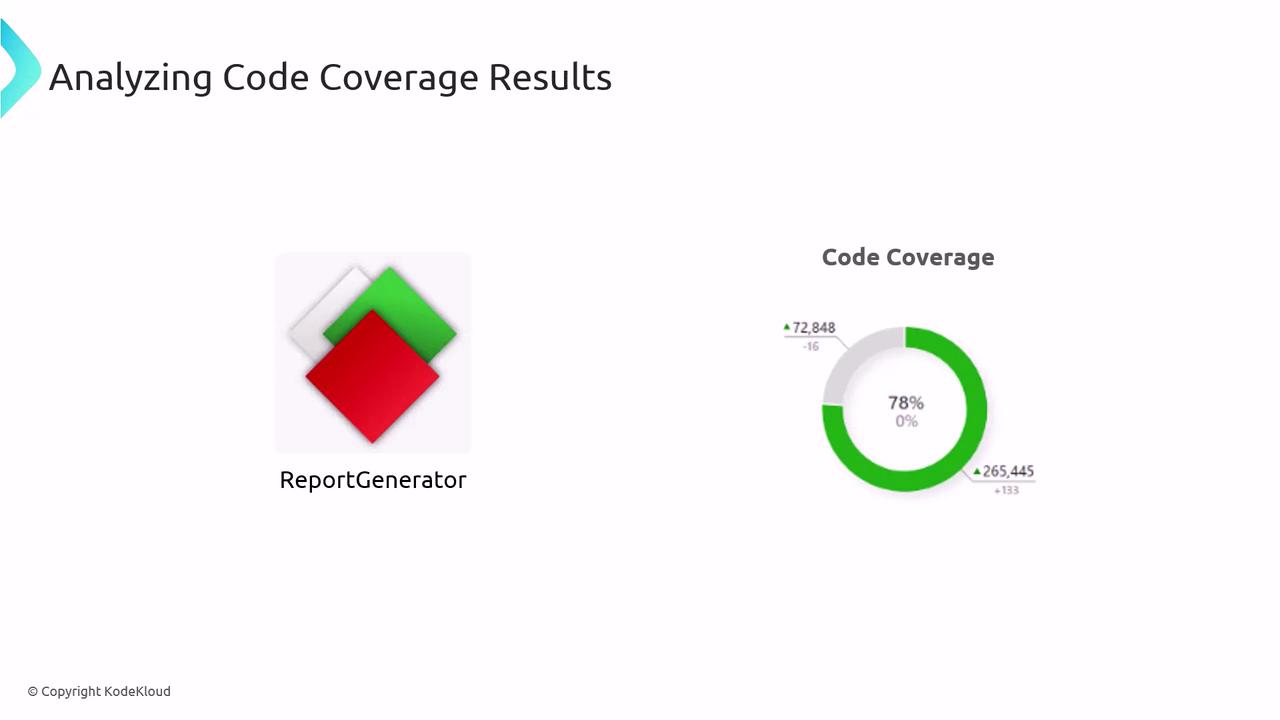
Once the pipeline finishes:- Check the Summary tab for overall coverage percentages
- Open the Code Coverage tab for detailed reports, including missed lines and risk areas
- Download raw data for offline review or integration with other tools
Best Practices
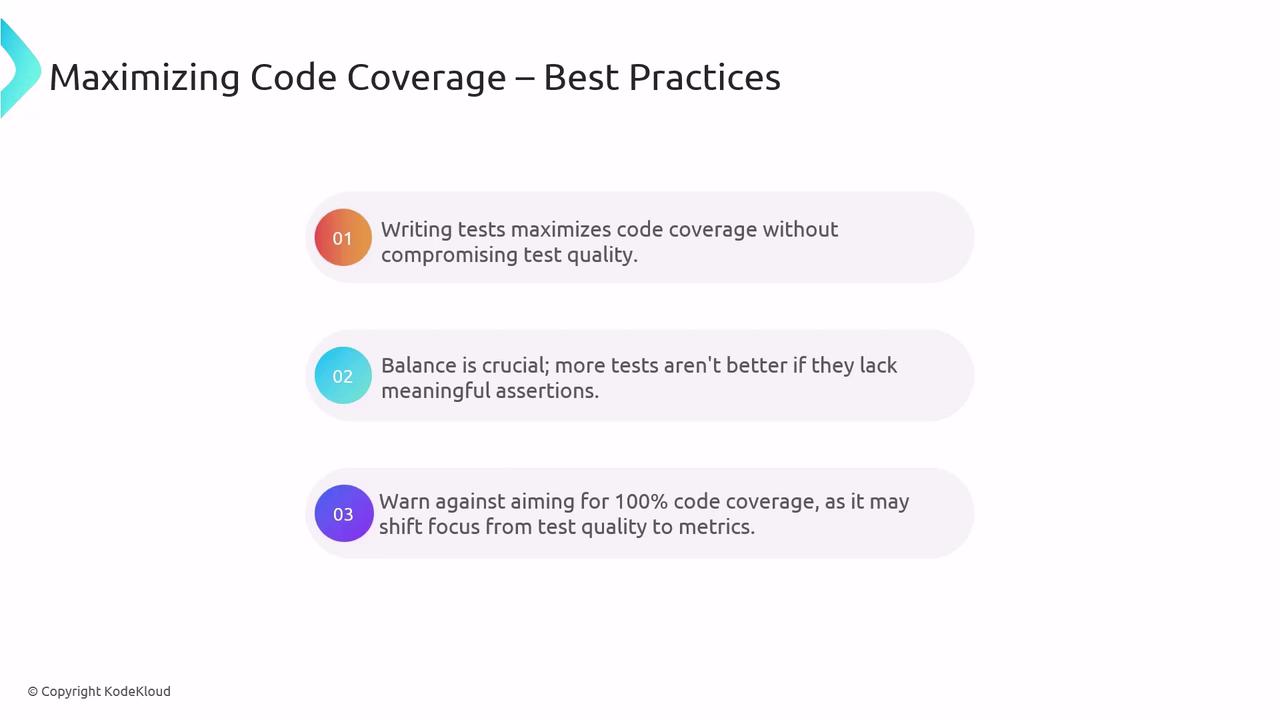
- Prioritize meaningful tests over sheer coverage percentages.
- Avoid brittle tests by focusing on stability and maintainability.
- Use coverage thresholds strategically—don’t make 100% a hard requirement.
- Review uncovered code during retrospectives to plan new tests.
Chasing 100% coverage can lead to overly complex or low-value tests. Focus on critical paths and high-risk modules instead.