

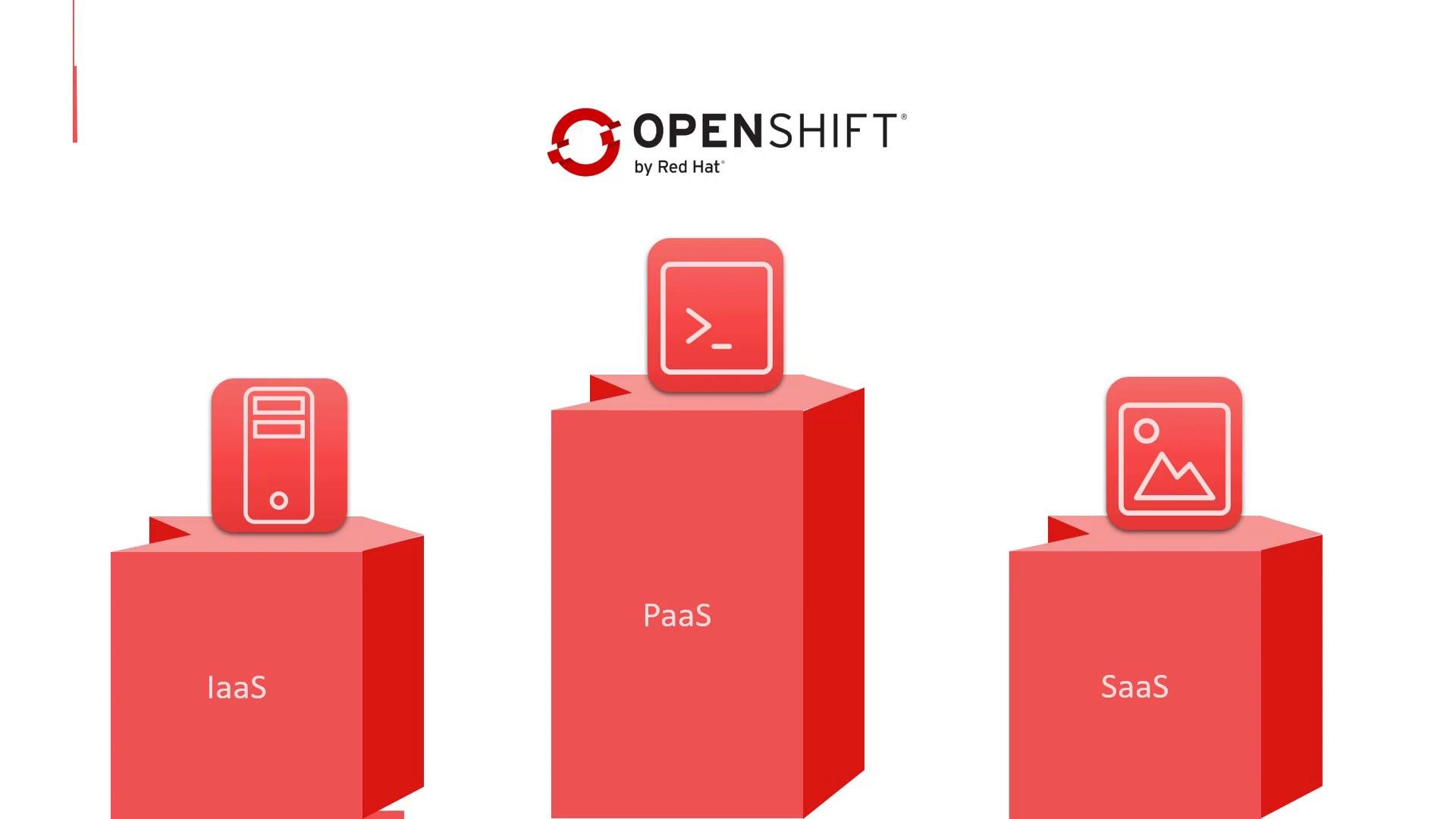
- OpenShift is available in multiple distribution and delivery models to fit different organizational needs:
Core technologies that power OpenShift
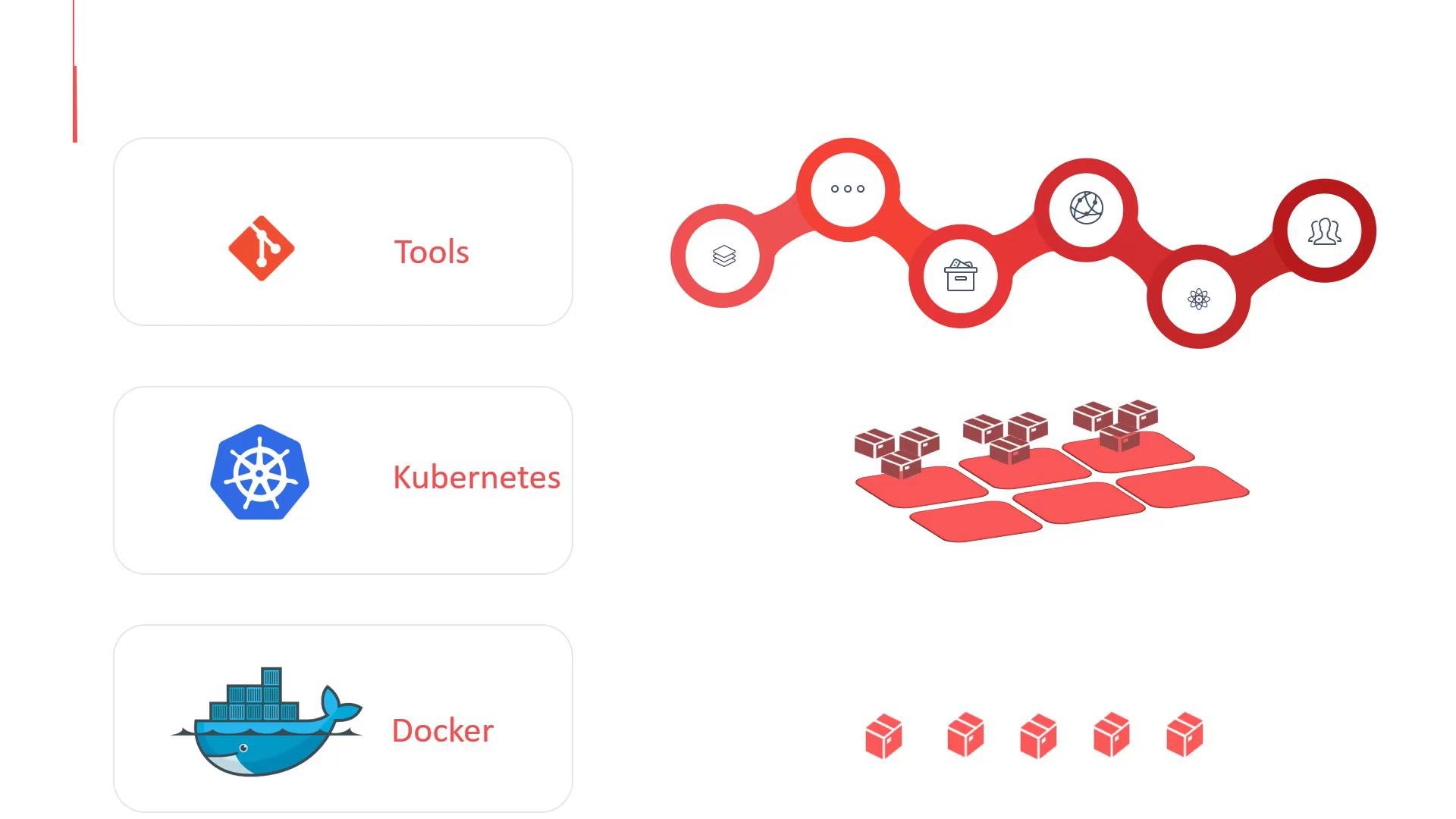
OpenShift builds on container runtimes and Kubernetes and adds developer and operator-centric tooling:
- Container runtimes and images: tools like Docker and CRI-O enable packaging applications, dependencies, and settings into OCI-compatible container images for consistent deployment.
- Kubernetes: the de facto orchestration layer that schedules, scales, and heals containers across a cluster.
- OpenShift: provides higher-level constructs and integrated tooling on top of Kubernetes — CI/CD, image registries, developer workflows, RBAC, networking, and more — to streamline development and operations.
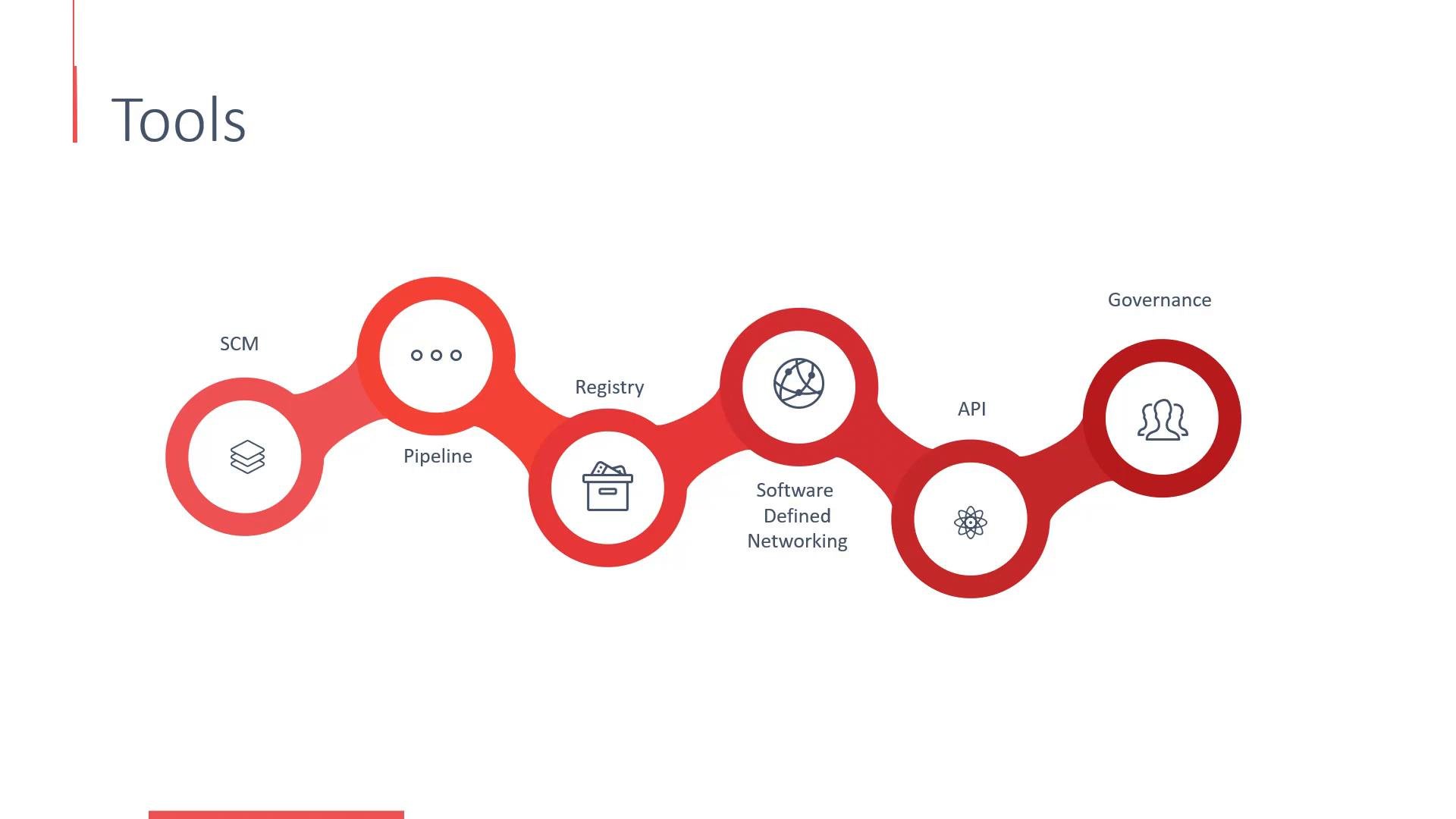
- Integrated developer experience: source control integrations (GitHub, GitLab), web console, and developer workflows to accelerate code-to-cluster delivery.
- CI/CD and build pipelines: built-in build strategies and pipeline integrations for automated build, test, and deploy stages.
- Image registry: a built-in, secure container image registry to store and manage application images.
- Software-defined networking (SDN): cluster networking and service connectivity provided out of the box.
- API-driven platform: consistent, well-documented APIs for automation and integration with external systems.
- Security and multi-tenancy: Role-Based Access Control (RBAC), projects (namespaces), and team management to control access and separate workloads.
- Docker Training Course for the Absolute Beginner
- Kubernetes for the Absolute Beginners - Hands-on Tutorial
If you plan to follow the hands-on portions of this course, prior familiarity with basic Linux commands, Git, Docker (or another container runtime), and Kubernetes concepts will be helpful.