

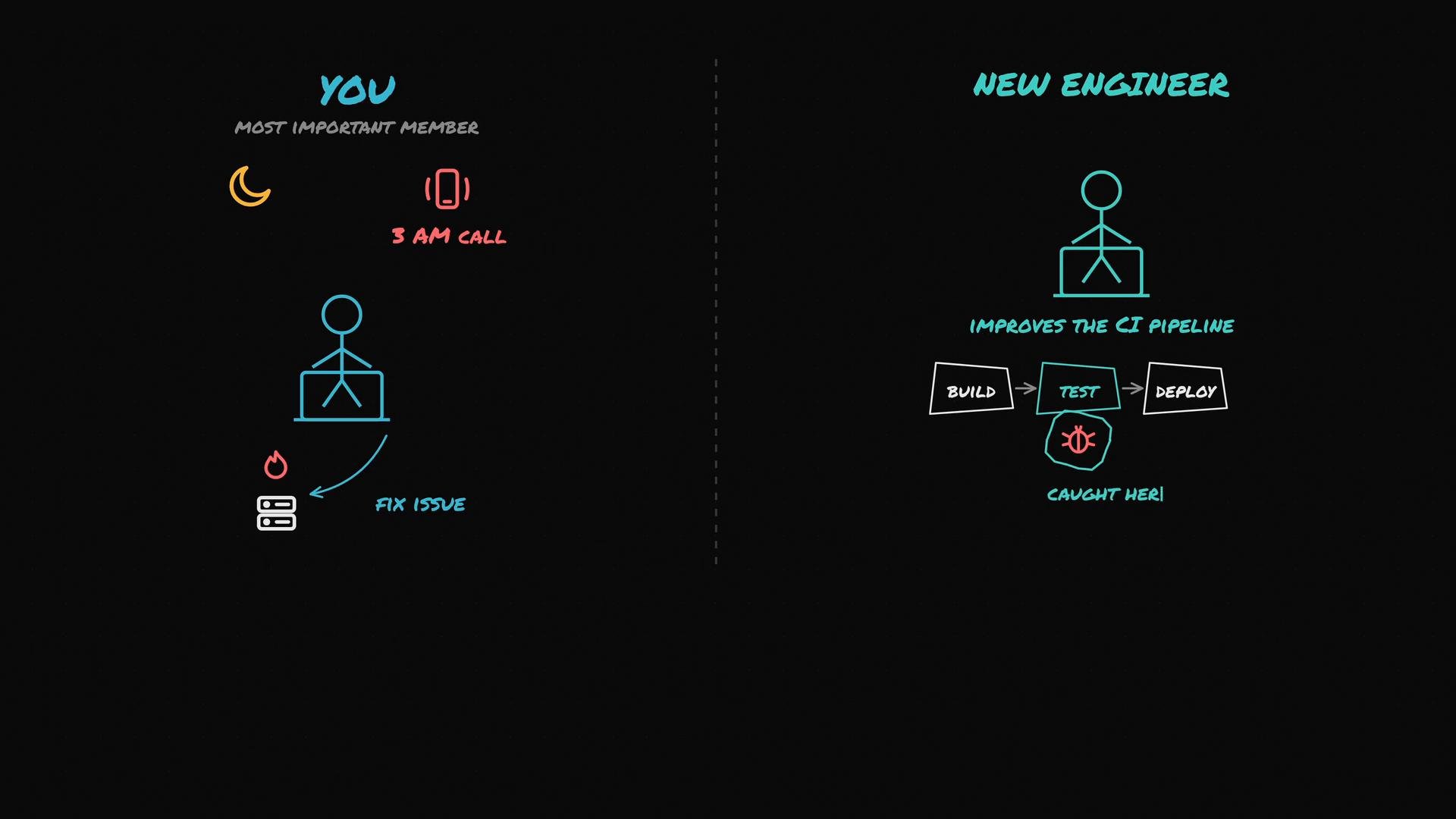
- What was the root cause?
- Can this class of failure be detected earlier (tests, monitoring, alerts)?
- Can detection or remediation be automated?
- Who must be involved to implement the change?
- What are small, incremental steps to prevent recurrence?
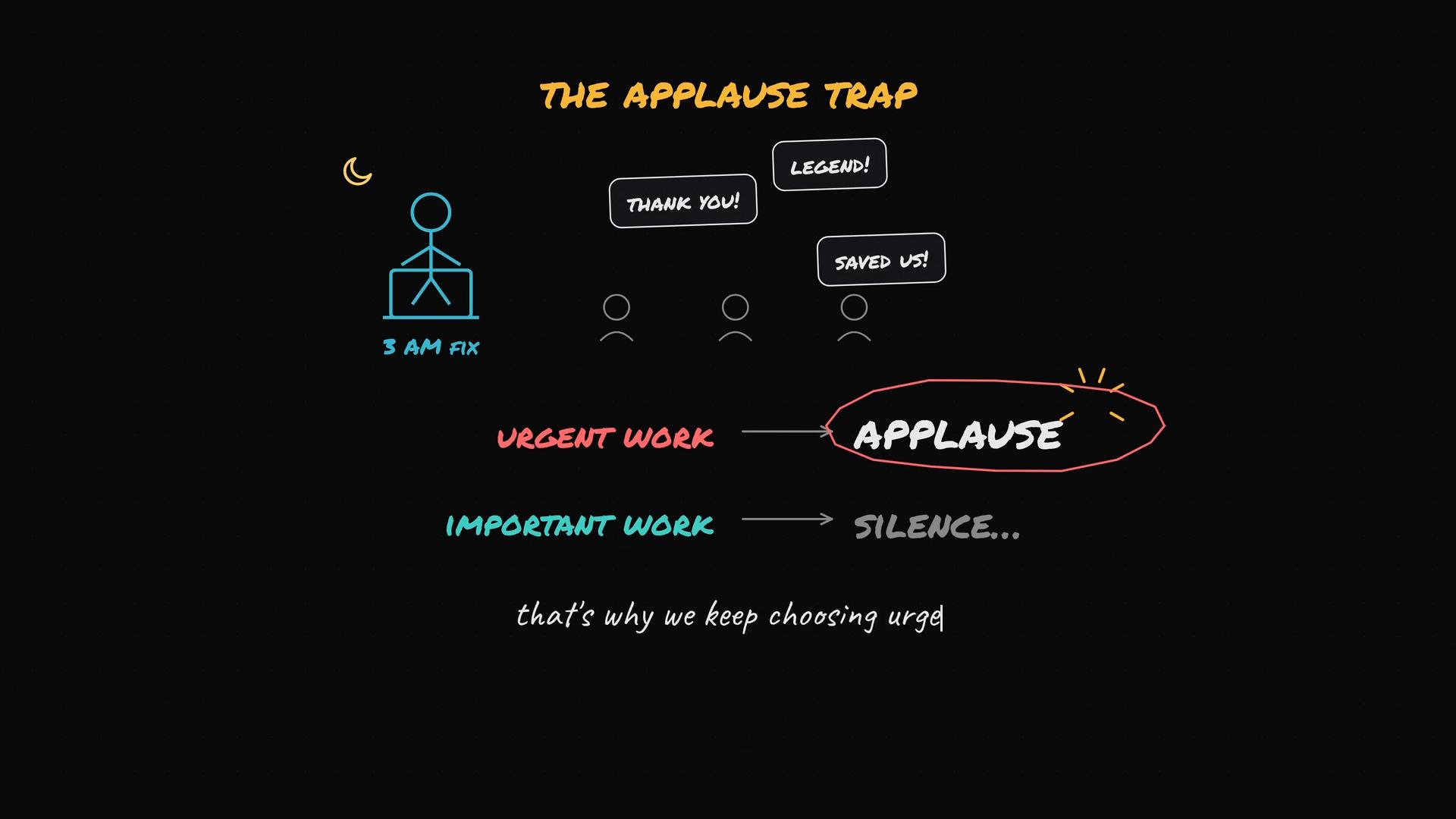
After an incident, a short, focused postmortem and an action plan are often more valuable than the heroic fix itself. Schedule follow-ups and track the resulting tasks.
- Block 30 minutes immediately after the incident for triage and notes.
- Create a brief postmortem: timeline, root cause, and impact.
- Identify one automated detection and one small remediation step.
- Assign owners and add tasks to the next sprint or backlog with due dates.
- Measure outcomes (e.g., incident frequency, MTTR) to verify impact.
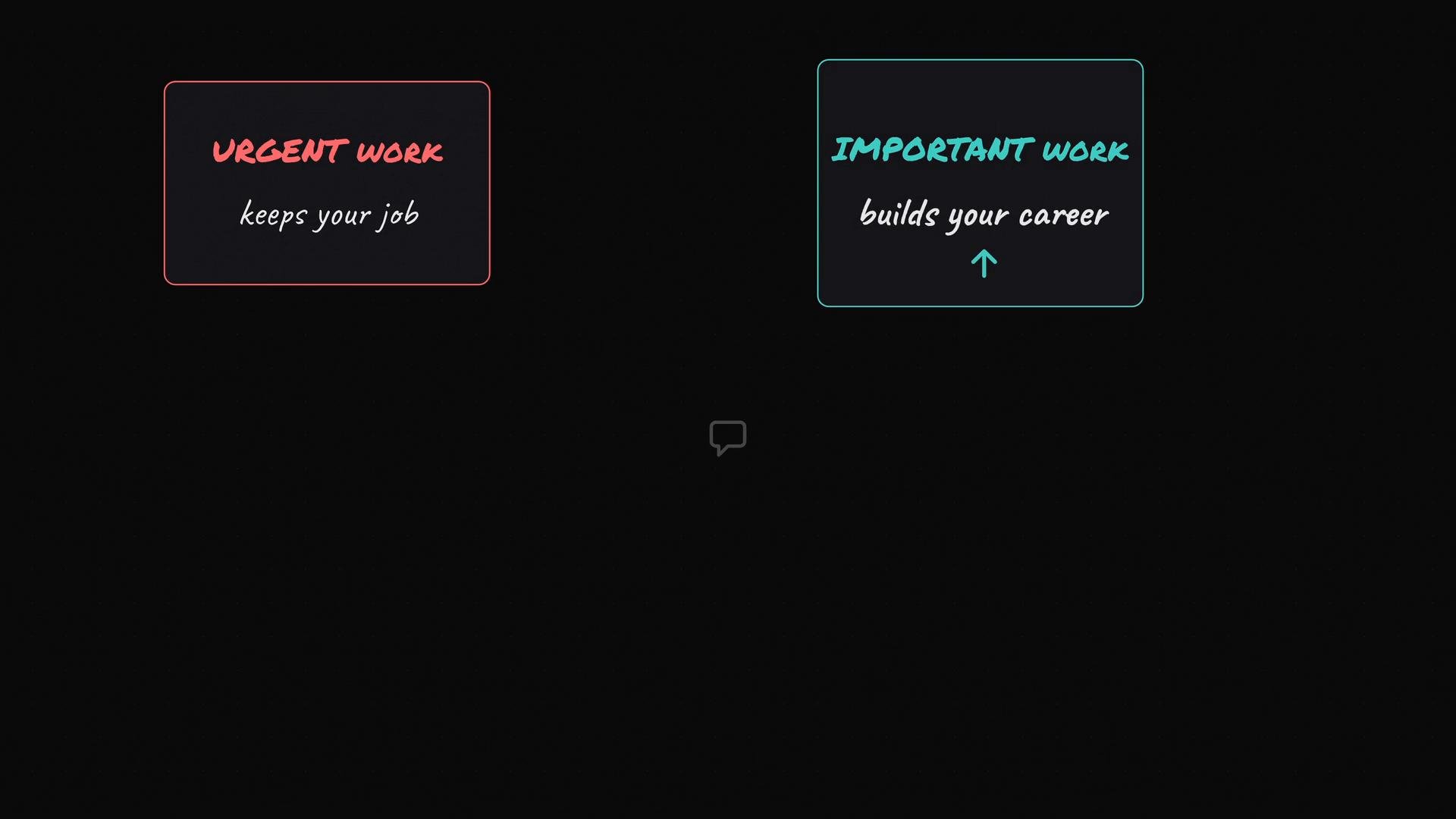
If you consistently do the follow-up questions and actions above, you’ll have fewer fires next month. Urgent work keeps your job in the short term; important work builds your career and the team’s resilience.
Now tell me in the comments: how much time do you spend on urgent tasks versus important work?
- Google SRE: Incident Response and Postmortem Best Practices — https://sre.google/workbook/incident-response/
- Eisenhower Matrix (urgent vs important) — https://en.wikipedia.org/wiki/Eisenhower_Matrix
- Practical advice on postmortems and blameless processes — https://landing.google.com/sre/ (search “postmortem”)