

How NGINX is commonly used
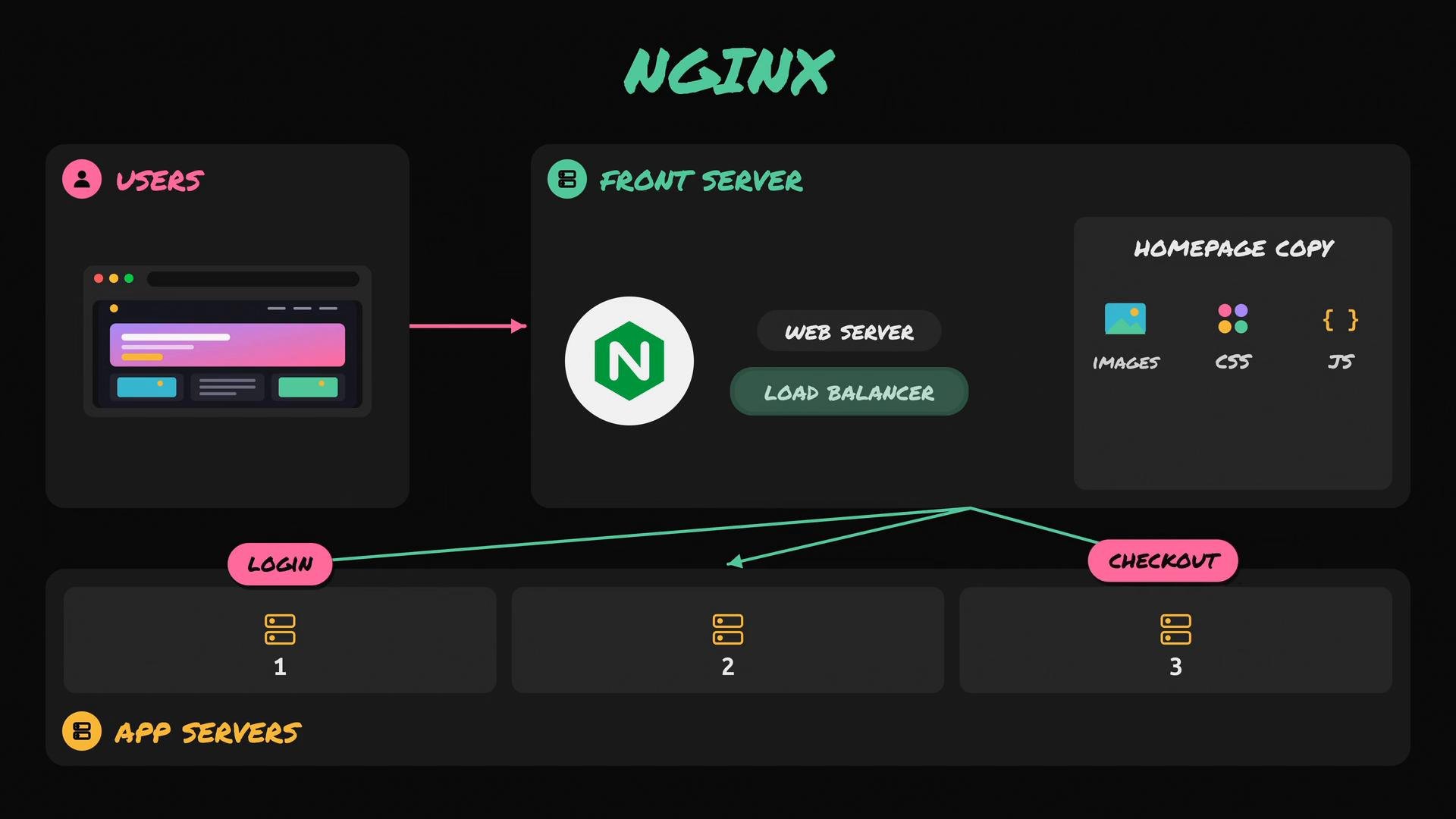
NGINX acts as both a web server and a reverse proxy/load balancer. In a typical deployment, an NGINX instance sits in front of several application servers and:- Serves static assets (HTML, CSS, JavaScript, images) directly from the front-end server.
- Proxies dynamic requests (login, checkout, API calls) to upstream application servers.
- Optionally provides caching, SSL termination, and basic load-balancing algorithms.
How HAProxy is commonly used
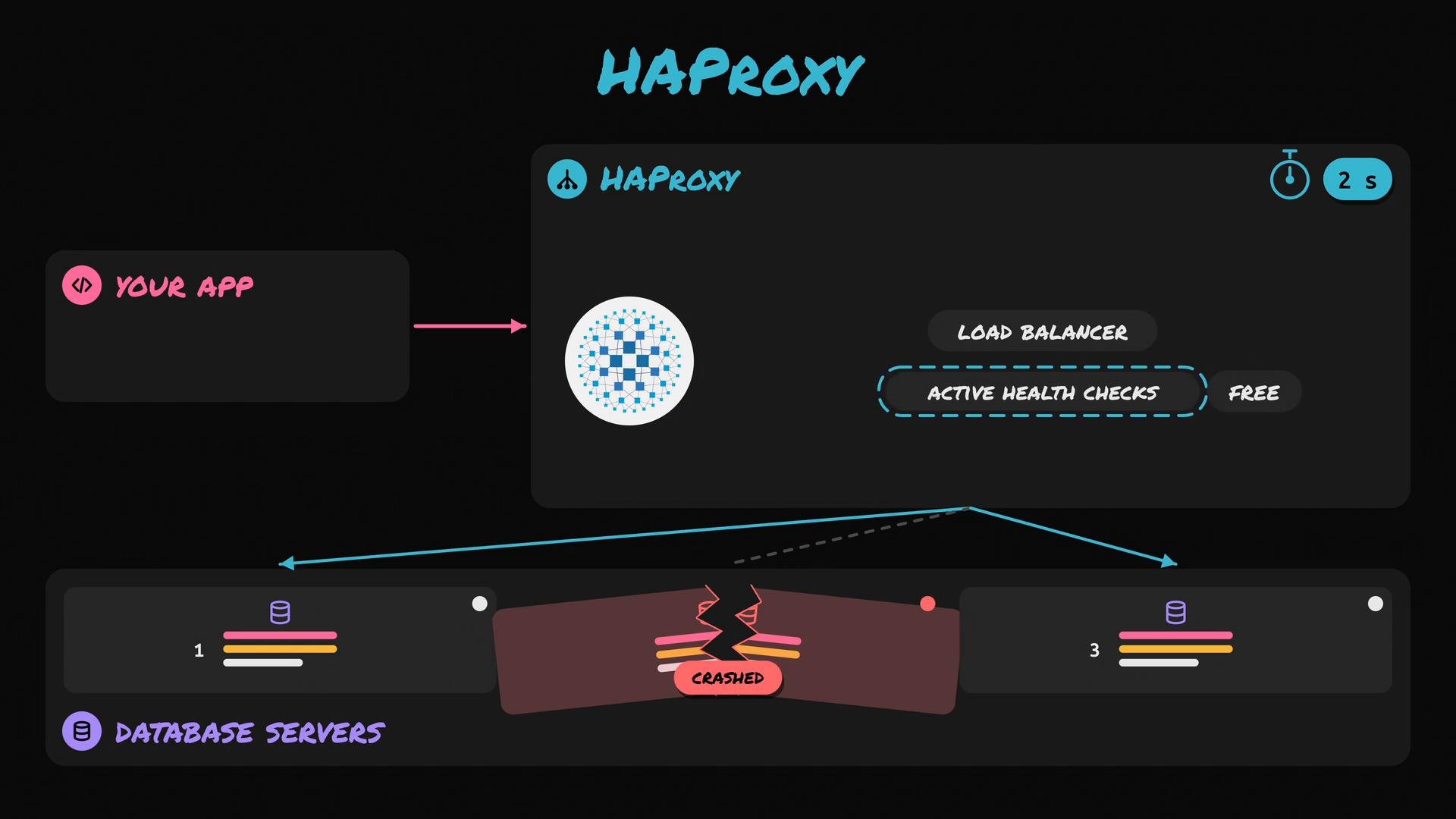
HAProxy is a dedicated load balancer (Layer 4 and Layer 7) and focuses on reliability, performance, and observability rather than serving static assets. Typical use cases include:- Fronting database replicas for read scaling (TCP-level balancing).
- Load balancing microservices with strict health checking requirements.
- High-throughput HTTP/TCP routing where minimal latency and precise back-end controls matter.
Feature comparison
If you need to serve static assets and proxy dynamic requests from the same entry point, NGINX is often the simplest choice. If your primary requirement is a robust, high-throughput load balancer with active health checks and TCP-level routing, prefer HAProxy.
When to choose NGINX
- You want a single process to both serve static files and proxy to app backends.
- You need caching (microcaching) for HTML or assets to reduce backend load.
- You require SSL termination, basic load balancing, and URL-based routing.
- You prefer an easier learning curve when starting small or building simple reverse-proxy stacks.
- You plan to upgrade to NGINX Plus later for active health checks and commercial support.
When to choose HAProxy
- You require a purpose-built load balancer for TCP/HTTP with low latency.
- Active, frequent health checks and fast failover are critical (e.g., DB replicas, critical microservices).
- You need detailed metrics and a lightweight stats interface out of the box.
- You need advanced LB features (stick tables, connection limits, fine-grained timeouts) for high-scale environments.
Avoid using NGINX as a front-line TCP load balancer for database replicas—NGINX open-source does passive health checks by default and is not optimized for TCP-level, high-frequency health polling. Use HAProxy for such scenarios.
Practical decision checklist
- Do you need to serve static assets from the edge? → Use NGINX.
- Do you need active, frequent backend health checks and TCP-level balancing? → Use HAProxy.
- Is a single, simple deployment with caching helpful for your app? → NGINX is often quicker to set up.
- Are you optimizing for raw LB throughput, detailed metrics, and failover behavior? → HAProxy is usually preferable.
Further reading
- NGINX documentation: https://nginx.org/en/docs/
- HAProxy documentation: https://www.haproxy.org/
- Kubernetes load balancing concepts: https://kubernetes.io/docs/concepts/services-networking/service/
- NGINX = web server + reverse proxy + caching + basic LB — great for fronting web apps and serving static content.
- HAProxy = dedicated, high-performance load balancer — ideal for robust health checks, TCP-level routing, and production-grade LB telemetry.