

- Dependabot alerts = supplier auditing: scans incoming third-party packages for known vulnerabilities.
- Dependabot security updates = pharmacist: automatically creates PRs to replace vulnerable packages with safe versions.
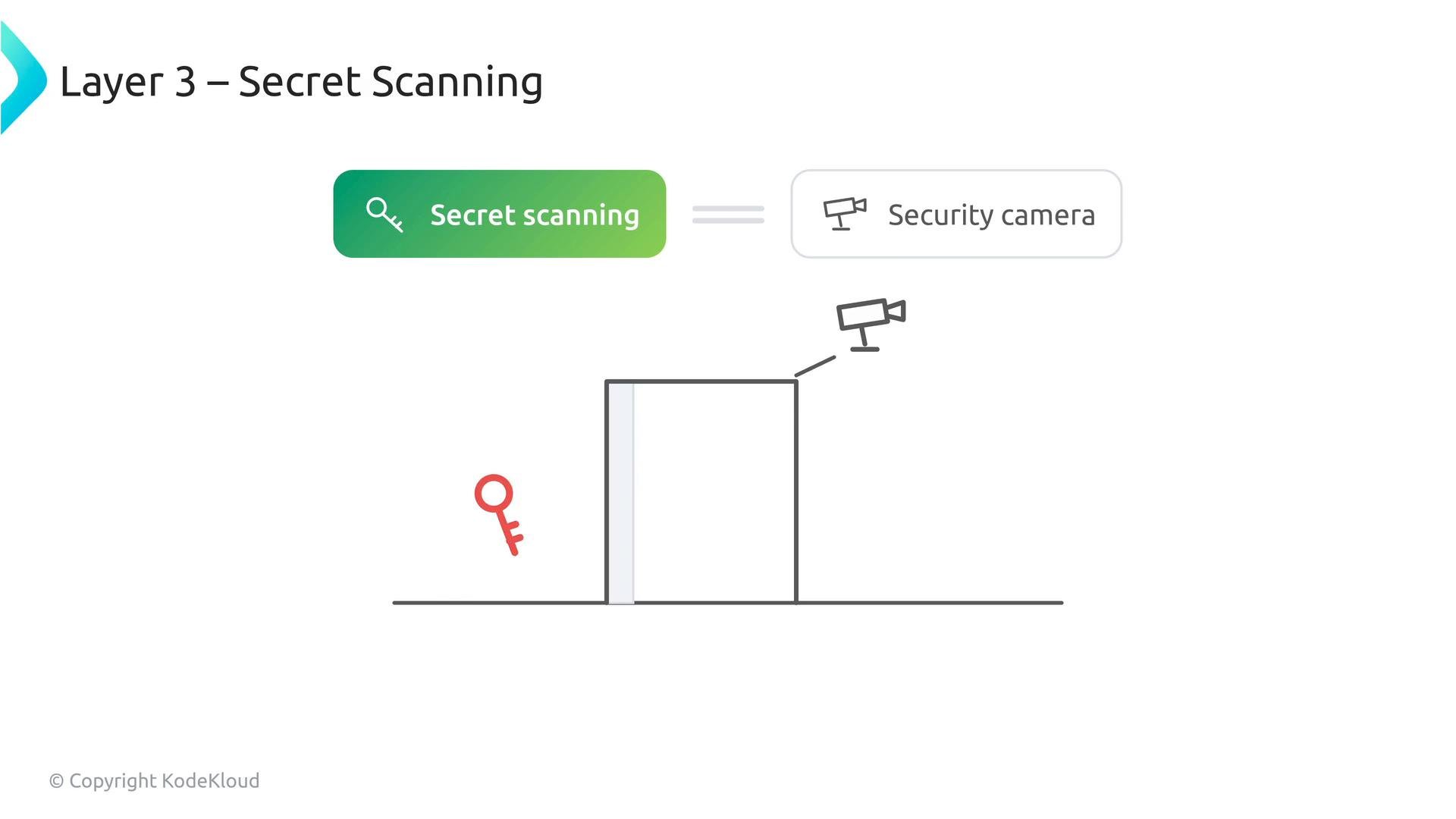
- Secret scanning = security camera: detects dropped credentials or secrets in your codebase.
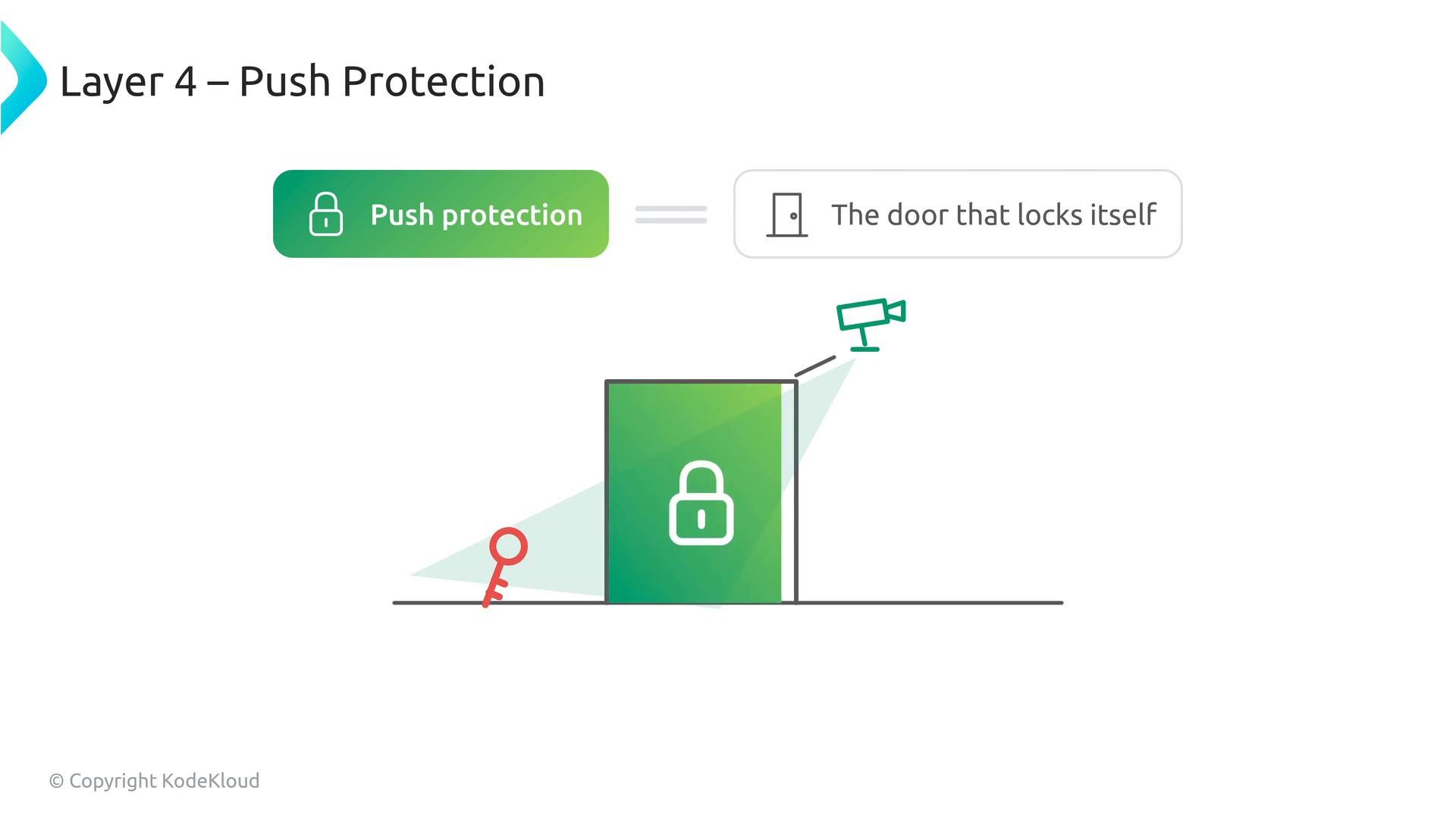
- Push protection = self-locking door: prevents pushes that would expose detected secrets.
- CodeQL = infection-control specialist: inspects your application logic for vulnerabilities in the code you wrote.
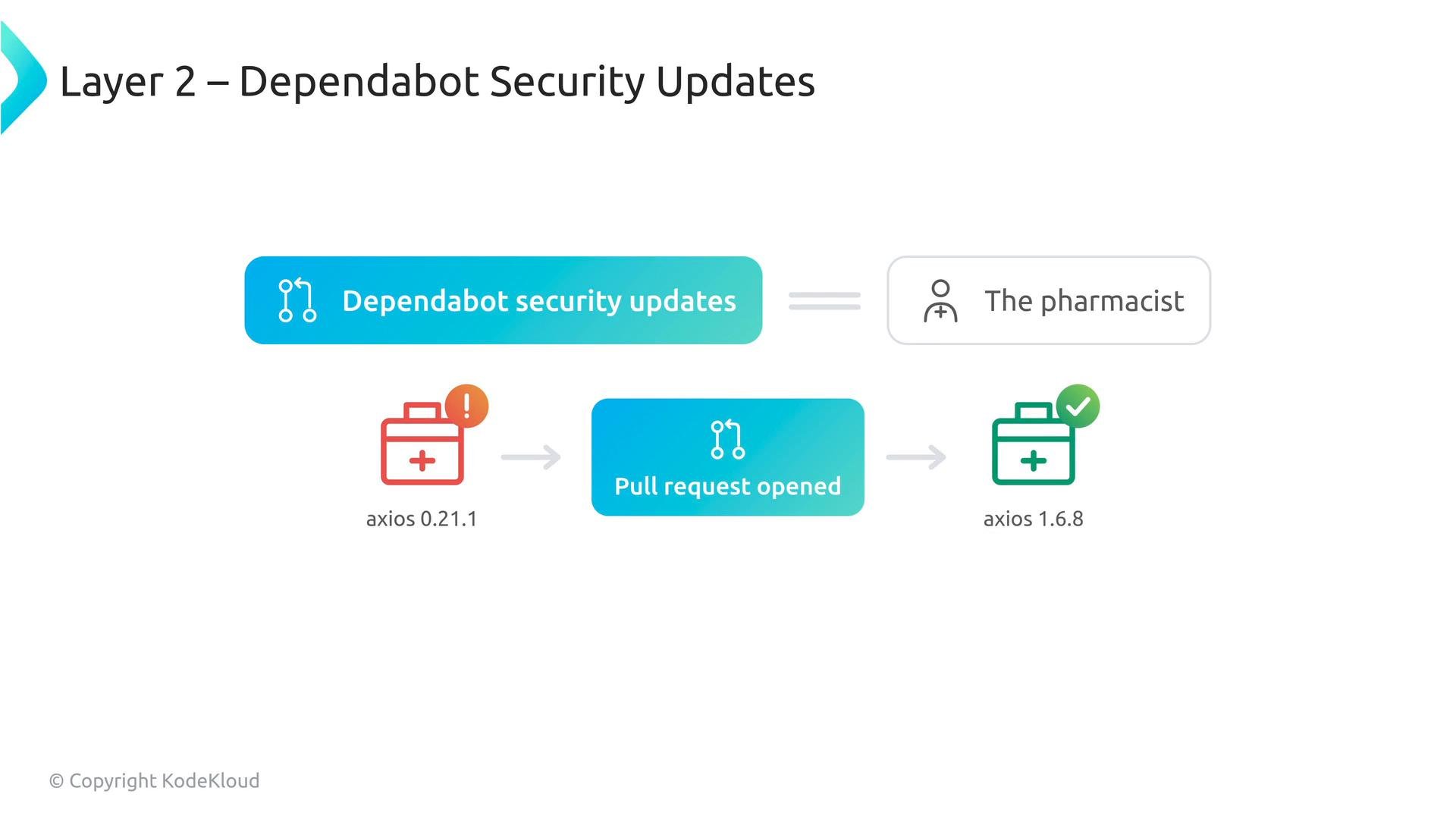
- Dependabot: third-party dependencies (code you consume).
- CodeQL: your application logic (code you produce).
Billing and operational considerations
You should also be familiar with GHAS billing because it affects cost management and enablement decisions.
Key billing rules:
- GHAS is free for public repositories.
- Billing counts unique human committers who committed to GHAS-enabled private repositories during the trailing 90-day window.
- Commits to public repositories do not contribute to billing.
- Archiving a GHAS-enabled private repository removes its committers from your billing count after 90 days.
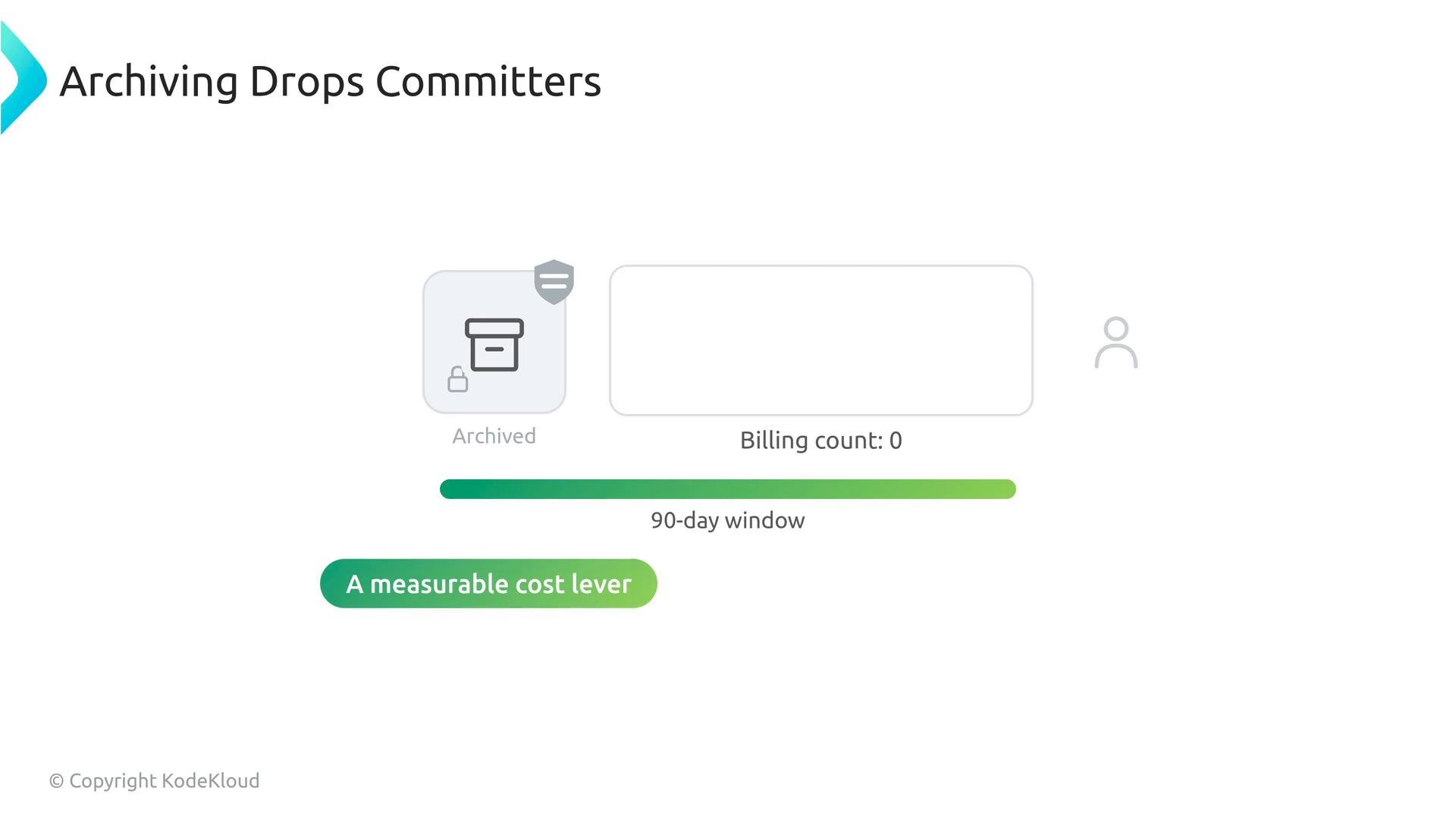
Keep these billing facts in mind:
- GHAS is free for public repositories.
- An active committer is someone who committed to a private GHAS-enabled repository within the last 90 days.
- Archiving a GHAS-enabled private repository removes its committers from your billing count after 90 days.
- GitHub Advanced Security overview: https://docs.github.com/en/code-security
- Dependabot: https://docs.github.com/en/code-security/supply-chain-security/keeping-your-dependencies-updated-automatically
- Secret scanning and push protection: https://docs.github.com/en/code-security/secret-scanning
- CodeQL: https://codeql.github.com/docs/