

1) Massive market growth and strategic demand
Global investment in AI and machine learning is accelerating rapidly. Global AI spending is projected to reach a massive $2.5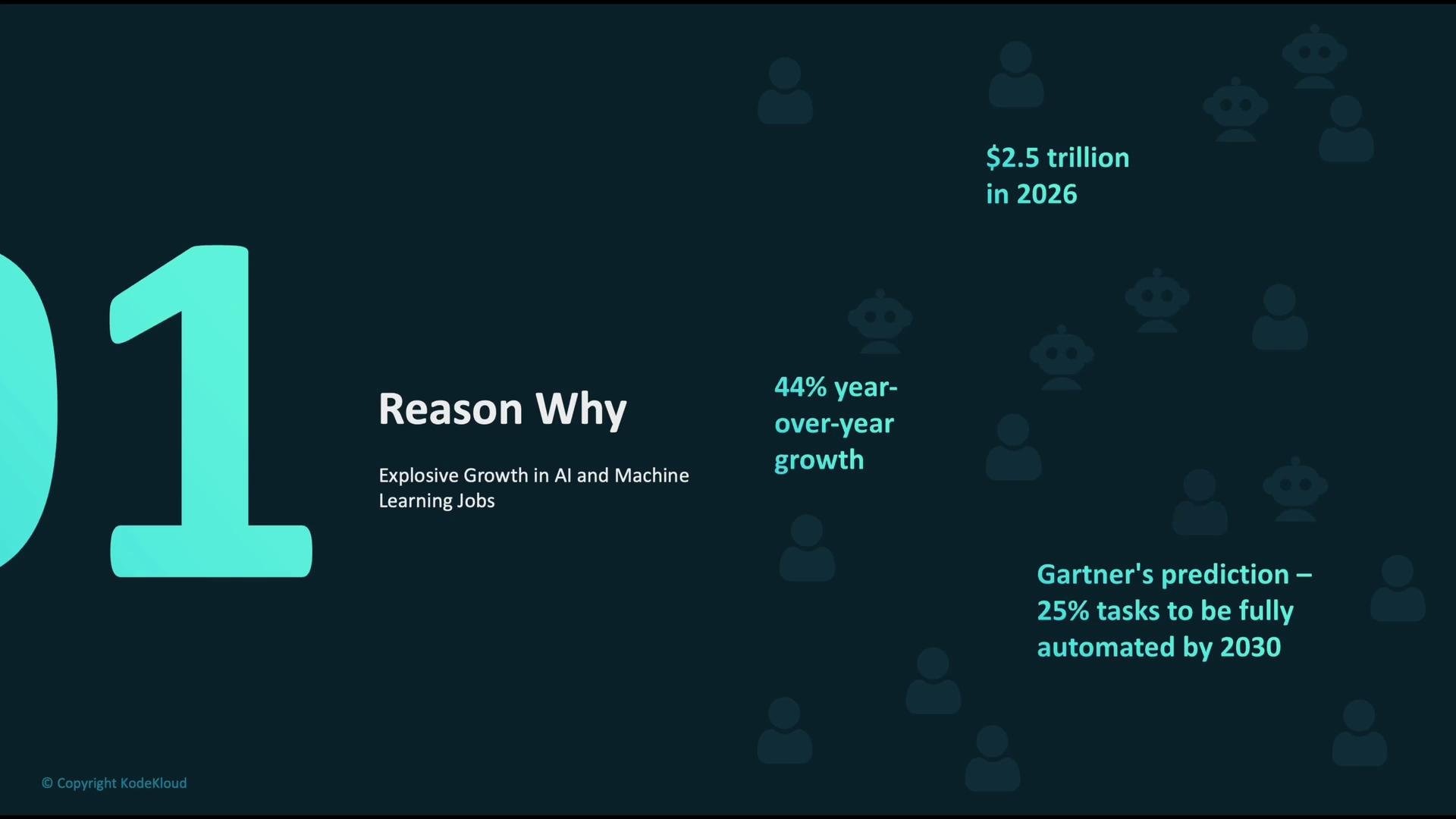
2) Career opportunity and compensation
Machine learning specialists consistently rank among the highest-paid roles in technology. Reported salary ranges vary with experience and specialization but commonly fall between 350,000 annually. Certifications and demonstrable cloud ML skills help you stand out in a competitive job market.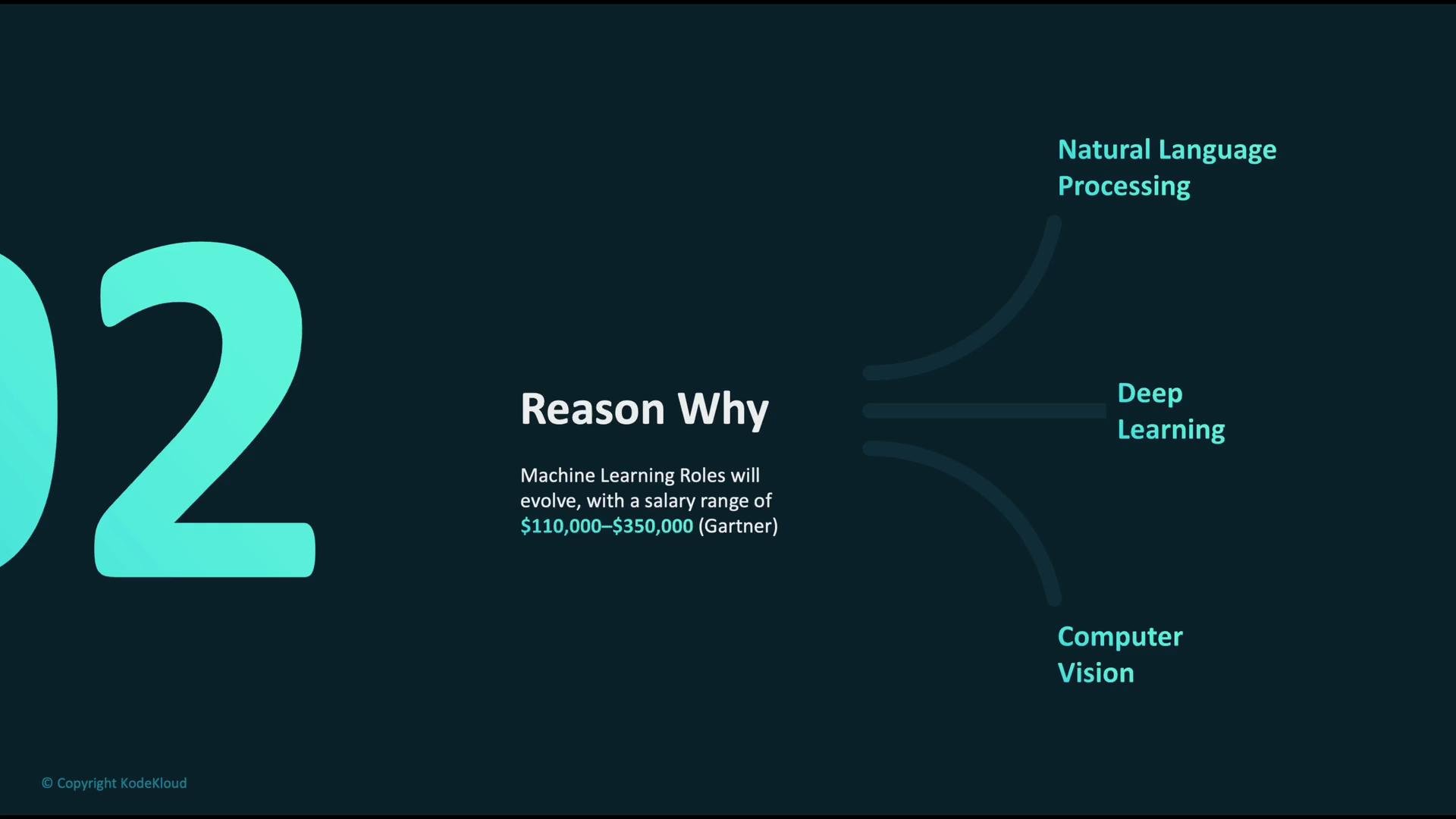
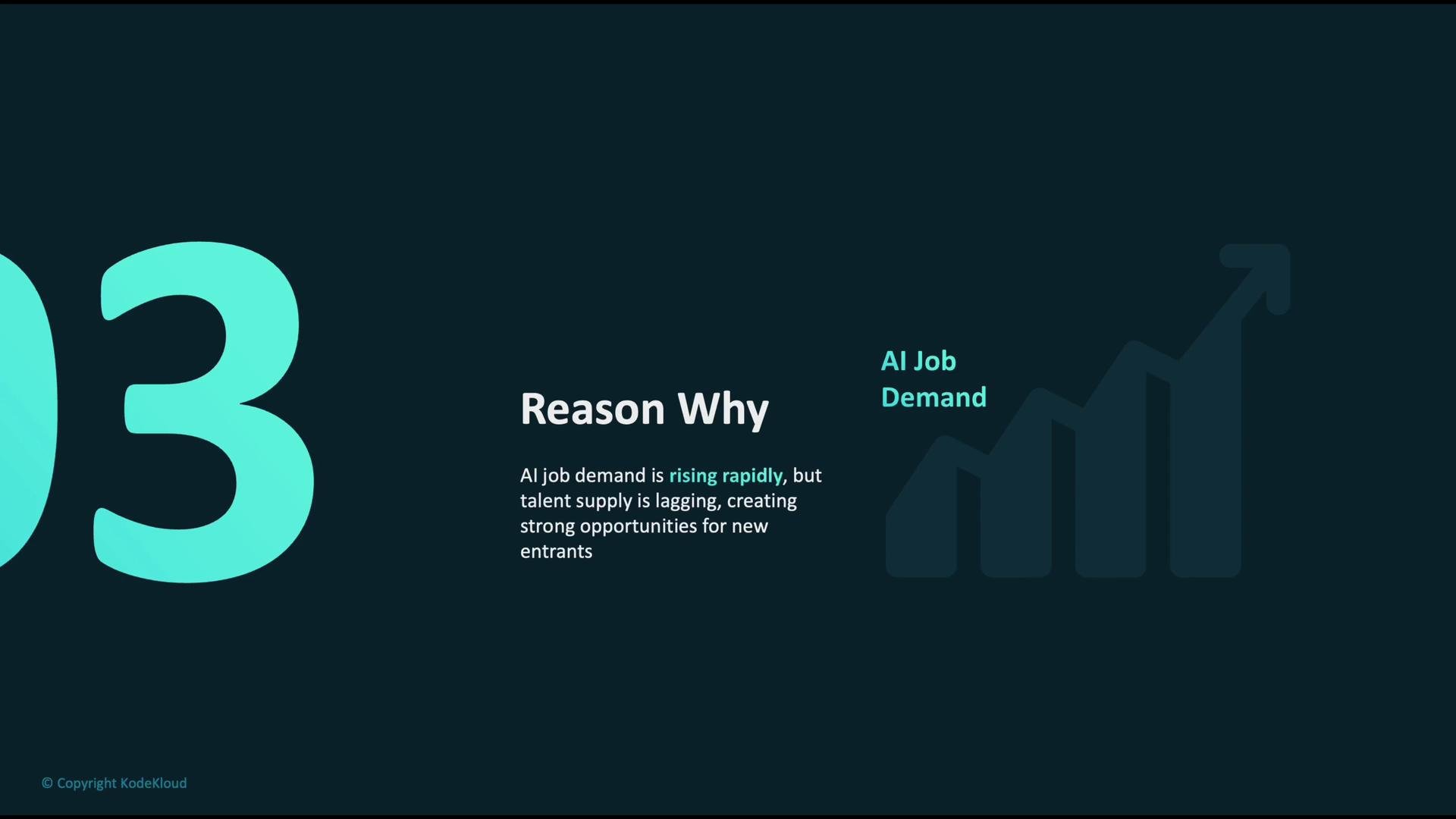
3) Cloud + ML: AWS is central to production-ready machine learning
Modern ML workloads run on the cloud. AWS is the market leader (roughly one-third market share) and provides a broad portfolio of managed services that accelerate model development, training, and deployment. Preparing for an AWS ML certification helps you learn those services in real-world contexts and validates your ability to build production-ready solutions.AWS certification pathway (how this certification fits)
- Foundational: Core AWS cloud concepts (no prior experience required).
- Associate: Role-based certifications to demonstrate hands-on skills; recommended for those with some IT experience.
- Professional: Validates advanced skills for designing complex, distributed applications,
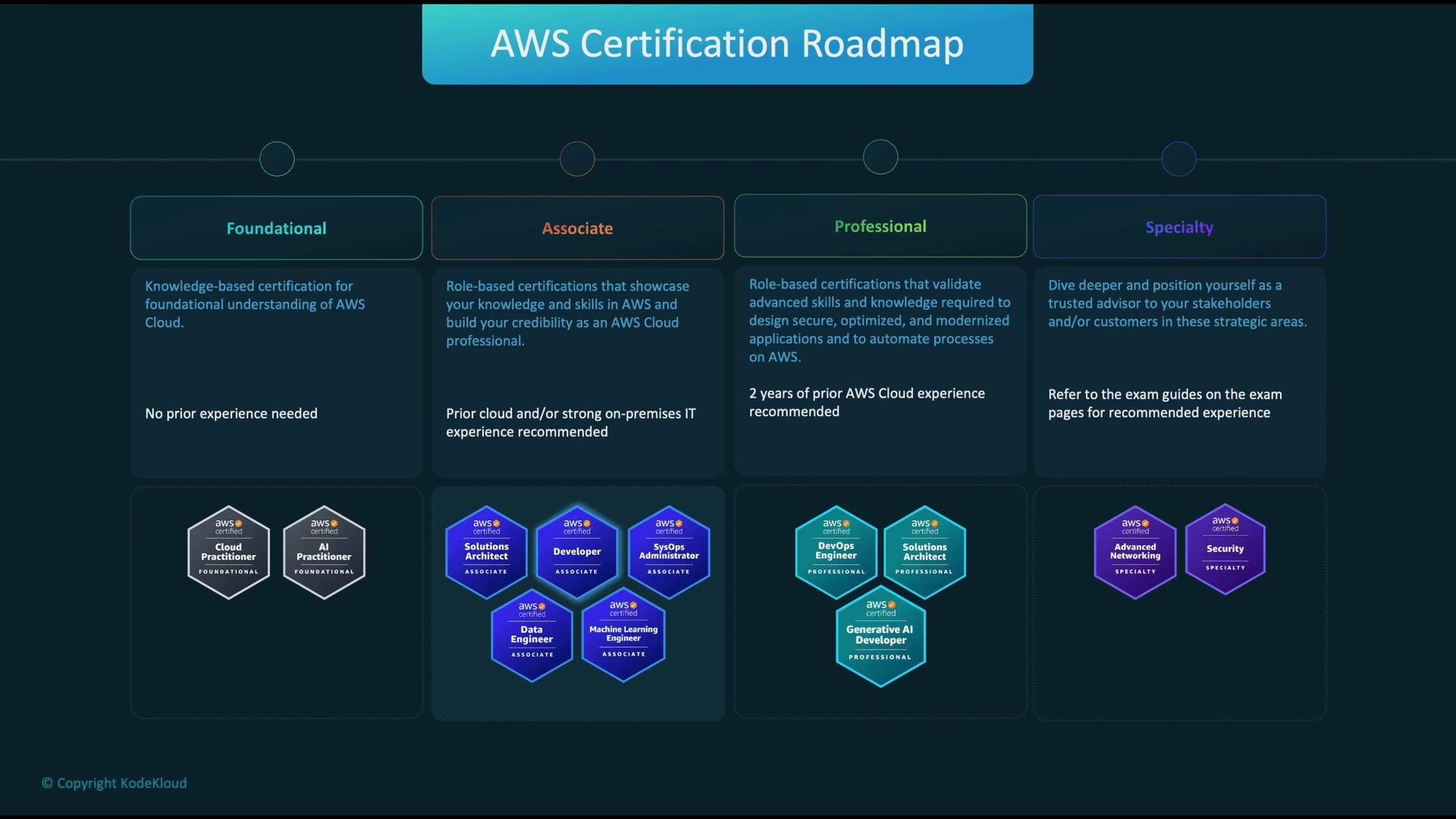
- Specialty: Demonstrates deep expertise in a focused technical domain and positions you as a trusted advisor.
4) What you’ll gain from this course (summary)
- Target audience: AI practitioners ready to build and scale ML solutions on AWS.
- Exam readiness: Prepares you to attempt the AWS Machine Learning — Associate (and maps to Specialty objectives depending on target).
- Career impact: Validates practical, hands-on cloud ML skills that improve promotion and hiring prospects.
5) Key AWS services you’ll learn and apply
The certification focuses on services and patterns commonly used in production ML:
These services form a common stack for scalable ML systems — demonstrating proficiency with them is highly attractive to employers.
Instructor
My name is Awais Kamran, and I’ll be your instructor for this lesson. I’ll guide you through hands-on examples and exam-relevant objectives so you can confidently design, train, and deploy ML models on AWS.This course equips you with the practical knowledge and hands-on experience needed to bridge the AI talent gap and prove your ability to build scalable, production-ready machine learning solutions on AWS.
Further reading and resources
- AWS Machine Learning services: https://aws.amazon.com/machine-learning/
- AWS Certification — Overview: https://aws.amazon.com/certification/
- KodeKloud ML & AWS courses: https://learn.kodekloud.com/